
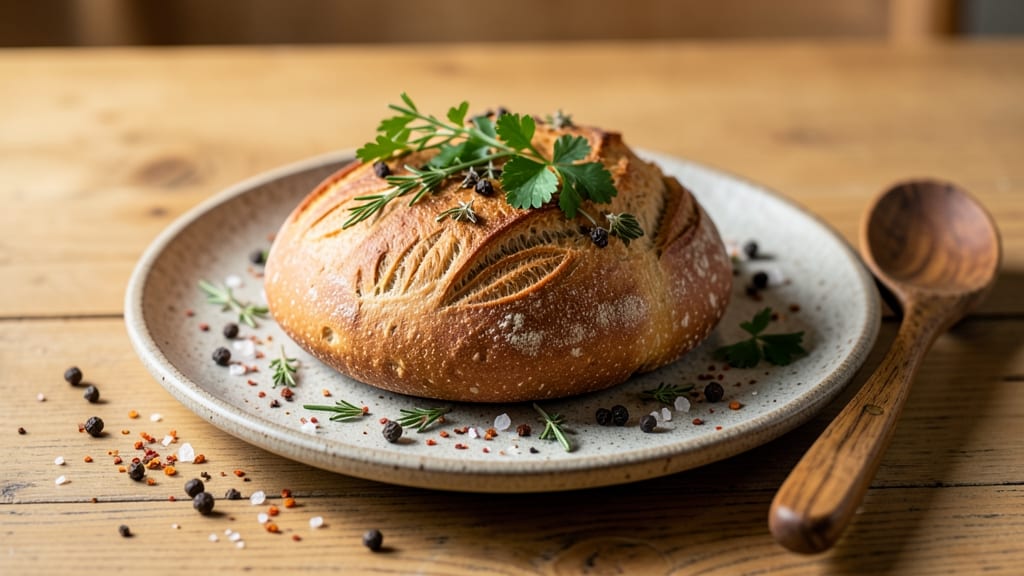
This acacia honey bread recipe transforms simple ingredients into a fragrant loaf with a golden crust and delicate floral sweetness that lingers long after the first bite.
The secret lies in combining acacia honey—a rare, floral nectar with a subtle caramel undertone—with warm spices that elevate everyday bread into something extraordinary. I first discovered this recipe while exploring Middle Eastern baking traditions, where honey isn’t just a sweetener but the soul of the dish.
The dough requires just five ingredients but delivers restaurant-quality results with a crispy crust and tender crumb. Unlike commercial breads, this recipe relies on natural fermentation for depth of flavor, and the acacia honey infuses every bite with its signature floral aroma.
Perfect for breakfast, dessert, or as a showstopping side, this bread proves that homemade can truly outshine store-bought.
Baking time is minimal—just under an hour—but the waiting is worth it for that irresistible aroma filling your kitchen. The golden crust gives way to a moist interior with pockets of honeyed sweetness, while the floral notes from the acacia honey create a complexity that’s both comforting and sophisticated.
Whether you’re serving it warm with butter or saving slices for toast, this bread will become a staple in your home.
For those who prefer savory adaptations, a sprinkle of coarse salt or rosemary before baking adds a delightful contrast. The recipe scales easily for gatherings, and leftovers keep well for days, making it ideal for meal prep.
Let’s get started on creating this fragrant, golden loaf that tastes like sunshine in every bite.
Ingredients for acacia bread
Five ingredients transform into a fragrant loaf with floral sweetness and golden crust.
| Ingredient | Amount | Notes |
|---|---|---|
| Acacia Honey 🍯 | ½ cup | Pure, unfiltered for floral flavor |
| All-Purpose Flour 🌾 | 4 cups | Bread flour preferred for structure |
| Instant Yeast 🍞 | 2 ¼ tsp | Single-use packet works perfectly |
| Granulated Sugar 🍚 | ¼ cup | White or brown sugar both work |
| Unsalted Butter 🧈 | ½ cup | Room temperature for mixing |
| Large Eggs 🥚 | 2 whole | Room temperature for best results |
| Warm Water 💧 | 1 ¼ cups | 110°F for optimal yeast activation |
| Ground Cinnamon 🌿 | 1 tsp | Freshly ground for best aroma |
| Ground Cardamom 🌶️ | ½ tsp | Middle Eastern spice blend |
| Coarse Sea Salt 🧂 | 1 ½ tsp | For crust enhancement |
| Cornmeal 🌽 | ¼ cup | For dusting baking sheet |
Acacia honey is the heart of this recipe—look for pure, unfiltered varieties in specialty stores or Middle Eastern markets. Whole Foods or Trader Joe’s often carry it, but if unavailable, regular honey works in a pinch (though the floral notes will differ). The yeast should be fresh; if your packet is past its expiration, test it first in warm water to see if it foams. For flour, King Arthur or Bob’s Red Mill bread flour creates the perfect structure, but all-purpose will suffice if that’s what you have. The spices—cinnamon and cardamom—are essential for that warm, aromatic profile; Penzeys Spices sells pre-ground blends if you prefer convenience.
No acacia honey? Orange blossom or wildflower honey offers similar floral complexity. Running short on bread flour? All-purpose plus 1 tbsp vital wheat gluten mimics its properties. The butter should be soft but not melted—microwave for 15 seconds if needed. Eggs can be substituted with 2 tbsp melted butter plus 2 tbsp milk for a vegan adaptation, though texture will differ slightly. For the spices, ground cardamom pods (if available) are superior to pre-ground powder. If you’re feeling adventurous, a pinch of ground cloves or nutmeg adds another layer of warmth.
This dough ferments best at 75-80°F—warmer kitchens speed up the process. For optimal results, let it rise overnight in the fridge (up to 12 hours) for deeper flavor. The baked loaf keeps well at room temperature for 3 days wrapped in a clean towel, or 1 week in the fridge. For longer storage, slice and freeze portions—3 months is standard. Reheat slices in a 350°F oven for 5 minutes to restore freshness. The crust stays crisp for about 2 hours post-baking, after which it softens beautifully.
Why You’ll Love This Recipe
- No-Knead Magic: I swear by this dough—just mix, let it rise, and bake. The acacia honey does all the work, giving that golden crust without a single stretch of my arms.
- Honeyed Crust Alert: That caramelized top? Pure satisfaction. The butter and sugar team up to create a sweet, buttery bite, while the honey lingers like a warm hug in every slice.
- Breakfast to Brunch: Serve it toasted with jam for a lazy morning or tear it into chunks for a picnic. The yeast keeps it fresh for days, so it’s always ready for whatever comes next.
- Budget-Friendly Staple: A single loaf costs pennies but feels like a treat. Leftovers? Toast them, freeze them, or pack them—this bread turns scraps into something special without breaking the bank.
Step-by-step instructions for acacia honey bread
Here’s how to create a tender loaf with a golden crust infused with floral acacia honey notes.
Activate the Yeast and Mix the Dough
In a large mixing bowl, combine the 1.25 cups warm water (about 110°F) with the 0.5 cup acacia honey and 0.25 cup granulated sugar. Stir until the honey and sugar fully dissolve. This warm liquid creates the perfect environment for yeast activation.
Next, sprinkle the 2.25 tsp instant yeast over the liquid and let it sit for 5-10 minutes until it begins to foam and bubble. This confirms the yeast is alive and ready to work. If it doesn’t foam, your yeast may be inactive—start over with fresh yeast.
In a separate bowl, whisk together the 4 cups all-purpose flour, 1 tsp ground cinnamon, 0.5 tsp ground cardamom, and 1.5 tsp coarse sea salt. Gradually add this dry mixture to the yeast mixture while stirring with a wooden spoon or dough whisk. The dough will be shaggy at first, but keep mixing until it begins to come together.
Incorporate Wet Ingredients and Knead
Add the 0.5 cup unsalted butter (softened) and 2 whole large eggs to the dough mixture. Mix until the butter is fully incorporated and the eggs are evenly distributed. The dough should now be cohesive and slightly sticky.
Turn the dough out onto a lightly floured surface and knead for 8-10 minutes by hand, or use a stand mixer with a dough hook attachment for 5-6 minutes on medium speed. You’re looking for a smooth, elastic dough that springs back when pressed gently. If it feels too sticky, add 1 tablespoon of flour at a time until it reaches the right consistency.
Here’s the thing—this dough is delicate. Over-kneading develops too much gluten, which can make the bread dense. Stop when it’s just smooth and slightly tacky to the touch.
First Rise and Shaping
Lightly grease a large mixing bowl with a bit of oil or melted butter. Place the dough back into the bowl, cover it with a clean kitchen towel, and let it rise in a warm place for 1-1.5 hours, or until it has roughly doubled in size. The dough should feel light and airy when pressed gently with a fingertip.
Once risen, punch down the dough to release any air bubbles. Shape it into a 9×5-inch loaf pan by folding the edges inward and pressing gently to fill the pan completely. This ensures even baking and a uniform loaf shape.
Lightly dust the top of the dough with 0.25 cup cornmeal to prevent sticking. Cover the pan with the towel again and let it rise for another 30-45 minutes until it’s just slightly above the rim of the pan. This final rise gives the bread its signature height and texture.
Bake to Golden Perfection
Preheat your oven to 375°F. Place the loaf pan on the middle rack and bake for 30-35 minutes, or until the top is golden brown and the internal temperature reaches 190°F when measured with an instant-read thermometer.
To test doneness, tap the top of the loaf with your knuckle—it should sound hollow. If the top browns too quickly, tent the loaf with aluminum foil after 20 minutes to prevent over-browning while ensuring the interior cooks through.
Remove the bread from the oven and let it cool in the pan for 10 minutes. Then transfer it to a wire rack to cool completely. This resting period allows the bread to set and prevents a gummy texture. The floral notes of the acacia honey will be most pronounced once fully cooled.
Pro Tips For Making Acacia Bread
- Warm the Honey First: Dump cold acacia honey straight into warm water or milk—it’ll clump like glue. Instead, microwave it for 10 seconds or gently heat it in a small bowl until just runny. Trust me, your dough will thank you when it’s smooth and stretchy, not a sticky mess.
- Measure Butter Cold: That soft butter you grab straight from the fridge? It’ll melt into your dough faster than you can knead. Scoop it straight from the freezer, cut it into chunks, and let it sit at room temp for exactly 30 minutes. No more greasy dough or uneven crumb.
- Skip the Overproofing: I used to let my dough rise until it looked like a balloon, and it’d collapse flat in the oven. For acacia bread, check for readiness when the dough springs back slowly (not instantly) when poked. If your kitchen’s warm, set a timer for 45–60 minutes max—overproofing kills the honey’s sweetness.
- Brush with Honey Twice: One quick brush before baking? You’re missing out. After the first 10 minutes in the oven, pull it out and slather on another thin layer of warmed acacia honey. The second coat caramelizes into a glossy, crackly crust—like the difference between a good loaf and a showstopper.
Serving suggestions for this dish
Breakfast Showstopper
Serve warm slices with a pat of cultured butter and a drizzle of acacia honey for an elegant breakfast. The floral sweetness pairs beautifully with Greek yogurt or whipped cream—I love adding a sprinkle of toasted pistachios for crunch.
For a hearty meal, top with sliced almonds and a dusting of cinnamon. 🍯
Dessert Delight
Cut into thick slices and serve with vanilla ice cream or mascarpone cheese for a decadent dessert. The warm bread soaks up the creaminess perfectly. For a sophisticated touch, pair with espresso or chilled chamomile tea to complement the floral notes.
A pinch of sea salt on top enhances the sweetness.
Savory Twist
For a savory version, skip the honey in the dough and brush the baked loaf with garlic-infused olive oil before serving. Top with fresh rosemary, crumbled feta, or whipped goat cheese for a Mediterranean-inspired side. This works wonderfully with grilled meats or roasted vegetables.
Tea Time Elegance
Slice into finger-sized pieces and serve with Earl Grey tea or spiced chai for an afternoon tea spread. The floral honey notes harmonize perfectly with the bergamot in Earl Grey.
Add lemon slices or fresh berries for a pop of color and acidity. This presentation feels luxurious without being overly complicated.
Gift-Worthy Presentation
Wrap cooled slices in parchment paper and tie with a ribbon for a beautiful gift. The golden crust and floral aroma make it perfect for holidays or housewarming presents.
Pair with a small jar of acacia honey for a complete set. This thoughtful touch elevates your homemade bread into a keepsake-worthy creation. ✨
Meal Prep Hack
Slice the bread while still warm and freeze portions in airtight containers for up to 3 months. Reheat slices in a toaster oven at 350°F for 5 minutes or a skillet over medium heat until crispy.
This keeps the texture perfect for quick breakfasts or snacks throughout the week. A lifesaver for busy mornings! 💡
Nutrition facts
Frequently asked questions
What makes acacia honey bread different from regular honey bread?
Acacia honey has a delicate, floral aroma with subtle caramel undertones that regular honey lacks. The floral notes infuse the bread with a sophisticated sweetness and lighter color, creating a more complex flavor profile than standard honey varieties. This makes it perfect for both sweet and savory adaptations.
Can I substitute acacia honey with regular honey in this recipe?
Yes, but the flavor will differ. Regular honey adds a stronger sweetness without the floral complexity. For similar floral notes, try orange blossom or wildflower honey. The recipe will still work, though the aroma will be less pronounced. Acacia honey is ideal for its unique, light floral character.
How do I know when the dough has risen enough?
The dough is ready when it has roughly doubled in size and feels light when pressed gently with a fingertip. For the first rise, this takes about 1-1.5 hours. For the final rise in the loaf pan, it should just peek slightly above the rim (30-45 minutes). Overproofing can make the bread dense.
Why did my acacia bread turn out dense instead of light and airy?
Dense bread often results from over-kneading, underproofing, or inactive yeast. Check these:
- Knead only until smooth (8-10 minutes by hand),
- Ensure yeast is fresh (test in warm water first), and
- Let the dough rise in a warm spot (75-80°F) until fully doubled. A cold kitchen slows fermentation.
How can I make this bread savory instead of sweet?
Omit the acacia honey and sugar from the dough, then brush the baked loaf with garlic-infused olive oil before serving. Add toppings like fresh rosemary, crumbled feta, or whipped goat cheese. The warm spices (cinnamon/cardamom) can stay for a subtle aromatic touch, or use savory herbs like thyme instead.

- Baked Breaded Eggplant Recipe: Crispy Parmesan-Crusted Perfection - November 29, 2026
- Deep Fried Donuts Recipe: Crispy Shells and Pillowy Cores - November 29, 2026
- Cabbage and Cottage Cheese Recipe: Crisp-Tender Slaw With Creamy Tang - November 29, 2026