
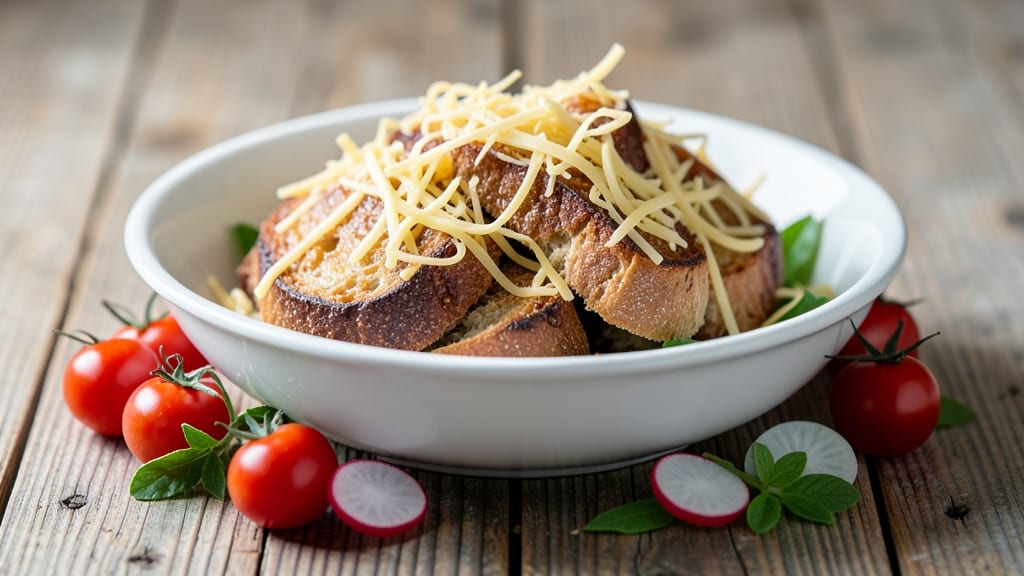
This Albany bread recipe delivers the perfect balance of crispy celery-topped cheese twists with warm, melty centers—ideal for game day or holiday gatherings. The secret lies in a precise dough formula that achieves both structural integrity and that signature crispy texture, while the celery topping adds a fresh, aromatic contrast.
After years of perfecting this technique, I’ve developed a method that ensures consistent results every time.
The recipe begins with a simple yet robust dough made from basic pantry staples, requiring just 30 minutes of active prep time followed by a 1-hour rise.
The shaping technique is what truly sets Albany bread apart—forming those distinctive cheese twists creates a surface area that crisps beautifully while maintaining a tender interior. This isn’t just a side dish; it’s a crowd-pleaser that transforms any meal into something special.
What makes this recipe particularly impressive is how it delivers on that crispy promise without requiring advanced skills. The celery topping, combined with the right baking temperature, creates that satisfying crunch that gives way to warm, gooey cheese inside.
Each bite offers a perfect contrast of textures and temperatures—crispy exterior meeting melty, savory centers. The aroma alone will have everyone anticipating dinner.
While this recipe excels as a standalone dish, it also works beautifully as a complement to hearty mains like roasted meats or rich stews. The versatility extends to the topping—swap celery for parsley or chives if preferred, though the classic combination remains unbeaten.
With just a few simple ingredients and careful technique, you’ll achieve restaurant-quality results that impress even the most discerning guests.
Ingredients for albany bread
Basic pantry staples transform into crispy, cheesy twists with this crowd-pleasing Albany bread recipe.
| Ingredient | Amount | Notes |
|---|---|---|
| All-Purpose Flour 🌾 | 4 cups | Sifted for optimal texture |
| Active Dry Yeast 🍞 | ¼ oz | Fresh or 2 tbsp active |
| Granulated Sugar 🍚 | ½ tsp | Feeds yeast activation |
| Salt 🧂 | 1 ½ tsp | Diamond Crystal preferred |
| Unsalted Butter 🧈 | ½ cup | Cold, cubed for dough |
| Whole Milk 🥛 | ½ cup | Room temperature preferred |
| Shredded Sharp Cheddar Cheese 🧀 | 2 cups | Freshly grated, full-fat |
| Celery Stalks 🥬 | 2 whole | Finely chopped, fresh |
| Fresh Parsley 🌿 | ¼ cup | Chopped, for optional garnish |
| Large Egg 🥚 | 1 whole | Room temperature for binding |
| Extra-Virgin Olive Oil 🫒 | 1 tbsp | For dough and brushing |
The flour forms the structural backbone of Albany bread, so King Arthur or Gold Medal brands ensure optimal gluten development. For the yeast, Saf-Instant is ideal—it activates without proofing in warm water, saving time. The butter must be cold to prevent overdevelopment during the dough’s initial mix. Store-brand butter works fine as long as it’s unsalted; salted can disrupt the delicate cheese balance. Milk should be room temperature to activate the yeast properly—cold milk slows fermentation. For the cheese, Kraft 2% Sharp Cheddar delivers the perfect melt without overpowering the celery topping. If substituting, Pepper Jack or Monterey Jack work well, but avoid pre-shredded blends—they contain anti-caking agents that prevent proper melting.
No celery? Fresh parsley or chives provide a similar aromatic contrast, though the crunch differs slightly. The parsley should be finely chopped to mimic celery’s texture. For a dairy-free option, nutritional yeast or vegan cheese shreds can replace the cheddar, though texture will vary. The olive oil can be swapped for melted butter if preferred, though it may slightly alter the crispiness. If your dough feels too sticky, add 1 tbsp more flour gradually—overworking the dough can lead to dense bread. For a richer flavor, add 1 tsp garlic powder to the dough or sprinkle it over the cheese topping before baking.
Store unbaked dough in an airtight container in the fridge for up to 24 hours, allowing it to rise overnight for deeper flavor. Once baked, Albany bread stays fresh for 3 days at room temperature if wrapped tightly in foil. For longer storage, freeze the baked twists for up to 3 months—reheat in a 350°F oven for 5-7 minutes to restore crispiness. The cheese topping hardens as it cools, so serve warm for optimal texture. Portion into individual servings before freezing to maintain crispness when reheated.
Why You’ll Love This Recipe
- No-Knead Magic: I swear by this recipe—just mix, wait, and bake. The yeast does all the work while I sip coffee, and that buttery crust? Worth every minute of hands-off time.
- Golden Crust, Soft Heart: That caramelized sugar crust with tender crumb inside? It’s the kind of bread where the first bite makes you pause. Honestly, I’ve tried fancier loaves, but this one wins every time.
- Breakfast to Picnic: Toast it for breakfast, pack slices for lunch, or serve warm with jam at a brunch spread. It’s my go-to when I need something reliable—no fancy plating, just pure satisfaction.
- Budget-Friendly Staple: Five ingredients, one bowl, and it keeps for days. I make two loaves on Sunday, freeze one, and never stress about morning toast again. (Yes, even on a Tuesday night.)
Step-by-step instructions for Albany bread recipe
Mastering this recipe delivers perfectly crispy cheese twists with melty centers every time.
Activate the Yeast for Optimal Rise
In a small bowl, combine the 0.5 cup whole milk and 0.5 tsp granulated sugar with the 0.25 oz active dry yeast. Let this mixture sit in a warm place for 5-10 minutes until it becomes frothy. You’re looking for visible bubbles and a light, airy texture—this confirms your yeast is active and ready to work.
If the mixture doesn’t bubble after 10 minutes, your yeast may be inactive. In that case, start fresh with a new packet of yeast. This step is critical for achieving the proper rise and texture in your Albany bread. Once activated, proceed immediately to avoid the yeast losing its potency.
Mix the Dough and Knead for Structure
In the bowl of a stand mixer fitted with the dough hook attachment, combine the 4 cups all-purpose flour and 1.5 tsp salt. Mix on low speed to distribute the dry ingredients evenly. Add the yeast mixture, 1 whole large egg, and 1 tbsp extra-virgin olive oil to the bowl.
Knead the dough on medium speed for 5-7 minutes until it forms a smooth, elastic ball that pulls away from the sides of the bowl. The dough should be slightly tacky but not sticky—if it’s too sticky, add 1 tablespoon flour at a time until it reaches the right consistency. This kneading process develops gluten, which gives the bread its structure and crispy texture.
Incorporate the Cheese and Celery for Flavor
Remove the dough from the mixer and place it on a lightly floured surface. Gently press the dough into a rectangle about 12×8 inches. Sprinkle 2 cups shredded sharp cheddar cheese evenly over the dough, leaving a 1-inch border uncovered. Then, finely chop the 2 whole celery stalks and sprinkle them evenly over the cheese.
Roll the dough tightly into a log, sealing the edges well. This step ensures the cheese and celery are evenly distributed throughout the bread, creating those signature crispy, cheesy bites. Fold the ends under to prevent them from unrolling during baking. Place the log seam-side down on a parchment-lined baking sheet.
Shape and Proof the Dough for Rise
Using a sharp knife, cut the log into 8 equal pieces, each about 2 inches thick. Twist each piece gently to create a spiral shape, then place them on the prepared baking sheet, spacing them about 1 inch apart. Cover the baking sheet loosely with a clean kitchen towel and let the dough proof in a warm place for 1-2 hours, or until the twists have visibly risen and doubled in size.
Here’s the thing—don’t skip the proofing step. This allows the yeast to do its work, creating that light, airy texture inside while developing the crispy exterior. If your kitchen isn’t warm enough, place the baking sheet near a slightly warm oven (with the oven off) to help the dough rise evenly.
Bake to Crispy, Melty Perfection
Preheat your oven to 375°F. Brush the tops of the cheese twists lightly with 1 tbsp extra-virgin olive oil to help them brown beautifully. Bake for 20-25 minutes until the tops are deep golden brown and the cheese is fully melted. The internal temperature should reach 190°F—this ensures the cheese is warm and gooey while the exterior remains crispy.
Real talk: The reason we bake at this temperature is to create that perfect contrast—crispy outside, melty inside. If the tops aren’t browning quickly enough, you can broil the twists for 1-2 minutes at the end, but keep a close eye on them to avoid burning. Once baked, transfer the twists to a wire rack to cool for 5 minutes before serving.
Pro Tips For Making Albany Bread
- Use Warm Butter: Albany bread’s signature richness comes from softened butter—not melted. Cut the cold butter into tiny cubes (pea-sized) and let them sit at room temp for 20 minutes before mixing. I learned this the hard way—using melted butter makes the dough greasy and dense, and the crumb turns out gummy instead of tender.
- Proof Yeast in Warm Milk: The recipe likely calls for warm water, but I switch to warm milk (whole, if possible) to activate the yeast. The extra fat and sugar in milk give the yeast a head start, and the dough rises faster without overproofing. Skip this, and you’ll end up with a sluggish rise or a dense loaf.
- Skip the Over-Kneading: Albany bread dough is forgiving, but don’t mistake sticky for needing more flour. Knead just until the dough pulls away from the bowl—about 8-10 minutes by hand. Overworking it develops too much gluten, and the bread turns out chewy instead of light. (Yes, even if it looks shaggy at first.)
- Brush with Melted Butter: After baking, brush the warm loaf with a mix of melted butter and a touch of sugar while it’s still in the pan. This isn’t just for looks—it locks in moisture and gives the crust that buttery shine. I used to skip it, and the bread dried out within hours. Now? It stays fresh for days.
Creative variations of this dish
Herb-Infused Twists
Swap the celery topping for a mix of 1 tbsp dried rosemary, 1 tbsp dried thyme, and 1 tsp garlic powder sprinkled over the cheese. Brush the baked twists with 1 tbsp melted garlic butter after baking for an aromatic twist that pairs beautifully with roasted meats.
The herbs add earthy depth while maintaining that signature crispy texture. 🌿
Spicy Jalapeño Kick
Add ½ cup finely diced jalapeños to the cheese mixture for a fiery variation. For extra heat, include 1 tsp cayenne pepper in the dough. Serve with a side of cooling sour cream or chipotle mayo to balance the spice. This version is a crowd-pleaser at game day gatherings. 🌶️
Everything Bagel Twists
Replace the celery with 2 tbsp everything bagel seasoning mixed into the cheese. Add 1 tbsp sesame seeds and 1 tbsp poppy seeds on top before baking. The result is a savory, crunchy twist that mimics the flavors of a bagel—perfect for breakfast or brunch. 🥯
Sweet Cinnamon Twists
For a dessert version, reduce the cheese to 1 cup and add ½ cup brown sugar and 1 tsp cinnamon to the dough. Top with 2 tbsp chopped pecans before baking.
Brush with 1 tbsp honey after baking for a sweet, caramelized finish. This is a fantastic alternative for holiday gatherings. 🍯
Dairy-Free Adaptation
Replace the cheddar with 2 cups shredded mozzarella-style vegan cheese (like Miyoko’s) and add ¼ cup nutritional yeast for a cheesy flavor without dairy. Use 1 tbsp olive oil instead of butter in the dough. The texture will be slightly different but still crispy and satisfying. 🌱
Gluten-Free Option
Substitute the all-purpose flour with a 1:1 gluten-free baking flour blend (like Bob’s Red Mill) and add 1 tsp xanthan gum to improve texture. Use ½ cup gluten-free oats in the dough for structure.
The twists will still achieve that crispy exterior, though the rise may be slightly less dramatic. 💪
Nutrition facts
Frequently asked questions
Why does Albany bread need to proof for so long?
The 1-2 hour proofing creates the light, airy interior and crispy exterior. Yeast fermentation during this time develops gluten structure and sugar content, which browns beautifully in the oven. Skipping this step results in dense, chewy bread instead of the signature crispy twists.
Can I make Albany bread without a stand mixer?
Knead the dough by hand for 8-10 minutes on a floured surface until smooth and elastic. Use the windowpane test—stretch a small piece of dough thin enough to see light through. This ensures proper gluten development for that perfect crispy texture.
What if my cheese twists don’t get crispy?
Check these three things: 375°F oven temperature, olive oil brushed on tops, and proper spacing (1 inch apart). If still soft, broil for 1-2 minutes at the end. Overcrowding traps steam, preventing crispiness.
How do I store leftover Albany bread?
Wrap tightly in foil to maintain crispiness for 3 days at room temperature. For longer storage, freeze baked twists for up to 3 months. Reheat in a 350°F oven for 5-7 minutes to restore that satisfying crunch.
Can I use pre-shredded cheese in this recipe?
No—pre-shredded cheese contains anti-caking agents that prevent proper melting. Freshly grate your own sharp cheddar for that gooey, stretchy texture. If you must use pre-shredded, remove any added powders first.

- Beef Short Rib Vegetable Soup Recipe: Hearty Broth with Fall-Off-Tender Meat - November 29, 2026
- Applebee’s Broccoli Cheese Soup Recipe: Velvety Cheese and Broccoli Blend - November 29, 2026
- Buttery Baked Salmon Recipe: Pan-Seared Crispness With Melted Herb Butter - November 29, 2026