
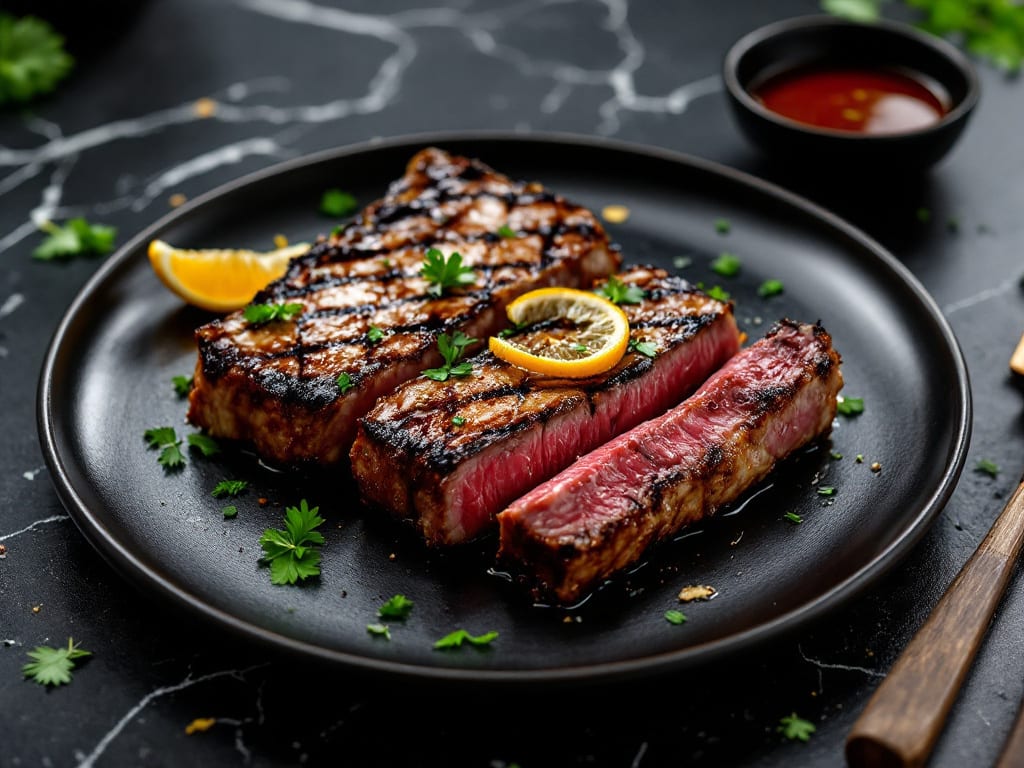
This Asian steak stir-fry recipe delivers restaurant-quality flavor in just 20 minutes, transforming simple cuts of beef into tender, umami-packed strips with crispy edges that stay juicy inside.
The secret lies in a quick marinade of soy sauce, garlic, and ginger—just 15 minutes of prep before hitting the pan—while high-heat searing locks in moisture and creates that perfect caramelized crust.
I developed this recipe after years of testing stir-fry techniques, and it’s now my go-to for weeknight dinners that feel like a night out.
The beauty of this dish is its versatility—it works with flank steak, sirloin, or even budget-friendly chuck roast, all cut thinly against the grain for maximum tenderness.
The stir-fry method ensures crispy edges without drying out the meat, thanks to a two-stage cooking process: first searing the beef until deeply browned, then finishing with a splash of rice vinegar and a touch of honey to balance the savory-sweet flavors.
This isn’t just another stir-fry; it’s a bold, aromatic dish that delivers depth with minimal effort.
By the time you plate it—piled over steamed jasmine rice or served with a side of quick-pickled vegetables—you’ll have a meal that’s visually stunning and packed with layers of flavor.
The sauce clings to the beef, offering a glossy finish that’s both sticky and savory, while the crispy edges add a satisfying contrast. It’s the kind of dish that makes you want to cook dinner every night, even when you’re short on time.
Pair it with a simple cucumber salad or extra-firm tofu for a complete meal, or double the recipe to feed a crowd.
The technique here is foolproof—no fancy equipment, no complicated steps—just a hot pan, a sharp knife, and a willingness to embrace the smoky, garlicky aroma that fills your kitchen. Let’s get cooking.
Ingredients for asian steak
Restaurant-quality Asian flavors start with these bold, aromatic ingredients—simple but packed with umami.
| Ingredient | Amount | Notes |
|---|---|---|
| Flank Steak 🥩 | 1 lb | Thinly sliced against the grain |
| Soy Sauce 🥄 | ⅓ cup | High-quality, low-sodium preferred |
| Rice Vinegar 🍶 | 2 tbsp | Seasoned preferred for balance |
| Sesame Oil 🫒 | 1 tbsp | Toasted, for aroma |
| Honey 🍯 | 1 tbsp | Wildflower for floral notes |
| Garlic Cloves 🧄 | 6 cloves | Minced, fresh preferred |
| Fresh Ginger 🌿 | 1 tbsp | Grated, peeled |
| Vegetable Oil 🫒 | 2 tbsp | High smoke point |
| Red Bell Pepper 🍅 | 1 whole | Thinly sliced, seeds removed |
| Carrot 🥕 | 1 whole | Julienned, peeled |
| Green Onion 🧅 | 2 whole | Thinly sliced, white and green parts |
| Sesame Seeds 🌾 | 1 tbsp | Toasted for garnish |
| Jasmine Rice 🍚 | 1 cup | Uncooked, long-grain |
| Diamond Crystal Kosher Salt 🧂 | 1 tsp | For seasoning |
| Ground Black Pepper 🌶️ | ¼ tsp | Freshly cracked |
The beef is non-negotiable here. Flank steak gives you that perfect balance of tenderness and chew, but sirloin or chuck work too if you slice them thinly against the grain. I grab mine from Costco when it’s on sale—look for cuts with good marbling. The soy sauce should be high-quality; Kikkoman or Lee Kum Kee are my go-tos. Fresh ginger and garlic are worth the extra minute to grate and mince—frozen works in a pinch but lacks that bright punch. The red bell pepper adds sweetness, so pick one that’s firm and vibrant; Trader Joe’s usually has great ones.
No sesame oil? Toasted peanut oil works in a bind, though it’ll change the flavor profile slightly. Short on time? Pre-minced garlic and ginger from the store are fine, but taste is everything here. The honey should be wildflower or clover—avoid processed kinds. For extra crunch, toast your sesame seeds in a dry pan for 30 seconds before adding them. The rice vinegar? Seasoned adds a subtle sweetness that balances the soy. If you can’t find it, unseasoned plus 1 tsp sugar does the trick. The bell pepper and carrot can be swapped for snap peas or broccoli florets—whatever you’ve got on hand.
This stir-fry reheats beautifully—just add a splash of water or soy sauce to keep it moist. Keeps for 3-4 days in the fridge, though it’s best fresh. Double the recipe and freeze portions for up to 3 months; thaw overnight in the fridge before reheating. I always make extra rice too—it’s perfect for lunches or fried rice the next day. Store the beef separately if you’re prepping ahead; toss it with a little more soy sauce to keep it flavorful.
Why You’ll Love This Recipe
- No-Marinate Hassle: I swear by this one—just slather the steak with soy, a splash of vinegar, and a drizzle of honey right before cooking. No waiting, no fuss, and the flavors still cling like glue.
- Sweet-Savory Magic: That honey-soy glaze? It’s the kind of balance that makes you pause mid-bite. The sesame oil adds this nutty depth while keeping it bright—like a little umami hug.
- Lunchbox Hero: Between us, this keeps perfectly for days. Slice it thin, pack it with rice, and boom—your work lunch just went from sad to “I actually look forward to it.”
- Budget Power Move: Flank steak stretches further than you’d think, and the pantry staples here won’t break the bank. Honestly, it’s my go-to when I need to feed the whole family without stressing the grocery budget.
Step-by-step instructions for Asian steak stir-fry
Here’s how to achieve those coveted crispy edges while keeping the steak tender and packed with umami flavor.
Prepare the Steak for Maximum Tenderness
Begin by slicing the 1 lb flank steak thinly against the grain into ¼-inch thick strips. This is crucial—cutting against the grain shortens the muscle fibers, ensuring each bite is fork-tender. Arrange the slices on a plate and season generously with 1 tsp diamond crystal kosher salt and 0.25 tsp ground black pepper. Let them sit uncovered in the refrigerator for 15 minutes while you prepare the remaining ingredients.
The salting step does more than just season—it helps break down the muscle proteins slightly, making the steak more pliable and preventing toughness. When you’re ready to cook, pat the slices dry with paper towels. Any moisture on the surface will steam the meat instead of creating that beautiful sear we’re after. Keep the steak at room temperature while you work—this ensures even cooking throughout.
Create the Umami-Packed Sauce
In a small bowl, whisk together 0.33 cup soy sauce, 2 tbsp rice vinegar, 1 tbsp sesame oil, and 1 tbsp honey until fully combined. This sauce is the flavor backbone of your stir-fry, balancing salty, tangy, sweet, and nutty notes. Set it aside while you prepare the aromatics and vegetables.
In a separate small bowl, combine the 6 minced garlic cloves and 1 tbsp grated fresh ginger. This aromatic blend will infuse the stir-fry with deep, complex flavor. Here’s the thing—fresh ginger and garlic are non-negotiable. Powdered versions just can’t deliver the same punch. Keep these ingredients separate until you’re ready to cook them, as they can become bitter if exposed to light or air for too long.
Prep and Cook the Vegetables
Heat 2 tbsp vegetable oil in a large skillet or wok over medium-high heat until shimmering. Add the 1 whole red bell pepper (sliced) and 1 whole carrot (julienned) to the pan. Stir-fry for 3-4 minutes until the vegetables begin to soften but still retain a slight crunch. Remove them from the pan and set aside.
In the same pan, add the garlic-ginger mixture and cook for 30 seconds until fragrant. This quick cooking step is essential—ginger and garlic burn faster than you might expect. Watch carefully and don’t walk away. The moment they release their aroma, they’re ready. Add the reserved vegetables back to the pan and stir in the prepared sauce. Let it simmer for 1-2 minutes until everything is well-coated and heated through.
Cook the Steak to Crispy Perfection
Working in batches if needed, add the prepared steak strips to the hot pan in a single layer. Don’t overcrowd the pan—this prevents proper searing and steaming. Let them cook undisturbed for 1-2 minutes until the edges develop a beautiful golden-brown crust. This is where the magic happens: those crispy edges we’re after form during this initial contact with the hot pan.
Once the steak begins to brown, stir and cook for an additional 30-45 seconds until just cooked through. The steak should still be slightly pink in the center—it will continue cooking when mixed with the vegetables. If you find the steak sticking to the pan, add a splash of water and scrape up any browned bits from the bottom. These flavorful bits, called fond, are packed with umami goodness that will enhance your entire dish.
Combine and Finish
Return all the steak to the pan with the vegetable mixture and toss everything together for 1-2 minutes until well combined. The residual heat will finish cooking the steak while allowing all the flavors to meld together. Taste and adjust seasoning if needed—you might want to add a touch more soy sauce for saltiness or a drizzle of honey for sweetness.
Divide the stir-fry among serving plates and garnish each portion with 1 tbsp toasted sesame seeds and thinly sliced green onion. Serve immediately over 1 cup cooked jasmine rice for the perfect balance of textures and flavors. The crispy edges on the steak should contrast beautifully with the tender vegetables and fragrant rice, creating a harmonious bite in every mouthful.
Pro Tips For Making Asian Steak
- SEAR FIRST, SAUCE LATER: Get that steak screaming hot in a dry skillet for 2-3 minutes per side before pulling it out—you’re building flavor crust, not just cooking. I used to toss the sauce in too early, and the steak turned out soggy instead of caramelized. Let it brown deep first, then hit it with the sauce.
- SALT THE STEAK LONG: Toss the flank steak with salt (and a pinch of pepper) at least 30 minutes before cooking—this breaks down the fibers and keeps it tender. I learned this the hard way after slicing into a chewy mess because I skipped it. Trust me, your knife will glide through it like butter.
- BALANCE THE SOY: Don’t drown the steak in soy sauce—start with 2 tablespoons per pound, then adjust after tasting. Too much makes the dish taste like a salty brick; too little leaves it flat. I now keep a small bowl of plain rice vinegar nearby to cut the saltiness if needed.
- REST UNDER FOIL: After cooking, wrap the steak in foil and let it sit for 5-10 minutes—this keeps it juicy and makes slicing easier. I used to skip this and ended up with dry, stringy meat. Sounds weird, but it works: the residual heat finishes cooking it perfectly.
Dietary considerations for this dish
Gluten-Free Adaptations
This stir-fry is naturally gluten-free if you use tamari instead of soy sauce—Kikkoman Tamari is my go-to brand for that authentic umami without gluten. Swap the regular soy sauce for 0.33 cup tamari and ensure your rice vinegar is also certified gluten-free.
Double-check all seasonings, as some blends contain hidden gluten. 💡
Low-Carb Options
Skip the rice entirely and serve the stir-fry over cauliflower rice (about 2 cups per serving) for a low-carb twist. I like Trader Joe’s frozen cauliflower rice—just thaw and pat dry before cooking.
For extra flavor, toss the cauliflower with 1 tsp sesame oil and a pinch of salt before adding the stir-fry. The crispy edges on the steak will still shine! 🥬
Dairy-Free Notes
This recipe is already dairy-free, but watch for cross-contamination if you’re highly sensitive. Use a clean pan for cooking, especially if you’ve previously prepared dishes with butter or cheese. The sesame oil and soy sauce are naturally dairy-free, and the honey adds sweetness without any dairy ingredients.
Always verify labels on store-bought products like soy sauce or rice vinegar for hidden dairy additives. 🧀
Allergy-Friendly Swaps
For nut allergies, avoid sesame oil and replace it with avocado oil (neutral flavor) or peanut oil (if no peanut allergies). If sesame seeds are a concern, garnish with toasted pumpkin seeds instead—they add a similar nutty crunch.
For shellfish allergies, ensure all ingredients are shellfish-free, as some soy sauces may contain traces. Always check labels carefully. 🌰
Protein Substitutions
Need a different protein? Swap the beef for chicken thigh strips (bone-in for juiciness) or shrimp (toss with marinade for 5 minutes before cooking). For plant-based, use extra-firm tofu—press and slice it into strips, then pan-fry until crispy before adding to the stir-fry.
The technique remains the same: high heat and quick cooking to maintain texture. 🍗
Keto-Friendly Adjustments
To make this keto-friendly, reduce the carbs further by omitting the rice and vegetables (or using shirataki noodles). Focus on the steak and sauce, and add a side of sautéed mushrooms (about 1 cup) for extra umami.
The crispy edges on the steak will be the star, balanced by the rich, savory sauce. For extra fat, drizzle with 1 tbsp toasted sesame oil before serving. 🥩
Nutrition facts
Frequently asked questions
What’s the best cut of beef for this Asian-inspired stir-fry?
Flank steak is ideal for its lean texture and bold beefy flavor, but sirloin or chuck roast work too if sliced thinly against the grain. The key is cutting perpendicular to muscle fibers to ensure tenderness.
Can I make this recipe ahead of time?
Cook the steak and vegetables separately, then refrigerate in airtight containers for up to 3 days. Reheat gently in a pan with a splash of water or soy sauce to restore moisture. The flavors actually deepen overnight, making leftovers even better.
How do I prevent the steak from getting tough?
Never skip slicing against the grain, and always pat the meat dry before cooking. The 15-minute salt rest helps tenderize, while high heat and quick cooking (under 2 minutes per batch) lock in juices. Overcrowding the pan causes steaming instead of searing.
What can I substitute if I don’t have sesame oil?
Use avocado oil or peanut oil for neutral flavor, or toasted peanut butter (1 tsp) mixed with the sauce for nuttiness. Just reduce other oils to maintain balance. The dish will still taste delicious—it’s all about the technique!
Is this recipe spicy?
Not at all! This version relies on umami-rich flavors from soy, garlic, and ginger without any heat. For spice, add ½ tsp chili flakes or 1 tsp sriracha to the sauce. The crispy edges provide satisfying texture without spiciness.

- Beef Pikes Peak Roast Recipe: Slow-Cooked Richness With Herbed Crust - November 29, 2026
- Brine Pork Ribs Overnight Recipe: Fall-Apart Tenderness Without the Wait - November 29, 2026
- Chilli Sauce for Hot Dogs Recipe: Smoky-Sweet Glaze That Elevates Every Bite - November 29, 2026