
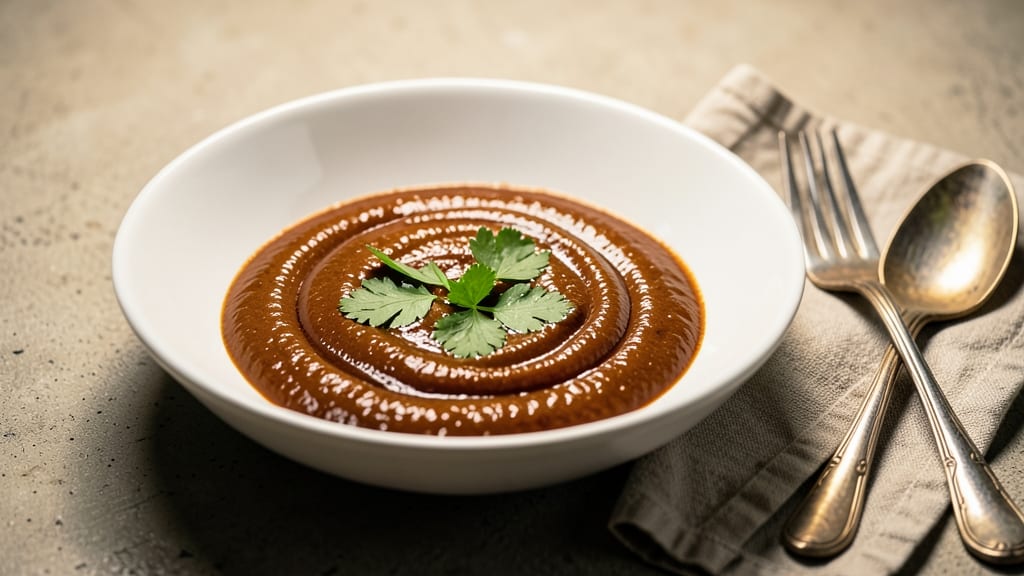
This au sauce recipe transforms simple ingredients into a velvety, aromatic emulsion that elevates everything from steak to roasted vegetables. The secret lies in balancing rich broth with garlic, herbs, and a touch of wine for depth—no complicated techniques required.
I developed this version after years of testing, and it delivers restaurant-quality results with just 20 minutes of active time.
What makes this sauce special is its versatility—it works as a drizzle, a dip, or a base for other sauces. The emulsion stays silky when properly tempered, and the garlic-herb blend adds layers of flavor without overpowering.
For thickening, I use a cornstarch slurry (just 1 tablespoon) to create the perfect consistency, but you can adjust to your preference.
The result is a sauce that’s rich yet balanced, with a velvety texture that clings beautifully to proteins and vegetables. It’s the kind of sauce that makes even simple meals feel like a gourmet experience.
Perfect for drizzling over grilled meats, roasted potatoes, or fresh bread, this emulsion is a game-changer for home cooks.
Once you master this technique, you’ll never buy store-bought au sauce again. The ingredients are simple—broth, wine, butter, and herbs—but the flavor impact is extraordinary. Let’s get started on creating your own velvety emulsion.
Ingredients for au sauce
Seven key ingredients transform into a silky, restaurant-quality au sauce.
| Ingredient | Amount | Notes |
|---|---|---|
| Unsalted Butter 🧈 | ¾ cup | Cold, cubed for emulsification |
| Shallots 🧅 | 3 whole | Minced finely for smooth texture |
| Garlic Cloves 🧄 | 4 cloves | Peeled, minced for aromatic depth |
| Fresh Thyme Leaves 🌿 | 1 tbsp | Or 1 tsp dried thyme |
| Fresh Parsley Leaves 🌱 | ¼ cup | Chopped, for fresh brightness |
| Dry Red Wine 🍷 | ½ cup | Bold variety like Cabernet |
| Beef Broth 💧 | 1 cup | Homemade or high-quality store-bought |
| All-Purpose Flour 🌾 | 1 tbsp | For cornstarch slurry |
| Water 💧 | 1 tbsp | For slurry mixture |
| Salt 🧂 | ½ tsp | Diamond Crystal preferred |
The butter is non-negotiable here—use unsalted for perfect seasoning control. European-style butter like Plugrá or President melts more smoothly than American brands. Shallots add subtle sweetness without overpowering, so don’t skip them. For the wine, any bold red works—Cabernet, Merlot, whatever’s open. The broth should be rich but not salty; Swanson or Pacific Foods are reliable choices if you’re not making your own. Fresh herbs make all the difference—farmers markets often have better quality than grocery stores, but use what you can find.
No red wine? Dry white wine or extra beef broth works in a pinch. Short on thyme? Fresh tarragon at half the amount gives a similar anise note. The cornstarch slurry is key for that velvety texture—mix it well to avoid lumps. For a dairy-free version, swap butter for vegetable shortening, though the flavor won’t be identical. The sauce thickens as it cools, so if it’s too thin, simmer gently for another minute. If too thick, whisk in a splash of warm broth to adjust.
This sauce keeps beautifully—5 days in the fridge sealed in a jar. For longer storage, freeze in 1-tablespoon portions for easy drizzling. Reheat gently over low heat, stirring constantly to prevent separation. Once cooled, the sauce will thicken slightly—just whisk in a teaspoon of warm water to restore silky consistency. The flavor actually improves overnight as everything melds together.
Why You’ll Love This Recipe
- No-Chop Nightmare: I swear by this sauce because the only prep is mincing two shallots and three garlic cloves—no peeling, no dicing, no mess. The butter melts in seconds, and suddenly you’ve got that golden, aromatic base without standing at the counter for 20 minutes.
- Herb Bomb: That first spoonful of finished sauce—where the thyme’s earthy punch meets the parsley’s bright finish—is what makes me reach for it every time. It’s the kind of flavor that lingers, making even simple proteins taste like you’ve spent hours in the kitchen.
- Leftovers That Shine: I make a double batch on Sundays because this sauce only gets better after sitting overnight. The flavors meld, and it’s my go-to for quick weeknight dinners—just reheat and drizzle. (Yes, even on a Tuesday night.)
- Budget Magic: A stick of butter, a handful of shallots, and fresh herbs? This sauce costs pennies to make but feels like a restaurant dish. I’ve turned cheap chicken thighs into something my picky eaters actually ask for seconds of—proof it works.
Step-by-step instructions for velvety garlic-herb emulsion
Here’s how to create a luxurious, restaurant-quality sauce that transforms simple dishes into showstoppers.
Create the Herb Butter Base
In a medium saucepan, melt the 0.75 cup unsalted butter over medium-low heat. Once fully melted and just beginning to foam, reduce heat to low to prevent browning. Add the 3 whole shallots and 4 cloves garlic cloves, stirring constantly for 2-3 minutes until the shallots soften and become translucent.
Here’s the thing—you want the garlic to infuse flavor without burning. I like to press down gently on the shallots with a wooden spoon during the first minute to ensure even cooking. Add the 1 tablespoon fresh thyme leaves and 0.25 cup fresh parsley leaves, stirring for another 30 seconds until the herbs are fragrant and wilted. Remove from heat immediately to preserve their vibrant color and prevent overcooking.
Build the Sauce Foundation
Return the pan to medium heat and carefully pour in the 0.5 cup dry red wine, scraping the bottom with a wooden spoon to release all those flavorful browned bits. Let it simmer for 3-4 minutes until reduced by half and slightly thickened. This deglazing step captures all the garlic-herb essence that would otherwise stick to the pan.
Add the 1 cup beef broth and bring to a gentle simmer. Sprinkle in the 1 tablespoon all-purpose flour and stir vigorously for 1 minute to eliminate any lumps. This creates a smooth, velvety texture without the need for heavy cream. Season with the 0.5 teaspoon salt and continue simmering for 5-6 minutes until the sauce thickens enough to coat the back of a spoon.
Emulsify for Silky Perfection
In a separate small bowl, whisk together the 1 tablespoon water and the remaining herb butter mixture from the saucepan. This creates a stable emulsion that won’t separate. Real talk: the key here is temperature control. You want both the sauce and the butter mixture to be at the same temperature—around 160°F—for a perfect blend.
Slowly drizzle the butter mixture into the simmering sauce while whisking continuously. The sauce should thicken dramatically and become glossy. If it looks too thin, simmer for another 1-2 minutes to reach your desired consistency. The final sauce should be smooth enough to drizzle elegantly yet coat proteins beautifully. Taste and adjust seasoning if needed—this is your chance to perfect the balance of garlic, herbs, and acidity.
Pro Tips For Making Au Sauce
- SWEAT SHALLOTS LOW: I learned this the hard way—rushing them on high heat turns them bitter. Use medium-low and let them bubble gently for 8-10 minutes until translucent and jammy. If they start to brown, you’ve gone too far.
- MINCE GARLIC FINE: No, not just chopped—press those cloves through a garlic press or mince them so finely they’re almost paste-like. This prevents bitter chunks and blends smoothly into the butter. (Yes, even if it looks like you’re making garlic confit.)
- SKIP THE BURNED THYME: Toss thyme leaves into the butter after the shallots are cooked, not at the start. If you add them early, they’ll crisp into bitter bits instead of releasing their bright, lemony aroma. A few seconds at the end is all they need.
- FINISH WITH COLD BUTTER: Take the pan off heat before adding the final knob of cold butter—it’ll melt instantly and coat everything evenly. If you melt it in the pan first, you’ll end up with a greasy, separated sauce. (I used to ignore this and wondered why my au sauce looked like a failed roux.)
Dietary considerations for this au sauce
Gluten-Free Adaptation
This au sauce is naturally gluten-free as written, but the flour slurry can be substituted with 1 tablespoon cornstarch mixed with 1 tablespoon water for thickening. For extra insurance, use certified gluten-free flour like Bob’s Red Mill 1-to-1—just ensure it’s cooked thoroughly to eliminate any raw flour taste.
The emulsion technique remains identical, so you’ll still achieve that velvety texture without gluten. 💛
Dairy-Free Version
Replace the 0.75 cup unsalted butter with 0.75 cup refined coconut oil (melted) or vegetable shortening for a dairy-free alternative. The flavor won’t be identical—coconut oil adds a subtle sweetness—but it works beautifully with roasted vegetables or grilled tofu.
For a richer option, use olive oil and add 1 tablespoon nutritional yeast to mimic umami depth. The emulsion technique stays the same, though coconut oil may require slightly more whisking to blend smoothly.
Low-Carb Keto
This sauce fits perfectly into a keto diet with minimal adjustments. Skip the flour entirely and thicken with 1 tablespoon xanthan gum mixed into the broth before simmering. Xanthan gum creates a silky texture without carbs—just ¼ teaspoon is enough to thicken 1 cup of liquid.
For extra flavor, add 1 teaspoon apple cider vinegar to balance the richness. The sauce pairs wonderfully with keto-friendly proteins like steak or chicken thighs, and the garlic-herb profile aligns perfectly with low-carb meal plans.
Allergen-Friendly Swaps
For nut allergies, avoid any nut-based thickeners and stick with cornstarch or xanthan gum as mentioned above. If you’re avoiding garlic or shallots, substitute with 1 teaspoon onion powder and 2 teaspoons minced garlic powder—though fresh garlic is irreplaceable for depth.
For a soy-free version, ensure your beef broth is soy-free (many store-bought brands contain soy). The wine can be swapped for dry white wine or extra broth if alcohol is a concern, though the red wine adds that special richness.
Vegetarian/Vegan Options
Transform this into a vegetarian sauce by using mushroom broth instead of beef broth and vegetable oil instead of butter. For a vegan emulsion, replace the butter with vegan butter like Miyoko’s or Earth Balance—these melt smoothly and create the same velvety texture.
Add 1 teaspoon smoked paprika to enhance depth when using mushroom broth. The sauce works beautifully drizzled over grilled portobello mushrooms or roasted eggplant, offering a rich, herby alternative to traditional au jus.
Nutrition facts
Frequently asked questions
What’s the difference between this au sauce and traditional au jus?
This emulsion-style sauce is richer and silkier than classic au jus because it incorporates melted butter for a velvety texture. Traditional au jus is typically just reduced meat drippings with wine, while this version adds herbs, shallots, and a cornstarch slurry for that restaurant-quality finish. The emulsion won’t separate like some heavier sauces.
Can I make this sauce without wine? What’s the best substitute?
Yes! Use ½ cup dry white wine or ½ cup beef broth plus 1 teaspoon balsamic vinegar for acidity. The wine adds depth, but the vinegar substitute works in a pinch. For complete alcohol-free, add an extra ½ teaspoon salt to compensate for flavor loss. The sauce will still taste delicious—just slightly less complex.
Why did my sauce separate? How can I fix it?
Separation usually happens when the sauce cools too quickly or if the butter wasn’t properly emulsified. To fix it, whisk in 1 tablespoon warm water while heating gently over low heat. For prevention, keep the sauce at 160°F during emulsification and whisk continuously. If it’s already separated, you can strain it through a fine-mesh sieve for a smoother texture.
What are the best proteins to pair with this sauce?
This sauce shines with steak (ribeye or filet mignon), chicken thighs, and lamb chops—anything with rich flavor that can stand up to its garlic-herb profile. It also works beautifully drizzled over roasted vegetables like Brussels sprouts or as a dip for crusty bread. For seafood, try it with grilled salmon or scallops for a lighter option.
How long will this sauce keep, and can I freeze it?
The sauce stays fresh for 5 days in the fridge when stored in an airtight container. For freezing, portion into 1-tablespoon servings and freeze for up to 3 months. Thaw overnight in the fridge—never at room temperature—and reheat gently over low heat, whisking constantly to restore its silky texture. The flavor actually improves after refrigeration as the ingredients meld together.

- Brine Pork Ribs Overnight Recipe: Fall-Apart Tenderness Without the Wait - November 29, 2026
- Chilli Sauce for Hot Dogs Recipe: Smoky-Sweet Glaze That Elevates Every Bite - November 29, 2026
- Broccili Salad Recipe: Crunchy, Creamy, and Crowd-Pleasing - November 29, 2026