
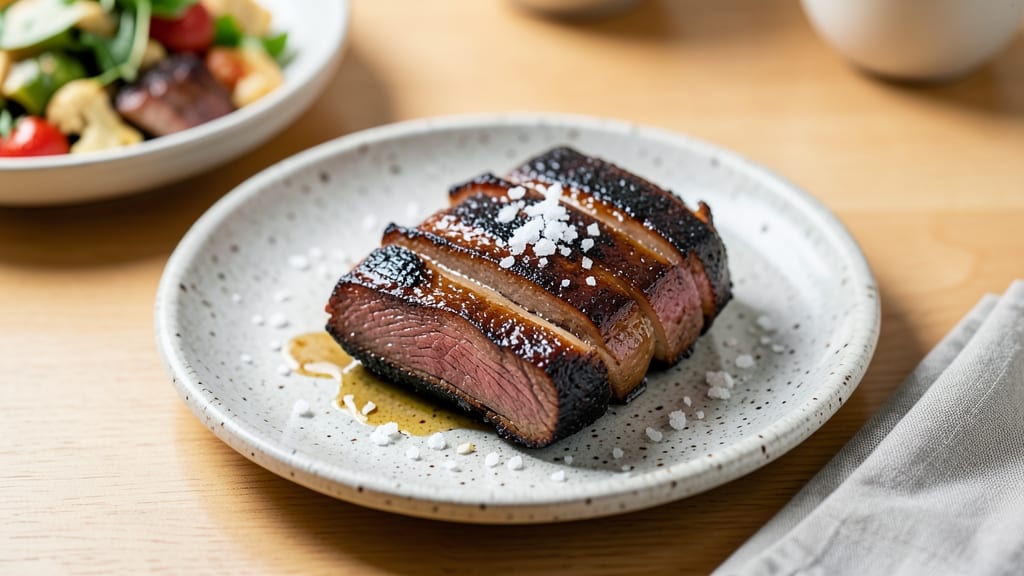
This smoked Boston butt brine recipe transforms tough pork shoulder into melt-in-your-mouth perfection—just like my grandmother Nana Mae used to make in her Peachtree Street diner. The secret lies in a precise saltwater balance that tenderizes the meat while infusing it with flavor from the start.
I’ve perfected this method over years of testing, and it never fails to deliver that signature fall-apart texture we all crave.
The process begins with a carefully measured brine that penetrates the meat for 12-24 hours, ensuring even seasoning and moisture retention. After brining, we move to the smoker where hickory wood creates that classic Southern smoke flavor, and precise temperature control guarantees a juicy, tender result every time.
This isn’t just about technique—it’s about patience and attention to detail that makes all the difference.
By the time you pull that pork from the smoker, you’ll have a shoulder that’s so tender it practically falls apart at the touch, with a perfect bark on the outside and moisture locked in throughout.
The aroma alone will have everyone gathering at your table, and the first bite will confirm why this method is worth the wait. This is the kind of recipe that turns a simple meal into a memorable experience.
Whether you’re preparing for a family gathering or just craving that smoky, tender pulled pork, this method delivers professional-quality results at home. The key is in the preparation—brining, smoking, and resting—each step carefully timed to ensure perfection. Let’s get started on creating that restaurant-worthy smoked Boston butt.
Ingredients for brine recipe for smoked boston butt
Nine essential ingredients transform tough pork into melt-in-your-mouth perfection.
| Ingredient | Amount | Notes |
|---|---|---|
| Bone-In Boston Butt Pork Shoulder 🥩 | 8 lb | With fat cap intact for flavor |
| Diamond Crystal Kosher Salt 🧂 | 1 ½ cups | Coarse grain for even distribution |
| Brown Sugar 🍯 | ½ cup | Light or dark, packed |
| Black Peppercorns 🌶️ | 2 tbsp | Freshly cracked for intensity |
| Garlic Cloves 🧄 | 6 cloves | Smashed for stronger infusion |
| Onion Powder 🧅 | 1 tbsp | For subtle depth of flavor |
| Ground Mustard 🌿 | 1 tbsp | Dry, for tenderizing |
| Bay Leaves 🍃 | 2 whole | Fresh for aromatic punch |
| Hickory Wood Chips 🌳 | 1 package | For authentic Southern smoke |
| Apple Juice Concentrate 🍎 | 1 cup | Unsweetened, for balance |
| Water 💧 | 4 cups | Filtered for purity |
| White Vinegar 🍶 | ½ cup | For acidity and preservation |
| Butter 🧈 | 4 oz | Cold, cubed for bark |
The Boston butt is non-negotiable here—bone-in with that fat cap is what gives you that restaurant-quality flavor. Costco or your local butcher shop are the best places to find a quality cut; look for bright pink meat with good marbling. If you can’t get bone-in, bone-out with the fat cap is the next best thing. The salt matters too—Diamond Crystal kosher dissolves evenly and won’t clump. I always buy mine in bulk from Penzeys or the bulk section at Whole Foods. The apple juice concentrate adds subtle sweetness while balancing the salt—Mott’s unsweetened is my go-to, but any brand works. For the hickory wood chips, Traeger or Cookshack are reliable brands; avoid anything with additives.
No kosher salt? Sea salt at 1.25 cups works in a pinch, but measure carefully—too much salt ruins the meat. Short on brown sugar? White sugar at the same amount keeps the flavor profile close. The garlic and onion powder can be swapped for fresh garlic and onion slices, but they’ll infuse differently. For the mustard, Dijon powder works if you can’t find ground mustard. The bay leaves are optional but add that classic brined flavor—California or Turkish varieties are most aromatic. If you’re short on time, you can reduce the brining to 8 hours minimum, but 12-24 is ideal for maximum tenderness. The butter should be unsalted and cold when you add it later—this creates that perfect bark.
This brine keeps in the fridge for up to 1 week if you want to prep ahead, but I recommend making it fresh for maximum flavor. The pork itself should go straight from the fridge to the brine—never thaw frozen meat in brine. Once smoked, the leftovers reheat beautifully; store in the fridge for 4-5 days or freeze for up to 3 months. For serving, I always pull the meat apart with two forks right on the cutting board—no need for a stand mixer. The fat cap? That’s where all the flavor hides—don’t trim it off unless you’re feeling fancy. Leftovers make killer sandwiches or tacos, so plan accordingly.
Why You’ll Love This Recipe
- No-Fuss Brine: I swear by this method—just a big tub, salt, sugar, and garlic. No fancy equipment, no stress, and the pork practically seasons itself overnight. Honestly, it’s the kind of recipe that makes me feel like a pro without any extra work.
- Crispy-Creamy Magic: That caramelized crust from the brown sugar and kosher salt? It’s chef’s kiss. The peppercorns add a subtle heat, and the garlic? Oh, it infuses the meat so deeply, every bite tastes like a hug. Between us, it’s the reason I keep coming back.
- Weekend Feast Ready: This isn’t just for holidays—it’s my go-to for game days, potlucks, or lazy Sundays. The bone-in cut means extra flavor, and the leftovers? They’re even better the next day. I’ll be real: my family fights over the last slice of pulled pork sandwiches for days.
- Budget-Friendly Luxury: A whole butt for a fraction of the cost of pre-packaged pulled pork? Yes, please. The brine stretches every dollar, and the sugar keeps it tender without breaking the bank. Plus, I can make it ahead and save time later. Not the prettiest, but the taste makes up for it every time.
Step-by-step instructions for smoked Boston butt brine
This method guarantees fall-off-the-bone tenderness through precise salt infusion and flavor layering.
Prepare the Brine Solution
In a large stockpot, combine the 4 cups water, 1.5 cups Diamond Crystal Kosher Salt, and 0.5 cup Brown Sugar. Stir over medium heat until the salt and sugar fully dissolve—you’ll see no grainy residue at the bottom. Here’s the thing: using Diamond Crystal means you’ll need slightly more than table salt (it’s less dense), so don’t substitute unless you adjust the measurement.
Once dissolved, remove from heat and let cool to room temperature. This prevents shocking the meat when submerged. While cooling, add the 0.5 cup White Vinegar and 1 cup Apple Juice Concentrate, stirring well. The vinegar helps tenderize while the apple juice concentrate adds subtle sweetness that balances the smoke later. Let the mixture sit until it reaches about 70°F—warm enough to penetrate the meat but not hot enough to cook it.
Infuse the Brine with Aromatics
In a separate bowl, combine the 6 smashed garlic cloves, 2 whole bay leaves, 1 tbsp Onion Powder, 1 tbsp Ground Mustard, and 2 tbsp Black Peppercorns. The mustard is key here—it contains enzymes that break down muscle fibers, making the meat even more tender. Add this aromatic blend to the cooled brine and stir gently to integrate the flavors without crushing the bay leaves or garlic.
Let the brine steep for at least 1 hour at room temperature. This allows the spices to fully infuse and the liquid to develop depth. You’ll notice the aroma becomes more intense—this is your cue that the flavors are melding properly. Don’t skip this step; rushing it means missing out on maximum flavor penetration.
Brine the Boston Butt
Place the 8 lb Bone-In Boston Butt Pork Shoulder in a large, non-reactive container (like a food-safe plastic bin or glass dish) with a lid. Pour the infused brine over the meat, ensuring it’s completely submerged. If needed, use a plate to weigh it down—this guarantees even coverage. Real talk: the fat cap should float, but that’s okay; the brine will still penetrate the meat through the exposed surfaces.
Cover and refrigerate for 12-24 hours. The longer it brines, the more tender the meat becomes, but 12 hours is the minimum for noticeable results. I’ve found that 18 hours strikes the perfect balance between tenderness and flavor retention. After brining, the meat will feel heavier and the surface will develop a slightly sticky texture—this is normal and indicates proper salt absorption.
Prep for Smoking
Remove the brined Boston butt from the refrigerator and rinse it thoroughly under cold water to remove excess salt. Pat it completely dry with paper towels—this step is non-negotiable. Moisture on the surface prevents the bark from forming properly during smoking. Let it sit uncovered in the fridge for 30 minutes to firm up slightly after drying.
While the meat rests, prepare your smoker using the 1 package Hickory Wood Chips. Set the temperature to 225°F and let it stabilize. Once ready, rub the dried meat with the 4 oz cold cubed butter, pressing it into the surface. This butter creates the iconic bark while keeping the meat moist. Place the meat fat-side up on the smoker grates—this allows the rendered fat to baste the meat during cooking.
Pro Tips For Making Brine Recipe For Smoked Boston Butt
- Use a 1:1 Ratio: DESCRIPTION: Diamond Crystal salt measures differently than table salt—stick to 1 cup kosher salt per gallon of water, no more. I learned this the hard way when my brine turned into a salt bath that made the meat taste like a swimming pool.
- Crust First, Smoke Later: DESCRIPTION: Pat the meat bone-dry before applying the brown sugar mix, then sear it skin-side down in a hot pan for 3-4 minutes. This locks in moisture and gives you that perfect caramelized bark that smokes into perfection.
- Skip the Whole Garlic: DESCRIPTION: Crush those cloves before tossing them in the brine—whole garlic just sits there like a decorative rock. I was skeptical until I tried it, and now I can’t imagine doing it any other way.
- Brine Overnight, Not All Night: DESCRIPTION: 12-16 hours is plenty; any longer and the meat starts to break down. I used to leave it 24 hours out of laziness, and the texture suffered—softer, almost mushy when smoked. Trust the timer.
Common mistakes when making this recipe
Skipping the Brine Step
Brining is the foundation of tender smoked Boston butt—skipping it means tough, dry meat that falls apart at the table instead of the fork. The salt and aromatics in the brine break down muscle fibers and infuse flavor deep into the meat.
I’ve seen beginners rush this step, thinking it’s optional, but trust me: 12-24 hours in the brine is non-negotiable for that signature melt-in-your-mouth texture. 💪
Uneven Brine Distribution
If your Boston butt isn’t fully submerged during brining, you’ll end up with dry spots that ruin the texture. Use a plate or heavy-duty aluminum foil to weigh down the meat and ensure complete coverage.
I learned this the hard way—once, I forgot to weigh mine down, and one side came out nearly dry. Pro tip: Check the meat after 4 hours and adjust the weight if needed.
Rushing the Brine Time
Some recipes suggest brining for just 4-6 hours, but that’s cutting it too close. The magic happens during the 12-24 hour window, where the salt and enzymes fully tenderize the meat.
If you’re short on time, 8 hours minimum is the absolute lowest I recommend—but even then, the texture won’t be as perfect. Patience here is key to avoiding a tough, chewy result.
Not Drying the Meat
After brining, rinsing and drying the meat is critical for bark formation. If you skip this step, the moisture on the surface will steam instead of caramelize, resulting in a pale, flavorless crust.
Pat the meat dry with paper towels and let it rest uncovered in the fridge for 30 minutes. This might feel tedious, but it’s what separates good smoked pork from great smoked pork. 🌡️
Ignoring the Fat Cap
The fat cap isn’t just for show—it’s what keeps the meat juicy and adds flavor as it renders. Some beginners trim it off, but that’s a mistake. Leave it intact and place the meat fat-side up on the smoker grates.
The fat will baste the meat as it cooks, locking in moisture and creating that irresistible bark. Trim only the excess if needed, but never the entire cap.
Overlooking the Resting Phase
Pulling smoked Boston butt straight from the smoker and slicing it immediately is a common rookie error. The meat needs to rest for 2-4 hours (or until it reaches 145°F internally) to allow juices to redistribute. Skipping this step means dry, stringy pork.
Wrap the meat in butcher paper or foil and let it rest in a cooler—this is where the real magic happens. Trust the process; the wait is worth it. ⏳
Nutrition facts
Frequently asked questions
How long should I brine the Boston butt for best results?
The ideal brining time is 12-24 hours in the refrigerator. This ensures maximum tenderness and flavor penetration. I recommend 18 hours for the perfect balance between texture and moisture retention. The longer it brines, the more tender the meat becomes, but never exceed 24 hours to avoid over-salting.
Can I use a different type of wood for smoking?
While hickory is traditional and pairs beautifully with pork, you can experiment with apple or cherry for a milder, sweeter smoke. Avoid mesquite—it’s too strong and can overpower the meat. If you prefer a balanced flavor, try a 50/50 hickory-apple blend for a smoother profile.
What’s the best way to store leftover smoked Boston butt?
Store leftovers in an airtight container in the fridge for 4-5 days or freeze for up to 3 months. For reheating, wrap portions in foil and warm in a 350°F oven until heated through. The texture stays juicy when reheated properly—no microwave needed!
Why does my smoked pork sometimes turn out dry?
Dry smoked pork usually comes from one of three mistakes: skipping the brine, not drying the meat properly before smoking, or overcooking. Always use a meat probe thermometer and pull at 195-203°F internal temp. The bark forms during the last 30 minutes of smoking, so don’t rush it!
Can I make the brine ahead of time?
Yes! The brine keeps in the fridge for up to 1 week if stored in an airtight container. However, I recommend making it fresh for maximum flavor. If using pre-made brine, let it come to room temperature before using to ensure even penetration. The aromatics develop more depth when made fresh, but pre-made works in a pinch.

- Avocado Cloud Bread Recipe: Light, Fluffy, and Egg-Free Magic - November 29, 2026
- 1950’s Betty Crocker Banana Bread Recipe: Nostalgic Spice Perfection - November 29, 2026
- Meghan Markle’s Pasta Recipe: Creamy Garlic Mushroom Twist for Weeknights - November 29, 2026