
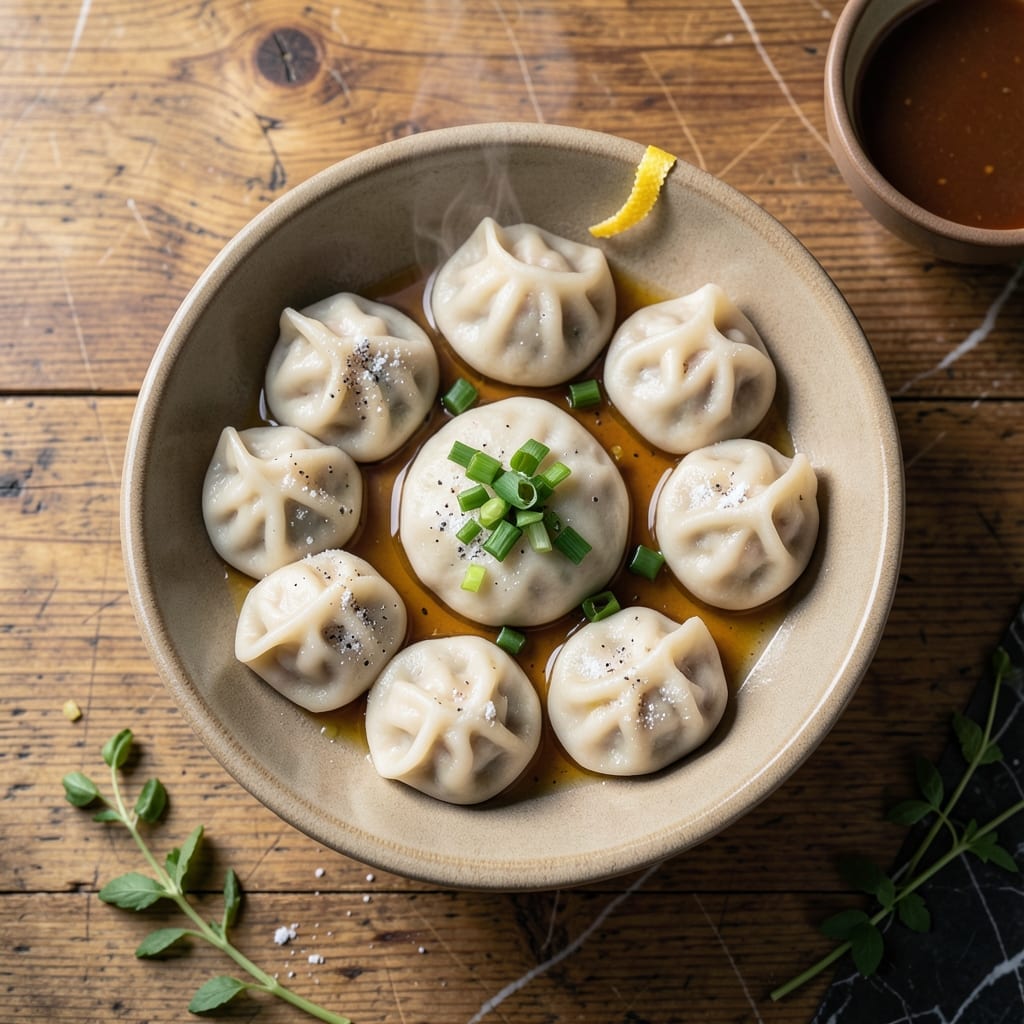
I’ve perfected a dumpling recipe that delivers pillowy softness without a drop of dairy. The secret lies in a simple swap that keeps the dough tender and pliable, proving that rich texture doesn’t require milk.
This method relies on warm water and a touch of oil to create an elastic dough that’s easy to shape and steam. The result is light, fluffy dumplings that hold their form beautifully, whether boiled, pan-fried, or steamed.
Each bite offers a delicate, slightly chewy consistency that pairs perfectly with savory fillings or broths. The absence of milk doesn’t compromise flavor—it enhances the pure, clean taste of the dough itself.
Ideal for vegetarian diets or anyone avoiding dairy, this approach ensures consistent, restaurant-quality results every time. Here’s how to achieve it.
Ingredients for Dumpling Recipe Without Milk
Pantry staples and fresh aromatics create these tender, dairy-free dumplings with ease.
| Ingredient | Amount | Notes |
|---|---|---|
| All-Purpose Flour 🌾 | 3 cups | Plus extra for dusting |
| Warm Water 💧 | 1 ¼ cups | About 110°F for activation |
| Vegetable Oil 🫒 | 2 tbsp | Neutral flavor preferred |
| Salt 🧂 | 1 tsp | Fine sea salt preferred |
| Baking Powder 🧂 | 1 tsp | For extra lift in dough |
| Ground White Pepper 🌶️ | ¼ tsp | Optional for subtle heat |
| Green Onions 🧅 | 4 whole | Thinly sliced for filling |
| Garlic Cloves 🧄 | 3 cloves | Minced for filling |
| Ginger Root 🌿 | 1 tbsp | Fresh, grated |
| Cabbage 🥬 | 2 cups | Finely shredded |
| Soy Sauce 🫒 | 2 tbsp | Low-sodium if preferred |
| Sesame Oil 🫒 | 1 tsp | For finishing flavor |
The flour is the foundation—King Arthur or Bob’s Red Mill all-purpose give consistent results. Warm water temperature matters (think bathwater, not hot tub) to activate the gluten properly. The vegetable oil keeps the dough pliable; avocado oil works too if you prefer. Look for baking powder without aluminum for a cleaner taste. Most supermarkets carry suitable brands in the baking aisle.
No green onions? Chives at half the amount add similar freshness. Swap cabbage for shredded napa cabbage or even carrots for a different texture. Tamari works as a gluten-free soy sauce alternative. If you’re missing ginger, ground ginger at one-third the amount can substitute, though fresh is ideal. The dough itself can handle a bit of improvisation—just keep the liquid-to-flour ratio steady.
Fresh dumplings keep in the fridge for 24 hours (covered tightly) or freeze on a tray before bagging for 3 months. Cook from frozen—just add 2-3 minutes to steaming time. The filling veggies can be prepped a day ahead and stored separately.
Why You’ll Love This Recipe
- No-Fuss Mixing: I just stir flour, water, oil, and a pinch of salt—no milk, no mess, no stress.
- Crispy Yet Tender: The baking powder gives them that light, airy bite with a golden, crisp edge.
- Pantry Staples Only: Flour, water, oil—things I always have. Honestly, it’s the cheapest comfort food I know.
Step-by-Step Instructions for Dumpling Recipe Without Milk
These steps ensure perfectly tender, dairy-free dumplings with a flavorful filling every time.
Step 1: Prepare the Dough
In a large mixing bowl, combine the 3 cups All-Purpose Flour, 1 tsp Salt, 1 tsp Baking Powder, and 0.25 tsp Ground White Pepper. Whisk until evenly distributed. This dry mixture creates the foundation for a soft, pillowy texture.
Create a well in the center and add the 1.25 cups Warm Water and 2 tbsp Vegetable Oil. Use a wooden spoon to stir the mixture until it forms a shaggy dough. The water should be about 110°F to activate the baking powder properly.
The dough will be slightly sticky but should pull away from the sides of the bowl. If it feels too wet, add a sprinkle of flour; if too dry, a teaspoon of water will help.
Step 2: Knead and Rest the Dough
Turn the dough onto a lightly floured surface and knead for 8-10 minutes until smooth and elastic. I press the dough with the heel of my hand, fold it over, and rotate it a quarter turn with each motion. You’ll know it’s ready when the surface feels satiny and springs back when poked.
Shape the dough into a ball, place it back in the bowl, and cover with a damp towel. Let it rest for 30 minutes at room temperature. This resting period relaxes the gluten, making the dough easier to roll out and preventing it from shrinking when shaped.
Step 3: Prepare the Filling
While the dough rests, make the filling. In a large bowl, combine the 2 cups Cabbage (finely shredded), 4 whole Green Onions (thinly sliced), 3 cloves Garlic Cloves (minced), 1 tbsp Ginger Root (freshly grated), 2 tbsp Soy Sauce, and 1 tsp Sesame Oil. Mix thoroughly until all ingredients are well coated.
The filling should be moist but not watery. If the cabbage releases a lot of liquid, squeeze it gently in a clean towel to remove excess moisture before mixing. This prevents soggy dumplings.
Step 4: Assemble the Dumplings
Divide the rested dough into 4 equal portions and roll each into a long cylinder about 1 inch in diameter. Cut each cylinder into 8-10 pieces to create small dough rounds. Roll each piece into a ball, then flatten into a 3-inch circle with a rolling pin, keeping the edges slightly thinner than the center.
Place a spoonful of filling (about 1 tbsp) in the center of each dough circle. Fold the edges up and pleat them together, pinching to seal tightly. The dumpling should resemble a small pouch. Ensure the seal is secure to prevent the filling from leaking during cooking.
Step 5: Cook the Dumplings
Heat a large non-stick skillet over medium-high heat and add 1 tbsp Vegetable Oil. Arrange the dumplings in a single layer, pleated side up, and cook for 2-3 minutes until the bottoms turn golden brown.
Add ½ cup water to the skillet, cover immediately, and reduce the heat to medium-low. Steam the dumplings for 8-10 minutes until the water evaporates and the wrappers are translucent. Remove the lid and cook for another 1-2 minutes to crisp the bottoms again. Serve hot with extra soy sauce if desired.
Pro Tips For Making Dumpling Recipe Without Milk
- Use Hot Water: Warm water—around 110°F—activates the baking powder better than lukewarm, giving your dumplings that light, fluffy texture. I learned this the hard way after making dense dumplings with tepid water.
- Don’t Overmix: Stir the dough just until it comes together—about 20-30 seconds. Overworking it develops gluten, and your dumplings will turn out tough instead of tender.
- Rest the Dough: Let the dough sit for 5-10 minutes before shaping. This relaxes the gluten and makes rolling easier, so you’re not fighting springy dough that shrinks back.
- Oil the Water: Add 1 tablespoon of vegetable oil to your warm water before mixing. Sounds small, but it makes the dough smoother and less sticky, so you won’t need extra flour that can dry them out.
Troubleshooting Great dumpling recipe without milk
Dough Too Sticky
If your dough feels like wet cement, don’t panic—just add 1-2 tbsp flour at a time while kneading. I often keep a small bowl of flour nearby. Work it in completely before deciding if more is needed. 💡
Dough Too Dry
When the dough cracks or feels like Play-Doh, sprinkle in 1 tsp warm water at a time. Knead thoroughly between additions. The goal is a smooth, elastic texture that springs back when poked.
Dumplings Fall Apart
This usually means the dough wasn’t rested long enough. Let it sit for the full 30 minutes—this relaxes the gluten. Also, ensure you’re not overfilling; 1 tbsp per dumpling max. Pinch edges tightly with a bit of water as glue.
Soggy Bottoms
If your dumplings steam instead of crisp, use medium-high heat and ensure the pan is hot before adding them. After steaming, uncover and cook 1-2 minutes more to evaporate excess moisture. A well-seasoned cast iron skillet works best.
Filling Leaks Out
Prevent this by squeezing excess liquid from your cabbage before mixing. Also, seal edges tightly by pressing and twisting. If you’re new to pleating, start with simple half-moon shapes—they’re easier to close securely. 🔥
Dumplings Stick Together
Dust your work surface and dumplings with flour before assembling. After shaping, place them on a floured tray, not touching. If freezing, freeze solid on the tray first, then transfer to a bag to prevent sticking.
Nutrition Facts
Frequently Asked Questions
Can I use water instead of milk in dumplings?
Warm water works perfectly and creates a soft, elastic dough when combined with flour and oil. The key is using water at 110°F to properly activate the baking powder for lift.
What can I substitute for milk in dumpling dough?
Many dairy-free liquids work well. Water is simplest, but unsweetened plant milks like almond or soy can add subtle flavor. Use the same 1.25 cups measurement as the recipe calls for.
Why did my dairy-free dumplings turn out tough?
Over-kneading or not resting the dough for the full 30 minutes often causes this. The resting period relaxes the gluten, ensuring tender results. Knead just until smooth, then let it rest covered.
How do I prevent dumplings from sticking when cooking?
Use medium-high heat and ensure your pan is hot before adding dumplings. After steaming, cook uncovered for 1-2 minutes to crisp the bottoms. A well-seasoned pan helps too.

- Peanut Brittle Recipe With Dry Roasted Peanuts: Crunchy Caramelized Sweetness - October 7, 2026
- Peanut Butter and Banana Bread Recipe UK: Moist Crumb With Nutty Swirls - October 7, 2026
- Frittata Recipe Oven: Fluffy Eggs with Crisp Golden Top - October 7, 2026