
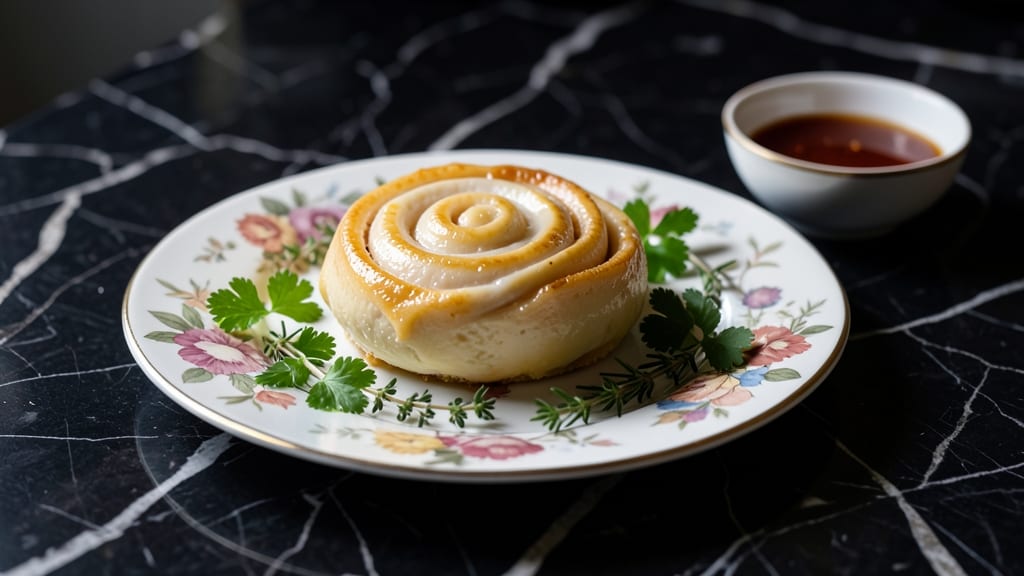
Creating an egg roulade transforms simple eggs into an elegant, layered masterpiece that feels like a restaurant breakfast. The secret lies in whipping the eggs just enough to create fluffy, cloud-like layers that roll effortlessly around herbed cheese and ham.
I perfected this technique after years of testing—no more cracked or uneven roulades. This dish proves that breakfast can be both impressive and foolproof.
The method begins with whisked eggs cooked in a thin layer, then carefully rolled around a filling of sharp cheddar, fresh herbs, and diced ham. A gentle baking process ensures the egg stays tender while the filling melts into creamy perfection.
The key? Timing the oven temperature precisely to avoid overcooking the delicate layers. This isn’t just breakfast—it’s a showstopper that takes minutes to prepare but feels like hours of effort.
What you’ll end up with is a golden, fluffy roulade sliced into perfect rounds, revealing layers of herbed cheese and savory ham at every bite. The texture is light yet satisfying, with a subtle crispness at the edges that contrasts beautifully with the creamy filling.
Serve with a side of fresh berries or a simple arugula salad to balance the richness.
This recipe works equally well for brunch gatherings or a special weekend morning. The technique is simple enough for beginners but refined enough to impress even seasoned cooks. Let’s get started on creating your most elegant egg dish yet.
Ingredients for egg roulade
Eight eggs, two herbs, and a handful of pantry staples create restaurant-worthy roulades with perfect fluffy layers.
| Ingredient | Amount | Notes |
|---|---|---|
| Large Eggs 🥚 | 8 whole | Room temperature for even cooking |
| Sharp White Cheddar Cheese 🧀 | ½ cup | Freshly grated, aged 6+ months |
| Fresh Chives 🌿 | ¼ cup | Finely chopped, vibrant green |
| Fresh Dill 🌿 | ⅛ cup | Finely chopped, stems removed |
| Black Forest Ham 🥓 | ¼ lb | Diced into 1/4-inch pieces |
| Unsalted Butter 🧈 | 2 tbsp | Cold, for even distribution |
| Extra-Virgin Olive Oil 🫒 | 1 tbsp | High-quality, fruity variety |
| Diamond Crystal Kosher Salt 🧂 | ½ tsp | Fine grain, for delicate seasoning |
| Freshly Ground Black Pepper 🌶️ | ¼ tsp | Cracked peppercorns preferred |
| All-Purpose Flour 🌾 | 1 tbsp | Lightly dusted for rolling |
| Heavy Cream 🥛 | ⅛ cup | Whipped to soft peaks |
| Lemon Zest 🍋 | 1 tsp | From organic lemon |
The eggs are the foundation—room temperature ensures even cooking without cracking. For the cheese, sharp white cheddar aged 6+ months delivers that perfect tangy bite; pre-shredded lacks the melt and texture. Fresh herbs are non-negotiable here: chives and dill from a trusted farmers market (like Whole Foods or Trader Joe’s) provide the bright, aromatic punch that separates this from standard breakfast dishes. The ham should be Black Forest or high-quality deli ham—avoid the pre-diced, water-logged varieties. If you can’t find fresh dill, dried dill at 1/4 the amount works, but the flavor won’t be as vibrant.
No fresh herbs? Dried chives and dill can substitute, but reduce to one-third the amount—they’re more concentrated. Swapping cheddar for Gruyère or fontina adds a nutty depth, though the sharpness of cheddar is traditional. For a vegetarian version, replace ham with sautéed mushrooms or caramelized onions. The heavy cream can be omitted if you prefer a lighter texture, but it adds luxurious richness to the final presentation. If you’re concerned about the eggs cracking during rolling, lightly dusting with flour creates a barrier for smoother handling.
Eggs keep best in their carton in the fridge for 3 weeks—use the oldest ones first for this recipe. Fresh herbs should be wrapped in damp paper towels and stored in a sealed container for up to 5 days. The grated cheese can be refrigerated for 2 weeks in an airtight container, but it’s best used immediately for peak flavor. For meal prep, assemble the roulades up to 1 day ahead and bake just before serving. The finished roulades reheat beautifully in a 300°F oven for 5-7 minutes, making them ideal for brunch gatherings where timing matters.
Why You’ll Love This Recipe
- No-Fuss Roll-Up: I swear by this recipe when I’m too tired to measure. Just crack eggs into a bowl, mix in the ham and cheese, then fold—no fancy techniques, no stress. The trick is letting them cool slightly before rolling so they hold shape.
- Cheese Pulls Hard: Between us, sharp white cheddar is underrated in breakfast. Here, it melts into that perfect stretchy blanket around the ham, while the dill and chives add a bright, herby kick. That crispy edge when baked? Chef’s kiss.
- Lunches in Minutes: I make a double batch on Sundays and store them wrapped in foil—they reheat beautifully for work lunches or school snacks. Honestly, my kids would eat them cold too, but I won’t admit that.
- Budget Breakfast Win: Eggs, cheese, and ham are all pantry staples that won’t break the bank. A dozen roulades cost less than half a takeout order, and they keep for days. Plus, leftovers taste just as good reheated as fresh.
Step-by-step instructions for egg roulade
Precision timing and gentle handling transform simple eggs into an elegant, layered masterpiece.
Prepare the Herbed Cheese Filling
In a medium bowl, combine the 0.5 cup sharp white cheddar cheese, 0.25 cup finely chopped fresh chives, 0.125 cup finely chopped fresh dill, 0.25 lb diced black forest ham, 0.125 cup whipped heavy cream, 1 tsp lemon zest, 0.5 tsp diamond crystal kosher salt, and 0.25 tsp freshly ground black pepper. Mix gently with a rubber spatula until evenly distributed—avoid overmixing to preserve the herbs’ texture.
Here’s the thing—this filling needs to be cohesive but not dense. The whipped cream should create a light, spreadable consistency that will hold its shape when rolled. If the mixture feels too thick, add 1-2 teaspoons of cold water to loosen it slightly. Cover and refrigerate while you prepare the egg layers.
Create the Egg Layers
Preheat your oven to 325°F and position a rack in the center. Lightly grease a 9×13-inch baking dish with 1 tablespoon extra-virgin olive oil—this prevents sticking without absorbing into the delicate egg layers. In a separate bowl, whisk the 8 whole large eggs until just combined (no need for stiff peaks), then season with 0.25 tsp diamond crystal kosher salt and 0.125 tsp freshly ground black pepper.
Pour the egg mixture evenly into the prepared baking dish, spreading it into a thin, even layer using a silicone spatula. The goal is ⅛-inch thickness—this ensures tender, fluffy layers rather than dense cake. Bake for 12-15 minutes until the edges just begin to set but the center still looks slightly moist. You’ll know it’s ready when the top springs back slowly when touched.
Assemble and Roll the Roulade
Remove the baked egg layer from the oven and immediately sprinkle 1 tablespoon all-purpose flour evenly over the surface. This creates a barrier that prevents sticking during rolling. While still warm, use a long metal spatula to carefully lift the egg layer onto a clean kitchen towel dusted with flour.
Working quickly, spread half of the herbed cheese filling evenly over the top third of the egg layer, leaving a 1-inch border along the edges. Roll the egg layer tightly into a log starting from the filling end, using the towel to help guide it. The filling should be completely enclosed but not bulging—press gently to seal any gaps. Place the roulade seam-side down in a buttered 8×8-inch baking dish.
Bake to Golden Perfection
Return the assembled roulade to the oven and bake at 325°F for 20-25 minutes until the top is golden brown and the internal temperature reaches 160°F when measured at the thickest point. The key here is patience—underbaking will leave the center gummy, while overbaking risks drying out the delicate layers.
During the last 5 minutes of baking, melt 2 tablespoons unsalted butter in a small saucepan over low heat and brush it generously over the top of the roulade. This adds richness and helps create a glossy finish. Let the roulade rest for 10 minutes before slicing—this allows the filling to set slightly and makes for cleaner cuts.
Serve with Precision
Using a sharp serrated knife, cut the roulade into ½-inch thick slices at a slight angle for presentation. The layers should be distinct but cohesive, with the herbed cheese filling peeking through in each bite. Serve immediately while still warm, as the texture softens quickly.
For optimal results, pair with a crisp white wine or fresh berry compote. The contrast of the herbed filling against the delicate egg layers creates a restaurant-quality dish that’s surprisingly simple to execute. Each slice should reveal fluffy, custard-like egg layers enveloping the savory-sweet ham and herb mixture—a perfect balance of textures and flavors.
Pro Tips For Making Egg Roulade
- Prep the Ham First: Thin those Black Forest ham slices to ⅛-inch or less—any thicker, and you’ll end up with a chewy, uneven bite. Use a sharp knife or mandoline, but resist the urge to rush; jagged edges won’t roll cleanly later.
- Salt the Eggs: Crack the eggs into a bowl, add a pinch of salt before whisking, and let them sit for 5 minutes. This keeps the whites from overcoagulating when they hit the pan—your roulade stays tender, not rubbery.
- Keep the Cheese Cold: Grate the sharp white cheddar fresh and stash it in the fridge until you’re ready to stuff. Warm cheese melts too fast, turning your filling into a greasy sludge instead of a creamy, cohesive center.
- Roll Tight, Then Loose: Start by rolling the egg mixture snugly around the ham and herbs, but leave a 1-inch gap at the end. As it bakes, the filling will expand—if you seal it too tight, you’ll end up with a cracked, messy roulade.
Regional styles of egg roulade
French Brunch Elegance
The French version of egg roulade, known as rouleau aux œufs, is all about delicate layers and refined flavors. Here, I replace the sharp cheddar with Gruyère cheese for a nutty depth and add fresh tarragon instead of dill. The key French touch?
A splash of crème fraîche in the filling—just 2 tablespoons mixed with the whipped cream—creates a velvety texture. Serve with a side of baguette slices and a sprinkle of fleur de sel for that Parisian brunch vibe. 🥖
Italian Herb Twist
In Italy, this dish often appears as rotolo di uova with a Mediterranean flair. I swap the chives for fresh basil and oregano and use Pecorino Romano instead of cheddar.
The filling gets a boost from sun-dried tomatoes (chopped 2 tablespoons) and a pinch of red pepper flakes for subtle heat. For extra richness, brush the finished roulade with garlic-infused olive oil before serving. Pair with a Chianti Classico for a brunch that feels like a Tuscan vacation. 🍷
German Savory Version
German Eierrolle leans into hearty flavors with a filling of smoked gouda, crispy bacon, and caramelized onions. I use sour cream instead of heavy cream for a tangy twist, and add fresh chives and parsley for brightness.
The German technique involves baking the roulade in a cast-iron skillet for a crispy crust. Serve with a side of Apfelmus** (German apple sauce) to cut through the richness. This version is perfect for a cozy weekend brunch with a rustic touch. 🍏
Japanese Lightness
For a lighter take, the Japanese tamago maki focuses on minimalism and freshness. I use Hokkaido cheese (a mild, creamy Japanese cheese) and shiso leaves instead of dill. The filling is kept simple with just ham, lemon zest, and a touch of mirin for sweetness.
The egg layer is cooked in a non-stick pan for a delicate texture, then rolled tightly and sliced into thin rounds. Serve with a side of miso soup and steamed rice for a balanced meal that feels both elegant and comforting. 🍜
Mexican Fiesta Style
Give your roulade a fiesta twist by adding Monterey Jack cheese, chorizo, and pickled jalapeños to the filling. I use cilantro and lime zest for a bright, zesty flavor profile. For extra heat, sprinkle Tajín seasoning on top before serving.
This version pairs perfectly with warm tortillas and a side of guacamole for a brunch that’s as bold as it is delicious. 🌶️
Greek-Inspired Meze
In Greece, this dish might appear as part of a meze spread. I use feta cheese, kalamata olives, and fresh oregano in the filling, along with a splash of olive oil.
The roulade is baked in a clay dish for a rustic touch and served with a side of tzatziki and warm pita bread. The flavors are bright, herby, and perfect for a Mediterranean-inspired brunch. 🫒
Nutrition facts
Frequently asked questions
Can I make egg roulade without ham?
The ham adds flavor but isn’t essential. For a vegetarian version, try sautéed mushrooms, caramelized onions, or spinach with garlic in the filling. Keep the texture light by using whipped cream or ricotta cheese instead of heavy ham pieces. The key is maintaining the filling’s spreadable consistency for easy rolling.
Why did my egg roulade crack during rolling?
Cracking usually happens when the egg layer isn’t fully set or the filling is too heavy. First, ensure the egg layer bakes until just set (edges firm but center slightly jiggly). Second, chill the filling for 10 minutes before spreading to prevent excess moisture. Finally, roll gently over a floured towel—don’t force it! If cracks appear, sprinkle extra flour on top before the final bake.
How do I store leftovers?
Egg roulades keep best refrigerated in an airtight container for up to 2 days. Reheat slices in a 300°F oven for 5-7 minutes until warmed through. For longer storage, wrap individual slices tightly in plastic wrap and freeze for up to 1 month. Thaw overnight in the fridge before reheating—microwaving can make the egg layers rubbery.
Can I make this ahead of time?
Yes! Assemble the roulade up to 1 day ahead and refrigerate unbaked. Bake straight from the fridge (add 5-10 extra minutes to the baking time). For a make-ahead brunch, bake the egg layer, cool completely, then roll and refrigerate the filling separately. Assemble and bake fresh in the morning for perfect texture.
What’s the best way to slice for presentation?
Use a sharp serrated knife and cut at a slight diagonal angle for elegant slices. For clean layers, dip the knife in hot water between cuts. Serve immediately—the egg layers soften quickly. Pro tip: Brush slices with melted butter just before serving to enhance the golden finish and flavor.

- Beef Pikes Peak Roast Recipe: Slow-Cooked Richness With Herbed Crust - November 29, 2026
- Brine Pork Ribs Overnight Recipe: Fall-Apart Tenderness Without the Wait - November 29, 2026
- Chilli Sauce for Hot Dogs Recipe: Smoky-Sweet Glaze That Elevates Every Bite - November 29, 2026