
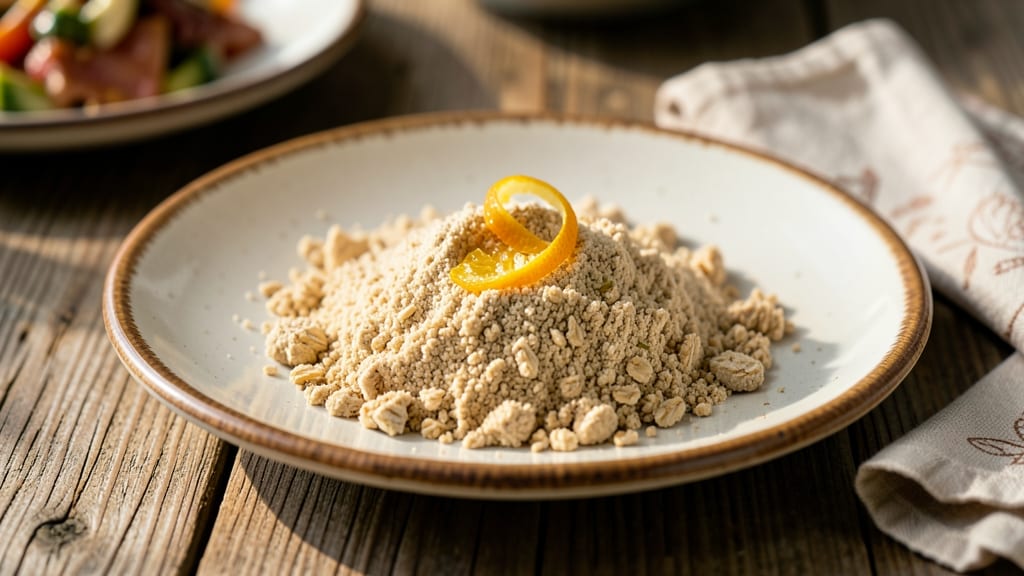
When you blend oat flour into pancakes, you unlock a texture that’s fluffy yet sturdy—perfect for stacking high without collapsing. ✨ After years of perfecting pancake recipes, I discovered oat flour delivers that ideal balance of crisp edges and tender interior, especially when paired with buttermilk.
The secret lies in the oat flour’s ability to absorb moisture while creating a subtle nutty depth that elevates each bite.
This recipe transforms simple pantry staples into a breakfast masterpiece that’s foolproof for beginners yet impressive enough for brunch gatherings. Unlike traditional pancakes that rely on all-purpose flour, oat flour adds natural sweetness and a satisfying chewiness that keeps everyone reaching for seconds.
The batter comes together in just 5 minutes, and you’ll have golden-brown pancakes ready in under 20 minutes.
What you’ll achieve is a towering stack of pancakes with buttery crisp edges that shatter slightly when cut, while the interior remains impossibly light. The oat flour’s subtle nuttiness complements the richness of butter and maple syrup beautifully, creating a flavor profile that’s both comforting and sophisticated.
Each pancake holds its shape perfectly, making it ideal for topping with fresh fruit or whipped cream.
Whether you’re accommodating dietary needs or simply exploring new textures, these oat flour pancakes deliver restaurant-quality results at home. The recipe adapts easily to gluten-free requirements by using certified oat flour, while still maintaining that signature fluffy structure. Ready to transform your weekend mornings?
Ingredients for oat flour
Pantry staples meet fluffy perfection—just 13 ingredients for pancakes that stack like a dream.
| Ingredient | Amount | Notes |
|---|---|---|
| Oat Flour 🌾 | 1 ½ cups | Certified gluten-free if needed |
| Unsweetened Almond Milk 🥛 | 1 cup | Vanilla or plain, unsweetened |
| Flaxseed Meal 🌱 | 1 tbsp | Ground flaxseed for egg binder |
| Pure Maple Syrup 🍁 | ½ cup | Grade A for best flavor |
| Vegan Butter 🧈 | ½ cup | Melted, full-fat preferred |
| Baking Powder 🍞 | 2 tsp | Aluminum-free for best rise |
| Apple Cider Vinegar 🍎 | 1 tbsp | For buttermilk reaction |
| Vanilla Extract 🌸 | 1 tsp | Pure, high-quality extract |
| Sea Salt 🧂 | ½ tsp | Fine grain preferred |
| Cinnamon 🌿 | ½ tsp | Ground, fresh if possible |
| Extra-Virgin Olive Oil 🫒 | 1 tbsp | For cooking pancakes |
| Fresh Blueberries 🫐 | ½ cup | Optional topping, fresh or frozen |
| Vegan Whipped Cream 🍦 | ½ cup | Store-bought or homemade |
The oat flour is the star here, so Bob’s Red Mill or Anthony’s Goods are my go-tos—they’re consistently fine and gluten-free certified. If you’re gluten-free, double-check the label since some oat flours are processed in shared facilities. For the almond milk, Silk or Califia Farms unsweetened versions work best—they’re thin enough to blend smoothly without altering the batter’s texture. The flaxseed meal? Bob’s Red Mill again—it’s pre-ground and ready to use. Freshly ground cinnamon makes a difference, but the jarred stuff is fine in a pinch. Just make sure it’s not that dusty old stuff sitting in your cabinet.
No almond milk? Soy or oat milk works just as well—stick with unsweetened to avoid altering the sweetness balance. Short on flaxseed? Chia seeds soaked in water (1 tbsp chia + 3 tbsp water = 1 tbsp flax) is a perfect swap. Want extra richness? Add 1 tbsp coconut oil to the melted vegan butter. The blueberries can be swapped for strawberries or raspberries, but blueberries hold their shape best when cooked. For the whipped cream, So Delicious or Kite Hill brands are reliable, or make your own with coconut cream and a touch of maple syrup.
The batter keeps for 2 days in the fridge, covered tightly—just give it a quick whisk before cooking. For longer storage, freeze portions in a sealed container for up to 3 months. Thaw overnight in the fridge before reheating. These pancakes reheat beautifully in a toaster or oven—just cover with foil to keep them moist. I like to portion the batter into small containers so I can grab and go on busy mornings.
Why You’ll Love This Recipe
- Five-Ingredient Magic: I swear by this combo—just blend, mix, and bake. No fancy techniques, no measuring cups that make you question your life choices. The oat flour gives it that perfect crumb, while the flaxseed meal adds a subtle nuttiness without overpowering.
- Maple Butter Bliss: That pure maple syrup isn’t just sweet—it’s rich, caramel-like, and pairs so well with the warm, buttery vegan butter. Honestly, the first bite makes you forget it’s vegan at all. (Yes, even my non-vegan friends ask for seconds.)
- Breakfast to Dessert: Same batter, endless uses. Pancakes for weekend brunch? Done. Muffins for a snack? Easy. Even a quick bread for lunch—just tweak the syrup or add fruit. I’ve made this for my kid’s school bake sale and my book club’s potluck. No judgment.
- Pantry Staple Savings: No last-minute grocery runs here. Oats, almond milk, and flaxseed are already in my cupboards, and maple syrup lasts forever. Between us, this recipe’s cheaper than takeout and healthier—my wallet and waistline thank me every time.
Step-by-step instructions for oat flour pancakes
Here’s how to achieve perfectly fluffy oat flour pancakes with crisp golden edges every time.
👨🍳 Step 1: Create the Flax Egg Substitute
In a small bowl, combine the 1 tablespoon flaxseed meal with 3 tablespoons unsweetened almond milk (yes, just this amount—this creates the perfect egg substitute). Stir vigorously and let it sit for 5 minutes while you prepare the rest of the batter. You’ll see it thicken into a gel-like consistency, mimicking the binding properties of eggs. This step is crucial for pancake structure and can’t be rushed.
While waiting, quickly melt the ½ cup vegan butter in a microwave-safe bowl in 30-second bursts, stirring between each, until fully melted. The butter should be warm but not hot—just enough to blend smoothly with the wet ingredients. Here’s the thing—using melted butter instead of oil gives these pancakes that signature buttery flavor and helps create those coveted crisp edges.
👨🍳 Step 2: Whisk Wet Ingredients Together
In a large mixing bowl, combine the 1 cup unsweetened almond milk with the 1 tablespoon apple cider vinegar. Let this sit for 2 minutes while you measure the dry ingredients. You’ll notice it begin to curdle slightly—this mimics the buttermilk reaction in traditional pancakes, adding tenderness and slight tanginess. Don’t skip this step; it makes all the difference in texture.
Add the ½ cup pure maple syrup, 1 teaspoon vanilla extract, and the melted vegan butter to the almond milk mixture. Whisk vigorously for 1 minute until fully combined. Then pour in the flax egg substitute and whisk for another 30 seconds. The batter should be smooth with no visible lumps. If you see any, use a fine-mesh sieve to strain them out—this ensures silky pancakes.
🥘 Step 3: Combine Dry Ingredients
In a separate medium bowl, sift together the 1½ cups oat flour, 2 teaspoons baking powder, ½ teaspoon sea salt, and ½ teaspoon cinnamon. This pre-sifting step prevents lumps and ensures even distribution of leavening agents throughout the batter. Use a whisk to break up any remaining clumps in the oat flour—it can be stubborn, so take your time here.
Make a well in the center of the dry ingredients and gradually pour in the wet ingredients. Using a spatula, gently fold everything together just until combined—no more than 10 strokes. Overmixing develops gluten in the oat flour, which can make your pancakes tough instead of fluffy. The ideal batter consistency should be like heavy cream—thick but pourable. If it’s too thick, add 1 tablespoon unsweetened almond milk at a time until you reach the perfect consistency.
🔥 Step 4: Cook Perfect Pancakes on Medium Heat
Heat a non-stick skillet over medium heat and add 1 tablespoon extra-virgin olive oil. Let it get hot for 1 minute—you’ll see it shimmer slightly when it’s ready. Pour ¼ cup batter for each pancake (this makes about 6 pancakes total for 4 servings, with some left for seconds). Real talk: don’t use a crowded pan or the pancakes will steam instead of develop that golden crust.
Cook until bubbles form on the surface and the edges look set—about 2-3 minutes. Here’s where it gets fun: flip carefully using a thin spatula and cook the other side for another 1-2 minutes until golden brown. The pancakes should be slightly underdone in the center when you flip them—they’ll finish cooking as they rest. If you see the edges browning too quickly, reduce the heat slightly to medium-low to prevent burning while keeping the center fluffy.
🍽️ Step 5: Assemble and Serve Warm
Keep the cooked pancakes warm in a 200°F oven while you finish the batch. This maintains their fluffiness instead of letting them dry out. When ready to serve, stack 2-3 pancakes per plate and top with the ½ cup fresh blueberries and ½ cup vegan whipped cream. The blueberries add a lovely pop of color and natural sweetness that complements the maple syrup perfectly.
Serve immediately while the pancakes are still warm and the whipped cream holds its shape. Each bite should deliver that perfect balance of crisp edges, fluffy interior, and buttery richness. For extra decadence, drizzle with additional pure maple syrup or a sprinkle of cinnamon. These pancakes are best enjoyed fresh—they won’t hold their ideal texture for long once stacked.
Pro Tips For Making Oat Flour
- Mix the Flaxseed First: Mix the flaxseed meal with unsweetened almond milk before adding it to the oat flour—this prevents clumping and ensures a smooth batter. I learned this the hard way after scraping gummy lumps off my whisk.
- Use Warm Milk: Pour the almond milk warm (not hot) into the oat flour—this helps the flour absorb the liquid evenly and cuts down on lumps. Cold milk makes the batter fight you, and nobody wants that.
- Don’t Overmix the Batter: Stir just until combined—overmixing turns oat flour into glue. A few small streaks of dry flour are fine; they’ll disappear when baked. I used to whip this like pancake batter, and it always ended up dense.
- Toast the Oat Flour: Sprinkle the oat flour in a dry pan over medium heat for 2–3 minutes, stirring constantly, until it smells nutty. This adds depth and prevents a bland, floury taste—trust me, it’s worth the extra minute.
Common mistakes when making your oat flour
Overmixing the Batter
This is the #1 mistake I see with oat flour pancakes—the temptation to mix until everything disappears completely. Oat flour develops gluten differently than wheat flour, so once you’ve combined the wet and dry ingredients, stop after 10 gentle folds.
I’ve ruined batches by mixing for 2 minutes straight, resulting in dense, rubbery pancakes. The ideal batter should have a few tiny lumps—those disappear when cooking. 🥄
Skipping the Flax Egg Rest
That 5-minute rest for your flax egg substitute is non-negotiable. I learned this the hard way when I rushed ahead and got pancakes that fell apart when flipping. The flax needs time to fully gel and mimic egg’s binding properties.
Pro tip: Test it by poking gently—it should hold its shape without spreading. If you’re short on time, try 1 tbsp chia seeds soaked in 3 tbsp water for a quicker (but slightly firmer) substitute.
Using the Wrong Heat
Too high heat = burnt edges, raw centers. Too low = soggy pancakes. Aim for medium heat where you see gentle shimmering in the oil. I use a non-stick skillet (like GreenPan or Calphalon) because it heats evenly.
If your pancakes brown too quickly, reduce to medium-low—they’ll finish cooking after flipping. The edges should be golden in 2-3 minutes before flipping.
Incorrect Flipping Technique
Timing is everything here. Pancakes are ready to flip when bubbles form on top AND the edges look set (about 2-3 minutes). I’ve seen people flip too early and get messy, lumpy pancakes. Use a thin, flexible spatula (I love OXO Good Grips) and flip just once.
If you must flip again, it’s a sign your heat was too low. The secret? Let them cook undisturbed until you see those bubbles—then flip confidently!
Ignoring the Resting Phase
Fresh pancakes need 1-2 minutes to set after flipping before serving. I used to rush this and get pancakes that fell apart when stacking. Keep them warm in a 200°F oven while finishing the batch.
The residual heat helps them firm up just enough to hold their shape. Pro move: Place a wire rack over a baking sheet to prevent soggy bottoms.
Substituting Oat Flour Incorrectly
Not all oat flours are created equal. Steel-cut oats ground into flour? Too coarse—your pancakes will be gritty. Quick oats? Too fine—they’ll make pancakes dense. Use finely ground oat flour (like Bob’s Red Mill or Anthony’s Goods**).
If you’re making your own, pulse in a food processor until you can’t see any whole oats. For gluten-free needs, always check labels—some brands process in wheat facilities.
Nutrition facts
Frequently asked questions
Can I make these pancakes without oat flour?
While oat flour gives these pancakes their signature texture, you can substitute with 1 cup all-purpose flour or 1 cup gluten-free 1:1 baking flour. However, the flavor and subtle nuttiness will differ. For best results, stick with oat flour—it creates that perfect balance of crisp edges and fluffy interior. If you’re gluten-free, use certified gluten-free oat flour to avoid cross-contamination.
How do I store leftover pancakes?
Store cooked pancakes in an airtight container in the fridge for up to 3 days. To reheat, warm in a toaster or oven at 350°F for 5-7 minutes covered with foil. For longer storage, freeze portions between parchment paper for up to 3 months. Thaw overnight in the fridge before reheating. The key is keeping them dry—moisture ruins that perfect crisp texture.
Why did my pancakes turn out dense?
Overmixing is the #1 culprit—oat flour develops gluten differently than wheat flour. Mix just until combined (about 10 gentle folds) and stop. Another common issue is skipping the 5-minute rest for the flax egg substitute or using too much liquid. The batter should be thick like heavy cream, not thin like pancake syrup. If all else fails, try adding 1 extra tablespoon oat flour to the batter for structure.
Can I make these pancakes with dairy?
Swap the almond milk for whole milk or buttermilk, use regular butter instead of vegan butter, and omit the flax egg (replace with 1 egg). Keep the rest of the recipe identical—it’ll still deliver that perfect fluffy texture. The maple syrup and cinnamon work beautifully with dairy too. For extra richness, add 1 tablespoon sour cream to the batter.
What’s the best way to make these pancakes gluten-free?
Use certified gluten-free oat flour (like Bob’s Red Mill or Anthony’s Goods) and verify all other ingredients are gluten-free. The flax egg substitute is naturally gluten-free, and almond milk is typically safe. Double-check your baking powder—some brands contain wheat. For extra insurance, use a dedicated gluten-free baking powder. The recipe works perfectly gluten-free while maintaining that signature fluffy texture.

- 1950’s Betty Crocker Banana Bread Recipe: Nostalgic Spice Perfection - November 29, 2026
- Meghan Markle’s Pasta Recipe: Creamy Garlic Mushroom Twist for Weeknights - November 29, 2026
- Applebee’s Lemon Chicken with Quinoa Recipe: Bright Citrus Glaze and Fluffy Quinoa Fusion - November 29, 2026