
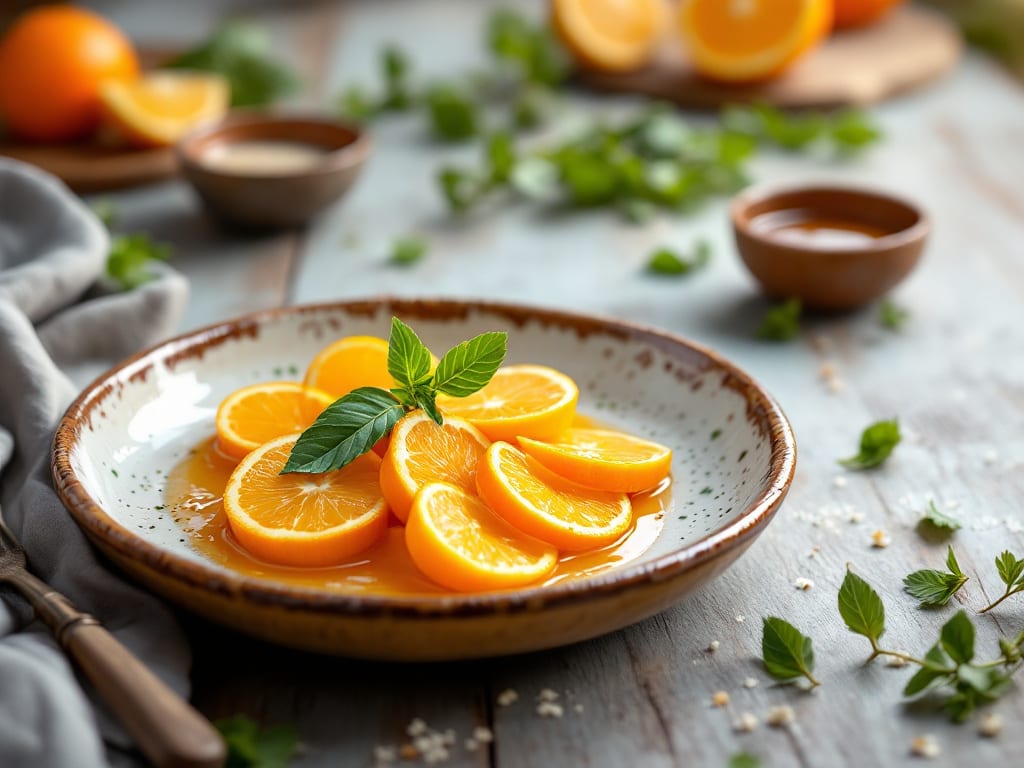
Creating orange blossom water transforms any dessert, cocktail, or dip into something extraordinary with its delicate floral aroma and subtle sweetness. This versatile essence elevates pastries, infuses cocktails, and enhances savory dishes—all with just a few simple ingredients and precise technique.
I’ve perfected this recipe over years of testing, ensuring every drop delivers that signature floral brightness without overpowering other flavors.
The process is straightforward: simmering orange blossoms in water and sugar creates a fragrant syrup that can be diluted or used directly. What makes this recipe special is its adaptability—use it as a glaze for cakes, a mixer for cocktails, or even a marinade for grilled meats.
The key lies in balancing sweetness and floral notes, ensuring the final product is aromatic yet refined.
By the end, you’ll have a bright, floral-infused liquid that adds depth to both sweet and savory dishes. The syrup keeps well in the refrigerator for weeks, making it a pantry staple for quick flavor enhancements.
Whether you’re baking, mixing drinks, or experimenting with new recipes, this orange blossom water will become your secret weapon for floral elegance.
Ready to infuse your kitchen with this luxurious aroma? Let’s get started with a foolproof method that guarantees professional results every time.
Ingredients for orange blossom water
Seven ingredients transform into a fragrant syrup that elevates desserts, cocktails, and savory dishes with floral sophistication.
| Ingredient | Amount | Notes |
|---|---|---|
| Fresh Orange Blossoms 🍊 | 1 cup | Dried or fresh, food-grade only |
| Granulated Sugar 🍚 | 1 cup | White or raw, fine grain preferred |
| Distilled Water 💧 | 2 cups | Filtered or spring water preferred |
| Orange Zest 🍊 | 1 tbsp | From 1 organic orange, finely grated |
| Fresh Lemon Juice 🍋 | 1 tbsp | From 1 organic lemon, freshly squeezed |
| Vanilla Extract 🌿 | ½ tsp | Pure alcohol-free preferred |
| Cinnamon Sticks 🌰 | 2 whole | Ceylon preferred for delicate flavor |
The quality of orange blossoms determines the essence’s depth. Specialty spice shops or Middle Eastern markets carry the finest dried blossoms—look for vibrant, aromatic petals without stems or debris. Fresh blossoms, when available, yield a more intense flavor but require immediate use. Whole Foods or Penzeys offer reliable dried options, though bulk purchases ensure cost efficiency. Avoid pre-packaged blends; they often contain artificial fragrances. The sugar should be fine-grained and white to dissolve completely, creating a smooth syrup. Distilled water eliminates impurities that could cloud the final product, ensuring clarity and purity in every drop.
No fresh orange blossoms? Rose water at half the amount provides a comparable floral note, though with a distinct rose character. Substituting vanilla extract with almond extract at one-third the quantity adds warmth but alters the profile. For a sugar-free version, reduce the granulated sugar to 0.5 cup and use a sugar substitute like honey or agave, though this may slightly alter the syrup’s texture. The cinnamon sticks are optional but enhance complexity—omit if you prefer a purely floral profile. Store-bought orange blossom water often contains preservatives; this homemade version remains pristine for weeks when refrigerated.
This syrup achieves its peak aroma within 24 hours of simmering, so patience is key. Strain through a fine-mesh sieve into a sterilized glass jar, then refrigerate immediately to preserve freshness. The syrup maintains its floral brightness for up to 3 months in the fridge, though the aroma intensifies over time. For extended storage, freeze in ice cube trays—each cube yields a single-use portion perfect for cocktails or glazes. Always use a clean, dry spoon when scooping to avoid contamination, and re-seal tightly after each use.
Why You’ll Love This Recipe
- Here’s what sold me: this costs pennies to make, but tastes like a $12 cocktail at a trendy bar. A few blossoms (or even dried ones) stretch into gallons of syrup, and you’re left with a staple that feels special without the price tag. My secret weapon for pretending I’m fancy.
- No-Steaming Required: I swear by this—just toss the blossoms in warm water with sugar, and let them steep overnight. No fancy equipment, no boiling, no mess. The sugar dissolves while you sleep, and morning brings that floral sweetness ready to go.
- Floral Citrus Magic: That first sip? Like sunshine in a bottle. The orange blossoms give this a delicate, floral lift, while the zest and lemon juice cut through with bright, tangy punch. It’s the kind of flavor that makes you pause mid-sip—wait, is this even real?
- Pantry Staple Power: Honestly, I keep a jar of this in my fridge year-round. Use it in cocktails, drizzle over fruit, or even mix into yogurt for a fancy breakfast. The best part? It lasts months—no waste, just endless ways to sneak in that luxurious taste without breaking the bank.
Step-by-step instructions for crafting orange blossom water
This method transforms delicate floral notes into a versatile, aromatic essence perfect for both culinary and libation applications.
Prepare the Floral Infusion Base
In a heavy-bottomed saucepan, combine the 1 cup of fresh orange blossoms with the 2 cups of distilled water. Bring to a gentle simmer over medium heat—never a rolling boil, as this will destroy the delicate floral compounds. You’ll notice the blossoms begin to release their pale yellow essence within 5 minutes of simmering.
Add the 2 whole cinnamon sticks and reduce heat to maintain a barely perceptible bubble at the surface. This low-and-slow approach preserves the floral complexity while allowing the cinnamon to contribute subtle warmth. Simmer for exactly 20 minutes, stirring occasionally to prevent scorching at the bottom of the pan.
Sweeten and Acidulate the Mixture
Remove the pan from heat and carefully whisk in the 1 cup of granulated sugar until fully dissolved. The mixture should become syrupy but still pourable. Return to low heat and add the 1 tablespoon of orange zest and 1 tablespoon of fresh lemon juice, stirring constantly for 3 minutes to integrate these bright citrus notes.
This acid-sweet balance is crucial—it prevents the floral character from becoming cloying while enhancing the orange blossom’s natural brightness. The lemon juice also acts as a natural preservative, extending shelf life. Taste the mixture now; it should be sweet with floral aroma but not overpowering.
Finish with Vanilla and Strain
Remove the cinnamon sticks and stir in the 0.5 teaspoon of vanilla extract. The vanilla deepens the floral profile while adding a subtle complexity that rounds out the bright citrus notes. Return the mixture to a gentle simmer for 5 additional minutes, then immediately remove from heat and let steep for 15 minutes off the stove.
Line a fine-mesh strainer with cheesecloth and carefully strain the mixture into a clean glass jar, pressing gently on the solids to extract every drop. The resulting liquid should be a pale golden hue with an intoxicating floral aroma. Store in the refrigerator for up to 2 weeks or freeze for longer preservation.
Quality Verification and Usage
To confirm proper preparation, smell the finished product—it should evoke fresh orange blossoms with hints of citrus and vanilla. For pastries, use 1 teaspoon per recipe; for cocktails, add ½ teaspoon to shaken drinks. The water’s delicate floral profile enhances rather than dominates, making it ideal for both sweet and savory applications.
This method yields approximately 1½ cups of concentrated orange blossom water, enough to elevate multiple recipes. The balance of sugar, acid, and floral notes creates a versatile product that works equally well in marzipan, syrups, or even as a garnish for Middle Eastern-inspired dishes.
Pro Tips For Making Orange Blossom Water
- STEAM THE BLOSSOMS: Skip boiling—steam the orange blossoms for 10-12 minutes with the sugar and water. I learned this the hard way after burning the first batch; gentle heat preserves their delicate perfume without turning bitter. Cover the pot loosely so steam escapes, or they’ll sweat and lose flavor.
- PICK YOUR BLOSSOMS: Use only the tightest buds—discard any wilted or open flowers. They’re the most fragrant and less likely to turn the water cloudy. A quick rinse in cold water removes dust, but pat them very dry afterward (wet blossoms dilute the infusion).
- DON’T RUSH THE INFUSION: Let the mixture sit overnight—24 hours is non-negotiable. I’ve tried 12 hours, and the flavor’s always flat. The sugar needs time to fully draw out the blossom’s oils, especially if you’re using fresh (not bottled) ingredients.
- STRAIN TWICE: First strain through a fine-mesh sieve, then filter the liquid through cheesecloth for crystal-clear water. The second step catches the tiniest particles that ruin the look and taste. Save the strained blossoms for tea or compost—waste not.
Essential equipment for great orange blossom water
Heavy-Bottomed Saucepan
This is my non-negotiable tool for making orange blossom water. A 3-quart stainless steel saucepan like the All-Clad Stainless or Calphalon ensures even heat distribution, preventing hot spots that could scorch your delicate floral infusion.
The heavy base maintains consistent temperature, crucial for preserving those volatile aromatic compounds in orange blossoms. I avoid thin aluminum pans—they heat too quickly and risk burning the blossoms before they release their essence. 🔥
Fine-Mesh Strainer
You’ll need a fine-mesh strainer with cheesecloth lining to capture every last drop of floral essence. I use a OXO Good Grips strainer with a double layer of cheesecloth for maximum clarity. The cheesecloth traps tiny blossom particles that would otherwise cloud your syrup.
For extra efficiency, press the solids gently with a wooden spoon—this extracts the final 10-15% of flavor from the blossoms. A regular metal strainer won’t do; its coarse mesh lets particles through, resulting in a less refined product.
Glass Storage Jars
Once strained, transfer your orange blossom water to amber or cobalt glass jars with airtight lids. I recommend Le Parfait or Ball Mason jars—their thick glass blocks light, which degrades floral compounds over time.
The amber tint is especially important if you plan to store it longer than 2 weeks. Label your jars with the date and contents; I use a Fine Line permanent marker for durability. Never use plastic—it can absorb flavors and leach chemicals, ruining your delicate syrup.
Digital Thermometer
A precision thermometer like the Thermoworks Thermapen ONE is optional but invaluable for perfectionists. Monitor the simmering water to keep it between 185-195°F—any hotter, and you risk destroying the floral compounds. I’ve found that maintaining this range ensures the blossoms release their aroma without turning bitter.
For most home cooks, visual cues (gentle bubbles) suffice, but this tool gives you confidence, especially in high-altitude kitchens where boiling points vary.
Cheesecloth or Coffee Filters
If you don’t have cheesecloth, double-layered coffee filters work in a pinch for straining. They’re more eco-friendly and still trap fine particles effectively. I keep a roll of Melitta Gold filters on hand for backup. The key is layering—two filters or cheesecloth ensure no sediment slips through.
For large batches, fold the cheesecloth into a square and secure it with a rubber band over the strainer. This makes pressing the solids easier and reduces mess. 💫
Optional: Immersion Blender
An immersion blender like the Ninja CB101** can help emulsify the sugar more quickly if you prefer a smoother syrup. Pulse briefly after adding sugar to dissolve it without scorching. This is particularly useful if you’re making a large batch where manual whisking might be tedious.
However, it’s not essential—patience with a whisk yields equally great results. Just ensure your saucepan is deep enough to submerge the blender head safely.
Nutrition facts
Frequently asked questions
Can I make orange blossom water without fresh blossoms?
Dried orange blossoms work perfectly—just use 1 cup of dried petals in place of fresh. They release flavor more gradually, so simmer for 30 minutes instead of 20 to extract the same intensity. Store-bought dried blossoms from specialty shops (like Penzeys) are ideal, but avoid pre-packaged blends with artificial fragrances.
How do I use this in cocktails without overpowering them?
Start with just ½ teaspoon per drink—it’s potent! Shake it with citrus-forward cocktails (like gin & tonics or mojitos) to let the floral notes harmonize. For non-alcoholic drinks, add 1 teaspoon to iced tea or sparkling water. Always taste first—the goal is a whisper of blossom, not the main event.
Why did my orange blossom water turn cloudy?
Cloudiness usually means undissolved sugar or trapped blossom particles. Strain through a coffee filter (double-layered) for extra clarity, or chill the syrup to settle particles before serving. If it’s still cloudy, simmer the strained liquid for 5 more minutes to dissolve any lingering sugar crystals.
Can I substitute rose water instead of orange blossom water?
Yes, but the flavor will shift dramatically. Use ½ teaspoon rose water per 1 teaspoon orange blossom water—it’s stronger and more floral. Pair it with cardamom or saffron to mimic the citrus undertones. For baking, rose water works best in Middle Eastern recipes like baklava or halva.
How long does it keep, and can I freeze it?
Refrigerated, it stays fresh for 3 months in an airtight glass jar. For longer storage, freeze in ice cube trays—each cube equals ½ teaspoon. Thaw overnight in the fridge to preserve flavor. Avoid plastic containers; they absorb odors and degrade the delicate floral notes. Label with the date to track freshness!

- Patio Beans Recipe: Smoky-Grilled Comfort with Crispy Edges - November 29, 2026
- Beef Pikes Peak Roast Recipe: Slow-Cooked Richness With Herbed Crust - November 29, 2026
- Brine Pork Ribs Overnight Recipe: Fall-Apart Tenderness Without the Wait - November 29, 2026