
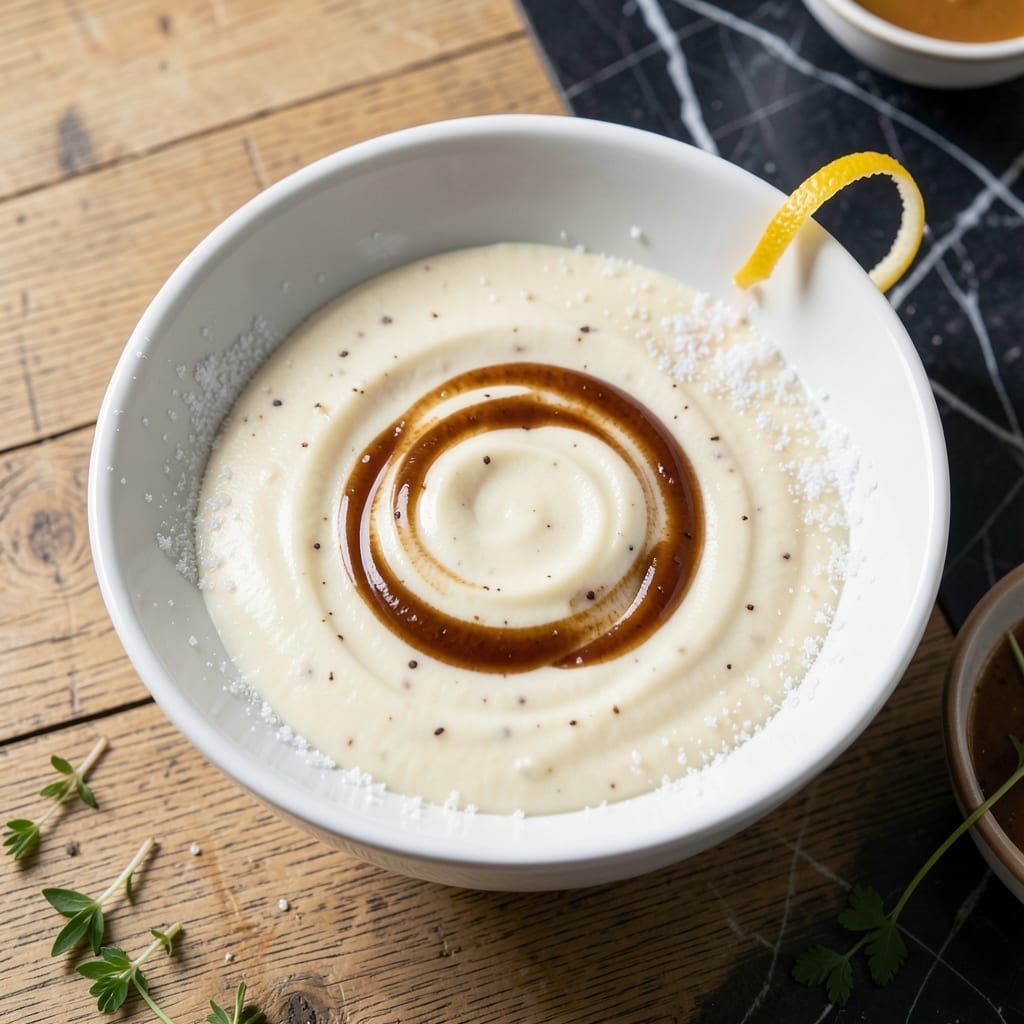
This pastry cream delivers the silky vanilla custard that professional bakers use as a base for countless desserts. I’ve refined this method to ensure perfect consistency every time, without curdling or lumps.
The key is gentle heat and constant stirring while the eggs thicken the milk mixture. A touch of vanilla bean paste elevates the flavor beyond standard extracts, creating a rich, aromatic custard.
Use this creamy filling for éclairs, tarts, or layered cakes—it holds its shape beautifully when piped. The texture is smooth yet sturdy enough for any pastry application.
Make a batch ahead and store it in the fridge for up to three days. It’s a versatile foundation for any dessert requiring a luscious, vanilla-infused center.
Ingredients for Pastry Cream Recipe Preppy Kitchen
Eight ingredients create this silky vanilla custard base for countless desserts.
| Ingredient | Amount | Notes |
|---|---|---|
| Whole Milk 🥛 | 2 cups | Full-fat for richness |
| Granulated Sugar 🍚 | ½ cup | Divided for custard |
| Large Egg Yolks 🥚 | 6 whole | Room temperature preferred |
| All-Purpose Flour 🌾 | ¼ cup | For thickening custard |
| Cornstarch 🌾 | 2 tbsp | Additional thickening agent |
| Vanilla Bean Paste 🌿 | 1 tbsp | Superior to extract |
| Unsalted Butter 🧈 | 2 tbsp | Cut into small pieces |
| Salt 🧂 | ¼ tsp | Fine sea salt preferred |
The milk makes all the difference here. Whole milk from a trusted dairy yields the creamiest texture—avoid low-fat versions. Organic Valley or Local dairy brands are reliable choices. Room temperature eggs incorporate more smoothly, so pull them out 30 minutes before starting. The vanilla bean paste (not extract) adds those visible specks and deeper flavor.
No vanilla bean paste? One whole vanilla bean, scraped, works equally well. Out of whole milk? Half-and-half plus a splash of cream can substitute in a pinch. Cornstarch and flour both thicken, but don’t omit either—they create the perfect sturdy-yet-smooth texture. For a lighter version, 2% milk works, but expect slightly less richness.
Store covered with plastic wrap pressed directly on the surface to prevent a skin from forming. Keeps beautifully in the fridge for 3 days. Freeze for up to 1 month, though texture may separate slightly upon thawing. Bring to room temperature and rewhisk before using.
Why You’ll Love This Recipe
- One Bowl Wonder: I love that I only need one saucepan and a whisk—no fancy equipment, just simple staples like milk, sugar, and egg yolks.
- Velvety Smooth: The combination of flour and cornstarch gives it that rich, creamy texture that’s hard to resist.
- Endless Uses: I use this for filling tarts, layering cakes, or even as a dip for fresh fruit. Honestly, it’s my secret weapon in the kitchen.
- Budget Friendly: Egg yolks and basic pantry items mean I can make a big batch without breaking the bank.
Step-by-Step Instructions for Pastry Cream
This tested method ensures your custard turns out velvety smooth with a rich vanilla flavor.
Step 1: Heat the Milk and Sugar Base
In a medium saucepan, combine the 2 cups Whole Milk with ¼ cup Granulated Sugar of the total amount. Stir over medium heat until the sugar dissolves completely and the mixture just begins to steam—do not boil.
This gentle heating ensures the milk doesn’t scorch while allowing the sugar to fully incorporate. You’ll see tiny bubbles forming at the edges when it’s ready for the next step. Remove from heat just before boiling to prevent curdling later.
Step 2: Temper the Egg Yolks with Dry Ingredients
In a separate bowl, whisk together the 6 whole Large Egg Yolks with the remaining ¼ cup Granulated Sugar, 0.25 cup All-Purpose Flour, 2 tbsp Cornstarch, and 0.25 tsp Salt until pale and slightly thickened, about 1-2 minutes.
Slowly pour about ½ cup of the hot milk mixture into the egg mixture while whisking constantly. This tempering step prevents the eggs from scrambling when they meet the heat. Continue adding the milk in a thin stream until fully combined.
Step 3: Cook the Custard to Thick Perfection
Return the mixture to the saucepan and cook over medium-low heat, stirring constantly with a silicone spatula or wooden spoon. The custard will begin to thicken after 3-5 minutes—keep stirring to prevent lumps from forming at the bottom.
Once the mixture reaches a pudding-like consistency and the spatula leaves a clear trail that holds its shape, remove from heat. This happens at about 165-170°F on an instant-read thermometer. Overcooking can cause the custard to curdle, so watch closely.
Step 4: Finish with Vanilla and Butter
Off the heat, stir in the 1 tbsp Vanilla Bean Paste and the 2 tbsp Unsalted Butter cut into small pieces. The residual heat will melt the butter and distribute the vanilla evenly throughout the custard.
Stir until the butter is fully incorporated and the custard is smooth and glossy. The vanilla bean paste adds a rich, speckled appearance and deeper flavor than extract. This step ensures every bite is infused with aromatic vanilla.
Step 5: Cool and Store Properly
Transfer the pastry cream to a clean bowl and press plastic wrap directly onto the surface to prevent a skin from forming. Let it cool to room temperature, stirring occasionally to release heat evenly.
Once cooled, refrigerate for at least 2 hours before using. The custard will thicken further as it chills. Properly stored, it keeps in the refrigerator for up to 3 days, making it perfect for preparing ahead of time.
Pro Tips For Making Pastry Cream Recipe Preppy Kitchen
- Temper the yolks: Slowly pour about 1/2 cup of the hot milk mixture into the egg yolks while whisking constantly—this prevents scrambled eggs. I learned this the hard way after ruining two batches with curdled yolks.
- Use full-fat milk: Whole milk is non-negotiable here; the fat content makes a real difference in the cream’s richness. Skim or 2% will leave you with a thin, sad pastry cream.
- Whisk constantly: From the moment the milk hits the pan until it thickens, keep that whisk moving. After burning one batch that stuck to the bottom, I finally figured out how crucial this is.
- Strain the cream: Press the finished cream through a fine-mesh sieve to remove any stray cooked bits of egg or flour. Sounds weird, but it works—your filling will be silky smooth every time.
Regional Styles of This Recipe
French Classic
In France, this custard is called crème pâtissière, the foundation for mille-feuille and Saint-Honoré cake. I learned to cook it with a vanilla bean split and scraped for maximum flavor. The French insist on room temperature eggs for silky results.
Italian Variation
Italians make crema pasticcera slightly thicker, often flavored with lemon or orange zest in addition to vanilla. It’s essential for filling cannoli and sfogliatelle. I add 1 tsp zest to the hot milk for a bright citrus note.
Spanish Approach
Spanish crema pastelera often includes cinnamon sticks steeped in the milk. This warm spice pairs beautifully with vanilla. I use 1 whole cinnamon stick removed after infusing the milk. Perfect for churros or tarta de Santiago.
American Twist
In the US, we often add a pinch of nutmeg or almond extract for depth. I love ¼ tsp almond extract with the vanilla for a subtle marzipan note. This version works wonderfully in cream pies and Boston cream donuts. 💛
British Style
British bakers sometimes use bird’s custard powder for a quicker version. For authenticity, I stick with the traditional method but add 1 tsp brandy to the finished custard. This touch enhances fruit tarts and trifles beautifully.
Storage Tip
Regardless of regional style, always press plastic wrap directly on the surface to prevent a skin. This keeps your creation smooth for up to 3 days refrigerated. Stir before using to restore its velvety texture.
Nutrition Facts
Frequently Asked Questions
Why does my custard get lumpy?
Lumps usually form from uneven heating or insufficient stirring. Cook over medium-low heat and stir constantly with a spatula. If lumps appear, immediately whisk vigorously or strain through a fine sieve while warm.
Can I make this ahead of time?
It keeps beautifully in the fridge for up to 3 days. Press plastic wrap directly on the surface to prevent a skin from forming. Stir before using to restore its smooth texture.
What’s the best way to flavor it?
Vanilla bean paste gives the richest flavor, but you can also infuse the milk with cinnamon sticks or citrus zest. Add extracts like almond or brandy at the end for depth.

- Pea Shoots Recipe Salad: Fresh Greens With Asian-Inspired Dressing - October 9, 2026
- Peanut Butter Bark Recipe With Pretzels: Sweet and Salty Holiday Treat - October 9, 2026
- Peach Crisp Recipe With Fresh Peaches: Buttery Oat Topping Over Juicy Summer Fruit - October 9, 2026