
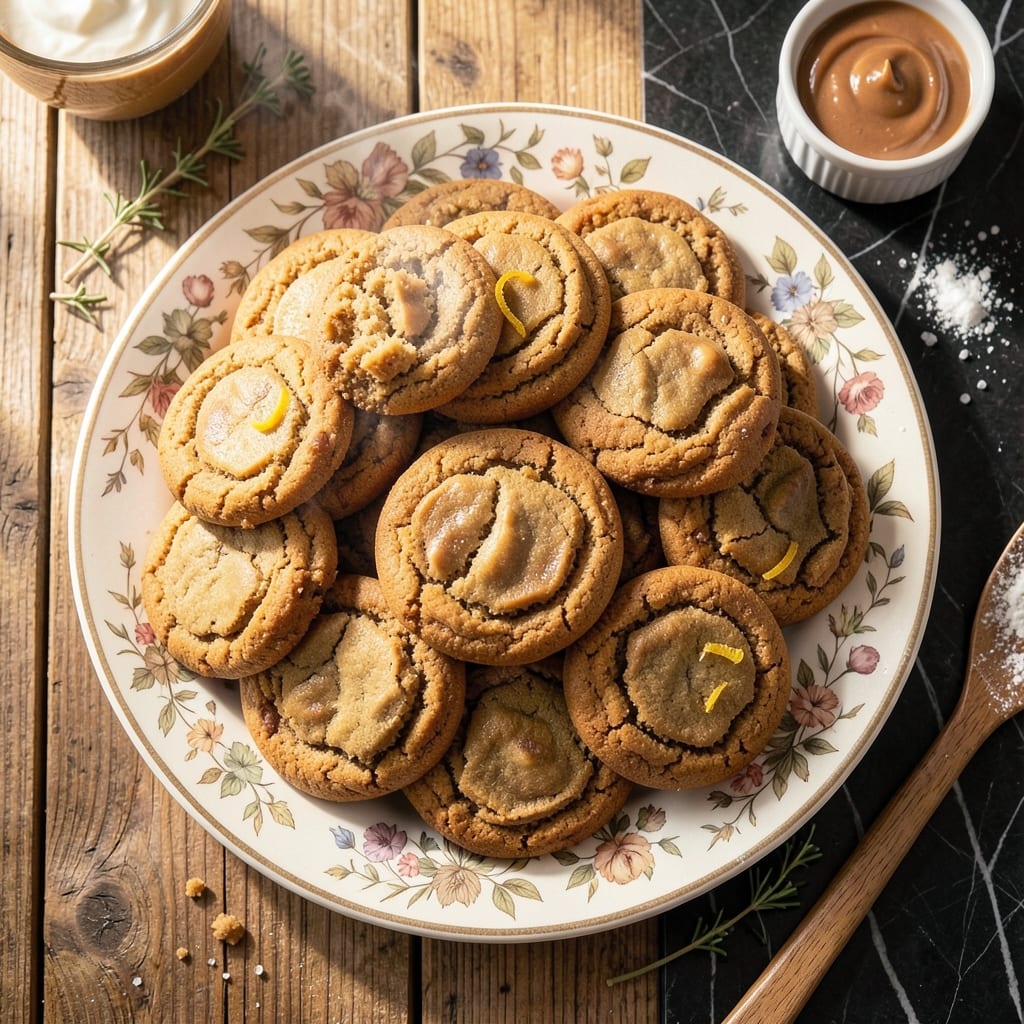
This recipe proves you can achieve classic peanut butter cookies without brown sugar. The substitution of granulated sugar maintains the expected sweetness while creating a slightly crispier texture.
I developed this version after realizing many home cooks don’t always have brown sugar on hand. The granulated sugar caramelizes beautifully, giving the cookies their signature golden color and rich flavor.
What emerges from the oven are cookies with the familiar crisscross pattern, tender centers, and edges with just the right amount of crispness. They taste exactly like the classic version you remember.
Perfect for baking with kids or satisfying that peanut butter craving. The dough comes together in minutes with basic pantry staples.
Ingredients for Peanut Butter Cookie Recipe No Brown Sugar
Basic pantry staples create these nostalgic cookies with granulated sugar magic.
| Ingredient | Amount | Notes |
|---|---|---|
| Creamy Peanut Butter 🥜 | 1 cup | Natural or commercial variety |
| Granulated Sugar 🍚 | 1 cup | White sugar, no substitutes |
| Unsalted Butter 🧈 | ½ cup | Softened to room temperature |
| Large Egg 🥚 | 1 whole | Room temperature preferred |
| Vanilla Extract 🌿 | 1 tsp | Pure extract for best flavor |
| All-Purpose Flour 🌾 | 1 ¼ cups | Spoon and level method |
| Baking Soda 🧂 | ¾ tsp | Fresh for optimal rise |
| Salt 🧂 | ½ tsp | Fine sea salt |
| Milk 🥛 | 2 tbsp | Any variety, for moisture |
The peanut butter is everything here. Jif or Skippy for classic flavor, or natural peanut butter if you prefer less sweetness (stir it well first). The butter needs to be softened—take it out 1-2 hours before baking. I always use King Arthur Flour for consistent results, but your go-to brand works fine. Just don’t pack the flour or you’ll end up with dry cookies.
No granulated sugar? Coconut sugar at 1:1 ratio works but changes the color. Want extra crunch? Add 1/4 cup chopped peanuts to the dough. The milk can be any kind you have—dairy or plant-based (oat milk’s my pick for neutral flavor). If your dough feels too dry, a splash more milk fixes it right up. And yes, you can use crunchy peanut butter for texture (I do this often).
Dough keeps in the fridge for 3 days or freeze for 3 months. Baked cookies stay fresh 5 days in an airtight container. For that classic crisscross, dip your fork in flour between presses—prevents sticking (worth the extra minute).
Why You’ll Love This Recipe
- One Bowl Wonder: I just dump everything in, mix, and roll—no extra bowls, no fuss.
- Rich PB Flavor: The creamy peanut butter shines without brown sugar competing for attention.
- Lunchbox Hero: My kids beg for these in their school lunches, and they stay soft for days.
- Pantry Friendly: I always have granulated sugar and peanut butter on hand, so it’s my last-minute save.
Step-by-Step Instructions for Classic Peanut Butter Cookies
Here’s the method I use to achieve perfectly textured cookies with that signature crisscross pattern.
Step 1: Cream the Peanut Butter and Butter with Sugar
In a large mixing bowl, combine the 1 cup Creamy Peanut Butter and 0.5 cup Unsalted Butter—it should be softened but not melted. Beat them together until smooth and fully incorporated, which takes about 1-2 minutes with an electric mixer.
Gradually add the 1 cup Granulated Sugar, continuing to beat until the mixture is light and fluffy, about 3-4 minutes. This step is crucial for achieving the right texture and even distribution of sweetness without brown sugar. You’ll notice the color lighten and the volume increase, which indicates proper aeration for tender cookies.
Step 2: Incorporate the Wet Ingredients
Add the 1 whole Large Egg and 1 tsp Vanilla Extract to the peanut butter mixture. Beat on medium speed for 1 minute until everything is well combined and the mixture looks uniform. The vanilla should be fully integrated, and the egg will add structure while keeping the dough rich and flavorful.
Next, pour in the 2 tbsp Milk and mix just until combined. The milk adds the necessary moisture to balance the dry ingredients, ensuring the dough isn’t too crumbly. At this stage, the mixture should be smooth and slightly sticky but manageable.
Step 3: Combine the Dry Ingredients and Form the Dough
In a separate bowl, whisk together the 1.25 cups All-Purpose Flour, 0.75 tsp Baking Soda, and 0.5 tsp Salt. This ensures the leavening agent and salt are evenly distributed throughout the flour, which is critical for consistent texture and rise.
Gradually add the dry ingredients to the wet mixture, beating on low speed just until the dough comes together. Overmixing can develop too much gluten, making the cookies tough. The dough should be soft but not sticky—if it feels too dry, avoid adding more milk, as the texture will improve after chilling.
Step 4: Chill the Dough for Best Results
Cover the bowl with plastic wrap and refrigerate the dough for at least 30 minutes, or up to 24 hours. Chilling firms up the dough, making it easier to handle and roll into balls. It also allows the flavors to meld, enhancing the overall taste of the cookies.
This step is especially important when using granulated sugar, as it helps prevent excessive spreading during baking. While it might seem tempting to skip this, the chilling time makes a noticeable difference in the final texture and shape of the cookies.
Step 5: Shape, Score, and Bake to Perfection
Preheat your oven to 350°F and line baking sheets with parchment paper. Roll the chilled dough into 1-inch balls and place them 2 inches apart on the prepared sheets. Use a fork to gently press down on each ball, creating the classic crisscross pattern.
Bake for 10-12 minutes, or until the edges are lightly golden and the centers look slightly underbaked. The cookies will continue to set as they cool on the baking sheet, so resist the urge to overbake. Let them cool on the sheet for 5 minutes before transferring to a wire rack to cool completely.
Pro Tips For Making Peanut Butter Cookie Recipe No Brown Sugar
- Chill the Dough: After mixing, let the dough rest in the fridge for at least 30 minutes—this prevents the cookies from spreading too thin and helps the peanut butter flavor shine.
- Use Room-Temp Butter: Make sure your unsalted butter is softened but not melted; I learned this the hard way when my first batch turned greasy instead of chewy.
- Flatten the Balls: Press the dough balls down slightly with a fork before baking, or they’ll stay too thick and won’t cook evenly—yes, even if you’re in a hurry.
- Swap in Honey: If you want a touch of moisture without brown sugar, add 1 tablespoon of honey to the mix; it won’t overpower the peanut butter but keeps the texture spot-on.
Common Mistakes When Making This Recipe
Overmixing the Dough
Once you add the dry ingredients, mix just until combined—about 30 seconds on low speed. Overmixing develops gluten, which makes cookies tough instead of tender. I stop as soon as I can’t see flour streaks. 💡
Skipping the Chill
Chilling isn’t optional with granulated sugar. Without it, cookies spread too thin and lose their shape. I recommend at least 30 minutes in the fridge, though 1 hour gives even better results. This step prevents flat, crispy cookies.
Incorrect Butter Temperature
Butter should be softened to room temperature—not melted or cold. If it’s too warm, cookies spread excessively. If too cold, the mixture won’t cream properly. I take mine out 1-2 hours before baking.
Overbaking the Cookies
Pull them when edges are golden but centers still look soft. They’ll firm up as they cool. Baking beyond 12 minutes at 350°F often leads to dry, crumbly cookies. The crisscross should be visible but not dark brown.
Improper Measuring
Spoon flour into cups and level off—don’t scoop directly. Packed flour makes cookies dense. I use the spoon and level method for accuracy. Same with sugar: 1 cup should be level, not heaped.
Fork Sticking
Dip your fork in flour between each crisscross press. This prevents sticking and creates clean lines. Without this, the pattern gets messy. It takes 5 extra seconds per batch but makes a big visual difference.
Nutrition Facts
Frequently Asked Questions
Can I use honey instead of granulated sugar?
Yes, but reduce the amount by 1/4 cup and add 1-2 tbsp extra flour. Honey adds moisture, so cookies may spread more.
Why did my cookies turn out flat?
Likely causes: butter too warm or dough not chilled. Always chill for at least 30 minutes and use softened—not melted—butter.
How do I store leftover dough?
Wrap tightly in plastic and refrigerate for up to 3 days, or freeze for 3 months. Thaw in the fridge before baking.
Can I make these gluten-free?
Swap the all-purpose flour for a 1:1 gluten-free blend. Let the dough rest 10 minutes before shaping to improve texture.

- Pea Shoots Recipe Salad: Fresh Greens With Asian-Inspired Dressing - October 9, 2026
- Peanut Butter Bark Recipe With Pretzels: Sweet and Salty Holiday Treat - October 9, 2026
- Peach Crisp Recipe With Fresh Peaches: Buttery Oat Topping Over Juicy Summer Fruit - October 9, 2026