
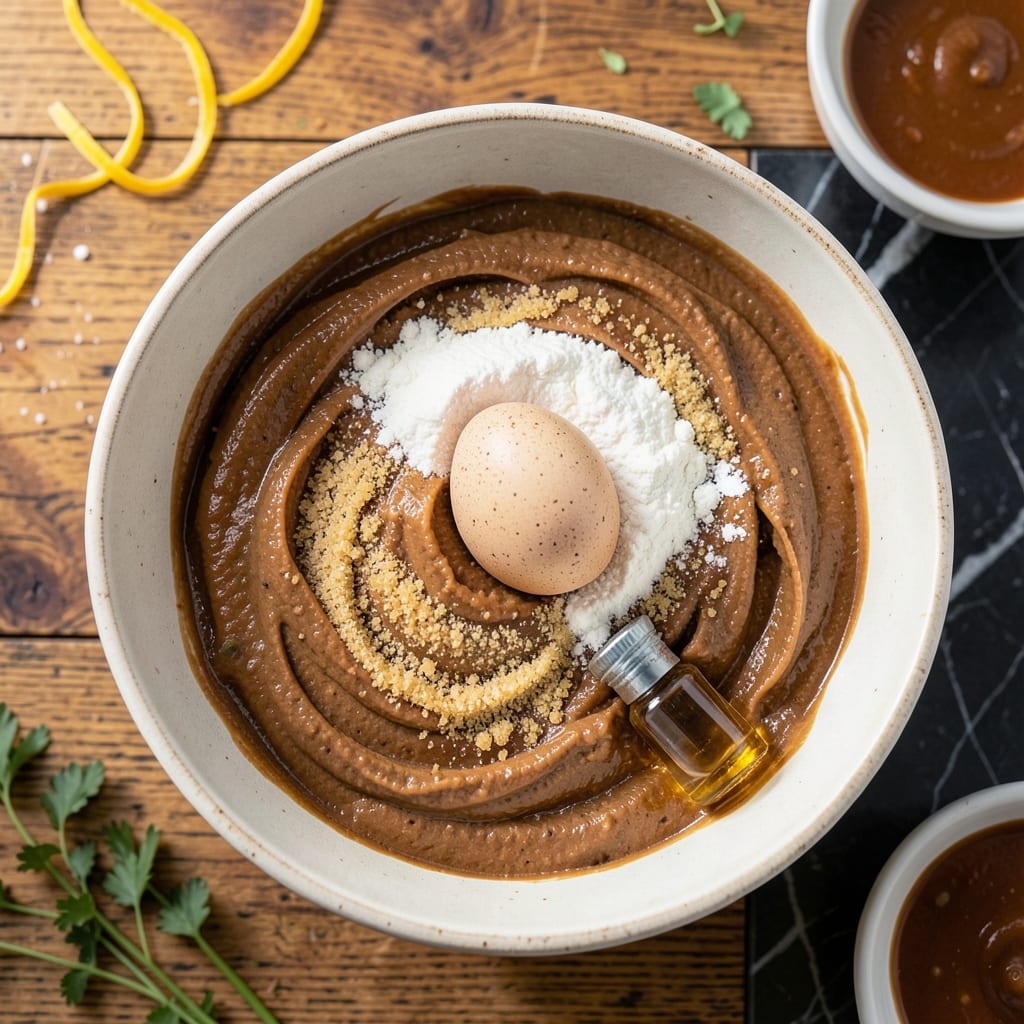
These cookies bring back memories of helping Nana Mae in her Peachtree Street diner, where we always used self-rising flour for perfect texture. Classic flavor meets foolproof results with this timeless recipe.
The beauty of this method lies in its simplicity. Self-rising flour eliminates the need for separate leavening agents, while peanut butter provides rich, nutty depth. The dough comes together quickly with basic pantry staples.
Expect soft, chewy cookies with that signature crisscross pattern. The edges develop a slight crispness while the centers stay tender and packed with peanut butter flavor.
David always requests a double batch for taste-testing. These disappear faster than any other cookie in our house.
Ingredients for Peanut Butter Cookie Recipe Self Rising Flour
Classic pantry staples create these nostalgic peanut butter cookies with perfect texture every time.
| Ingredient | Amount | Notes |
|---|---|---|
| Creamy Peanut Butter 🥜 | 1 cup | Natural or commercial, well-stirred |
| Granulated Sugar 🍚 | 1 cup | Fine white sugar preferred |
| Light Brown Sugar 🟤 | ½ cup | Packed firmly into cup |
| Large Egg 🥚 | 1 whole | Room temperature for even mixing |
| Vanilla Extract 🌿 | 1 tsp | Pure vanilla, not imitation |
| Self-Rising Flour 🌾 | 1 ½ cups | Sifted for accurate measurement |
| Unsalted Butter 🧈 | ½ cup | Softened to room temperature |
| Salt 🧂 | ¼ tsp | Fine table or kosher salt |
| Baking Soda 🧂 | ½ tsp | Optional for extra lift |
| Chopped Peanuts 🥜 | ½ cup | Optional for texture, lightly toasted |
Self-rising flour is non-negotiable here—White Lily is the gold standard for Southern bakers, but Pillsbury works too. The peanut butter should be creamy for that signature texture, though natural styles need a good stir to reincorporate the oils. For the butter, room temperature is key—it should dent when pressed but not be greasy. Skip margarine; it lacks the fat content for proper spread.
No self-rising flour? Substitute 1.5 cups all-purpose flour plus 2 tsp baking powder and 0.5 tsp salt. Brown sugar can be swapped for all granulated (texture changes slightly). For a richer flavor, dark brown sugar works beautifully. The egg binds everything—flax egg (1 tbsp ground flax + 3 tbsp water) is a solid vegan alternative here.
Dough freezes well for 3 months in an airtight container. Baked cookies stay fresh for 5 days in a sealed container (add a slice of bread to retain moisture). For gifting, pack in tins with parchment between layers to prevent sticking.
Why You’ll Love This Recipe
- One Bowl Wonder: I just dump the peanut butter, sugars, egg, and vanilla in a bowl—no mixer, no fuss. Self-rising flour does the heavy lifting.
- That PB Magic: The combo of creamy peanut butter and both sugars gives that perfect sweet-salty crunch with a soft center.
- Lunchbox Hero: These stay soft for days, so I bake a batch Sunday and pack them all week. My kid’s teacher asked for the recipe.
- Pantry MVP: Five ingredients I always have on hand means I can satisfy a cookie craving without a grocery run. Honestly, it’s saved me more than once.
Step-by-Step Instructions for Peanut Butter Cookies with Self-Rising Flour
This classic method delivers perfectly textured cookies with that signature crisscross pattern every time.
Step 1: Cream the Peanut Butter and Sugars
In a large mixing bowl, combine the 1 cup Creamy Peanut Butter, 1 cup Granulated Sugar, and 0.5 cup Light Brown Sugar. Using an electric mixer on medium speed, cream these together for 2-3 minutes until the mixture lightens in color and becomes fluffy.
This step aerates the base, which creates the cookies’ tender crumb. The brown sugar adds moisture and chewiness, while the granulated sugar contributes to the crisp edges. Ensure the peanut butter is well-stirred to prevent oil separation in the dough.
Step 2: Incorporate Wet Ingredients
Add the 1 whole Large Egg and 1 tsp Vanilla Extract to the creamed mixture. Beat on medium speed for 1 minute until fully emulsified. The egg binds the dough while the vanilla enhances the peanut butter’s depth of flavor.
Scrape down the sides of the bowl with a spatula to ensure even mixing. The mixture should look smooth and slightly glossy at this stage. Room temperature egg incorporates more evenly, preventing a dense texture in the finished cookies.
Step 3: Combine Dry Ingredients
In a separate bowl, whisk together the 1.5 cups Self-Rising Flour, 0.25 tsp Salt, and 0.5 tsp Baking Soda. The self-rising flour already contains leavening agents, but the additional baking soda provides extra lift for a lighter texture.
Gradually add the dry ingredients to the wet mixture, mixing on low speed just until combined. Overmixing develops gluten, which would make the cookies tough. The dough should be thick and slightly sticky at this point.
Step 4: Fold in Butter and Optional Peanuts
Melt the 0.5 cup Unsalted Butter and let it cool slightly. Add it to the dough and mix just until incorporated. The butter adds richness and helps the cookies spread during baking.
If using, fold in the 0.5 cup Chopped Peanuts by hand with a spatula. Distribute them evenly throughout the dough for consistent texture in every bite. The dough is now ready for shaping.
Step 5: Shape, Crisscross, and Bake
Preheat the oven to 350°F. Roll the dough into 1-inch balls and place them 2 inches apart on parchment-lined baking sheets. Use a fork to gently press down on each ball, creating the classic crisscross pattern.
Bake for 10-12 minutes until the edges are light golden brown. The centers may still look slightly soft but will firm up as they cool. Let the cookies rest on the baking sheet for 5 minutes before transferring to a wire rack to cool completely.
Pro Tips For Making Peanut Butter Cookie Recipe Self Rising Flour
- Chill the Dough: After mixing, refrigerate the dough for 30 minutes—I learned this the hard way when my first batch spread into flat, greasy puddles.
- Use Room Temp Egg: Take the egg out 15 minutes early so it blends smoothly into the peanut butter without leaving streaks.
- Watch the Oven Time: Pull them at 10-12 minutes when edges are just set; they’ll firm up as they cool and stay chewy.
- Swap for Crunchy PB: Sounds weird, but it works: using crunchy peanut butter adds texture without changing the recipe’s balance.
Creative Variations of This Dish
Chocolate Chip Addition
Fold in 1 cup semi-sweet chocolate chips for a peanut butter-chocolate twist. I prefer Ghirardelli chips from Central Market for their rich flavor. The chocolate adds pockets of melty sweetness that pair perfectly with the nutty base. 💛
Peanut Butter Bliss
Swap ½ cup of the Creamy Peanut Butter for crunchy peanut butter if you love extra texture. Add ¼ cup peanut butter chips for a double peanut punch. This variation reminds me of the peanut-heavy cookies Nana Mae kept in her diner’s display case.
Gluten-Free Option
Replace the Self-Rising Flour with 1.5 cups gluten-free 1:1 baking flour plus 1 tsp xanthan gum. King Arthur’s measure-for-measure blend works beautifully. Let the dough rest for 10 minutes before shaping to allow the flours to hydrate.
Spiced Up Version
Add 1 tsp cinnamon and ¼ tsp cayenne to the dry ingredients for a sweet-spicy kick. David loves this variation—he says the warmth of the spices elevates the peanut butter’s richness. It’s perfect for cooler Austin evenings. 🔥
Protein-Packed
Stir in ½ cup rolled oats and ¼ cup vanilla protein powder for a heartier cookie. Reduce the Self-Rising Flour to 1.25 cups to balance the moisture. These are great for a post-workout treat or a more filling snack for the kids.
Nutty Variations
Swap the Chopped Peanuts for ½ cup toasted pecans or almonds for a Southern twist. Lightly toast the nuts in a dry skillet over medium heat for 3-4 minutes to enhance their flavor before adding to the dough.
Nutrition Facts
Frequently Asked Questions
Why use self-rising flour for peanut butter cookies?
Self-rising flour already contains baking powder and salt, simplifying the recipe. It creates a lighter, more tender texture in cookies, which complements the rich peanut butter perfectly.
Can I substitute all-purpose flour?
Yes, replace 1.5 cups self-rising flour with 1.5 cups all-purpose flour plus 2 tsp baking powder and 0.5 tsp salt. Mix these dry ingredients thoroughly before adding to the wet mixture.
How do I prevent cookies from spreading too much?
Chill the dough for 30 minutes before baking. Also ensure your butter isn’t too soft and your oven is properly preheated to 350°F. This helps maintain the classic thick, chewy texture.
Can I make these cookies ahead of time?
Shape the dough balls and refrigerate for up to 48 hours, or freeze for 3 months. Bake straight from frozen, adding 1-2 minutes to the baking time.

- Peanut Brittle Recipe With Dry Roasted Peanuts: Crunchy Caramelized Sweetness - October 7, 2026
- Peanut Butter and Banana Bread Recipe UK: Moist Crumb With Nutty Swirls - October 7, 2026
- Frittata Recipe Oven: Fluffy Eggs with Crisp Golden Top - October 7, 2026