
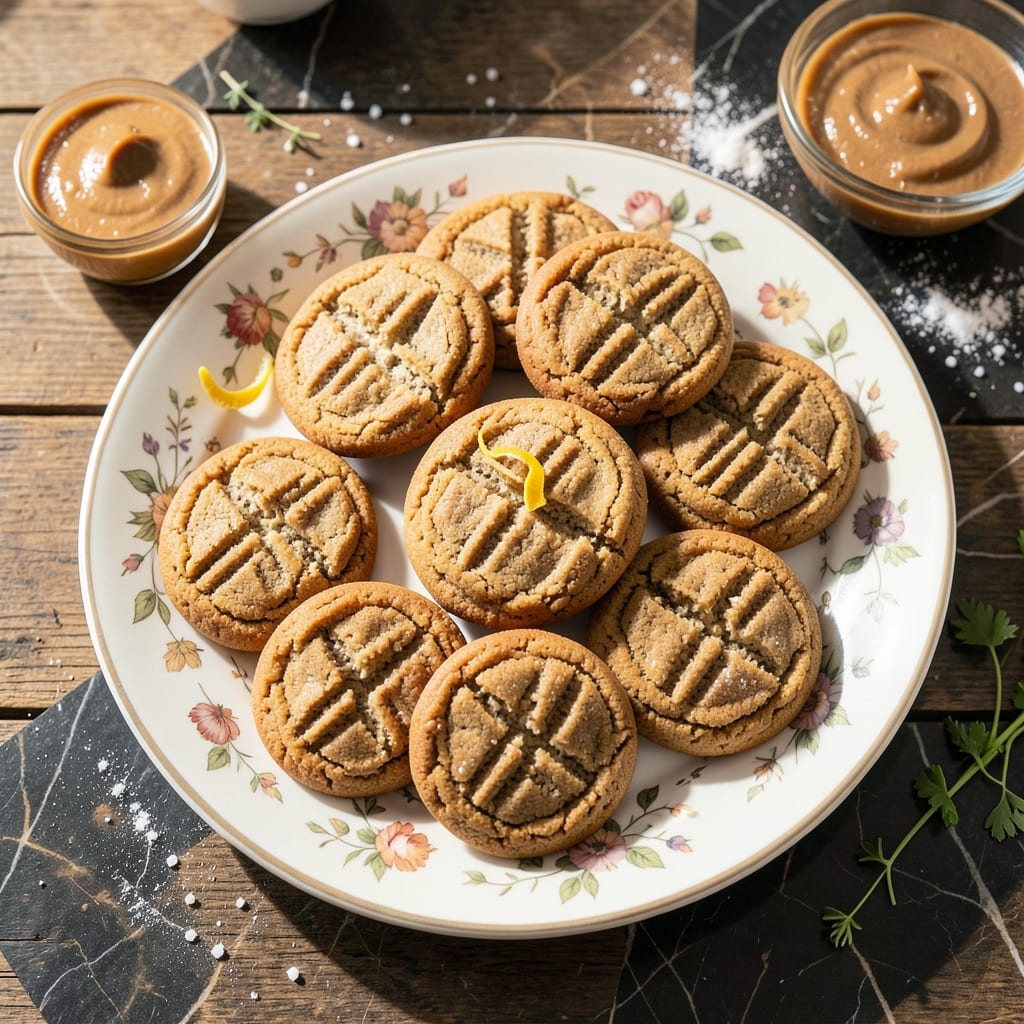
There’s a reason peanut butter cookies remain a timeless favorite—they deliver classic flavor with that signature crumbly texture. This version uses shortening for a tender, melt-in-your-mouth result that stays soft for days.
Shortening creates a lighter, more delicate crumb compared to butter, ensuring these cookies hold their shape while baking. The dough comes together quickly with basic pantry staples, making it a reliable choice for any baker.
The edges crisp up beautifully while the centers stay rich and fudgy. Each bite offers that nostalgic peanut butter taste you remember from childhood, but with a texture that’s even better.
Perfect for cookie swaps, lunchboxes, or an afternoon treat with a glass of milk. This is the recipe you’ll reach for again and again.
Ingredients for Peanut Butter Cookie Recipe Using Shortening
Pantry staples come together for these nostalgic cookies with perfect crumbly texture.
| Ingredient | Amount | Notes |
|---|---|---|
| All-Purpose Flour 🌾 | 2 cups | Sifted for lighter texture |
| Creamy Peanut Butter 🥜 | 1 cup | Natural or commercial style |
| Vegetable Shortening 🧈 | ¾ cup | Crisco brand recommended |
| Granulated Sugar 🍚 | 1 cup | White sugar preferred |
| Brown Sugar 🟤 | 1 cup | Packed, light or dark |
| Large Eggs 🥚 | 2 whole | Room temperature for best texture |
| Pure Vanilla Extract 🌿 | 1 tsp | Real vanilla, not imitation |
| Baking Soda 🧂 | 1 tsp | For rise and spread |
| Salt 🧂 | ½ tsp | Fine table salt |
| Chopped Peanuts 🥜 | ½ cup | Optional for added crunch |
The shortening is key here—Crisco all-vegetable gives you that melt-in-your-mouth texture and holds cookies tall. Peanut butter matters too: Jif or Skippy for classic flavor, or natural if you prefer (just stir well first). Most grocery stores stock both. The flour should be all-purpose—King Arthur is my go-to, but any brand works. Don’t skip the brown sugar; it adds moisture and that fudgy center.
No shortening? Butter at the same amount works but cookies will spread more (and taste richer). Swap white sugar for all brown sugar if you want extra chew. Out of peanuts? Chopped almonds or pecans add nice crunch. Egg substitute like flax eggs works in a pinch, but texture will differ. Vanilla extract can be swapped with vanilla bean paste for extra depth.
Dough keeps 3-4 days refrigerated. Baked cookies stay fresh in airtight container for 1 week. Freeze dough balls for up to 3 months—bake straight from frozen, adding 2-3 minutes. Always let cookies cool completely before storing to keep edges crisp.
Why You’ll Love This Recipe
- One-Bowl Wonder: I mix everything right in the same bowl—no extra dishes, and the shortening means no chilled dough waiting time.
- Buttery Crunch: The shortening gives them this melt-in-your-mouth texture that’s even better than butter, and the brown sugar adds a caramel-like depth.
- Lunchbox MVP: These stay soft for days, so I bake a double batch on Sunday and the kids grab them all week.
- Pantry Staples: I always have flour, peanut butter, and shortening on hand, so I can make these on a whim without a grocery run.
Step-by-Step Instructions for Peanut Butter Cookies
Here’s my tried-and-true method for cookies with that nostalgic crumbly texture you love.
Step 1: Cream the Shortening, Sugars and Peanut Butter
In a large bowl, beat the 0.75 cup Vegetable Shortening with the 1 cup Granulated Sugar and 1 cup Brown Sugar until light and fluffy, about 3-4 minutes on medium speed. You’ll know it’s ready when the mixture looks pale and airy.
Add the 1 cup Creamy Peanut Butter and continue mixing for another 1-2 minutes until fully combined. This step creates the base for that classic peanut butter flavor and ensures your cookies will have that perfect crumbly texture. The shortening is what gives these their signature edges.
Step 2: Incorporate Eggs and Vanilla
Beat in the 2 whole Large Eggs, one at a time, mixing well after each addition. Then add the 1 tsp Pure Vanilla Extract. The eggs should be fully incorporated before adding the next one to maintain a smooth, well-emulsified dough.
I always use room temperature eggs here—they blend more evenly into the fat mixture. The vanilla adds depth to the peanut butter flavor, so don’t skip it. Mix just until everything looks cohesive; over-beating can make your cookies tough.
Step 3: Combine Dry Ingredients
In a separate bowl, whisk together the 2 cups All-Purpose Flour, 1 tsp Baking Soda, and 0.5 tsp Salt. This ensures the leavening agent is evenly distributed throughout the dough for consistent rise and spread.
Gradually add the dry ingredients to the wet mixture, mixing on low speed just until the flour disappears. The dough will be thick and slightly sticky. If you’re using the optional 0.5 cup Chopped Peanuts, fold them in now for extra crunch in every bite.
Step 4: Shape, Flatten and Bake
Preheat your oven to 375°F. Roll the dough into 1-inch balls and place them 2 inches apart on ungreased baking sheets. These cookies will spread as they bake, so give them space.
Use a fork to gently press down on each ball, creating that classic crosshatch pattern. Bake for 10-12 minutes until the edges are just starting to turn golden brown. The centers will still look slightly underdone—that’s perfect. They’ll continue to cook as they cool on the pan.
Pro Tips For Making Peanut Butter Cookie Recipe Using Shortening
- Chill the Dough: Pop the dough in the fridge for at least 30 minutes before baking—shortening melts fast, and this keeps the cookies from spreading into flat, sad puddles. I learned this the hard way after my first batch turned into one giant peanut butter pancake.
- Use Room-Temp Shortening: Take the shortening out of the fridge 15-20 minutes before mixing, or it won’t cream properly with the sugars. Cold shortening leaves little white specks in the dough, and the texture just isn’t the same.
- Press Forks Gently: When making the classic crosshatch pattern, don’t mash the dough balls flat—just press lightly. Over-flattening squishes out the air and makes for dense, dry cookies instead of tender, chewy ones.
- Swap Half the Sugar: Replace the granulated sugar with dark brown sugar for deeper flavor and a softer crumb. The molasses in dark brown sugar actually changes the outcome, giving the cookies a richer, almost caramel-like note.
Pro Cooking Tips for peanut butter cookie recipe using shortening
Creaming Perfection
Beat the shortening and sugars for 3-4 minutes until pale and fluffy. This incorporates air for a lighter texture. I use my KitchenAid stand mixer with the paddle attachment for this step. Don’t rush it—this is what gives your cookies that melt-in-your-mouth quality. 💡
Fork Technique Matters
Use a fork with tines spaced ½ inch apart for the classic crosshatch pattern. Press down firmly but don’t flatten completely—you want cookies about ¾ inch thick before baking. This pattern isn’t just for looks; it helps the cookies bake evenly.
Oven Hot Spots
Rotate your baking sheets halfway through the 10-12 minute bake time. My oven has a hot spot in the back left corner, so I always rotate pans front-to-back. This ensures even browning on all batches. Check at 10 minutes—when edges look set, they’re done.
Cooling Trick
Let cookies cool on the baking sheet for exactly 5 minutes before transferring to a wire rack. This allows them to set without becoming brittle. I use a silpat mat for easy removal. The centers will firm up as they cool completely.
Shortening Temperature
Your Crisco should be slightly cool but not cold—60-65°F is ideal. If it’s too warm, your cookies will spread too much. I keep mine in the pantry, not the fridge. This temperature ensures proper creamability without greasiness.
This small detail makes a noticeable difference in texture consistency.
Nutrition Facts
Frequently Asked Questions
Why use shortening instead of butter?
Shortening has a higher melting point than butter, helping cookies hold their shape while baking. It also creates a lighter, more tender crumb and stays soft longer. Butter adds richness but can make cookies spread more.
Can I substitute natural peanut butter?
Yes, but stir it well first to redistribute oils. Natural peanut butter can make dough slightly greasier. For best results, use commercial brands like Jif or Skippy in this recipe.
How do I prevent cookies from spreading too much?
Chill dough for 30 minutes before baking and ensure your oven is fully preheated to 375°F. Also, measure ingredients accurately—too much sugar or shortening can cause excess spreading.
How long will these stay fresh?
Store in an airtight container at room temperature for up to 1 week. For longer storage, freeze baked cookies for up to 3 months. They’ll stay soft and delicious.

- Peanut Brittle Recipe With Dry Roasted Peanuts: Crunchy Caramelized Sweetness - October 7, 2026
- Peanut Butter and Banana Bread Recipe UK: Moist Crumb With Nutty Swirls - October 7, 2026
- Frittata Recipe Oven: Fluffy Eggs with Crisp Golden Top - October 7, 2026