
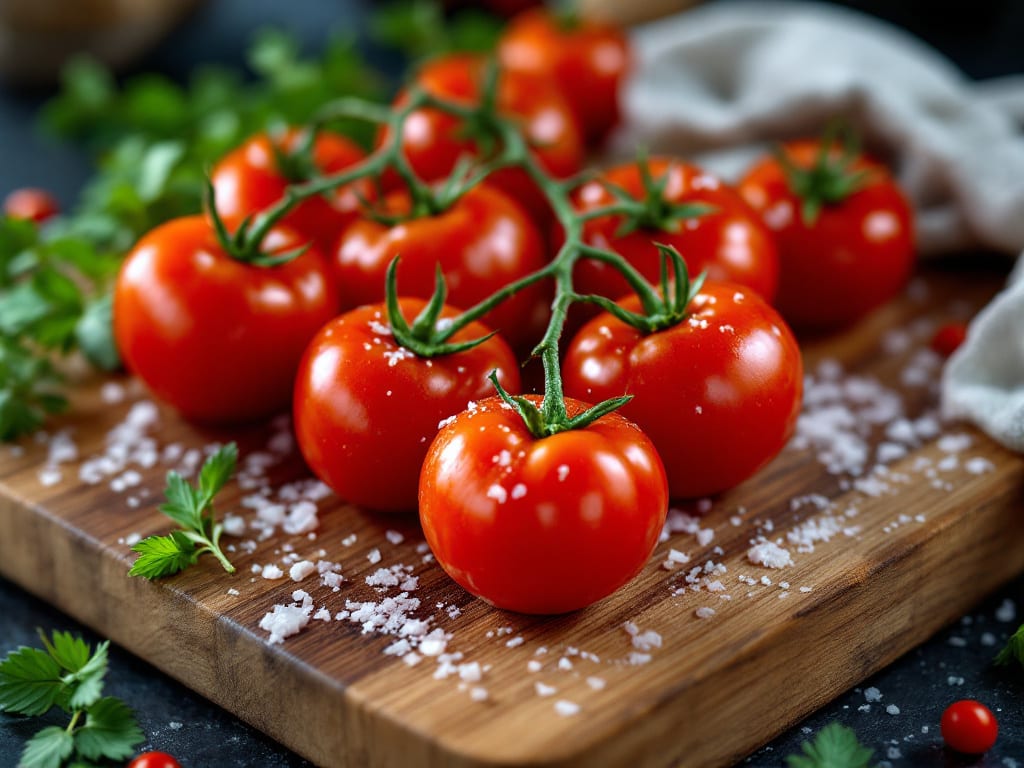
Transforming fresh tomatoes into preserved tomatoes captures their peak flavor in glass jars, ready to elevate dishes from salads to stews all year round. The process is simple yet transformative—whole tomatoes bathed in aromatic oil or crushed into a concentrated paste, both methods preserving their vibrant essence.
I’ve perfected this technique over years of summer canning, ensuring every jar delivers restaurant-quality depth without the fuss.
This method requires just four essential ingredients: ripe tomatoes, high-quality olive oil, vinegar for acidity, and a pinch of salt to balance flavors. The key lies in proper sterilization and layering—whether you’re creating whole tomatoes in oil for antipasto platters or a chunky sauce for pasta.
Each technique preserves texture while intensifying flavor, turning summer’s bounty into a pantry staple that lasts months.
What you’ll achieve is a versatile condiment that transforms ordinary meals into extraordinary ones. The oil-bath method yields tomatoes so flavorful they taste like they were just picked, while the paste version delivers concentrated sweetness perfect for sauces and soups.
Every jar becomes a time capsule of summer, preserving not just tomatoes but memories of the season.
Use these preserved tomatoes in salads for a burst of freshness, stir them into pasta for depth, or drizzle over grilled meats for a bright contrast. The possibilities are endless, and the process is foolproof—ideal for both beginners and seasoned cooks. Let’s get started on preserving that summer flavor.
Ingredients for preserved tomatoes
Four pounds of tomatoes transform into a pantry essential with just eight ingredients.
| Ingredient | Amount | Notes |
|---|---|---|
| Fresh Vine-Ripe Tomatoes 🍅 | 4 lbs | Sliced into 1/4-inch rounds for oil-bath method |
| Extra-Virgin Olive Oil 🫒 | 3 cups | High-quality, fruity variety for infusion |
| White Wine Vinegar 🍷 | 1 cup | For acidity and preservation |
| Diamond Crystal Kosher Salt 🧂 | 1 ½ tsp | Fine grain for even distribution |
| Fresh Garlic Cloves 🧄 | 4 cloves | Minced for aromatic infusion |
| Fresh Basil Leaves 🌿 | ½ cup | Packed, for herbal brightness |
| Red Pepper Flakes 🌶️ | 1 tsp | Optional for subtle heat |
| Granulated Sugar 🍬 | 1 tbsp | Balances acidity in oil-bath |
The tomatoes are the foundation—choose heirloom or beefsteak varieties for their meaty texture and concentrated flavor. Local farmers markets often have perfect specimens in summer, but grocery store tomatoes work if they’re ripe and firm. Avoid bruised or overripe fruit, as they’ll spoil faster during preservation. For the olive oil, California extra-virgin brands like Corto or Colavita excel due to their fruity notes that complement tomatoes beautifully. The vinegar should be food-grade white wine vinegar—avoid malt or apple cider, as their flavors may clash. Sterilize your jars and lids in boiling water for 10 minutes before use to ensure a perfect seal.
Substitutions are limited but possible: balsamic vinegar can replace white wine vinegar at a 1:1 ratio, though the flavor profile shifts slightly. For heat, crushed dried red pepper works, though fresh red pepper flakes provide better texture. If you’re short on garlic, garlic powder at half the amount suffices. The sugar is optional but recommended—it helps balance the acidity in the oil-bath method. For the basil, dried oregano at one-third the amount can mimic its herbal notes, though fresh basil is non-negotiable for the best results. Store-bought tomato paste can replace whole tomatoes for a paste version, but fresh is superior for texture and flavor.
Preserved tomatoes maintain peak quality when stored in a cool, dark pantry for up to 6 months. The oil-bath method keeps best, as the tomatoes remain submerged in a protective layer of oil. For the paste version, transfer to airtight containers and press plastic wrap directly on the surface to minimize oxidation. Refrigerate after opening and consume within 1 month. Freeze extras in ice cube trays for single-serving use—perfect for quick pasta sauces or soup bases. Label jars with the date to track freshness, and always use clean utensils when scooping to prevent contamination.
Why You’ll Love This Recipe
- No-Chop Needed: I swear, just halve those tomatoes and toss them in. No dicing, no peeling—just a knife and a bowl. The vinegar and olive oil do all the work while you sip your coffee.
- Sunshine in a Jar: That first bite of sweet, tangy tomato with garlic cloves sizzling in the oil? It’s like summer vacation in your mouth. The white wine vinegar cuts through the richness, leaving you wanting seconds.
- Pantry Superhero: Slap these on toast with ricotta, stir them into pasta, or drizzle over grilled cheese. They’re the unsung MVP of lazy weeknights and fancy dinner parties—no one will guess they’re just tomatoes you preserved.
- Lasts All Week: A single batch keeps in the fridge for days, meaning fewer grocery runs and more time for actual meals. Honestly, I make a double batch every Sunday so I’m never scrambling midweek.
Step-by-step instructions for preserved tomatoes in oil-bath jars
Here’s the precise method for creating vibrant, flavor-packed preserved tomatoes that retain their natural sweetness.
Prepare the Tomatoes for Preservation
Begin by washing the 4 lbs of fresh vine-ripe tomatoes thoroughly and patting them completely dry. Using a sharp knife, carefully slice each tomato into ¼-inch rounds. The uniformity ensures even preservation and presentation. Arrange the tomato slices in a single layer on a clean kitchen towel, leaving space between each slice to prevent moisture buildup. This drying process is crucial as any excess moisture can lead to mold during preservation.
In a small bowl, combine the 1 tbsp granulated sugar with the 1 cup white wine vinegar. Stir until the sugar dissolves completely. This mixture will balance the acidity and enhance the tomatoes’ natural sweetness. Transfer the sugar-vinegar mixture to a small saucepan and bring it to a gentle simmer over medium heat for 2 minutes. Allow it to cool completely before using.
Layer Tomatoes with Aromatics in Jars
Sterilize four clean, wide-mouth glass jars by running them through a dishwasher cycle or boiling them in water for 10 minutes. This step is essential to prevent contamination. While the jars are still warm, distribute the 4 cloves minced fresh garlic cloves evenly among them, placing 1 tsp in the bottom of each jar. Add ¼ tsp of the 1.5 tsp diamond crystal kosher salt to each jar as well.
Working quickly, fill each jar with the prepared tomato slices, packing them tightly but not forcing them. Leave about 1 inch of headspace at the top of each jar. This space will be filled with the olive oil later. The tight packing ensures the tomatoes remain submerged and preserves their shape during the process. For each jar, add 2 tbsp of the cooled sugar-vinegar mixture, distributing it evenly over the tomatoes.
Infuse with Olive Oil and Seal
In a separate bowl, combine the 3 cups extra-virgin olive oil with the 1 tsp red pepper flakes. Stir gently to distribute the pepper flakes evenly. The oil should be at room temperature to facilitate proper infusion. Pour the olive oil mixture into a clean funnel and carefully ladle it into each jar, filling them to within ½ inch of the rim. This ensures the tomatoes remain fully submerged and protected from air exposure.
Place the 0.5 cup fresh basil leaves on top of the oil in each jar, pressing them gently to submerge them partially. The basil will impart its aromatic qualities to the oil over time. Seal each jar tightly with its lid and give it a gentle shake to help the oil penetrate the tomatoes and aromatics. This step ensures an even distribution of flavors throughout the preservation process.
Store and Age for Optimal Flavor
Store the sealed jars in a cool, dark place for at least 4 weeks, although they will continue to develop deeper flavors for up to 6 months. The aging process allows the olive oil to fully infuse the tomatoes, creating a rich, complex flavor profile. Check the jars periodically to ensure the lids remain sealed and the tomatoes stay submerged in the oil.
Once ready, transfer the jars to the refrigerator where they will keep for up to 1 year. The cold temperature slows down the preservation process, maintaining the vibrant color and freshness of the tomatoes. Use these preserved tomatoes as a condiment for pasta, bruschetta, or as a topping for grilled meats. Their concentrated flavor and texture make them a versatile addition to any dish.
Pro Tips For Making Preserved Tomatoes
- Halve Tomatoes Evenly: Use a sharp chef’s knife and cut from blossom end to stem—no squishing. I used to eyeball it, but uneven halves cook at different rates and release liquid unpredictably. A steady hand here means consistent texture and better flavor absorption.
- Salt Before Roasting: Sprinkle kosher salt before adding olive oil—about 1 teaspoon per pound of tomatoes. This draws out moisture first, so the oil penetrates deeper and caramelizes the edges better. I learned this the hard way when my tomatoes stayed soggy mid-roast.
- Simmer Vinegar Slowly: Reduce white wine vinegar over low heat until it’s syrupy, not boiling. High heat turns it harsh, and you’ll end up with a sharp, unbalanced flavor. Think “gentle simmer” for 8–10 minutes—your future bruschetta will thank you.
- Smash Garlic Lightly: Crush garlic cloves with the flat side of your knife just enough to bruise, not mince. Whole cloves infuse flavor without bitterness, and they’ll dissolve into the oil as the tomatoes cook. Over-mincing = burnt garlic. Trust the process.
Perfect pairings for this dish
Pasta Sauce Base
Use your preserved tomatoes as the foundation for a homemade marinara that rivals restaurant quality. Simmer 1 cup of crushed preserved tomatoes with 2 cloves minced garlic, 1 tbsp tomato paste, and ½ cup reserved pasta water for 15 minutes on medium heat.
The oil-infused tomatoes add depth without overpowering. Finish with fresh basil and a pinch of red pepper flakes for brightness. 🍝
Antipasto Platter
Create an Italian-inspired platter by arranging whole preserved tomatoes alongside prosciutto di Parma, mozzarella pearls, and olive oil-dipped bread. The tomatoes’ vibrant color and rich flavor make them the star.
For extra flair, add pickled artichokes and marinated anchovies. Serve with a glass of Pinot Grigio to complement the bright acidity and herbal notes. 🍷
Grilled Meats Topping
Elevate grilled chicken or steak with a drizzle of preserved tomato oil. Heat the meat to 165°F (chicken) or medium-rare (steak), then spoon 1-2 tbsp of the infused oil directly over the top.
The tomatoes caramelize slightly from the heat, creating a sweet-savory glaze. Pair with a sprinkle of flaky sea salt and fresh parsley for a restaurant-worthy finish. 🔥
Caprese Salad Upgrade
Transform a classic Caprese salad by replacing fresh tomatoes with preserved ones. Layer sliced preserved tomatoes, fresh mozzarella, and basil leaves on a platter. Drizzle with extra-virgin olive oil and a touch of balsamic glaze.
The tomatoes’ concentrated flavor stands up to the creamy mozzarella, while the oil adds a luxurious richness. 🌿
Soup Enhancement
Boost the depth of tomato-based soups like minestrone or gazpacho by adding 2-3 tbsp of preserved tomato oil during the last 5 minutes of cooking. The oil infuses the broth with tomato flavor without altering texture.
For gazpacho, blend in ½ cup of preserved tomatoes for a smoother, more complex base. Garnish with a swirl of the oil before serving. 🥣
Bread Dipping Oil
Create a flavorful dipping oil by mixing ½ cup preserved tomato oil with 1 tbsp lemon juice, ½ tsp Dijon mustard, and a pinch of smoked paprika.
Serve warm with crusty sourdough or focaccia. The tomatoes add a bright, tangy contrast to the rich bread, making every bite irresistible. 🍞
Nutrition facts
Frequently asked questions
Can I use store-bought tomato paste instead of fresh tomatoes?
Fresh tomatoes create the best texture and flavor, but you can adapt this recipe. Replace the 4 lbs of fresh tomatoes with 2 cups of high-quality tomato paste, thinned with 1 cup water or broth. Adjust the vinegar to ½ cup and reduce the oil to 2 cups since paste absorbs less. The result will be more concentrated but still delicious for sauces and soups.
How do I know if my preserved tomatoes are spoiled?
Check for these signs: mold on the tomatoes or oil, a foul or fermented smell, or cloudy oil. If the tomatoes feel mushy or the jar lid pops when opened, discard it immediately. Properly preserved tomatoes in oil should last 6-12 months unopened and 1 month refrigerated after opening. When in doubt, trust your senses!
Can I make this recipe without vinegar?
Vinegar is essential for preservation as it prevents bacteria growth. If you’re allergic or avoiding vinegar, use 1 cup lemon juice instead, but the shelf life will be shorter (3 months max). For a vinegar-free alternative, try a fermented tomato method (like lacto-fermentation) which uses salt instead. The flavor will differ significantly, though.
What’s the best way to reuse the leftover infused oil?
Strain out any tomato bits and store the oil in a clean jar. Use it for dressings, marinades, or cooking (like sautéing vegetables). The oil keeps for 3 months refrigerated or 1 month at room temperature. Avoid using it for raw dishes if it smells off—heat will neutralize some impurities. Perfect for finishing dishes where you want that tomato essence!
Why did my tomatoes turn brown in the oil?
Brown tomatoes indicate oxidation from exposure to air or improper sterilization. Ensure your jars are completely submerged in oil (no air bubbles) and use high-quality olive oil to prevent spoilage. For future batches, add ½ tsp citric acid to the vinegar mixture to slow oxidation. Browned tomatoes are still safe to eat but may have a slightly off flavor.

- Beef Pikes Peak Roast Recipe: Slow-Cooked Richness With Herbed Crust - November 29, 2026
- Brine Pork Ribs Overnight Recipe: Fall-Apart Tenderness Without the Wait - November 29, 2026
- Chilli Sauce for Hot Dogs Recipe: Smoky-Sweet Glaze That Elevates Every Bite - November 29, 2026