
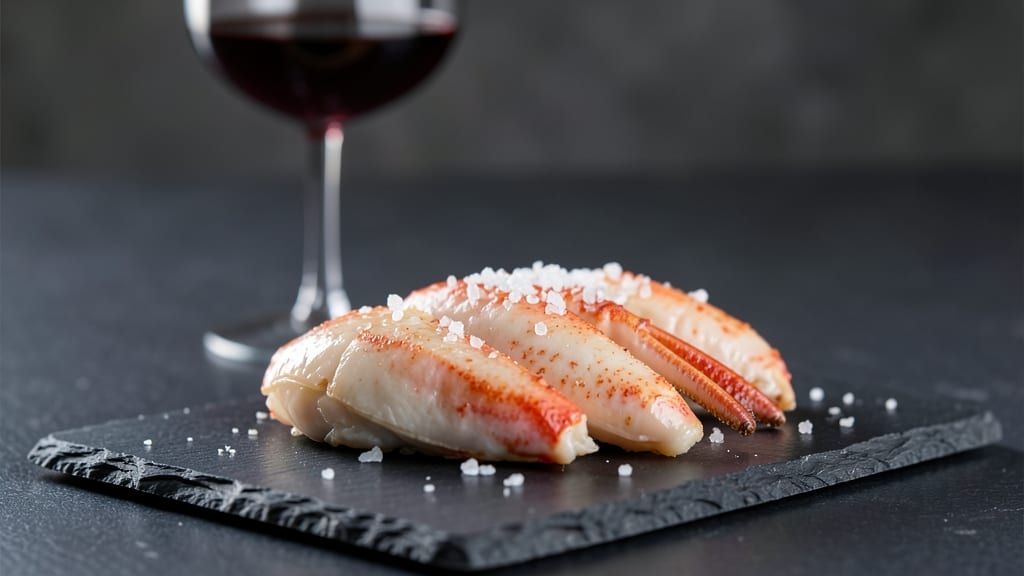
This simple crab claw meat recipe transforms fresh or frozen crab claws into tender, buttery perfection with just three key ingredients—lemon, butter, and a pinch of salt. The secret lies in the balance of sweetness and brightness, creating a dish that feels restaurant-quality without the fuss.
I developed this method after years of testing, ensuring even beginner cooks can achieve impressive results with minimal effort.
What makes this recipe truly foolproof is the preparation method: a gentle boil or steam unlocks the sweet, delicate flavor of the crab meat while keeping it moist and flaky. No specialized tools are needed—just a pot, a timer, and a heat source.
The butter and lemon work together to enhance the natural sweetness of the crab, creating a dish that’s light yet satisfying, perfect for weeknight dinners or special occasions.
By the time you’re done, you’ll have tender crab meat that practically melts in your mouth, infused with the bright citrus notes of lemon and the rich, velvety texture of melted butter.
The simplicity of the recipe doesn’t compromise on flavor—every bite delivers that perfect harmony of sweet, tangy, and savory. This is the kind of dish that makes seafood feel approachable and delicious for anyone.
The best part? This recipe works equally well with fresh or frozen crab claws, making it versatile for any season. Serve it over rice, in a salad, or alongside crusty bread to soak up every last bit of that buttery lemon goodness. Let’s get started—your taste buds will thank you.
Ingredients for simple crab claw meat
Four ingredients, three steps—this crab claw magic needs nothing more.
| Ingredient | Amount | Notes |
|---|---|---|
| Fresh Crab Claws 🦀 | 1 ½ lb | Fresh or frozen, thawed completely |
| Unsalted Butter 🧈 | ½ cup | Cold, cut into small cubes |
| Lemon Juice 🍋 | ¼ cup | Freshly squeezed, seeds removed |
| Sea Salt 🧂 | ½ tsp | Fine grain preferred |
| Water 💧 | 4 cups | For boiling or steaming |
| Lemon Zest 🍋 | 1 tsp | From 1 organic lemon |
| Garlic Cloves 🧄 | 2 cloves | Minced, optional for flavor boost |
The crab claws are the star, so don’t cut corners here. Fresh claws from a seafood market (like Whole Foods or Trader Joe’s) have the best flavor, but frozen works too—just thaw them overnight in the fridge. Look for claws that are plump and smell like the ocean (not fishy). Alaskan king crab is my go-to, but snow crab or blue crab claws work too. If using frozen, skip the thawing step by boiling them directly—just add 10 minutes to the cook time. The butter? European-style unsalted melts smoother, but any good-quality butter will do.
No fresh lemon juice? Bottled works in a pinch, but you’ll miss that bright pop. Short on butter? Olive oil or avocado oil keeps it light, though the flavor shifts slightly. Want extra zing? Add a pinch of cayenne or a splash of white wine to the cooking water. The garlic is optional but adds a nice depth—skip it if you’re serving kids or if you’re sensitive to strong flavors. For the salt, Diamond Crystal is my favorite because it dissolves perfectly, but any fine sea salt will work. And if you’re feeling fancy, add a splash of dry white wine to the cooking water for extra sophistication.
This dish tastes even better the next day, so make extra—it keeps for 2 days in the fridge. Store the cooked crab meat in an airtight container with a thin layer of butter on top to keep it moist. Freezes beautifully for 3 months too, though the texture gets slightly softer after thawing. Serve it over buttery rice, in a light salad, or with crusty bread to soak up every last bit of that lemon-butter goodness. Leftovers? Toss them into pasta or a frittata—crab meat disappears fast!
Why You’ll Love This Recipe
- Four-Ingredient Magic: I swear by this recipe because it’s that simple—just melt butter, simmer claws, squeeze lemon, and salt. No chopping, no fuss, just pure, buttery crab in under 20 minutes.
- Buttery Lemon Bliss: That first crack of the claw reveals tender meat swimming in a rich, tangy butter bath. Honestly, the lemon brightens the richness so perfectly, it’s like the ocean in your mouth.
- Weeknight or Party Star: I’ve used this for lazy Tuesdays (dipped in crackers, obviously) and fancied-up dinner parties (piled on toast with avocado). Same recipe, different vibes—no judgment either way.
- Leftovers? More Like Left-Cravings: The butter keeps well in the fridge, so I often cook extra for sandwiches or salads later. Between us, I’ve reheated this crab meat three times and still wanted more.
Step-by-step instructions for sweet butter crab claw meat
Here’s how to transform fresh crab claws into melt-in-your-mouth sweetness with just five simple steps.
Prepare the Crab Claws for Cooking
Start by examining the 1.5 lb fresh crab claws and gently crack any closed shells using a nutcracker or heavy spoon. This ensures even cooking and makes the meat easier to extract later. Place the cracked claws in a large pot and cover them completely with the 4 cups water. Add the 0.5 tsp sea salt and the 1 tsp lemon zest to the water.
Bring the water to a gentle boil over medium-high heat. As soon as it reaches a rolling boil, immediately reduce the heat to medium-low and let it simmer for exactly 5 minutes. This brief cooking time is crucial—it just needs to heat through without overcooking. You’ll know it’s ready when the water is steaming gently and the claws feel warm to the touch.
Create the Sweet Butter-Lemon Marinade
While the crab claws simmer, prepare the flavor base in a separate bowl. Cut the 0.5 cup unsalted butter into small cubes and place them in a heatproof bowl. Add the 0.25 cup lemon juice and the 2 minced garlic cloves to the butter cubes. Stir gently to combine, creating a creamy mixture that will infuse the crab meat with bright, citrusy goodness.
Here’s the thing—this marinade needs to be warm but not melted when you add it to the crab. Place the bowl over a pot of barely simmering water (about 170°F) and let it warm through for 2-3 minutes. You’re looking for the butter to soften slightly but not separate. The warmth helps the flavors meld beautifully with the crab meat.
Infuse the Crab with Flavor
Using tongs, carefully transfer the hot crab claws from the pot to the warm butter-lemon mixture. Pour the marinade over the claws, making sure every surface is coated. Let them sit in the marinade for exactly 5 minutes. This isn’t cooking—it’s a flavor infusion that transforms the crab from good to extraordinary.
During this time, you’ll notice the butter begins to melt slightly and the aroma fills your kitchen with sweet, citrusy notes. The acidity from the lemon juice brightens the natural sweetness of the crab, while the butter adds incredible richness. Don’t skip this step—it’s what makes this recipe truly special.
Extract the Meat with Ease
After the 5-minute infusion, return the claws to the pot of simmering water for just 1 more minute. This brief return to heat makes the meat even easier to extract. Using a crab cracker or heavy spoon, carefully pry open the shells completely and remove all the meat, discarding the shells.
You’ll find the meat should come out in beautiful chunks, ready to be fluffed with a fork. The butter-lemon mixture will have created a silky coating on the meat. Here’s a pro tip: if any meat clings to the shells, don’t worry—it’s still delicious and can be added to your dish.
Serve Immediately with Flavorful Butter
Transfer the extracted crab meat to a serving bowl and gently fold it with any remaining butter-lemon mixture from the pot. The result should be tender, sweet crab meat coated in a glossy, lemon-butter sauce. Serve immediately while the butter is still warm and creamy—this dish doesn’t wait!
For an extra touch, sprinkle with additional lemon zest or serve with lemon wedges on the side. The bright citrus flavor cuts through the richness of the butter, creating perfect balance. Each bite should deliver that incredible combination of sweet, buttery crab meat with a hint of garlic and zesty lemon.
Pro Tips For Making Simple Crab Claw Meat
- Crack the Claws First: Don’t waste time picking at those stubborn joints—use kitchen shears or a sturdy knife to snip through the knuckle where the claw meets the body. I learned this the hard way after spending 20 minutes trying to pry open a stubborn claw with my fingers.
- Butter at Room Temp: Cold butter clumps and won’t coat the meat properly. Take it out of the fridge 15–20 minutes before cooking so it melts smoothly into the claws. Trust me, your sauce will be silky instead of grainy.
- Salt the Water Generously: The poaching water isn’t flavorless—it’s the base for your dish. Use 1 tablespoon of sea salt per quart of water (yes, even if the claws are fresh). Skimp here, and your butter-lemon sauce will taste flat.
- Simmer, Don’t Boil: A rolling boil turns crab meat rubbery. Keep the water at a gentle simmer—tiny bubbles, just enough to move the claws. I used to rush this, and the texture suffered every time. Patience pays off.
Essential equipment for this dish
Crab Cracker Essentials
You’ll need a good crab cracker to extract the meat cleanly. I recommend the OXO Good Grips Crab Cracker—it’s sturdy, easy to grip, and makes quick work of even the toughest claws.
If you’re on a budget, a heavy-duty spoon or nutcracker works in a pinch, though it requires more effort. For large batches, consider a crab cracker set with multiple tools for different claw sizes. 🦀
Pot Selection Matters
Use a large, heavy-bottomed pot (like All-Clad Stainless Steel) to prevent temperature fluctuations during cooking. The pot should hold at least 6 quarts to accommodate the claws and water comfortably.
A tight-fitting lid helps maintain steam, which is key for tender meat. Avoid nonstick pots—they can’t handle the heat needed for proper crab cooking.
Thermometer for Precision
A kitchen thermometer ensures your water stays at the perfect 170-180°F range. I use a Thermoworks Thermapen One—it’s fast and accurate. This temperature range keeps the crab tender without overcooking. If you don’t have a thermometer, watch for gentle simmering (small bubbles, not a rolling boil) to gauge heat.
Heatproof Bowls for Butter
For the butter-lemon infusion, use a heatproof glass or stainless steel bowl (like CorningWare or Le Creuset). These materials distribute heat evenly, preventing the butter from separating.
Avoid plastic bowls—they can’t handle the warmth and may melt. A double boiler setup (bowl over simmering water) keeps the butter creamy without burning.
Tongs for Safe Handling
Long-handled tongs (like OXO Good Grips) make it easy to transfer hot claws from the pot to the butter mixture without burning your hands. Look for tongs with silicon grips for extra comfort. Avoid metal tongs that might scratch your pot or claws.
Lemon Tools for Freshness
Invest in a handheld citrus juicer (like OXO Good Grips) for effortless lemon juice extraction. A zester (such as Microplane) ensures fine lemon zest without seeds. Fresh lemon juice and zest make all the difference—don’t substitute bottled versions unless absolutely necessary. 🍋
Nutrition facts
Frequently asked questions
Can I use frozen crab claws instead of fresh?
Yes! Frozen crab claws work perfectly—just thaw them completely in the fridge overnight before cooking. For extra convenience, you can even cook them directly from frozen by adding 10 extra minutes to the simmering time. The texture will be just as tender when prepared this way.
What if I don’t have a crab cracker?
No problem! Use a heavy-duty spoon or nutcracker to gently pry open the shells. Place the claw on a cutting board and strike firmly with the back of a spoon to crack it open. For stubborn claws, soak them in warm water for 2 minutes first to soften the shells.
Can I make this recipe ahead of time?
This dish tastes best fresh, but you can prep components ahead. Cook the crab meat up to 1 day in advance and store it in an airtight container with a thin layer of butter on top to keep it moist. Reheat gently in a skillet with a splash of water or lemon juice until warmed through. For best results, serve within 2 days.
How do I know when the crab claws are fully cooked?
The claws are done when they turn a vibrant orange color and the meat easily separates from the shell with gentle pressure. A 5-minute simmer in water is all it takes—they shouldn’t be rubbery or overcooked. If using frozen claws, add 1 extra minute to ensure they’re fully heated through.
What are some creative ways to serve this crab meat?
Beyond classic sides, try folding the crab into buttery pasta, stuffing it into baked potatoes, or mixing it into a crab salad with avocado and cucumber. For a fancy touch, serve it on toasted baguette slices with a drizzle of melted butter and extra lemon zest. The possibilities are endless!

- Broccili Salad Recipe: Crunchy, Creamy, and Crowd-Pleasing - November 29, 2026
- Rum Simple Syrup Recipe: Balanced Sweetness for Cocktails and Desserts - November 29, 2026
- Avocado Cloud Bread Recipe: Light, Fluffy, and Egg-Free Magic - November 29, 2026