
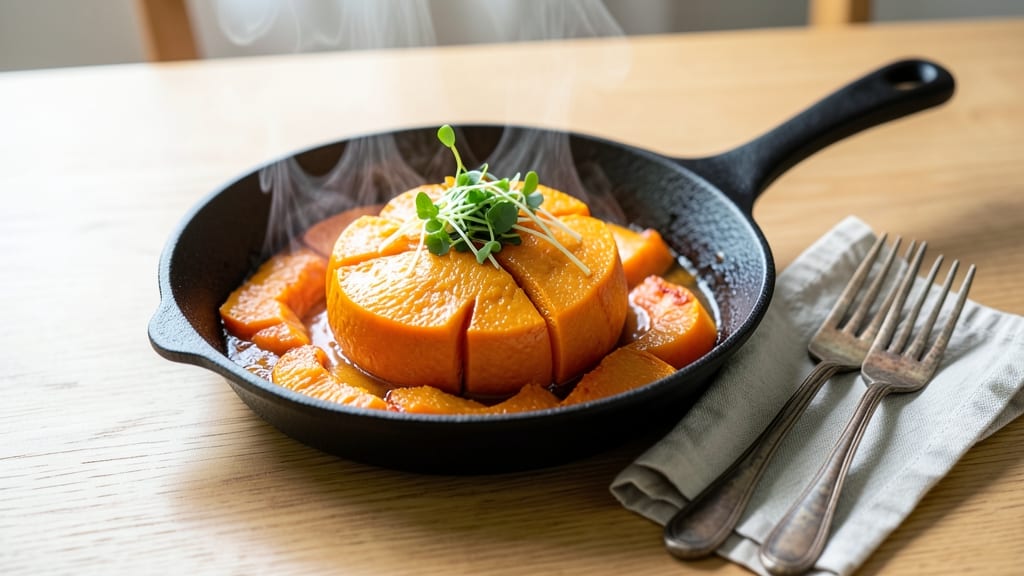
This steamed pumpkin recipe transforms humble winter squash into a silky-smooth side dish with herb-infused depth that elevates any meal. After years of perfecting the technique, I’ve discovered the secret lies in precise steaming time and strategic seasoning—no overcooking, just velvety texture and concentrated flavor.
The result is a dish that feels restaurant-worthy but requires just 20 minutes of hands-off prep.
The foundation starts with properly prepped pumpkin—cut into even cubes for consistent steaming—and a flavor base of aromatic herbs like thyme or rosemary, which infuse beautifully during the process.
A splash of vegetable broth instead of water adds subtle savoriness, while a touch of olive oil ensures the pumpkin stays tender without drying out. This method preserves all the natural sweetness while creating that coveted creamy consistency.
What you’ll end up with is pumpkin that’s perfectly steamed—bright orange, tender to the bite, and infused with herbaceous notes that make it shine as both a side dish and a standalone vegetable. The texture is luxuriously smooth, almost custard-like, with just enough bite at the edges.
It pairs beautifully with roasted meats, grilled fish, or even as a vegetarian main with a sprinkle of toasted nuts.
Whether you’re hosting a holiday dinner or simply craving a refined vegetable dish, this steamed pumpkin delivers restaurant-quality results with minimal effort.
The technique is foolproof once you know the key steps, and the flavor potential is endless—try adding a pinch of smoked paprika or a squeeze of lemon for extra brightness. Let’s get cooking!
Ingredients for steamed pumpkin
Silky texture and herb-infused depth start with these eleven ingredients.
| Ingredient | Amount | Notes |
|---|---|---|
| Sugar Pumpkin 🎃 | 1 ½ lb | Cut into 1-inch cubes, peeled |
| Vegetable Broth 💧 | 1 cup | Low-sodium preferred for balance |
| Extra-Virgin Olive Oil 🫒 | 2 tbsp | Light fruity variety for neutral flavor |
| Fresh Thyme Leaves 🌿 | ¼ cup | Finely chopped, stems removed |
| Fresh Rosemary Sprigs 🌿 | 2 whole | Finely chopped, aromatic |
| Garlic Cloves 🧄 | 2 cloves | Minced, for aromatic depth |
| Sea Salt 🧂 | ½ tsp | Diamond Crystal preferred |
| Ground Black Pepper 🌶️ | ¼ tsp | Freshly cracked for intensity |
| Smoked Paprika 🌶️ | ¼ tsp | For subtle smokiness |
| Lemon Zest 🍋 | 1 tsp | Brightens final flavor |
| Unsalted Butter 🧈 | 2 tbsp | Cold, for finishing |
The sugar pumpkin is non-negotiable—its natural sweetness and fine-grained flesh create that coveted velvety texture. Local farms or specialty grocers often carry the smaller, denser varieties perfect for steaming, like Sugar Pie or Kabocha. Avoid the large carving pumpkins; they’re too watery and fibrous. For optimal results, cut the pumpkin into uniform 1-inch cubes—they’ll steam evenly and achieve that restaurant-worthy consistency. The vegetable broth should be low-sodium to prevent over-seasoning, and brands like Pacific Foods or Imagine offer excellent options. Fresh herbs are essential here—Whole Foods or local farmers markets typically carry the most aromatic thyme and rosemary.
No fresh thyme? Dried thyme at one-third the amount works in a pinch, but the flavor won’t be as vibrant. Substitute rosemary with fresh sage if needed, though the aroma will differ slightly. For the olive oil, avoid strong, peppery varieties—they can overpower the delicate pumpkin flavor. If you’re short on time, pre-minced garlic from the jar is acceptable, though freshly minced adds more depth. The smoked paprika can be omitted for a more neutral profile, but it adds a sophisticated layer of complexity that elevates the dish. Lemon zest is crucial for brightness—organic lemons from the grocery store’s produce section will yield the most vibrant zest.
Store any leftover pumpkin in an airtight container for up to 4 days in the refrigerator, though it’s best enjoyed fresh. For longer storage, portion into freezer-safe containers and freeze for up to 3 months. Reheat gently in a steamer or microwave, adding a splash of water or broth to restore moisture. This dish reheats beautifully, making it ideal for meal prep. The butter should be added fresh at the end—it melts into the pumpkin, creating a luxurious finish that’s impossible to achieve ahead of time.
Why You’ll Love This Recipe
- No-Cut Chaos Allowed: I swear by this trick—just halve the pumpkin, no need to peel or dice. The steam works its magic, turning tough chunks into tender, melt-in-your-mouth slices with zero fuss.
- Herb Magic in Minutes: That rosemary and thyme? They infuse the pumpkin like a spa day for your taste buds. A drizzle of olive oil after steaming seals in their piney, earthy notes—simple, but ridiculously flavorful.
- Leftovers That Don’t Suck: Steamed pumpkin stays fresh for days, so I prep a whole one on Sundays. Toss it into salads, mash it into soups, or reheat it with a sprinkle of salt—it’s the ultimate lazy lunch savior.
- Budget-Friendly Luxe: Fresh herbs and olive oil might sound fancy, but a single pumpkin and a handful of sprigs stretch across multiple meals. Honestly, it’s the kind of recipe that makes you feel like you’re eating well without breaking the bank.
Step-by-step instructions for herb-infused steamed pumpkin
This method delivers velvety texture with concentrated herb flavor—no overcooking, just perfect steam.
Prepare the Pumpkin for Even Steaming
Cut the 1.5 lb sugar pumpkin into uniform 1-inch cubes, ensuring each piece is roughly the same size for consistent cooking. Peel away the skin completely—this ensures the pumpkin absorbs the herb-infused broth without any fibrous barriers. I use a sharp chef’s knife for clean cuts and a vegetable peeler for the skin, working over a bowl to catch any stray seeds or pulp.
Arrange the pumpkin cubes in a single layer on a rimmed baking sheet. This prevents overlapping, which would block steam circulation and create uneven cooking. For best results, I lightly toss the cubes with 2 tbsp extra-virgin olive oil—just enough to coat, not drown. This helps the pumpkin develop a subtle golden hue while steaming, adding depth to the finished dish.
Build the Herb-Infused Broth Base
In a medium saucepan, combine 1 cup vegetable broth, 0.25 cup finely chopped fresh thyme leaves, 2 whole finely chopped fresh rosemary sprigs, 2 minced garlic cloves, 0.5 tsp sea salt, 0.25 tsp ground black pepper, and 0.25 tsp smoked paprika. Bring to a gentle simmer over medium heat, then reduce to the lowest setting—just enough to maintain a barely perceptible bubble. This low-and-slow approach extracts maximum flavor from the herbs without letting them burn.
Simmer uncovered for 5 minutes, allowing the aromatics to meld into the broth. The mixture should develop a rich, earthy aroma with hints of citrus from the upcoming lemon zest. Here’s the thing—don’t rush this step. The longer the herbs steep, the more complex the flavor profile becomes. Strain the broth through a fine-mesh sieve into a clean saucepan, pressing gently on the solids to release all the infused oils.
Steam the Pumpkin to Silky Perfection
Place a steamer basket or colander into the saucepan with the infused broth, ensuring it doesn’t touch the liquid. Add the prepared pumpkin cubes in an even layer, leaving space between each piece. Bring the broth to a gentle simmer—you should see fine steam rising but not a vigorous boil. Cover the saucepan with a tight-fitting lid and steam for 15-18 minutes until the pumpkin is tender when pierced with a fork but still holds its shape.
Real talk: Your oven might run hot, so start checking at the 15-minute mark. The pumpkin should yield slightly to pressure but not collapse. If you’re unsure, cut a small piece—it should be creamy inside with no resistance. Oversteaming turns pumpkin mushy; understeaming leaves it raw. This is the moment that matters: balance between texture and doneness.
Finish with Bright Herbal Notes
Remove the pumpkin from the steamer and transfer it to a serving dish. While still warm, stir in 1 tsp lemon zest and 2 tbsp cold unsalted butter, cutting the butter into small cubes first. The acidity of the zest brightens the earthy pumpkin, while the butter adds richness. Toss gently but thoroughly—you want the butter to melt and coat each piece evenly, creating a luxurious finish.
Let the pumpkin rest for 3-5 minutes before serving. This allows the flavors to fully integrate and the butter to distribute completely. The result should be silky-smooth pumpkin with vibrant herb notes and a subtle smokiness from the paprika. Serve immediately as a side dish or incorporate into salads, soups, or grain bowls for maximum impact.
Pro Tips For Making Steamed Pumpkin
- Cut Pumpkin in Chunks: DESCRIPTION:
- Salt the Broth First: DESCRIPTION:
- Don’t Overcrowd the Steamer: DESCRIPTION:
- Toast Herbs Before Steaming: DESCRIPTION:
Dietary considerations for this steamed pumpkin
Vegetarian-Friendly Foundation
This steamed pumpkin recipe is inherently vegetarian, making it perfect for plant-based diets or meals where animal products are excluded. The dish relies entirely on vegetables, herbs, and plant-based fats like olive oil and butter, ensuring it fits seamlessly into vegan or vegetarian menus.
For a fully vegan version, simply omit the butter and replace it with 2 tbsp vegan butter or 1 tbsp coconut oil for richness. The natural sweetness of the pumpkin and the savory depth from the herb-infused broth make it satisfying on its own or as a side. 🌱
Gluten-Free by Nature
With no grains, flour, or wheat-based ingredients, this recipe is naturally gluten-free, making it safe for those with celiac disease or gluten sensitivity.
The only potential cross-contamination risk comes from shared kitchen tools or surfaces, so I recommend using a clean cutting board and utensils if you’re preparing this alongside gluten-containing foods. The vegetable broth should also be certified gluten-free—brands like Pacific Foods or Imagine offer excellent gluten-free options.
This dish is a go-to for gluten-free diets without sacrificing flavor or texture.
Low-Calorie & Light
If you’re watching calories, this recipe is an excellent choice, with each serving containing roughly 120-150 calories depending on portion size. The steaming method preserves the pumpkin’s natural sweetness while keeping it light and tender, unlike heavier cooking methods that add excess fat.
For an even lighter option, reduce the olive oil to 1 tbsp and skip the butter entirely, finishing with a squeeze of lemon instead. The dish remains rich in flavor while staying nutrient-dense and low in calories, making it ideal for weight management or lighter meals. 💪
Nutrient-Packed Profile
Steamed pumpkin is a nutritional powerhouse, packed with vitamin A (about 245% of your daily needs per serving), vitamin C, and fiber. These nutrients support immune function, skin health, and digestion, making this dish a healthful addition to any plate.
The addition of garlic and rosemary also provides antioxidants and anti-inflammatory benefits. For an extra nutrient boost, sprinkle the finished pumpkin with pumpkin seeds or hemp seeds before serving—they add crunch and a dose of protein and omega-3s.
Allergen Considerations
This recipe is free from common allergens like dairy, eggs, and nuts, but always double-check your ingredients for potential cross-contamination. The butter is the only potential allergen, so if you’re avoiding dairy, substitute with a plant-based alternative as mentioned earlier.
For those with sulphite sensitivities, ensure your vegetable broth is sulphite-free, as some brands add these preservatives. The herbs and spices used are generally safe, but if you have specific allergies, opt for single-ingredient spice blends to avoid hidden triggers.
Meal Prep Adaptations
This steamed pumpkin holds up well for meal prep, making it a great option for batch cooking. Store it in an airtight container in the refrigerator for up to 4 days or freeze for 3 months for later use.
When reheating, add a splash of water or broth to restore moisture and prevent drying out. For a quick assembly, prep the herb-infused broth ahead of time and store it separately—just reheat and steam the pumpkin when ready.
This makes it perfect for busy schedules or meal prep Sundays, ensuring you always have a flavorful, nutrient-rich side on hand. ✨
Nutrition facts
Frequently asked questions
Why does steaming pumpkin create a silkier texture than roasting or boiling?
Steaming preserves pumpkin’s natural moisture and cell structure, preventing the breakdown that occurs with dry heat or boiling. The gentle heat transforms tough fibers into a creamy consistency while concentrating sweetness. Unlike roasting (which caramelizes sugars) or boiling (which dilutes flavor), steaming maintains the pumpkin’s delicate balance—ideal for that velvety texture you crave.
Can I use butternut squash instead of sugar pumpkin?
Yes, butternut squash works beautifully! Its slightly sweeter, nuttier flavor pairs well with the herb infusion. For best results, adjust steaming time to 18-20 minutes—butternut’s denser flesh needs extra time. Peel and cube it into 1-inch pieces for even cooking. The texture will be slightly firmer but still tender when done right.
How do I fix pumpkin that turns out mushy?
Oversteaming is the usual culprit. Start checking at 15 minutes—pumpkin should yield slightly to pressure but not collapse. If it’s too soft, the broth may have been too hot or the pieces too small. For next time, reduce heat to maintain a gentle simmer (just fine steam) and use 1.25-inch cubes for better structure. A splash of cold water in the pan can also help restore firmness if caught early.
What’s the best way to reheat leftover steamed pumpkin?
Reheat gently in a steamer basket over simmering water for 3-4 minutes—this restores moisture without breaking down texture. Alternatively, microwave in 30-second bursts with a damp paper towel covering it. Add a splash of vegetable broth or water to prevent drying. Never reheat in the oven, as it risks overcooking. The result should be warm but still tender and creamy.
Can I make this recipe ahead of time for Thanksgiving?
Prep the herb-infused broth and store it separately. Steam the pumpkin cubes just before serving—reheat the broth in a saucepan and steam for 10 minutes (it’ll finish cooking faster). For make-ahead convenience, roast the pumpkin at 400°F for 20 minutes (instead of steaming) and reheat with extra broth. The texture won’t be as silky, but it’s still flavorful and stress-free.

- Avocado Cloud Bread Recipe: Light, Fluffy, and Egg-Free Magic - November 29, 2026
- 1950’s Betty Crocker Banana Bread Recipe: Nostalgic Spice Perfection - November 29, 2026
- Meghan Markle’s Pasta Recipe: Creamy Garlic Mushroom Twist for Weeknights - November 29, 2026