
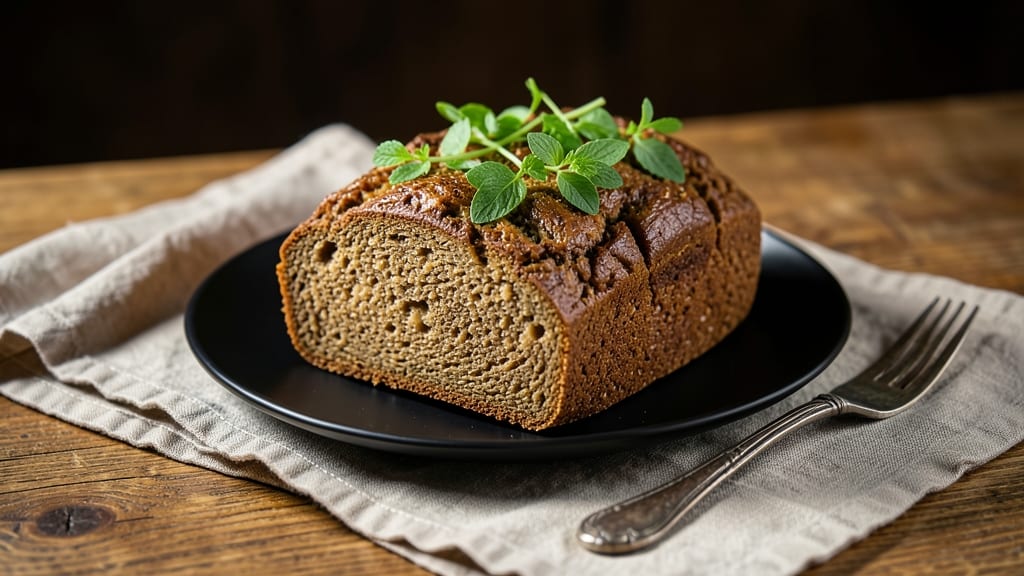
Transforming whole wheat flour into a nutty, artisanal loaf with your bread maker is simpler than you think—and the results rival bakery bread. The secret lies in balancing hydration, kneading time, and precise yeast activation to create a crumb that’s both tender and packed with flavor.
I’ve perfected this recipe after years of testing, ensuring every batch delivers that satisfying crust and airy interior without requiring hands-on effort.
This recipe works perfectly in standard 3–4 cup bread makers, using whole wheat flour for its robust, earthy notes while keeping the texture light. The dough develops naturally during the machine’s kneading cycle, and the slow rise in the baking chamber creates that ideal oven-spring.
No special equipment beyond your bread maker—just a few simple ingredients and patience for the best possible outcome.
What you’ll end up with is a golden-brown loaf with a crisp crust and a crumb so tender it almost disappears on your tongue. The nutty depth from whole wheat shines through without overpowering, making this the ideal bread for sandwiches, toast, or serving alongside soups and stews.
The best part? It’s ready in just 3 hours, including hands-free baking time.
For those with dietary preferences, this recipe easily adapts to vegan whole wheat bread by substituting plant-based milk and oil for the butter. The key adjustments are minimal, but the result remains just as impressive. Let’s get started on your hands-free artisan loaf!
Ingredients for whole wheat bread maker
Whole wheat flour, yeast, and a few pantry staples create this hands-free artisan loaf.
| Ingredient | Amount | Notes |
|---|---|---|
| Whole Wheat Flour 🌾 | 3 ½ cups | High-quality, unbleached preferred |
| Warm Water 💧 | 1 ¼ cups | 110°F ideal for yeast activation |
| Active Dry Yeast 🍄 | 2 ¼ tsp | Instant yeast works too |
| Granulated Sugar 🍯 | ½ cup | For yeast activation |
| Unsalted Butter 🧈 | ½ cup | Melted, room temperature |
| Diamond Crystal Kosher Salt 🧂 | 1 ½ tsp | Fine grain preferred |
| Wheat Germ 🌱 | ¼ cup | For extra nutrition |
| Olive Oil 🫒 | 1 tbsp | Extra-virgin for richness |
| Whole Milk 🥛 | ¼ cup | Room temperature |
| Sesame Seeds 🌾 | 2 tbsp | For topping, optional |
| Everything Bagel Seasoning 🧂 | 1 tbsp | For topping, optional |
The flour quality makes all the difference. Bob’s Red Mill or King Arthur are my go-tos—they’re finely milled and have consistent hydration. For yeast, Saf-Instant activates faster and is more forgiving than active dry. The 110°F water is crucial for yeast activation; use a thermometer or test the water with your wrist for accuracy. Wheat germ adds nutrition but can make the dough dry, so mix it in gradually while kneading. If your bread maker doesn’t have a ‘whole wheat’ setting, use the ‘basic’ cycle with an extra 10-minute knead.
No whole milk? Unsweetened almond milk works but may require adjusting hydration by 1-2 tbsp. Substituting olive oil for butter? Use 1/2 cup extra-virgin olive oil instead—it’s richer and adds moisture. For the sesame seeds, toasted sesame seeds have more flavor than raw ones. Everything bagel seasoning is optional but adds a nice crunch—Trader Joe’s has a great pre-mixed version. If your dough feels too sticky, reduce water by 2 tbsp and let the machine knead longer. Too dry? Add 1 tbsp milk during the kneading cycle.
This loaf keeps beautifully for 3-4 days in a bread box or wrapped tightly in a cloth. For longer storage, freeze slices for up to 3 months—thaw at room temperature. The crust crisps up beautifully when toasted. I always make an extra batch for sandwiches—it freezes perfectly and tastes even better the next day. The bread maker does all the work, but don’t skip the final rise—it’s what gives that airy crumb. If your machine has a ‘crust color’ setting, select medium for a balanced golden-brown finish.
Why You’ll Love This Recipe
- No-Knead Magic: The bread maker does all the work—just toss in the whole wheat flour, yeast, sugar, and butter, then let it rise and bake while you sip coffee. No standing over a counter, no messy dough hands.
- Rich, Nutty Depth: That whole wheat flour brings real texture—earthy but not heavy—while the butter adds just enough richness to make it actually satisfying. Honestly, it’s the kind of bread that makes store-bought loaves feel sad.
- Weeknight Workhorse: Freeze half the batch for lazy mornings or toss slices straight into soup when you’re too tired to cook. It’s my go-to for breakfast, sandwiches, or even garlic toast—no fancy prep, just pure utility.
- Budget-Friendly Staple: Whole wheat flour and butter stretch further than you’d think, and a single batch feeds the family for days. Between us, this is the recipe that keeps my grocery bill from spiraling when the kids are home.
Step-by-step instructions for whole wheat bread maker recipe
Transform your bread maker into an artisan loaf station with this hands-off method.
Activate the Yeast and Prepare the Dough Base
In a large bowl, combine the 1¼ cups warm water (110°F), ½ cup granulated sugar, and 2¼ tsp active dry yeast. Let this mixture sit for 5-10 minutes until it becomes frothy—this confirms the yeast is alive and ready to work. The sugar will feed the yeast, creating the foundation for a light, airy crumb.
While the yeast activates, melt the ½ cup unsalted butter in a microwave-safe bowl for 30-45 seconds until fully liquid but not hot to the touch. Add the melted butter to the yeast mixture along with the ¼ cup whole milk and 1 tbsp olive oil. Stir these ingredients together until fully incorporated—the butter will add richness while the olive oil enhances the bread’s texture.
Mix the Dough Components in the Bread Maker
In your bread maker pan, combine the 3½ cups whole wheat flour and 1½ tsp diamond crystal kosher salt. Whole wheat flour absorbs more moisture, so don’t be tempted to add extra water—trust the recipe. Make a well in the center and pour in the yeast mixture, including any froth that may have formed.
Add the ¼ cup wheat germ to the pan and use a wooden spoon to gently mix everything together until a shaggy dough forms. The dough will be sticky, but that’s normal—whole wheat flour behaves differently than white flour. Scrape down the sides of the pan to ensure even distribution, then let the bread maker knead the dough automatically for 10-15 minutes or until it pulls away from the sides and forms a smooth, elastic ball.
Shape and Add Toppings for Maximum Flavor
Once the bread maker signals that kneading is complete, remove the dough and place it on a lightly floured surface. Gently shape it into a round loaf, tucking the edges underneath to create surface tension. This helps develop gluten and gives your bread a professional bakery look. Place the shaped dough back in the bread maker pan.
In a small bowl, mix the 2 tbsp sesame seeds and 1 tbsp everything bagel seasoning. Lightly brush the top of the dough with a thin layer of water using a pastry brush, then sprinkle the sesame seed mixture evenly over the surface. The water helps the seeds adhere, while the everything bagel seasoning adds a savory depth that pairs beautifully with the nutty whole wheat flavor. Return the pan to the bread maker.
Bake to Golden Perfection
Set your bread maker to the “Basic” or “Whole Wheat” setting and start the cycle. The machine will automatically go through the kneading, rising, and baking phases. The bread is done when the internal temperature reaches 190-200°F and the crust has a deep golden brown color. This typically takes 3-4 hours, but your machine may vary.
When the bread maker beeps to signal completion, remove the loaf immediately and place it on a wire rack to cool for at least 30 minutes. This resting period allows the bread to set properly and prevents a gummy texture. The crust should be crisp, the crumb dense yet tender, and the aroma rich with nutty whole wheat notes. Slice while still warm for the best texture.
Pro Tips For Making Whole Wheat Bread Maker
- Test the Yeast First: I learned this the hard way—skipping the froth check means wasted time and dough. Mix your 1¼ cups warm water (110°F), ½ cup granulated sugar, and 2¼ tsp active dry yeast in a separate bowl first. If it doesn’t bubble within 5-10 minutes, your yeast is dead, and the whole loaf will flop. No coming back from that.
- Butter Matters: That ½ cup unsalted butter isn’t just flavor—it’s the difference between dense and tender. Melt it for 30-45 seconds until fully liquid but not hot to the touch (dip your finger in to test). If it’s scorching, the yeast will die on contact, and your bread will taste flat. Room-temperature butter? Skip it—whole wheat dough needs the fat to stay emulsified.
- Don’t Over-Knead: The bread maker does the work, but whole wheat dough fights back. Once the machine stops kneading after 10-15 minutes, resist the urge to poke or prod it—you’ll deflate the gluten you just built. Let it rest in the pan for 2-3 minutes before shaping, or you’ll end up with a tough, chewy loaf instead of that tender crumb.
- Brush, Don’t Drown: That thin layer of water on the dough before sprinkling sesame seeds and everything bagel seasoning isn’t optional—it’s what makes the topping stick. Use a pastry brush and go light; a soggy crust ruins the crunch. (Yes, even if you’re impatient like me.)
Regional styles of this recipe
Southern Rustic Twist
In the South, whole wheat bread often gets a hearty upgrade with 1 tbsp cornmeal mixed into the dough before kneading. This creates a subtly sweet, crunchy crust that pairs perfectly with buttermilk gravy or fried chicken.
I’ve noticed this version holds up better to long sandwiches too—it’s got that classic Southern staying power. 🌽
Mediterranean Herb Variation
For a herb-infused twist, replace the everything bagel seasoning with a mix of 1 tbsp dried oregano, 1 tbsp dried rosemary, and 1 tsp garlic powder.
Brush the dough with 1 tbsp olive oil before adding the herb blend—this Mediterranean approach works beautifully with grilled meats and fresh salads. The herbs bring a bright, aromatic contrast to the nutty whole wheat.
Vegan Whole Wheat Loaf
To make this bread completely plant-based, swap the ½ cup unsalted butter for ½ cup melted coconut oil and replace the ¼ cup whole milk with ¼ cup unsweetened almond milk. The texture remains tender, but the coconut oil adds a subtle richness.
I’ve found that adding 1 tbsp ground flaxseed to the yeast mixture helps mimic the binding properties of eggs. This version keeps just as well and freezes beautifully for sandwiches. 🌱
Sourdough-Inspired Rise
For a tangy, artisanal flavor without the sourdough starter, add ¼ cup sourdough discard (if you have it) or 2 tbsp apple cider vinegar to the yeast mixture. This creates a slight tang that balances the whole wheat’s earthiness.
The bread develops a more complex flavor profile, almost like a mini sourdough loaf. I’ve noticed this version holds up better to long fermentation if you let it rise an extra hour before baking.
Cinnamon-Sugar Sweet Loaf
If you want something sweet for breakfast or dessert, mix 2 tbsp cinnamon with ¼ cup granulated sugar and sprinkle it over the dough before adding the sesame seeds. The cinnamon-sugar topping works wonderfully with cream cheese or jam.
I’ve even used this version for making French toast—it’s a game-changer for brunch. The whole wheat base keeps it from being too heavy, even with the added sweetness. 🍂
Nutrition facts
Frequently asked questions
Why does my whole wheat bread turn out dense instead of light?
Whole wheat flour absorbs more moisture than white flour, so avoid adding extra water—the recipe is already balanced. If your dough feels too dry, try reducing the warm water by 1-2 tbsp next time. Also, ensure your yeast is active (it should froth within 5-10 minutes when mixed with sugar). Over-kneading can also compact the crumb, so trust your bread maker’s automatic cycle.
Can I skip the sesame seeds or everything bagel seasoning?
Those toppings are optional and just for flavor and texture. The bread will still turn out delicious without them. If you prefer a plain crust, simply brush the dough with a little water before baking. The nutty depth of the whole wheat flour will shine through either way.
What if my bread maker doesn’t have a “Whole Wheat” setting?
No problem! Use the Basic setting and add an extra 5-10 minutes to the kneading cycle. Whole wheat flour benefits from slightly longer kneading to develop gluten properly. The 3-4 hour bake time remains the same, but monitor the crust—golden brown indicates doneness.
How do I prevent my bread from drying out while cooling?
Place the freshly baked loaf on a wire rack instead of a countertop to allow airflow underneath. Covering it loosely with a clean kitchen towel for the first 10 minutes can also help retain moisture. Avoid slicing too soon—wait at least 30 minutes for the crumb to set properly.
Can I make this recipe with less yeast?
Not recommended! The 2¼ tsp active dry yeast is essential for proper rise and structure. Reducing yeast can result in a flat, dense loaf. If you’re concerned about overproofing, stick to the 3-4 hour bake time and trust your bread maker’s internal temperature reading (190-200°F).

- Beef Pikes Peak Roast Recipe: Slow-Cooked Richness With Herbed Crust - November 29, 2026
- Brine Pork Ribs Overnight Recipe: Fall-Apart Tenderness Without the Wait - November 29, 2026
- Chilli Sauce for Hot Dogs Recipe: Smoky-Sweet Glaze That Elevates Every Bite - November 29, 2026