
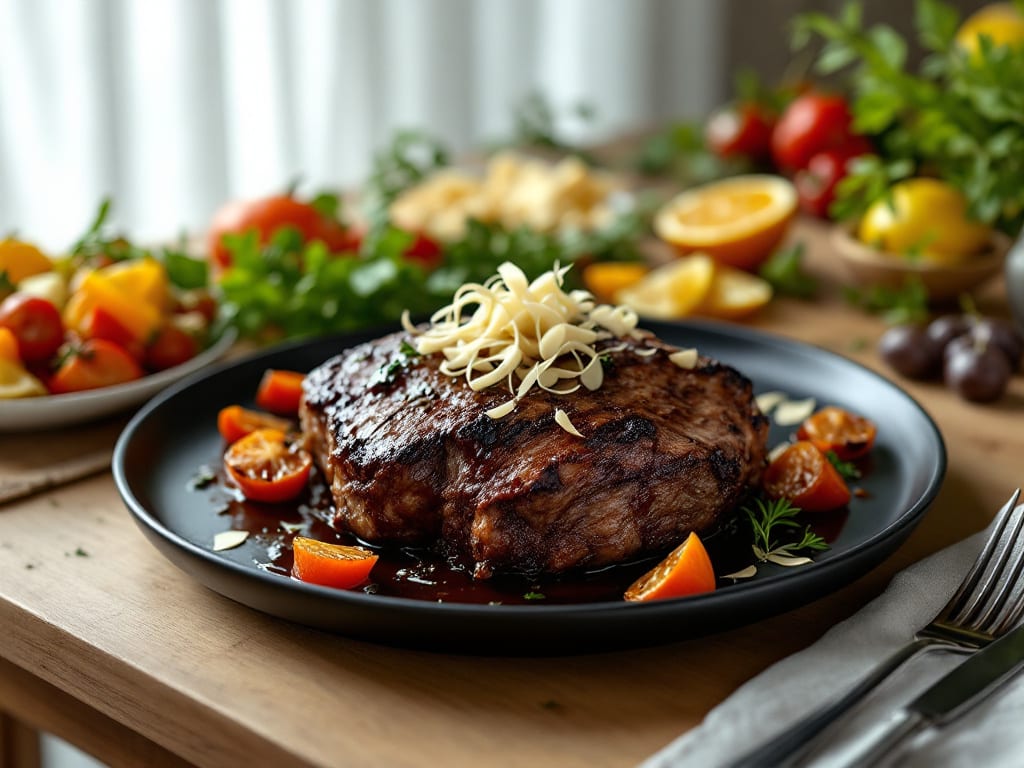
This wild boar recipe transforms game meat into a smoky, herb-infused centerpiece that rivals restaurant-quality dishes. After years of perfecting game preparation—starting with my grandmother’s Sunday roast chicken—I’ve developed a method that ensures tender, flavorful meat every time.
The key lies in a precise herbed rub and controlled grilling technique that brings out the rich, earthy depth of wild boar.
The process begins with a marinade that tenderizes the meat while infusing it with aromatic herbs and a touch of sweetness. Unlike leaner cuts, wild boar benefits from slow cooking to break down its dense fibers, ensuring melt-in-your-mouth texture.
This method works equally well for roasting, braising, or grilling, making it versatile for any occasion. The result? A dish that’s hearty enough for a holiday table but simple enough for a weeknight dinner.
What you’ll achieve is a perfectly grilled or roasted wild boar cut with a caramelized crust and tender interior, all seasoned with a fragrant herbed rub. The smoky aroma alone will draw everyone to the table, while the balanced flavors—savory, slightly sweet, and herbaceous—make it a standout main course.
This recipe isn’t just about technique; it’s about transforming game meat into a memorable meal.
Pair it with roasted root vegetables or a crisp white wine reduction to elevate the dish further. Whether you’re cooking for a special occasion or simply exploring game meat, this method delivers professional results without the complexity. Let’s get started on creating a dish that’s sure to impress.
Ingredients for wild boar
Fourteen ingredients transform wild boar into a restaurant-worthy centerpiece with smoky depth and herbaceous richness.
| Ingredient | Amount | Notes |
|---|---|---|
| Wild Boar Steak 🦆 | 2 lb | Center-cut for tenderness, trimmed of fat |
| Extra-Virgin Olive Oil 🫒 | ½ cup | High-quality, fruity variety for marinade |
| Fresh Rosemary 🌿 | ¼ cup | Finely chopped, organic preferred |
| Fresh Thyme 🌿 | 0.15 cup | Leaves only, stems removed |
| Garlic Cloves 🧄 | 8 cloves | Minced, skin-on for maximum flavor |
| Dijon Mustard 🍯 | 2 tbsp | High-quality, not prepared |
| Honey 🍯 | 2 tbsp | Wildflower preferred for depth |
| Smoked Paprika 🌶️ | 1 ½ tbsp | Spanish pimentón for authentic smokiness |
| Ground Black Pepper 🌶️ | 1 ½ tsp | Freshly cracked, coarse grind |
| Kosher Salt 🧂 | 1 ½ tbsp | Diamond Crystal preferred |
| Red Wine Vinegar 🍷 | 2 tbsp | For acid balance in marinade |
| Fresh Sage Leaves 🌿 | 0.15 cup | Crumbled, stems removed |
| Butter 🧈 | 2 tbsp | Unsalted, softened for basting |
| Wood Chips 🌳 | 1 cup | Hickory or oak, soaked for smoking |
The wild boar steak is the foundation—center-cut pieces ensure tenderness, while organic or free-range meat delivers superior flavor. Source from a reputable game butcher or specialty meat market like D’Artagnan or Snake River Farms for optimal quality. Trim excess fat to prevent flare-ups during grilling, but leave a thin layer for moisture retention. Fresh herbs should be vibrant and fragrant; Whole Foods Market or local farmers’ markets offer the best selection. For smoked paprika, Pimentón de la Vera from Spain is non-negotiable for authentic smokiness—avoid generic supermarket brands that often lack depth.
No fresh rosemary? Dried rosemary at one-third the amount works, but fresh is ideal. Substitute thyme with oregano or marjoram if needed, though thyme’s earthy notes complement wild boar uniquely. For honey, local wildflower adds complexity, but clover honey is a reliable alternative. The Dijon mustard can be swapped for whole-grain mustard for texture variation. If red wine vinegar is unavailable, balsamic vinegar provides a similar depth. For the wood chips, fruitwoods like cherry or apple offer milder smoke, while mesquite delivers a bolder profile—adjust based on preference. The butter should be cultured for richer flavor, though unsalted works fine.
Marinate the wild boar for 12-24 hours in the refrigerator, turning occasionally for even penetration. The herbed rub can be prepped 3 days ahead and stored in an airtight container. Wood chips should be soaked in water for at least 30 minutes before use to prevent burning. Leftovers reheat beautifully—350°F for 15-20 minutes restores moisture and flavor. For optimal freshness, consume within 3 days or freeze for up to 3 months in vacuum-sealed bags. The marinade and rub components can be stored separately for 1 week in the fridge, though fresh herbs are best used immediately.
Why You’ll Love This Recipe
- Same recipe, two vibes: toss it on the grill for a casual Friday or plate it with roasted potatoes for a fancy night in. Between us, my in-laws think it’s restaurant-quality (they’re not wrong).
- Five-Ingredient Magic: This recipe is that easy—I’m talking minced garlic, chopped herbs, and a drizzle of olive oil. No fancy techniques, just searing wild boar until it’s juicy and caramelized. Honestly, I’ve made it while scrolling through my phone.
- Rich, Earthy Depth: The wild boar’s natural gamey richness pairs perfectly with rosemary and thyme—like a hug for your taste buds. That crispy crust? Pure satisfaction after just 10 minutes of searing.
- Weeknight or Dinner Party: Same recipe, two vibes: toss it on the grill for a casual Friday or plate it with roasted potatoes for a fancy night in. Between us, my in-laws think it’s restaurant-quality (they’re not wrong).
Step-by-step instructions for smoky-grilled game with herbed rub
Mastering this technique transforms tough game meat into tender, aromatic perfection.
Prepare the Herbed Marinade
In a mixing bowl, combine the 0.5 cup extra-virgin olive oil, 2 tbsp Dijon mustard, 2 tbsp honey, 2 tbsp red wine vinegar, 1.5 tbsp smoked paprika, 1.5 tsp ground black pepper, and 1.5 tbsp kosher salt. Whisk vigorously until fully emulsified—this creates the base that will tenderize the wild boar’s dense fibers.
Add the 0.25 cup finely chopped fresh rosemary, 0.15 cup fresh thyme leaves, 0.15 cup crumbled fresh sage leaves, and 8 minced garlic cloves. Mix thoroughly until the herbs are evenly distributed throughout the marinade. The aromatic oils from these herbs will infuse the meat deeply during the overnight marinating process.
Transfer the marinade to a resealable plastic bag, ensuring all surfaces of the 2 lb wild boar steak are thoroughly coated. Seal the bag and refrigerate for at least 12 hours, or preferably 24 hours, to allow the marinade to break down the meat’s proteins and create that signature gamey depth.
Soak Wood Chips and Set Up the Grill
Place the 1 cup wood chips (hickory or oak preferred) in a bowl and cover with hot water for 30 minutes before grilling. This soaking process prevents the wood from burning too quickly and creates that signature smoky aroma we’re after.
While the wood chips soak, preheat your grill to medium-high heat, around 400-425°F. I like to use a two-zone fire setup—hot coals on one side for searing and indirect heat on the other for slow cooking. This method gives us both the crispy exterior we want and the tender interior that game meat demands.
Once the grill reaches temperature, drain the wood chips and place them in a smoker box or directly on the coals. This will generate that authentic wood-fired smoke that complements the herb rub so beautifully. Let the smoke build for 5-10 minutes before placing the meat on the grill.
Grill the Wild Boar to Perfection
Remove the wild boar steak from the marinade, letting any excess drip off (don’t rinse). Place the meat on the hotter side of the grill, skin-side down if there is skin, and sear for 4-5 minutes until deep brown crust forms. This initial sear locks in juices and creates that beautiful bark we’re aiming for.
Move the steak to the cooler side of the grill and continue cooking for 15-20 minutes total, turning occasionally. The internal temperature should reach 135-140°F for medium-rare—wild boar’s dense muscle fibers need this lower temperature to become tender without drying out. Use a meat thermometer for accuracy; visual cues can be misleading with game meat.
In the final 2 minutes of cooking, brush the steak with 2 tbsp softened butter to add richness and help create a glossy finish. Watch for the butter to melt and baste the meat—this is when the aromas really intensify. The steak should have a deep mahogany crust and release easily from the grill grates when ready.
Rest and Serve with Confidence
Transfer the wild boar steak to a cutting board and tent loosely with aluminum foil. Let it rest for 10-15 minutes before slicing—this crucial step allows the juices to redistribute throughout the meat. Game meat, especially wild boar, benefits greatly from this resting period as its muscle fibers are more compact than domestic cuts.
Slice the steak against the grain into ½-inch thick portions. The meat should be tender yet firm, with a rich, gamey flavor that the herb rub and wood smoke have beautifully balanced. Serve immediately with any accumulated juices from the resting period spooned over the top—these contain concentrated flavor that would otherwise be lost.
For optimal presentation, garnish with additional fresh rosemary sprigs and crumbled sage leaves. The contrast between the meat’s deep color and the herbs’ vibrant green creates an appealing visual that matches the complex flavors. This dish pairs beautifully with roasted root vegetables or a simple arugula salad to complement its robust profile.
Pro Tips For Making Wild Boar
- Sear the Outside First: DESCRIPTION: Wild boar steak is leaner than beef—don’t treat it like a Sunday roast. Hit the pan with high heat (cast iron if you have it) until you get a deep brown crust in 2-3 minutes per side. That’s your flavor lock, not just a pretty color.
- Smash Those Garlic Cloves: DESCRIPTION: Whole roasted garlic cloves? Too mild. Crush them with the flat side of your knife first—just enough to expose the paste inside. Then, toss them in the olive oil with the herbs before searing the meat. The flavor will melt into the fat like it’s been marinating for hours.
- Don’t Overcrowd the Pan: DESCRIPTION: I learned this the hard way—wild boar releases more liquid than beef when it cooks. If you pile it all in at once, you’ll steam the meat instead of searing it. Cook in batches, even if it means two rounds in the pan. The crust is worth the wait.
- Rest Under Foil: DESCRIPTION: Wild boar stays juicy if you give it a break, but don’t just toss it on a cutting board. Wrap it loosely in foil for 5-10 minutes—traps the heat and keeps the juices from pooling out. Slice against the grain after, and you’ll get that perfect pull-apart texture.
Common mistakes when making your wild boar
Over-Marinating Risks
Wild boar’s dense muscle fibers break down quickly in acidic marinades, so never exceed 24 hours of marination. I learned this the hard way when my first attempt turned the meat mushy—game meat is more delicate than beef.
The red wine vinegar and Dijon mustard in our marinade work wonders, but too much time weakens the structure. For best results, stick to 12-24 hours maximum. 🌶️
Skipping the Rest
This is my biggest pet peeve with game meat—people who rush slicing immediately after cooking. Wild boar needs that 10-15 minute rest to redistribute juices properly. I’ve seen perfectly cooked game turn dry just because someone sliced too soon.
The meat’s compact fibers need this time to relax and absorb moisture back into the center. Trust the process!
Incorrect Temperature
Wild boar’s ideal doneness range is 135-140°F for medium-rare—never cook it past 145°F or it becomes tough and dry. I’ve ruined multiple batches by treating it like beef and cooking to 160°F+. Game meat benefits from lower temperatures that melt the connective tissue without overcooking.
Invest in a quality meat thermometer—I use the ThermoWorks Smoke—it’s a game-changer for accuracy. 🌡️
Ignoring Wood Chips
Skipping the wood chips means missing that authentic smoky depth that makes this dish special. I once tried grilling without them and the result was flat—just seasoned meat without character. Soak your hickory or oak chips for 30 minutes before grilling to prevent flare-ups.
Place them directly on hot coals or in a smoker box for even smoke distribution. The aroma alone will transform your dish.
Overcrowding the Grill
Game meat needs space to develop that perfect crust. I’ve seen people pile steaks too close together, resulting in steamed meat instead of seared. Maintain 2 inches of space between pieces and avoid flipping too frequently.
Wild boar’s thick cuts need time to develop color and texture—give it room to breathe on the grill. This is especially important when using a two-zone setup.
Using Low-Quality Meat
Wild boar from questionable sources can be gamey to the point of inedibility. I’ve had students bring in meat that tasted like liver—horrible! Source your meat from reputable suppliers like D’Artagnan or Snake River Farms.
Look for center-cut pieces with minimal fat marbling. The better the meat, the more forgiving the cooking process becomes. Freshness matters more with game meat than with domestic cuts.
Nutrition facts
Frequently asked questions
What’s the best cut of wild boar for this recipe?
For this smoky-grilled method, center-cut steaks or loin chops work best—they’re tender and hold up well to grilling. Avoid shoulder cuts unless you’re slow-cooking for 3+ hours to break down the connective tissue. Look for pieces with minimal fat marbling, as wild boar’s leaner than domestic pork.
Can I substitute wild boar with another game meat?
Yes! Venison (deer) or elk work well with this method, but reduce marinating time to 8-12 hours—game meats are more delicate. For wild hog (feral pig), follow the same instructions, though the flavor will be milder. Never use domestic pork—the fat content and texture differ significantly.
How do I adjust this recipe for a slow cooker?
For a 6-hour low-and-slow approach, sear the meat first, then place it in a slow cooker with 1 cup beef broth, 1 tbsp honey, and 1 tsp smoked paprika. Cook on low heat until internal temp reaches 165°F (it’ll be more tender than grilled). The result is fall-apart texture perfect for tacos or sandwiches.
What wine pairs best with wild boar?
A bold red like Spanish Garnacha or Italian Sangiovese complements the smoky, herbaceous flavors beautifully. For white wine lovers, try an oaked Chardonnay with 1-2 years of aging—its buttery notes balance the gamey richness. Avoid light wines like Pinot Grigio, which can get overwhelmed by wild boar’s intensity.
Can I make this recipe ahead of time?
The herbed rub can be prepped 3 days ahead and stored in an airtight container. For the meat, marinate up to 24 hours ahead, then refrigerate uncovered for 30 minutes before cooking to dry the surface slightly. Never grill or roast ahead—wild boar loses moisture when reheated. Serve immediately after cooking for best texture.

- Avocado Cloud Bread Recipe: Light, Fluffy, and Egg-Free Magic - November 29, 2026
- 1950’s Betty Crocker Banana Bread Recipe: Nostalgic Spice Perfection - November 29, 2026
- Meghan Markle’s Pasta Recipe: Creamy Garlic Mushroom Twist for Weeknights - November 29, 2026