
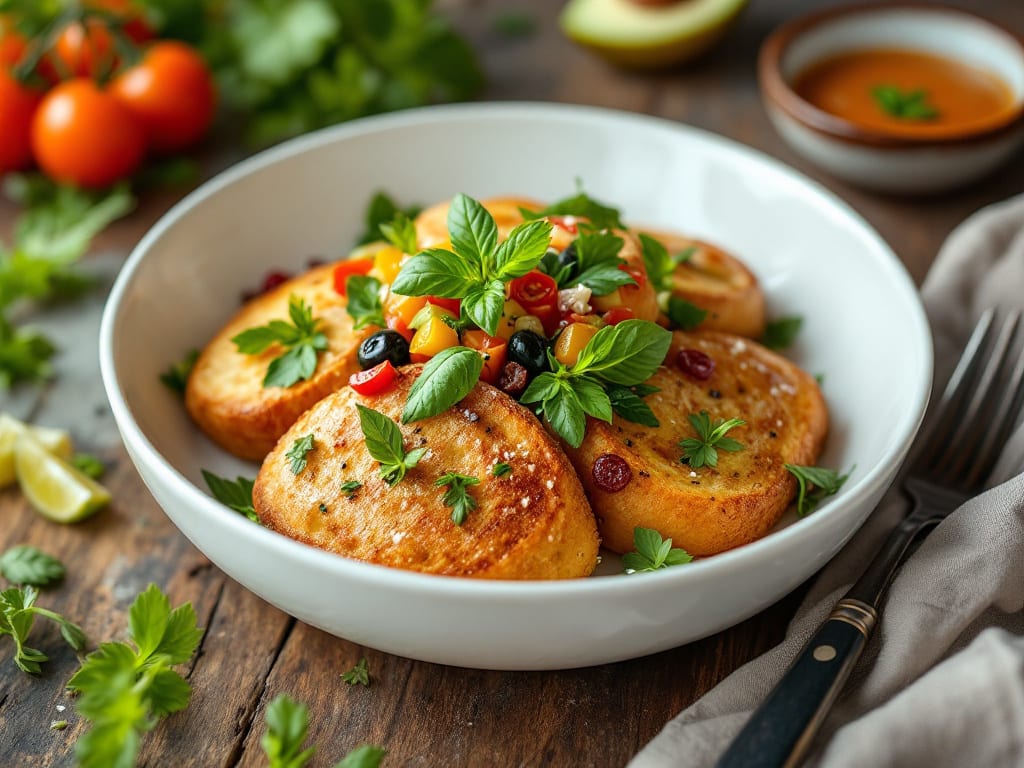
This Acme Olive Bread recipe delivers a crusty, aromatic loaf where briny olives and fragrant herbs create a flavor profile that elevates any meal. The secret lies in the dough’s slow fermentation and the precise moment to fold in the olives, ensuring they distribute evenly without sinking.
I developed this version after years of experimenting with Mediterranean-inspired breads, and it consistently produces a loaf with a crisp exterior and tender, olive-speckled interior.
The beauty of this recipe is its versatility—whether you’re serving it warm with olive oil and balsamic, toasted for breakfast, or sliced alongside charcuterie. The dough requires just five simple ingredients plus olives, yet the result is a bread so flavorful it becomes the star of the table.
Professional bakers swear by the olive oil secrets here, including a cold fermentation step that deepens flavor without requiring advanced techniques.
By the time you pull this loaf from the oven, you’ll have a golden-brown crust with visible olive flecks peeking through the surface. The aroma alone—herby, briny, with a hint of garlic—will have everyone gathered around your table.
Each slice reveals a tender crumb studded with olives, their saltiness balanced by the dough’s subtle sweetness. This is the kind of bread that transforms ordinary meals into something special.
Perfect for meal prep, gifting, or impressing guests, this recipe delivers restaurant-quality results in your own kitchen. The key is patience—letting the dough rest overnight develops complex flavors that no shortcut can replicate.
Once you try it, you’ll never buy store-bought olive bread again. Let’s get started on this crusty masterpiece.
Ingredients for acme olive bread
Five staples plus Mediterranean flavors transform into restaurant-quality olive bread.
| Ingredient | Amount | Notes |
|---|---|---|
| Extra-Virgin Olive Oil 🫒 | ½ cup | High-quality, fruity variety for flavor |
| Active Dry Yeast 🍞 | ¼ oz | Fresh yeast works too (0.125 oz) |
| Warm Water 💧 | 1 ¼ cups | 110°F for optimal yeast activation |
| All-Purpose Flour 🌾 | 5 cups | Bread flour preferred for chewier texture |
| Diamond Crystal Kosher Salt 🧂 | 1 ½ tsp | Fine grain for even distribution |
| Granulated Sugar 🍚 | 1 tbsp | Feeds yeast for fermentation |
| Fresh Rosemary 🌿 | 2 tbsp | Finely chopped, organic preferred |
| Fresh Thyme Leaves 🌿 | 1 tbsp | Stems removed, finely chopped |
| Green Olives 🫒 | ¾ cup | Pitted, chopped (Kalata preferred) |
| Garlic Cloves 🧄 | 3 cloves | Minced, for dough enrichment |
| Cornmeal 🌽 | ¼ cup | For dusting baking surface |
| Coarse Sea Salt 🧂 | 1 tbsp | For final crust scoring |
The olive oil is non-negotiable here—look for extra-virgin with fruity notes like Colavita or California Olive Ranch at specialty markets. Fresh yeast is ideal but active dry works fine—just proof it in warm water with sugar first. For olives, Kalata or green Gaeta from Trader Joe’s or Italian markets add the best briny punch. The herbs? Fresh is essential—dried won’t give that bright aroma. If you’re short on rosemary, thyme plus a pinch of oregano works, but the piney notes are key. Store-bought olive oil? Use the best you’ve got—this isn’t the place to skimp.
No fresh herbs? Dried thyme at half the amount gets you close, but the flavor won’t be the same. Substituting olives? Sun-dried tomatoes (oil-packed) work in a pinch, but they’ll change the texture. The garlic is optional but worth the extra minute—it deepens the dough’s complexity. For yeast, instant yeast can go straight into the dry ingredients if you’re in a hurry. The flour? Bread flour makes a chewier crust, but all-purpose works if that’s what you’ve got. Just don’t use whole wheat—it’ll absorb too much moisture.
This dough needs 12-14 hours of cold fermentation—plan ahead. Store it in the fridge in a sealed container with a damp towel over it. The olives and herbs will keep for up to 3 days in the dough if refrigerated. Once baked, the bread stays fresh 3-4 days wrapped in a clean kitchen towel. For longer storage, freeze slices—toast straight from frozen for best results. The crust gets crunchier as it cools, so slice when still warm if you want tender pieces.
Why You’ll Love This Recipe
- Five-Ingredient Magic: I swear by this recipe because it’s that simple—just flour, yeast, olive oil, water, and salt. No fancy mixers, no measuring cups with questionable accuracy. Honestly, I’ve made it in a hotel room sink once (yes, really), and it turned out fine.
- Olive Oil Luxury: That rich, fruity olive oil isn’t just for drizzling—it’s the star. The bread gets this irresistible crispness on the crust while staying soft inside, with a subtle briny depth that pairs perfectly with soup, cheese, or just butter straight from the fridge.
- Weeknight & Picnic Hero: Between us, this bread is my go-to for lunchboxes, charcuterie boards, or when I’m too tired to bake anything fancy. It freezes like a dream, too—just slice and toast when you need it. (Yes, even on a Tuesday night.)
- Budget-Friendly Staple: Flour and yeast are cheap, and a loaf lasts forever if you store it right. I make two batches on Sundays, eat one fresh, and the second becomes toast crumbs for meatballs or a base for breadcrumbs. Zero waste, all flavor.
Step-by-step instructions for acme olive bread recipe
Here’s how to craft a rustic loaf with golden crust and aromatic olive-infused richness.
Activate the Yeast and Prepare the Dough Base
In a medium bowl, combine the 1.25 cups warm water (about 110°F) with the 1 tbsp granulated sugar and 0.25 oz active dry yeast. Let it sit for 5-10 minutes until frothy—this confirms your yeast is active. If it doesn’t bubble, your yeast may be dead, and you’ll need to start over.
Next, whisk in the 0.5 cup extra-virgin olive oil until fully emulsified. The oil should create a silky sheen on the water’s surface. This step ensures even distribution of flavor throughout the dough. In a separate large bowl, mix the 5 cups all-purpose flour and 1.5 tsp diamond crystal kosher salt. Create a well in the center and pour in the yeast mixture.
Knead the Dough Until Elastic
Using a wooden spoon or dough whisk, gradually incorporate the flour into the wet ingredients until a shaggy mass forms. Once combined, turn the dough onto a lightly floured surface and knead for 8-10 minutes by hand, or use a stand mixer with a dough hook for 5-6 minutes on medium speed.
You’ll know the dough is ready when it springs back slowly when poked and feels smooth to the touch. If it’s too sticky, add flour 1 tablespoon at a time; if too dry, add 1 teaspoon warm water. This elasticity ensures proper gluten development, which gives the bread its signature chew and structure.
Incorporate Herbs, Olives, and Garlic
Transfer the kneaded dough back to the bowl. Using your fingers, gently press in the 2 tbsp finely chopped fresh rosemary, 1 tbsp fresh thyme leaves, 0.75 cup chopped green olives, and 3 minced garlic cloves. Be careful not to overwork the dough—just enough to distribute the ingredients evenly.
The reason we wait until now to add these is to preserve their freshness and prevent them from releasing moisture too early, which could weaken the gluten structure. Cover the bowl with a damp towel and let the dough rise in a warm place for 1-1.5 hours, or until it has doubled in size. A good test is to poke the dough with your finger—if it leaves a slow but clear imprint, it’s ready.
Shape and Proof the Loaf
Punch down the risen dough to release air, then turn it onto a lightly floured surface. Gently shape it into a 12-inch long oval loaf, tucking the edges under as you go. This technique creates tension on the surface, which helps develop that coveted crust later.
Place the shaped loaf on a parchment-lined baking sheet dusted with 0.25 cup cornmeal. Cover loosely with plastic wrap and let it proof for another 30-45 minutes until it rises about 50% again. The cornmeal creates a barrier that prevents sticking and adds a subtle crunch to the bottom crust.
Bake for a Crispy, Golden Crust
Preheat your oven to 375°F. Once the oven is hot, score the top of the loaf with a sharp serrated knife in a decorative pattern. This allows steam to escape, preventing the bread from bursting open prematurely. Sprinkle the loaf evenly with 1 tbsp coarse sea salt—this enhances flavor and promotes browning.
Bake for 35-40 minutes until the crust is deep golden brown and sounds hollow when tapped on the bottom. If the top browns too quickly, tent the loaf with foil. Remove from the oven and let it cool on a wire rack for at least 20 minutes before slicing—this ensures clean cuts and prevents a gummy interior.
Pro Tips For Making Acme Olive Bread
- Bloom the Yeast First: Skip mixing yeast directly into flour—it’s lazy and unreliable. Instead, dissolve the yeast in warm water (not hot; 105°F max) with a pinch of sugar or a splash of olive oil first. Watch for bubbles in 5 minutes—if nothing happens, your yeast is dead, and you’re wasting flour.
- Use Cold Olive Oil: I learned this the hard way—adding olive oil straight from the bottle to warm dough kills the yeast faster than you’d think. Chill the oil in the fridge for 10 minutes before mixing, or at least let it sit out for 30 minutes to cool. Your dough will rise better, and the flavor stays sharp.
- Salt the Water, Not the Dough: Dumping all the kosher salt into the flour at once makes it harder to dissolve later. Instead, dissolve the full salt measurement in the warm water with the yeast. It distributes evenly, and the dough won’t taste like you forgot to season half of it.
- Shape Loosely, Then Tighten: Don’t overwork the dough into a tight, smooth ball—it’ll fight you and spring back. Start by gently shaping it into a loose oval, then tuck the sides under and roll it into a round loaf. Let it rest 10 minutes before final shaping; the gluten relaxes, and you avoid a dense, chewy mess.
Troubleshooting this dish
Dough Too Sticky
If your dough feels overly sticky during kneading, resist the urge to add too much flour at once. Instead, work in 1 tablespoon increments while kneading, letting the gluten develop naturally.
I’ve found that humidity levels in your kitchen play a huge role—on damp days, I add ½ cup extra flour total, but never more. For extra insurance, chill the dough for 15 minutes before shaping, which firms it up significantly. 🌡️
Olives Sinking
The olives should float just below the surface when folded into the dough. If they sink too deeply, your dough might be too wet or the olives too heavy. Try chopping them slightly smaller (¼-inch pieces) and gently pressing them into the dough rather than mixing vigorously.
For extra buoyancy, fold in 1 extra tablespoon flour with the olives before incorporating. Kalata olives work best—their smaller size distributes more evenly. 🫒
Pale Crust
A pale crust usually means your oven wasn’t hot enough or the dough lacked steam. Preheat your oven for at least 30 minutes before baking, and place a tray of boiling water on the bottom rack for 10 minutes before adding your bread.
For extra color, brush the loaf with 1 tablespoon olive oil after scoring and sprinkle with extra coarse salt—this promotes browning through the Maillard reaction. 🔥
Dense Texture
Over-kneading or skipping the proofing steps often leads to dense bread. Knead just until the dough passes the windowpane test (stretches thin without tearing), and never exceed 10 minutes by hand. If your dough feels sluggish, let it rest for 20 minutes before shaping—this relaxes the gluten.
For extra lightness, fold the dough two additional times during the 12-hour cold proof (every 4 hours). ✨
Yeast Not Activating
If your yeast doesn’t bubble within 10 minutes, your water may be too hot or the yeast expired. Always use 110°F water (test with your finger—should feel warm, not hot).
For a quick fix, try instant yeast (like Red Star), which activates faster. Store-bought yeast? Check the expiration date—even unopened packets lose potency after 4 months. 💡
Irregular Rise
Uneven rising often stems from inconsistent temperatures. Place your dough in a warm, draft-free spot (like a turned-off oven with a bowl of hot water inside). If using the fridge for cold fermentation, rotate the dough once daily for even proofing.
For extra insurance, cover the bowl with a damp towel—this traps moisture and encourages even expansion. 🌡️
Nutrition facts
Frequently asked questions
Can I substitute Kalata olives with other varieties?
Yes, but texture and flavor will vary. Green Gaeta or Manzanilla olives work well—they’re milder and hold their shape better than larger varieties. For a stronger briny kick, try Castelvetrano olives, but chop them smaller (¼-inch pieces) to prevent sinking. Avoid black olives—they’re too soft and will turn mushy during baking.
Why does the recipe call for cold fermentation?
Cold fermentation (12-14 hours) develops deeper, more complex flavors by slowing yeast activity. This creates a tangier, more aromatic bread with better texture than quick-rise methods. The olives and herbs also infuse more evenly. For time-sensitive baking, you can reduce this to 4-6 hours at room temperature, but flavor will be less developed.
How do I store leftover Acme Olive Bread?
Wrap cooled slices in a clean kitchen towel or beeswax wrap to maintain freshness for 3-4 days at room temperature. For longer storage, freeze slices (unwrapped) on a tray, then transfer to a bag. Toast straight from frozen for 30 seconds—the crust crisps beautifully without drying out. Never refrigerate whole loaves—they’ll stale faster.
Can I make this bread without a stand mixer?
Knead by hand on a lightly floured surface for 8-10 minutes, using the windowpane test (stretch a small piece—it should thin without tearing). For extra strength, work in 15-second bursts with 10-second rests> to prevent overheating. The dough will feel more labor-intensive, but the gluten development is just as important for that perfect crust.
What’s the best way to reheat sliced bread?
For crispy crust: Toast slices in a 375°F oven for 5-7 minutes> on a wire rack. For softer bread: Wrap slices in foil and warm at 350°F for 8 minutes. Avoid microwaving—it turns the crust soggy. Pro tip: Spritz with olive oil before toasting for extra richness.

- Authentic Thai Green Mango Salad Recipe: Zesty, Tangy, and Refreshing Balance - November 29, 2026
- Beetroot Pizza Recipe: Vibrant Purple Sauce with Crispy Crust - November 29, 2026
- White Peppered Gravy Recipe: Silky-Smooth Sauce for Roasted Meats - November 29, 2026