
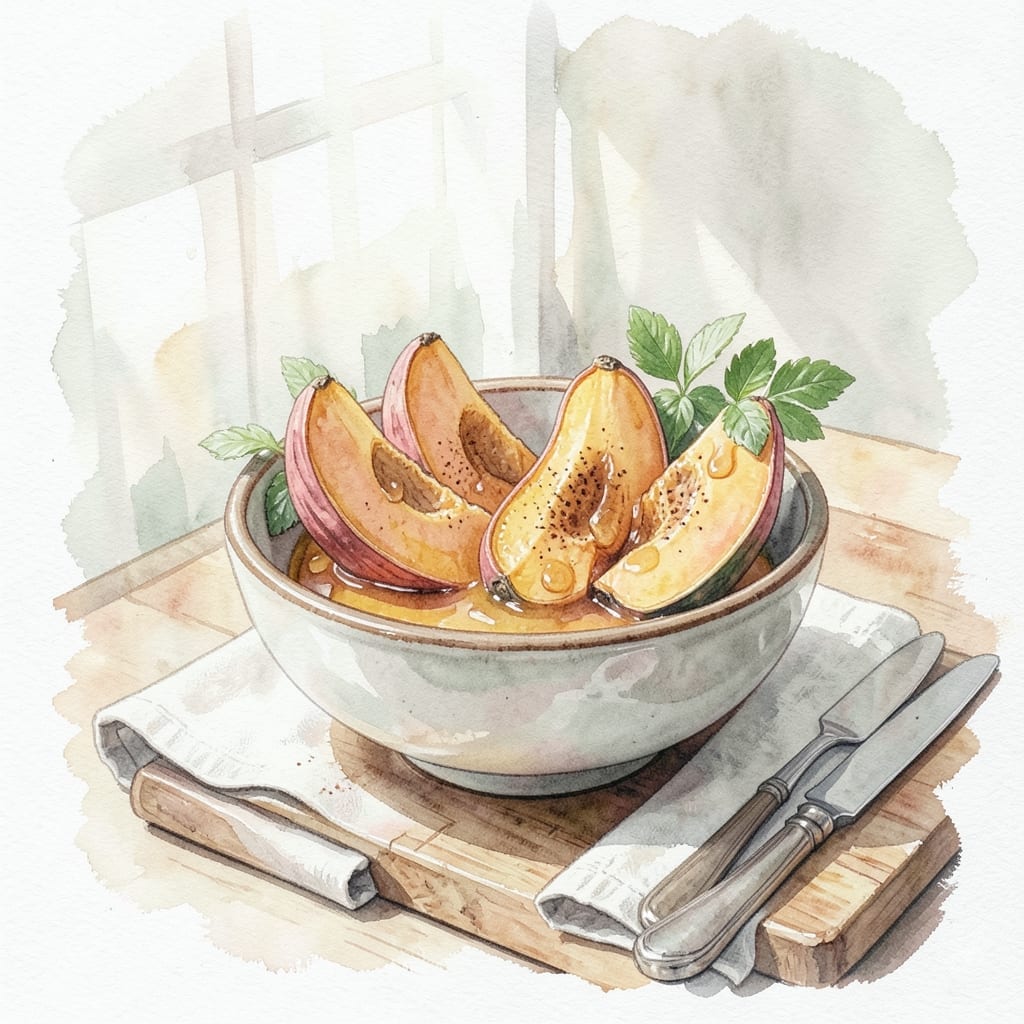
This oven-roasted acorn squash delivers caramelized sweetness with minimal effort. The high heat transforms the natural sugars into a rich, golden glaze that enhances the squash’s natural flavor.
I’ve perfected the timing and temperature to ensure the edges crisp while the flesh stays tender. A simple toss with oil and seasoning is all it takes before roasting.
The result is a side dish with deep, roasted flavor and a slight crunch. It pairs perfectly with savory mains or stands alone as a light, satisfying dish.
No complicated steps—just foolproof technique and a hot oven. Ready in under an hour.
Ingredients for Acorn Squash Recipe Oven
Simple ingredients yield extraordinary caramelized results in this easy oven method.
| Ingredient | Amount | Notes |
|---|---|---|
| Acorn Squash 🎃 | 2 whole | Medium-sized, halved and seeded |
| Extra-Virgin Olive Oil 🫒 | 3 tbsp | Divided for tossing and brushing |
| Pure Maple Syrup 🍁 | 2 tbsp | For caramelization boost |
| Ground Cinnamon 🌿 | ½ tsp | Freshly ground preferred |
| Ground Nutmeg 🌰 | ¼ tsp | Freshly grated for best flavor |
| Sea Salt 🧂 | 1 tsp | Fine grain, divided |
| Freshly Ground Black Pepper 🌶️ | ½ tsp | Coarse grind recommended |
| Fresh Sage Leaves 🌿 | 8 pieces | Chopped, or 1 tsp dried |
| Pecans 🥜 | ¼ cup | Toasted, chopped for garnish |
| Balsamic Vinegar 🍷 | 1 tbsp | Aged for depth optional |
The squash selection is critical for this preparation. Choose firm acorn squash with smooth, unblemished skin and a deep green color—avoid any with soft spots or dull rinds. Whole Foods or local farmers markets often carry the best specimens. Medium-sized squash (about 1-1.5 lbs each) work best for even cooking. The natural sugars develop beautifully when the flesh is dense and fresh.
No maple syrup? Agave nectar or date syrup work as direct substitutes. Fresh sage can be swapped for rosemary or thyme at equal amounts. For nut-free garnish, toasted pumpkin seeds add excellent crunch. The cinnamon and nutmeg are optional but recommended—they amplify the squash’s natural sweetness without overpowering.
Roasted squash holds well at room temperature for 2 hours. Store leftovers in an airtight container in the refrigerator for up to 5 days. Reheat gently in the oven to maintain texture. The pecan topping stays crisp longest when added just before serving.
Why You’ll Love This Recipe
- One Pan Wonder: I just halve the squash, drizzle with olive oil and maple syrup, and let the oven do the work—hardly any dishes to wash.
- Cozy Sweetness: The cinnamon and nutmeg turn the natural sweetness of the squash into this warm, caramelized treat that tastes like dessert but counts as a veggie.
- Meal Prep Star: Roast a big batch on Sunday and I’ve got sides for lunches or a quick dinner base all week long.
- Budget Friendly: Acorn squash is cheap in season and this recipe uses just a drizzle of maple syrup and spices I already have in my pantry.
Step-by-Step Instructions for Roasted Acorn Squash
This method delivers perfectly caramelized squash with minimal effort and maximum flavor.
Step 1: Prepare and Season the Acorn Squash
Preheat your oven to 400°F. Halve the 2 whole Acorn Squash lengthwise and scoop out the seeds with a spoon. Score the flesh in a crosshatch pattern, taking care not to cut through the skin—this helps the heat penetrate evenly and creates more edges for caramelization.
Brush the cut sides with 1 tbsp Extra-Virgin Olive Oil from the 3 tbsp total, then sprinkle with ½ tsp Sea Salt and ¼ tsp Freshly Ground Black Pepper from the measured amounts. This initial seasoning ensures every bite is flavorful from the start.
Step 2: Roast Until Tender and Caramelized
Place the squash halves cut-side down on a parchment-lined baking sheet. Roast for 25-30 minutes until the flesh is fork-tender and the edges begin to turn golden brown. You’ll notice the skin wrinkling slightly—that’s your sign the squash is softening inside.
Flip the halves carefully and roast for another 10-15 minutes until the tops are deeply caramelized. The crosshatch cuts should now look like they’re opening up, revealing the sweet, soft flesh beneath. If the squash isn’t browning enough, broil for 1-2 minutes at the end, watching closely to avoid burning.
Step 3: Add Aromatics and Glaze
Remove the squash from the oven and drizzle each half with 1 tbsp Pure Maple Syrup and the remaining 2 tbsp Extra-Virgin Olive Oil. Sprinkle evenly with 0.5 tsp Ground Cinnamon, 0.25 tsp Ground Nutmeg, and the remaining ½ tsp Sea Salt and ¼ tsp Freshly Ground Black Pepper.
Scatter the 8 pieces Fresh Sage Leaves over the squash, pressing them lightly into the syrup so they adhere. Return to the oven for 5-7 minutes until the syrup bubbles and the sage becomes fragrant. This step infuses the squash with warm, aromatic depth.
Step 4: Finish with Pecans and Balsamic
Toast the ¼ cup Pecans in a dry skillet over medium heat for 2-3 minutes until fragrant and lightly golden. Roughly chop the pecans and sprinkle them over the roasted squash. The nuts add a satisfying crunch that contrasts beautifully with the tender squash.
Drizzle the 1 tbsp Balsamic Vinegar over the top just before serving. The vinegar’s tang cuts through the sweetness and enhances the caramelized flavors. Let the squash rest for 5 minutes so the glaze sets slightly before serving.
Pro Tips For Making Acorn Squash Recipe Oven
- Halve Evenly: Cut the acorn squash from stem to tip for stable halves—this keeps them from wobbling on the baking sheet and makes roasting more even. I learned this the hard way after a few lopsided, unevenly cooked squashes.
- Score the Flesh: Before roasting, score the flesh in a crosshatch pattern with a knife. This helps the maple syrup and spices penetrate deeper, and it makes the squash tender faster.
- Skip the Overcrowding: Give each half plenty of space on the tray—at least an inch apart—so they roast, not steam. After burning three batches from soggy squash, I finally figured out this one simple fix.
- Warm the Syrup: Mix the maple syrup with the olive oil and spices, then warm it for 10 seconds in the microwave before drizzling. Sounds weird, but it works: the warm glaze clings better and caramelizes more evenly.
Regional Styles of These Flavors
New England Classic
In this region, acorn squash is a fall staple, often roasted with maple syrup and cinnamon. The addition of toasted pecans and fresh sage mirrors traditional Thanksgiving flavors. I love how the syrup caramelizes in the oven, creating a glossy finish. 🍁
Southern Comfort Style
Down South, I’ve seen this dish prepared with a touch of brown sugar and a dash of cayenne for heat. The squash is often served alongside smoked meats or collard greens. The sweet-spicy combination is a crowd-pleaser at any gathering.
Southwest Twist
For a bold flavor, Southwestern cooks add chili powder and cumin to the mix, sometimes swapping maple syrup for agave. Top with pumpkin seeds and a sprinkle of cotija cheese for a savory kick. This version pairs well with tacos or grilled proteins.
Mediterranean Influences
In Mediterranean-style preparations, I’ve used olive oil with rosemary and garlic instead of maple syrup. A drizzle of balsamic glaze and crumbled feta before serving adds a briny contrast. This lighter take highlights the squash’s natural sweetness. ✨
Midwest Simplicity
The Midwest keeps it simple: roasted with just butter, salt, and black pepper. Sometimes a sprinkle of brown sugar is added for extra caramelization. It’s a comforting side that lets the squash shine on its own.
Nutrition Facts
Frequently Asked Questions
What temperature should I use for roasting?
Preheat your oven to 400°F for optimal caramelization. This high heat ensures the edges crisp while the flesh stays tender and sweet.
How long does it take to cook?
Roast for 25-30 minutes cut-side down, then 10-15 minutes flipped for caramelization. Add 5-7 minutes more after glazing for the best results.
Can I prepare this ahead of time?
Yes! Roasted squash holds well at room temperature for 2 hours. Store leftovers in an airtight container in the fridge for up to 5 days.
What if my squash isn’t browning enough?
Try broiling for 1-2 minutes at the end, watching closely. The crosshatch cuts and maple syrup help achieve deep caramelization.

- BBQ Sausage Recipe Oven: Smoky Depth Without the Grill - September 28, 2026
- BBQ Chicken Bowl Recipe Rice: Smoky Sweetness Over Fluffy Grains - September 28, 2026
- Beef Cutlet Recipe Ideas: Crispy Breaded Patties With Bold Seasonings - September 28, 2026