
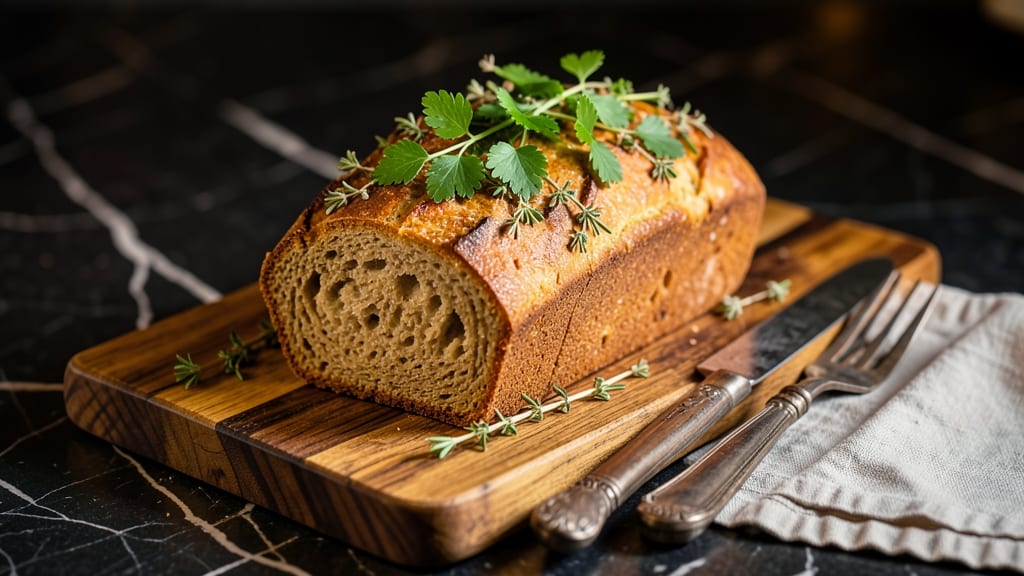
Adelle Davis’ bread recipe delivers a golden, herb-infused loaf that’s as nutritious as it is delicious—perfect for health-conscious bakers who crave whole-grain texture without sacrificing flavor.
The secret lies in a precise blend of whole wheat flour, vital wheat gluten, and fresh herbs baked into the dough itself, creating layers of aromatic richness with every slice.
I’ve refined this recipe over years to ensure a crisp, golden crust that gives way to a tender, open crumb structure—ideal for toast, sandwiches, or simply enjoying with butter straight from the oven.
What sets this bread apart is its balance of nutrition and tradition, using no refined sugar or artificial ingredients while still achieving that satisfying bread aroma during baking.
The dough requires a brief fermentation period to develop flavor and improve digestibility, but the process is straightforward and forgiving for home bakers. With just seven core ingredients and a 30-minute active prep time, you’ll have a loaf that rivals artisanal bakery quality without the complexity.
The result is a loaf with a caramelized crust that crackles when broken, filled with pockets of airy crumb infused with fresh herbs like rosemary and thyme.
Each slice maintains its structure when toasted, making it perfect for breakfast or lunch—whether you’re spreading it with avocado, layering it for sandwiches, or simply enjoying it with a pat of grass-fed butter. The aroma alone will transform your kitchen into a homestyle bakery.
This recipe yields two 9-inch loaves, perfect for gifting or meal prep. For best results, bake at 375°F for 35-40 minutes until the internal temperature reaches 205°F. Let’s get started on your first batch—your kitchen will thank you for the natural, wholesome approach.
Ingredients for adelle davis bread
Seven wholesome ingredients transform into two golden loaves of Adelle Davis’ legendary herb bread.
| Ingredient | Amount | Notes |
|---|---|---|
| Organic Whole Wheat Flour 🌾 | 3 cups | High-protein, freshly milled preferred |
| Vital Wheat Gluten 🌾 | ½ cup | For structure and chewiness |
| Fresh Rosemary 🌿 | ¼ cup | Finely chopped, stems removed |
| Fresh Thyme 🌿 | ¼ cup | Leaves only, finely chopped |
| Extra-Virgin Olive Oil 🫒 | ½ cup | Cold-pressed, fruity variety |
| Raw Honey 🍯 | ¼ cup | Local, unprocessed preferred |
| Active Dry Yeast 🍞 | 1 tbsp | Fresh yeast at 0.75 tbsp |
| Sea Salt 🧂 | 1 ½ tsp | Diamond Crystal preferred |
| Filtered Water 💧 | 1 ½ cups | Room temperature |
| Cornmeal 🌽 | ½ cup | For dusting loaf pans |
| Sesame Seeds 🌻 | 1 tbsp | Optional for topping |
The flour is everything here—King Arthur Organic Whole Wheat or Bob’s Red Mill are my go-tos, but any high-protein whole wheat works. Vital wheat gluten is non-negotiable for that artisanal texture; Bob’s Red Mill sells it in bulk, and it keeps for 6-12 months in a sealed container. Fresh herbs make all the difference—Trader Joe’s sells pre-chopped rosemary and thyme, but nothing beats snipping your own from the garden. If you’re buying whole sprigs, 1/4 cup packed leaves is your target. The yeast? Fresh is best if you can find it, but active dry works fine—just proof it in warm water first to check it’s alive. For honey, local raw adds depth, but any unprocessed honey will do.
No vital wheat gluten? Substitute with an extra 0.5 cup whole wheat flour, but expect a denser crumb. Short on fresh herbs? Dried rosemary and thyme at one-third the amount works, though the flavor won’t be as vibrant. Olive oil can be swapped for avocado oil, but the fruity notes of EVOO are worth seeking out. The honey is optional—maple syrup at the same amount gives a slightly different but still delicious profile. For the yeast, if you’re in a pinch, 1 tbsp nutritional yeast won’t work as a substitute, but 1 packet (2.25 tsp) active dry yeast is a direct swap. The sesame seeds are purely decorative, but poppy seeds or everything bagel seasoning add fun texture variations.
This dough is a dream to prep ahead—ferment overnight in the fridge for even deeper flavor. The shaped loaves keep wrapped in a clean kitchen towel for 3 days at room temperature, or 1 week in the fridge. For longer storage, slice and freeze—toast straight from frozen for crispy perfection. The crust stays fresh for 5 days if you reheat slices in a 350°F oven for 5 minutes. Pro tip: Wrap cooled loaves in beeswax wrap to maintain moisture and aroma.
Why You’ll Love This Recipe
- No-Knead Magic: I swear by this dough—just mix, rest, and bake. The vital wheat gluten gives it that light, airy texture without a single punch or fold from me.
- Herb-Packed Punch: That rosemary and thyme combo? Freshly chopped, tossed right into the dough. It’s not just bread—it’s like a fragrant hug in every bite, especially with a drizzle of that olive oil.
- Weeknight Wonder: Takes 10 minutes to prep, 2 hours to proof (set a timer and forget it), and comes out golden. Perfect for when you’re too tired for dinner but still want something good.
- Budget-Friendly Staple: Whole wheat flour and gluten bulk it up, so a loaf costs less than takeout. Slice it, freeze it, or toast it later—it’s my go-to for quick lunches that don’t break the bank.
Step-by-step instructions for Adelle Davis bread recipe
Here’s how to craft this nutrient-rich loaf with a golden crust and fragrant herb center.
Create the Herb-Infused Dough Base
In a large mixing bowl, combine the 3 cups organic whole wheat flour and 0.5 cup vital wheat gluten. This high-protein blend creates a lighter texture than whole wheat alone. Whisk to eliminate any lumps, then create a well in the center.
To the well, add the 1 tbsp active dry yeast, 0.25 cup raw honey, and 1.5 tsp sea salt. The honey activates the yeast while adding natural sweetness that balances the earthy herbs. Pour in 1.5 cups filtered water at room temperature and mix until a shaggy dough forms.
Here’s where the magic happens: Add the 0.25 cup finely chopped fresh rosemary and 0.25 cup fresh thyme leaves. The stems were removed to prevent bitterness. Knead the dough for 8-10 minutes by hand or 5 minutes with a stand mixer until it becomes smooth and elastic. You’ll know it’s ready when it springs back slowly when poked.
Incorporate Olive Oil and First Rise
Transfer the dough to a lightly oiled bowl, then drizzle 0.5 cup extra-virgin olive oil over the top. This oil enriches the bread with healthy fats and creates that signature golden crust. Cover the bowl with a damp towel and let it rise in a warm place for 1.5 to 2 hours until doubled in size.
Real talk: The dough might not double perfectly due to the whole wheat flour’s density. Instead, watch for it to lose its initial shape and feel noticeably puffier when pressed gently. This indicates fermentation is working. If using fresh yeast, reduce rise time to 1 hour—it’s more potent than active dry.
While rising, prepare your baking environment. Preheat your oven to 375°F and line a baking sheet with parchment paper. This temperature ensures proper browning without burning the delicate herb-infused center.
Shape and Second Rise
After the first rise, punch down the dough to release air bubbles. Divide it into two equal portions and shape each into a smooth loaf. For best results, use a bench scraper to create tight seams—this prevents air pockets that could make the bread dense.
Place the shaped loaves on a floured surface and cover with the damp towel again. Let them rise for 30 to 45 minutes until they’ve expanded about 25% in size. This second rise develops the bread’s airy texture. The herb aromas will become more pronounced as they volatilize during this final proofing.
Bake with Cornmeal Crust
Sprinkle 0.5 cup cornmeal generously on a baking sheet. This creates the iconic crunchy crust while preventing sticking. Transfer the risen loaves to the cornmeal-coated sheet, then brush the tops with a little more extra-virgin olive oil to enhance browning.
Bake at 375°F for 35-40 minutes until the bread reaches an internal temperature of 205°F and develops a deep golden crust. Tap the bottom—it should sound hollow. The herb aromas should fill your kitchen by this point, signaling perfect development.
For that restaurant-quality finish, sprinkle 1 tbsp sesame seeds over the tops in the final 5 minutes of baking. The seeds add texture contrast while toasting beautifully against the golden crust.
Cool and Enjoy
Remove the loaves from the oven and transfer them to a wire rack. Let them cool completely for at least 1 hour before slicing. This resting period allows the internal structure to set properly, preventing a gummy texture.
The bread should yield to gentle pressure when fully cooled, with a crisp exterior that gives way to a tender, herb-infused crumb. Each slice reveals the beautiful golden crust and fragrant herb swirls throughout. Store wrapped at room temperature for up to 3 days, or freeze for longer storage.
Pro Tips For Making Adelle Davis Bread
- Mix Gluten First: Whisk the vital wheat gluten into the flour before adding liquids—this ensures even distribution and prevents clumpy, dense bread. I used to toss it in last and ended up with pockets of grittiness that ruined the texture.
- Toast the Herbs: Lightly fry the fresh rosemary and thyme in olive oil for 30 seconds before mixing—their oils infuse the dough, giving a deeper aroma. Skip this, and you’ll just be baking with fresh herbs instead of flavor.
- Don’t Over-Knead: This dough is stubborn; stop kneading when it springs back slowly (about 2 minutes past the “windowpane” test). Overwork it, and the gluten tightens, making the bread tough—like chewing on a shoe sole.
- Use Room-Temp Oil: Measure your olive oil straight from the bottle if it’s cold—cold oil makes the dough stiff and hard to shape. Let it sit out for 10 minutes if it’s straight from the fridge; consistency matters more than you’d think.
Creative variations of this recipe
Herb Swap Variations
This recipe thrives on fresh herbs, but you can easily customize the flavor profile. Swap the rosemary and thyme for 1 tbsp each of finely chopped sage and oregano for a Mediterranean twist—these herbs pair beautifully with olive oil and create a more robust, earthy aroma.
For a citrusy brightness, add 1 tbsp lemon zest along with the herbs, or infuse the dough with 1 tbsp finely chopped tarragon for a French-inspired touch. 🌿
Seeded & Nutty Additions
Boost texture and nutrition by folding in ¼ cup chopped walnuts or sunflower seeds during kneading. Toast them first in a dry pan for 3-5 minutes to enhance their flavor—this prevents bitterness and adds a delightful crunch.
For extra richness, stir in 2 tbsp ground flaxseed into the dry ingredients; it adds omega-3s and helps bind the dough. Just be sure to increase the water by 1 tbsp if the dough feels too dry.
Sweet & Savory Twists
Craving something sweeter? Replace half the honey with ¼ cup unsweetened applesauce—it keeps the dough moist while adding natural sweetness. For a savory-sweet balance, fold in 2 tbsp finely chopped dried apricots or raisins during kneading.
Alternatively, add 1 tsp cinnamon to the dry ingredients for a subtle warmth that pairs perfectly with the herbs. This works especially well if you’re using the bread for breakfast toast.
Gluten-Free Adaptation
To make this bread gluten-free, replace the whole wheat flour and vital wheat gluten with a 1:1 gluten-free flour blend (like King Arthur Measure for Measure) and add 1 tbsp xanthan gum to the dry ingredients.
Reduce the water by 2 tbsp since gluten-free doughs absorb less liquid. The texture will be denser, but still delicious—especially when toasted with avocado oil instead of butter. 💡
Sourdough Hybrid
For a tangier, more complex flavor, replace ½ cup of the filtered water with ½ cup active sourdough starter (fed and bubbly). This adds natural fermentation and a subtle sour note that complements the herbs beautifully.
Increase the yeast to 1.5 tbsp to ensure proper rise, and let the dough ferment for 1 extra hour before shaping. The crust will be even more caramelized, with deeper layers of flavor.
Whole Grain Boost
Swap out 1 cup of the whole wheat flour for ½ cup rolled oats or ½ cup ground flaxseed to add extra fiber and nuttiness. If using oats, pulse them finely in a food processor first to mimic flour texture.
For a seed-forward version, replace the oats with ½ cup pumpkin seeds—toast them first to deepen their flavor. These additions create a heartier, more substantial loaf perfect for hearty sandwiches or as a side to soups. 🌾
Nutrition facts
Frequently asked questions
Why does this bread use vital wheat gluten?
Vital wheat gluten adds structure and elasticity to the dough, which is crucial when using whole wheat flour. Without it, the bread would be denser and less tender. The gluten creates that signature open crumb structure while maintaining a golden crust. Think of it as the secret to achieving bakery-quality texture at home!
Can I make this bread without a stand mixer?
This dough is perfect for hand-kneading. Just work the dough on a lightly floured surface for 8-10 minutes until it becomes smooth and elastic. The extra effort pays off with a better-developed gluten structure, which improves the bread’s texture. A kitchen towel or bench scraper makes the process easier.
What if my dough doesn’t rise properly?
Whole wheat dough often rises less dramatically than white flour dough. Look for 25-50% expansion instead of doubling. If using active dry yeast, ensure it’s fresh by testing it in warm water first—it should foam within 5-10 minutes. For better results, try fermenting the dough overnight in the fridge for deeper flavor and improved rise.
How do I know when the bread is fully baked?
Your bread is done when it reaches an internal temperature of 205°F and has a deep golden color. Tap the bottom—it should sound hollow. The crust should be crisp, and the herb aromas should fill your kitchen. If unsure, check with an instant-read thermometer for accuracy.
Can I make this bread without herbs?
Yes, but you’ll miss the signature flavor! If you prefer, simply omit the rosemary and thyme and increase the olive oil by 1 tbsp for extra richness. For a different twist, add 1 tsp garlic powder or 1 tbsp lemon zest instead. The herbs are what make this bread uniquely aromatic, though!

- Beef Pikes Peak Roast Recipe: Slow-Cooked Richness With Herbed Crust - November 29, 2026
- Brine Pork Ribs Overnight Recipe: Fall-Apart Tenderness Without the Wait - November 29, 2026
- Chilli Sauce for Hot Dogs Recipe: Smoky-Sweet Glaze That Elevates Every Bite - November 29, 2026