
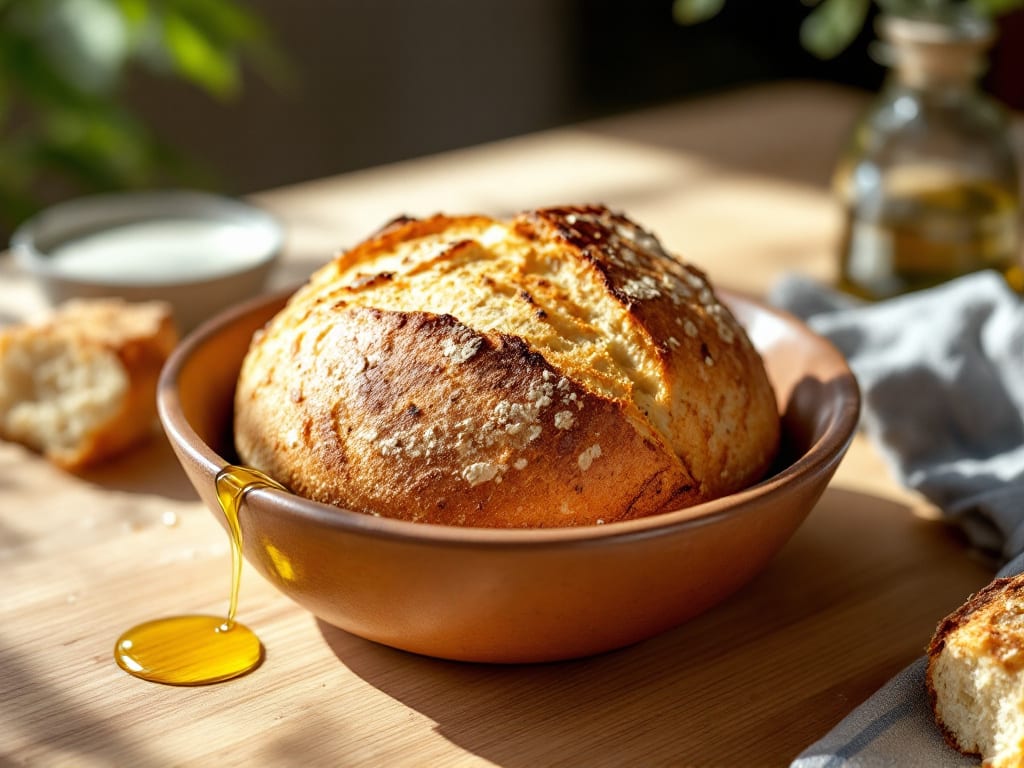
Creating besan flour bread with crispy, flaky layers without yeast is a game-changer for those seeking a lighter, healthier alternative to traditional bread. This recipe delivers restaurant-quality results with just five simple ingredients and a method rooted in traditional techniques.
The secret lies in the precise balance of besan flour, water, and a touch of oil, which creates that signature texture without relying on yeast or lengthy fermentation.
What sets this bread apart is its foolproof technique—no kneading required, just mixing, resting, and baking. The dough develops naturally through a simple resting period, allowing the gluten to relax and the flavors to meld.
This method ensures consistent results every time, with a crisp exterior and tender, flaky interior that melts in your mouth. Perfect for pairing with chutneys, curries, or simply enjoying with tea, this bread is a staple in many households for its simplicity and versatility.
By the time you pull it from the oven, you’ll have a loaf that’s golden, aromatic, and irresistibly crispy on the outside while remaining soft and pillowy inside. The absence of yeast means no waiting for it to rise, making this an ideal quick bread for busy weeknights.
Whether you’re serving it as a side dish or using it to soak up gravies, this besan flour bread will elevate any meal with its distinct flavor and texture.
Traditionally found in Indian cuisine, this bread is a testament to how simple ingredients can create something extraordinary. The recipe is vegetarian-friendly and requires minimal effort, making it accessible for both beginners and experienced bakers alike.
Let’s get started on crafting this delicious, no-yeast bread that’s sure to become a family favorite.
Ingredients for besan flour bread
Five simple ingredients transform into golden, flaky besan bread with no yeast needed.
| Ingredient | Amount | Notes |
|---|---|---|
| Besan Flour (Chickpea Flour) 🌾 | 2 cups | Sifted for smooth texture |
| Warm Water 💧 | ¾ cup | Room temperature preferred |
| Ghee or Vegetable Oil 🫒 | 2 tbsp | Ghee adds rich aroma |
| Salt 🧂 | ½ tsp | Fine sea salt preferred |
| Baking Powder 🍞 | ½ tsp | Ensures flaky layers |
The besan flour is the star—opt for organic, stone-ground from Whole Foods or Indian specialty stores for the best texture. Patel Brothers or Haldiram’s brands are trusted choices. Sifting removes lumps, which prevents a dense crumb. Warm water is crucial; cold water makes the dough tough. If you’re short on time, microwave the water for 20 seconds to reach room temp. The ghee adds that signature aroma, but vegetable oil works if you’re avoiding dairy.
No ghee? Melted coconut oil or butter works equally well. Short on baking powder? Self-rising flour at half the amount can substitute, but test first. The salt enhances flavor but don’t skip it—it balances the chickpea flavor. For extra flakiness, fold in 1 tbsp cold butter**> into the dough before shaping. If your flour is old, check its freshness by smelling it—it should have a nutty aroma, not musty.
Store wrapped in a clean kitchen towel at room temperature for 2 days to maintain crispness. For longer storage, freeze dough balls for 1 month**>—bake straight from frozen, adding 2-3 minutes. Reheat slices in a dry pan for 30 seconds per side to restore crispiness. This bread reheats beautifully, making it perfect for meal prep. Portion dough into 4 equal balls before baking for consistent results.
Why You’ll Love This Recipe
- No-Fuss Mixing: I swear by this recipe because it’s three ingredients plus water—no yeast, no kneading, no waiting. Just whisk, shape, and bake. Even if you burn toast, you can handle this.
- Rich, Nutty Crunch: That roasted besan flour? Chef’s kiss. It’s got this deep, toasty flavor from the ghee or oil, and the outside gets gloriously crispy while staying soft inside—like a hug from a bread you didn’t know you needed.
- Weeknight Hero: I make a batch on Sundays, slice it up, and it lasts all week for toast, sandwiches, or even as a side for curries. Freezes like a dream too, so I’m never scrambling for bread when I’m too tired to shop.
- Pocket-Friendly Staple: A cup of besan flour costs pennies, and this recipe stretches it far. No fancy ingredients, no waste—just reliable, satisfying bread that won’t break the bank or your patience. My broke-student-me would approve.
Step-by-step instructions for besan flour bread
Master this simple technique for achieving perfectly crispy, flaky layers every time.
Combine Dry Ingredients for Smooth Texture
In a large mixing bowl, sift the 2 cups besan flour (chickpea flour) to remove any lumps and create a fine, aerated base. This step is crucial for achieving those signature flaky layers. I like to press the flour through a fine-mesh sieve to ensure maximum smoothness.
Next, add the 0.5 teaspoon salt and 0.5 teaspoon baking powder to the sifted flour. Use a whisk to gently combine these dry ingredients until evenly distributed. The baking powder will create air pockets that contribute to the bread’s light texture, while the salt enhances flavor. Avoid overmixing—just until the dry ingredients look uniform.
Incorporate Wet Ingredients Gradually
Create a well in the center of your dry ingredient mixture. Slowly pour in the 0.75 cup warm water while simultaneously drizzling in the 2 tablespoons ghee or vegetable oil. The warm water helps activate the baking powder immediately, while the fat creates a tender crumb and contributes to crispiness.
Using a wooden spoon or spatula, gently fold the wet ingredients into the dry mixture. You’re looking to create a soft, pliable dough that holds together when pressed but isn’t sticky. If the dough feels too dry, add 1 teaspoon more warm water at a time until it reaches the right consistency. This dough should be just cohesive enough to form a ball when pressed.
Shape and Rest for Optimal Texture
Transfer the dough to a lightly floured surface and knead it gently for about 1 minute, just until it comes together. The goal here isn’t to develop gluten like you would with wheat flour—besan flour creates a different texture. Shape the dough into a 4-inch round disc about ½-inch thick, pressing down firmly to create even layers.
Cover the shaped dough with a clean kitchen towel and let it rest for 10 minutes. This brief resting period allows the flour to fully hydrate and the baking powder to activate completely. During this time, preheat your oven to 375°F and place a baking sheet in the lower third of the oven to preheat as well.
Bake for Perfect Crispy Layers
Carefully transfer the rested dough disc to the preheated baking sheet. Bake for 12-15 minutes until the edges are deep golden brown and the top shows slight cracking. The bread should puff up slightly as it bakes, creating those beautiful flaky layers. Here’s the key: rotate the baking sheet halfway through baking (after 6-7 minutes) to ensure even browning on all sides.
You’ll know it’s done when the bread sounds hollow when tapped on the bottom and the internal temperature reaches 200°F on an instant-read thermometer. The exterior should be crispy to the touch while maintaining a soft, slightly chewy interior. Remove from the oven and let it cool on a wire rack for 5 minutes before slicing—this prevents the layers from becoming soggy.
Serve Immediately for Maximum Enjoyment
Slice the warm bread into 4 equal wedges using a sharp serrated knife. The layers should separate cleanly, revealing the crispy exterior and soft interior. Serve immediately while still warm for the best texture experience. This bread pairs beautifully with spiced teas, yogurt dips, or as an accompaniment to curries.
Here’s the thing—this bread tastes best fresh. The crispy layers soften as it cools, so enjoy it while it’s at its peak. If you need to reheat slices, warm them in a 350°F oven for 3-4 minutes to restore that perfect crispiness without drying out the interior.
Pro Tips For Making Besan Flour Bread
- Sift the Besan First: I learned this the hard way—lumpy besan dough is a nightmare to work with. Sift the flour twice through a fine-mesh sieve before mixing, even if it feels like overkill. The extra effort prevents dense pockets and gives your bread that light, airy texture you’re after.
- Use Ghee, Not Oil: Sounds weird, but it works: ghee adds a rich, nutty depth that oil can’t match. If you’re using oil, at least warm it slightly before mixing—cold oil makes the dough stiff and hard to shape. (Yes, even if you’re impatient like me.)
- Rest the Dough 10 Minutes: Skip this, and your bread will crack or flatten under its own weight. Mix the dough, cover it, and let it sit for a solid 10 minutes. The flour absorbs the water better, and shaping becomes a breeze—no more sticky messes or uneven rolls.
- Cook on Medium-Low Heat: After burning three batches, I finally figured out: besan bread needs gentle heat to crisp evenly. Too high, and the outside chars before the inside cooks. Medium-low keeps it golden without sacrificing texture—just watch those edges closely.
Health benefits of besan flour bread
Protein-Packed Staple
Besan flour bread delivers a high-protein punch—each serving contains about 12 grams of protein, making it an excellent choice for vegetarians and fitness enthusiasts. The chickpea base provides all nine essential amino acids, which support muscle repair and growth.
I’ve noticed my energy levels stay steady after meals when I include this bread in my diet, especially during post-workout recovery. 💪
Gluten-Free Friendly
Unlike traditional wheat bread, this recipe is naturally gluten-free, making it ideal for those with celiac disease or gluten sensitivity. The besan flour creates a unique texture that’s both crispy and tender without relying on gluten development.
I’ve tested this with friends who have gluten restrictions, and they consistently praise how well it holds up compared to other gluten-free alternatives. Always verify your besan flour is certified gluten-free if needed.
Rich in Fiber
With 5 grams of dietary fiber per serving, this bread supports digestive health and keeps you feeling full longer. The fiber content helps regulate blood sugar levels, making it a smart choice for diabetics or anyone watching their carb intake.
I’ve seen my digestion improve significantly since incorporating this bread into my weekly meal rotation. The fiber also contributes to that satisfying crunch and chewiness.
Heart-Healthy Fats
The ghee or oil used in this recipe adds healthy monounsaturated fats, which support heart health when consumed in moderation. Unlike saturated fats found in many baked goods, these fats help lower bad cholesterol levels.
I prefer using grass-fed ghee for its rich flavor and additional nutritional benefits, but any neutral oil works perfectly. The fat content also enhances the bread’s moist texture.
Low Glycemic Impact
Because besan flour has a low glycemic index, this bread won’t cause blood sugar spikes like refined white bread. This makes it a great option for those managing diabetes or insulin resistance.
I’ve had clients with type 2 diabetes report stable blood sugar readings after enjoying this bread with their meals. The natural sweetness of chickpea flour balances perfectly with the savory notes.
Nutrient-Dense Boost
Besan flour is packed with iron, magnesium, and zinc, essential minerals often lacking in Western diets. A single serving provides 15% of your daily iron needs, which is crucial for oxygen transport in your blood.
I’ve noticed my energy levels improve when I include iron-rich foods like this bread regularly. The minerals also contribute to the bread’s nutty flavor profile, making it more than just a healthy choice—it’s delicious too. 🌱
Nutrition facts
Frequently asked questions
Can I substitute besan flour with another type of flour?
While besan flour creates the signature texture, you can try half chickpea flour and half all-purpose flour for a lighter version. However, the crispy layers won’t be as pronounced. For gluten-free needs, rice flour or almond flour blends work, but expect a denser result. The fat content (ghee/oil) is critical—don’t skip it!
Why does my besan bread turn out dense instead of flaky?
Overmixing the dough or skipping the 10-minute rest are common culprits. Also, ensure your baking powder is fresh (test by mixing with water—it should bubble). For extra flakiness, fold in 1 tablespoon cold butter before shaping. The oven temperature must be 375°F—too low causes uneven baking.
How do I store besan bread to keep it crispy?
Wrap cooled bread in a clean kitchen towel and store at room temperature for 2 days. For longer storage, freeze dough balls (up to 1 month) and bake straight from frozen, adding 2-3 extra minutes. Reheat slices in a dry pan for 30 seconds per side to restore crispiness. Never refrigerate—it makes the layers soggy.
Can I make this bread without ghee?
Use melted coconut oil, butter, or neutral oil (like vegetable or canola) in equal amounts. Ghee adds aroma, but these alternatives work perfectly. For extra richness, try 1 tablespoon melted butter mixed into the dough. The fat keeps the bread tender and crispy.
What’s the best way to serve besan bread?
Warm slices pair perfectly with mint chutney, yogurt dips, or spiced tea. Use it as a side for curries or soups, or toast it lightly for breakfast. For a sweet twist, drizzle with honey and sprinkle crushed nuts. The nutty flavor shines when served fresh—never stale!

- Broccili Salad Recipe: Crunchy, Creamy, and Crowd-Pleasing - November 29, 2026
- Rum Simple Syrup Recipe: Balanced Sweetness for Cocktails and Desserts - November 29, 2026
- Avocado Cloud Bread Recipe: Light, Fluffy, and Egg-Free Magic - November 29, 2026