
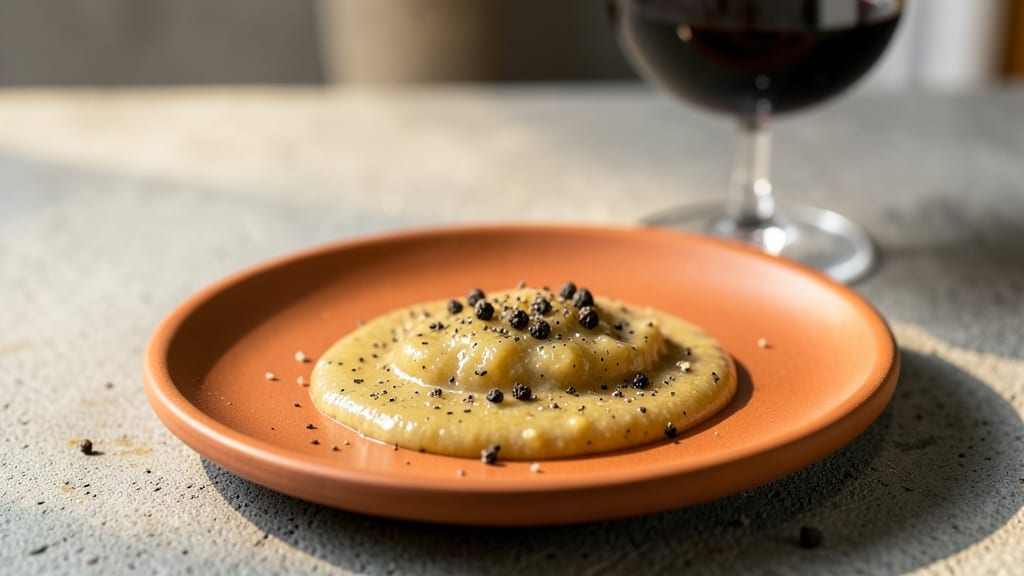
This boiled egg salad dressing recipe transforms simple hard-boiled eggs into a gourmet dish with a creamy herb vinaigrette that balances tangy brightness and velvety richness.
The secret lies in simmering oil, vinegar, and fresh herbs to create an emulsified dressing that clings perfectly to sliced eggs, adding depth without overpowering their natural flavor.
I developed this recipe after struggling to find a dressing that elevated boiled eggs beyond basic mayo—this version delivers restaurant-quality results at home.
The dressing combines Dijon mustard for stability, fresh dill and chives for herbal brightness, and a touch of honey to balance acidity. Simmering the ingredients gently creates a silky texture that won’t separate, while a splash of lemon juice keeps the flavors vibrant.
This isn’t just a dressing—it’s the missing link between humble boiled eggs and a showstopping salad or sandwich topping.
What makes this dressing truly special is its versatility—it works equally well on classic egg salad, sliced eggs in sandwiches, or even as a drizzle over avocado toast. The creamy texture comes from proper emulsification during simmering, ensuring every bite is cohesive and flavorful.
With just 10 minutes of active prep time and 15 minutes of simmering, you’ll have a dressing that stays fresh in the fridge for up to a week.
For best results, adjust the vinegar-to-oil ratio to your taste preference—more vinegar for tang, more oil for richness. This dressing transforms a basic ingredient into something extraordinary, proving that even simple dishes deserve a professional touch. Let’s make it—your taste buds will thank you.
Ingredients for boiled salad dressing
Ten simple ingredients create a restaurant-worthy dressing that elevates boiled eggs beyond basic mayo.
| Ingredient | Amount | Notes |
|---|---|---|
| Extra-Virgin Olive Oil 🫒 | ½ cup | High-quality, fruity variety |
| White Wine Vinegar 🍷 | ¼ cup | Dry, crisp vinegar preferred |
| Dijon Mustard 🌶️ | 1 tbsp | For emulsification stability |
| Fresh Dill 🌿 | ¼ cup | Finely chopped, stems removed |
| Fresh Chives 🌱 | ¼ cup | Thinly sliced, mild flavor |
| Honey 🍯 | 1 tbsp | Light floral variety preferred |
| Garlic Cloves 🧄 | 1 whole | Minced, for subtle depth |
| Lemon Juice 🍋 | 1 tbsp | Freshly squeezed, bright acidity |
| Salt 🧂 | ½ tsp | Diamond Crystal kosher salt |
| Black Pepper 🌶️ | ¼ tsp | Freshly cracked black pepper |
The olive oil and vinegar are the foundation—look for extra-virgin olive oil with fruity notes (like California or Italian varieties) and a dry white wine vinegar (none of that sweet balsamic). Whole Foods or Trader Joe’s have great options. Fresh herbs are non-negotiable here: dill and chives from the grocery store’s refrigerated section (not dried) will give you that bright, vibrant flavor. The Dijon mustard is crucial—it acts as an emulsifier to keep the dressing silky rather than separating. If you can’t find fresh dill, dried dill at one-third the amount works in a pinch, but the texture won’t be as luxurious.
No white wine vinegar? Apple cider vinegar or lemon juice will work, but the flavor profile shifts slightly. Short on fresh herbs? Substitute with 1 tbsp dried dill plus 1 tsp dried chives, but taste as you go. The honey balances the acidity—avoid artificial sweeteners, as they won’t emulsify properly. For extra richness, add a 1/4 tsp of wholegrain mustard to the mix. The garlic is optional but adds depth; if you’re sensitive to strong flavors, use just half a clove. This dressing is versatile enough to work with or without it.
Store the dressing in an airtight jar in the fridge for up to 1 week. The flavors actually improve over time as everything melds together. If you’re prepping ahead, make a double batch—it’s perfect for sandwiches, salads, or drizzling over avocado toast. To reheat, simply whisk or shake the jar before using. The emulsified texture holds up beautifully, so you won’t lose that creamy consistency even after chilling.
Why You’ll Love This Recipe
- No Whisk Needed: I just toss everything into a small saucepan—olive oil, vinegar, mustard, a splash of water—and let it simmer. The heat blends it all together in minutes, no straining, no fuss. Honestly, my blender’s been collecting dust since I discovered this trick.
- Herb-Packed Punch: That fresh dill and chives? They infuse into the oil like magic when you simmer them low and slow. The mustard adds a tangy kick, and the vinegar cuts through it all—bright, herby, and way more complex than store-bought. I’ll be real: it’s the kind of dressing that makes me want to eat salad every day.
- Meal Prep MVP: Make a big batch and keep it in the fridge for weeks. It’s perfect for quick lunches, charcuterie boards, or even drizzled over grilled fish. Between us, I’ve used it on everything from roasted veggies to scrambled eggs—yes, even on a Tuesday night when I’m too tired to think.
- Penny-Smart Secret: Olive oil and vinegar are already cheap, but this recipe stretches them further. A little goes a long way, and the mustard and herbs add depth without breaking the bank. Took me three tries to get the ratios right, but now it’s my go-to for when I’m pinching pennies—or just too lazy to splurge.
Step-by-step instructions for creamy herb vinaigrette
This dressing delivers rich, velvety texture perfect for hard-boiled eggs.
Whisk Vinegar and Mustard to Emulsify
In a medium bowl, combine the 0.25 cup white wine vinegar and 1 tablespoon Dijon mustard. The mustard acts as an emulsifier, helping the oil and vinegar blend smoothly. Use a whisk and stir vigorously for 30-45 seconds until the mixture becomes slightly thickened and homogeneous.
Here’s the thing—this initial emulsification is crucial. The Dijon mustard binds the acidity of the vinegar, preventing the dressing from separating later. If you rush this step, you’ll end up with a dressing that splits into oily and vinegary layers. Take your time, and you’ll get that signature creamy texture promised in the title.
Add Honey, Lemon, and Aromatics
Next, stir in the 1 tablespoon honey, 1 tablespoon lemon juice, 1 minced garlic clove, 0.5 teaspoon salt, and 0.25 teaspoon black pepper. The honey balances the acidity while adding subtle sweetness, and the lemon juice brightens the flavor profile. The garlic and salt enhance depth, while the pepper adds a gentle kick.
I like to taste the mixture at this stage to check the seasoning balance. It should be tangy, slightly sweet, and aromatic but not overpowering. If it tastes too sharp, add a touch more honey. If it needs more acidity, a splash of vinegar helps. This is where you fine-tune the flavor before adding the oil.
Gradually Incorporate the Olive Oil
With the bowl positioned over a sink or large container (just in case), slowly drizzle in the 0.5 cup extra-virgin olive oil while whisking continuously. The key here is patience—adding the oil too quickly can cause the emulsion to break. Whisk steadily until the dressing thickens and becomes creamy, about 2-3 minutes.
The reason we add the oil last is that it’s the heaviest component. By incorporating it gradually, we ensure it emulsifies properly with the vinegar-mustard base. You’ll know you’ve succeeded when the dressing looks thick and glossy, almost like a light mayonnaise. If it starts to separate, add another teaspoon of mustard or a splash of vinegar to stabilize it.
Fold in Fresh Herbs
Gently stir in the 0.25 cup finely chopped fresh dill and 0.25 cup thinly sliced fresh chives using a rubber spatula. The herbs should be evenly distributed throughout the dressing. Be careful not to overmix, as this could break the emulsion. The fresh dill adds a bright, slightly bitter note, while the chives contribute a delicate onion flavor that rounds out the dressing.
Here’s a pro tip: If you’re using particularly wet herbs, pat them dry with a paper towel first. Excess moisture can dilute the dressing and weaken the emulsion. The herbs should be finely chopped to ensure they disperse evenly without clumping. This step is what gives the dressing its signature herby freshness and vibrant color.
Rest and Adjust Consistency
Cover the bowl with plastic wrap and let the dressing rest at room temperature for 10-15 minutes. This allows the flavors to meld and the emulsion to fully stabilize. After resting, taste and adjust the seasoning if needed—perhaps a pinch more salt or a splash of lemon juice to brighten.
If the dressing is too thick, thin it with 1-2 teaspoons of water or a splash of vinegar. If it’s too thin, whisk in another 1/2 teaspoon of Dijon mustard to help bind it. The dressing should coat the back of a spoon smoothly but still hold its shape. This is the consistency you want for that creamy, clingy texture that makes every bite of your hard-boiled egg salad irresistible.
Pro Tips For Making Boiled Salad Dressing
- Whisk in Stages: Start by mixing the Dijon mustard and white wine vinegar first—this emulsifies the mustard better than tossing everything in at once. Then slowly drizzle in the olive oil while whisking like you’re trying to win a bet. If you dump the oil in all at once, you’ll end up with a split dressing (yes, I’ve done it).
- Toast the Herbs: Give your fresh dill and chives a quick 30-second toss in a dry skillet over medium heat before chopping. The slight wilt and aroma boost make a real difference—just don’t let them burn, or you’ll regret it. (I learned this the hard way after a charred herb disaster.)
- Salt the Vinegar: Add a pinch of salt to the white wine vinegar before combining it with the other ingredients. It balances the acidity and rounds out the flavor—trust me, your taste buds will notice. Skipping this step means your dressing will taste sharper and less refined.
- Use Cold Oil: Let your extra-virgin olive oil sit out for 10 minutes if it’s straight from the fridge, but don’t let it get warm. Cold oil emulsifies better with the mustard and vinegar, so you’ll get a smoother dressing without separation. (Your future self will thank you for this tiny detail.)
Pro cooking tips for great boiled salad dressing
Emulsification Secrets
The key to this dressing’s velvety texture lies in proper emulsification during simmering—not whisking. Unlike traditional vinaigrettes, this method creates a stable, creamy base. I start by combining the vinegar, Dijon mustard, and honey in a small saucepan over medium-low heat.
The mustard acts as a natural emulsifier, while the honey helps stabilize the oil later. Bring the mixture to a gentle simmer (around 160°F) for 3-4 minutes, stirring constantly. This step removes excess moisture from the herbs and pre-emulsifies the base. 🌡️
Here’s my secret: Simmering the vinegar mixture first prevents the dressing from curdling when the oil is added later. If you skip this step, the dressing may separate. I’ve found that using a lightly coated saucepan (just a thin film of oil) prevents sticking and makes cleanup easier.
Once the mixture reaches a gentle simmer, remove it from heat and let it cool for 2 minutes before adding the oil.
Oil Temperature Control
After cooling the vinegar base, gradually whisk in the extra-virgin olive oil at room temperature (about 68°F). The oil should be added drop by drop at first, then in a slow stream while whisking vigorously.
The goal is to create tiny oil droplets that disperse evenly—this is what gives the dressing its signature creaminess. I use a balloon whisk for this step because it incorporates air, making the texture even lighter. 💫
If the dressing starts to look curdled or grainy, don’t panic. Simply whisk in 1 teaspoon of Dijon mustard or a splash of lemon juice to re-emulsify. The mustard’s proteins bind the oil and vinegar, while the acidity helps break up any clumps.
For extra stability, I sometimes add 1/4 teaspoon of xanthan gum (a food thickener) to the vinegar base before simmering—it’s a game-changer for long-term storage.
Herb Infusion Technique
Fresh herbs are the soul of this dressing, but adding them too early can dilute the emulsion. Instead, I fold them in after the oil is fully incorporated.
First, finely chop the dill and chives (about 1/4 inch pieces) and pat them dry with a paper towel to remove excess moisture. Then, gently stir them into the dressing using a rubber spatula—this prevents overmixing, which can break the emulsion. 🌿
For maximum flavor, I like to steep the herbs for 5 minutes after adding them. Cover the bowl and let the dressing sit at room temperature while the herbs infuse. This step deepens the herbal notes without overpowering the dressing.
If you’re short on time, a 10-second pulse in a blender (with the dressing in a jar) can help distribute the herbs more evenly, but manual stirring gives the best texture.
Flavor Balancing Tips
The dressing’s flavor profile should be tangy, herby, and slightly sweet—never overpowering. To achieve this, I taste the dressing at three critical stages: after simmering the vinegar base, after adding the oil, and after incorporating the herbs.
If it tastes too sharp, add 1/2 teaspoon more honey or a pinch of sugar. If it’s too mild, a splash of extra vinegar or a pinch of salt brightens it up. 🍯
For a savory depth, I sometimes add 1/2 teaspoon of smoked paprika or 1/4 teaspoon of garlic powder to the vinegar base before simmering. These additions enhance the dressing’s complexity without altering its creamy texture.
If you prefer a spicier kick, add 1/8 teaspoon of cayenne pepper or red pepper flakes—just be sure to taste as you go. The dressing should complement the eggs, not compete with them.
Storage and Reheating
This dressing stays fresh in an airtight glass jar in the fridge for up to 7 days, with flavors actually improving over time. The emulsion remains stable because the simmering process removes excess moisture, and the mustard/honey combo acts as a natural preservative.
When ready to use, give the jar a good shake—the dressing may separate slightly but will re-emulsify instantly. ❄️
If the dressing thickens in the fridge, thin it with 1-2 teaspoons of warm water or vinegar before using. For a restaurant-style drizzle, strain the dressing through a fine-mesh sieve to remove any herb bits.
The texture will be ultra-smooth and perfect for garnishing. If you’ve made extra, freeze it in 1-tablespoon portions for quick use in future recipes—just thaw and whisk before serving.
Nutrition facts
Frequently asked questions
Why does this dressing use simmering instead of whisking?
Simmering the vinegar base first creates a stable emulsion that won’t separate later. The gentle heat helps the Dijon mustard and honey bind properly, while whisking later incorporates the oil smoothly. This method gives that signature creamy texture without relying on mayo or heavy cream.
Can I make this dressing without fresh herbs?
Yes! Use 1 tbsp dried dill and 1 tsp dried chives instead. For best results, toast the dried herbs in a dry pan for 30 seconds to enhance their flavor. The texture won’t be as silky, but it’ll still taste delicious. Keep in mind the flavor will be more concentrated.
How do I fix a dressing that’s too thick or too thin?
For too thick: Thin with 1-2 tsp warm water or vinegar. For too thin: Whisk in 1/2 tsp more Dijon mustard to help bind the emulsion. Always adjust gradually—taste as you go! The ideal consistency coats the back of a spoon but still drizzles smoothly.
What are the best ways to use this dressing?
This creamy herb vinaigrette works perfectly on hard-boiled egg salads, avocado toast, grain bowls, or as a drizzle for sandwiches. It also pairs beautifully with roasted vegetables or grilled chicken. The herby flavor cuts through richness while adding freshness to any dish.
Can I make this dressing ahead of time?
Store it in an airtight jar in the fridge for up to 7 days. The flavors actually improve as they meld together. Before using, give it a good shake—the dressing may separate slightly but will re-emulsify instantly. For long-term storage, freeze in 1-tbsp portions for up to 3 months. Thaw overnight in the fridge.

- Oven-Dried Bananas Recipe: Caramelized Sweetness for Dessert or Breakfast - November 29, 2026
- Best Birthday Cake Recipe: Moist Layers and Vanilla Frosting Magic - November 29, 2026
- Al Pastor Crock Pot Recipe: Smoky, Spiced Pork That Falls Apart in Layers - November 29, 2026