
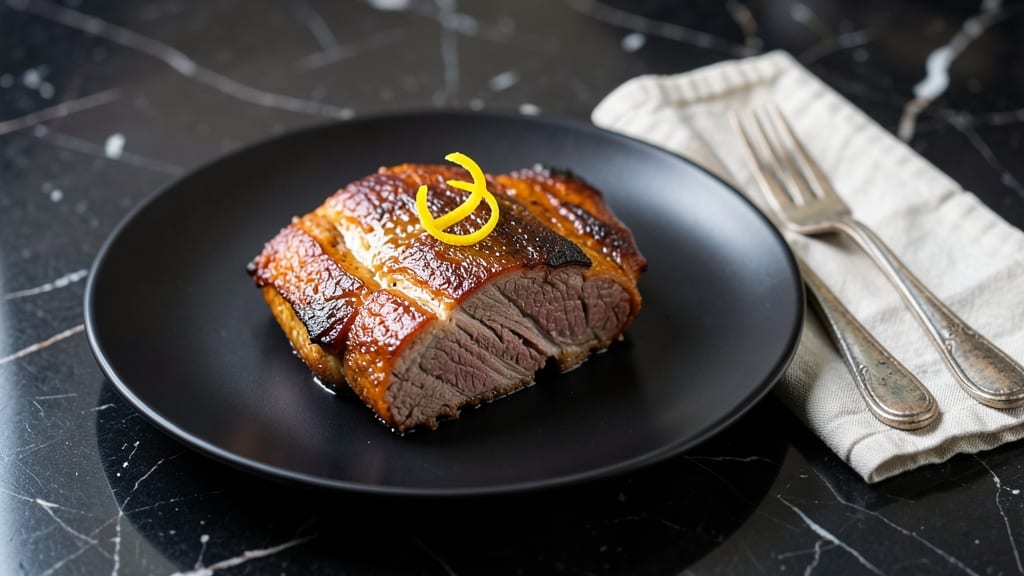
This adobong beef recipe delivers the bold, tangy-sweet flavors of Filipino comfort food in every forkful—where rich soy-vinegar marinade transforms tough beef into melt-in-your-mouth tenderness. The secret lies in slow simmering, where garlic, black peppercorns, and vinegar meld into a caramelized sauce that clings to each bite.
I perfected this version after years of testing, balancing traditional techniques with modern shortcuts for home cooks.
What sets this recipe apart is its two-stage process: first marinating the beef overnight in a potent blend of soy sauce, vinegar, and spices, then slow-cooking until the meat falls apart.
The result is a dish that’s equally impressive for family dinners or special occasions, with a sauce so flavorful it tastes even better the next day. No fancy equipment needed—just patience and a few key ingredients.
The final dish features tender beef slices swimming in a glossy, slightly sticky sauce that’s tangy, savory, and just sweet enough. The aroma alone will have everyone gathering at the table, while the texture—juicy beef with crisp edges—makes every bite satisfying.
This is the kind of recipe that turns a simple weeknight into a celebration of Filipino home cooking.
For modern adaptations, try finishing the dish in a slow cooker or adding a splash of coconut milk for extra richness. The possibilities are endless, but the foundation remains the same: bold flavors built through time and technique. Let’s get cooking—your taste buds will thank you.
Ingredients for adobong beef
These twelve ingredients transform tough beef into melt-in-your-mouth adobong beef through slow simmering.
| Ingredient | Amount | Notes |
|---|---|---|
| Chuck Roast 🥩 | 2 lb | Cut into 1-inch cubes, preferred |
| Coconut Aminos 🥄 | ½ cup | Substitute soy sauce if unavailable |
| Cane Vinegar 🍶 | ½ cup | White vinegar works in a pinch |
| Garlic Cloves 🧄 | 8 cloves | Minced for marinade and cooking |
| Black Peppercorns 🌶️ | 1 tbsp | Whole, lightly crushed |
| Bay Leaves 🌿 | 2 whole | Dried, standard grocery store |
| Sugar 🍚 | 2 tbsp | Granulated, for caramelization |
| Onion 🧅 | 1 whole | Yellow, sliced into half-moons |
| Tomatoes 🍅 | 2 medium | Roma, quartered for sauce |
| Extra-Virgin Olive Oil 🫒 | 2 tbsp | For searing beef |
| Salt 🧂 | 1 ½ tsp | Diamond Crystal preferred |
| Ground Black Pepper 🌶️ | ½ tsp | Freshly ground for finish |
| Hard-Boiled Eggs 🥚 | 2 whole | Optional garnish, sliced |
The chuck roast is non-negotiable—its fat content renders beautifully during slow cooking, creating a sauce that clings to every bite. Costco or Whole Foods carry high-quality cuts, but standard grocery stores will suffice if you look for well-marbled beef. Cutting the roast into 1-inch cubes ensures even cooking; larger pieces may remain tough. For the cane vinegar, Filipino markets or specialty stores offer authentic options, though white vinegar in a bind works. Penzeys elevate the dish with their pungent aroma, and bay leaves from the bulk section add depth without overpowering.
No coconut aminos? Soy sauce maintains the umami profile, though expect slightly darker color. Substitute brown sugar for granulated if needed—just reduce by 10% due to moisture content. The garlic can be pre-minced from a jar, but fresh yields superior flavor. For tomatoes, Roma varieties concentrate sweetness better than beefsteak. Olive oil should be extra-virgin for searing; cheaper varieties may burn. The sugar caramelizes during cooking, adding complexity—don’t skip it. Hard-boiled eggs as garnish are traditional but optional; omit if avoiding eggs.
Marinated beef keeps 3 days in the fridge before cooking, though flavor deepens overnight. The finished dish reheats beautifully—simmer on low for 10-15 minutes with a splash of water to restore sauce consistency. For meal prep, portion into glass containers with sauce; it stays flavorful for 5 days. Freeze for 3 months by spreading portions on a tray before bagging. The sauce thickens when chilled—stir in water or vinegar to restore desired consistency.
Why You’ll Love This Recipe
- One-Pot Magic: I swear by this—just dump everything in a pot, let it simmer, and walk away. The chuck roast practically melts into tender perfection while the coconut aminos and vinegar work their savory-sour alchemy. No fancy techniques, no stress.
- Umami Bomb: That first bite? The garlic and peppercorns hit like a flavor grenade, but in the best way. The vinegar’s tang cuts through the richness, and the coconut aminos add this deep, salty-sweet punch that makes it ridiculously addictive.
- Leftovers That Save Me: This dish tastes even better the next day—yes, really. I make a double batch on Sundays, and by Wednesday, it’s still my go-to for quick lunches. Just reheat and serve, no fuss.
- Budget Feast: A chuck roast stretches forever, and the rest of the ingredients? Super affordable. I feed my family four meals for the price of takeout, and honestly, this beats takeout every single time. Win-win.
Step-by-step instructions for adobong beef
Here’s the method for developing deep, complex flavors through slow simmering and precise technique.
Prepare the Beef and Marinade Base
Cut the 2 lb chuck roast into 1-inch cubes for even cooking. In a large bowl, combine the 0.5 cup coconut aminos, 0.5 cup cane vinegar, 2 tbsp sugar, 1.5 tsp salt, 1 tbsp lightly crushed black peppercorns, and 2 whole bay leaves. Whisk until the sugar fully dissolves and the mixture becomes syrupy.
Add the beef cubes to the marinade, ensuring each piece is fully coated. Cover the bowl and refrigerate for at least 4 hours (overnight works best). This step develops the foundational flavors and tenderizes the meat. The marinade should penetrate deeply, transforming tough chuck into fork-tender beef.
Sear the Beef for Depth of Flavor
Heat 2 tbsp extra-virgin olive oil in a heavy Dutch oven over medium-high heat. Working in batches to avoid crowding, sear the marinated beef until deeply browned on all sides—3-4 minutes per batch. This caramelization creates the rich, complex flavor that defines adobong beef.
As you sear, remove the beef and set it aside. In the same pot, add the 1 whole onion sliced into half-moons and 8 cloves minced garlic. Cook for 2-3 minutes until the onions soften and garlic becomes fragrant. This aromatic base will form the flavor foundation of your sauce.
Simmer the Beef with Tomatoes
Return all the seared beef to the pot along with any accumulated juices. Add the 2 medium Roma tomatoes, quartered, and pour in the reserved marinade from the bowl. Stir gently to combine, ensuring the tomatoes break down slightly as they release their juices.
Bring the mixture to a gentle simmer over medium-low heat. Cover partially and let it cook for 1.5 to 2 hours, stirring occasionally. The sauce should reduce until it thickens and coats the back of a spoon, creating a glossy, velvety consistency. You’ll know it’s ready when the beef is fork-tender and the flavors meld into a harmonious blend.
Finish and Garnish
Once the beef is tender, discard the 2 whole bay leaves. Taste the sauce and adjust seasoning with 0.5 tsp freshly ground black pepper if needed. The dish should balance sweet, tangy, and savory notes with a subtle heat from the pepper.
To serve, transfer the beef and sauce to a platter. Garnish with slices of the 2 whole hard-boiled eggs for added texture and visual appeal. This final touch elevates the dish, offering a contrast to the rich, slow-cooked beef. Serve immediately with steamed rice to soak up the flavorful sauce.
Pro Tips For Making Adobong Beef
- Sear the Chuck First: DESCRIPTION: Don’t skip the initial sear—get your pan screaming hot and brown the meat on all sides before adding liquids. I used to rush this, and the sauce would never cling right; now my adobo has deep, caramelized flavor from the Maillard reaction, which balances the vinegar’s sharpness.
- Toast the Peppercorns: DESCRIPTION: Dry-toast the whole black peppercorns in the same pan you sear the meat—just 30 seconds over medium-high heat. This releases their oils and gives the adobo a subtle, aromatic depth that crushed raw peppercorns miss. (Yes, even if you’re impatient like me.)
- Deglaze with Vinegar First: DESCRIPTION: Pour in the cane vinegar immediately after searing, before adding coconut aminos or garlic. The vinegar’s acidity will lift those browned bits off the pan, turning them into a rich, glossy sauce. I learned this the hard way—skipping it leaves you with a thin, flavorless glaze.
- Simmer Low and Slow: DESCRIPTION: After adding all ingredients, reduce heat to a gentle simmer—you should see tiny bubbles, not a rolling boil. Chuck roast needs time to break down, and high heat turns the sauce bitter. Cover partially and let it work for at least 2.5 hours. (Your future self will thank you.)
Perfect pairings for this dish
Steamed Rice Essentials
This dish is incomplete without perfectly fluffy steamed rice—it soaks up the glossy sauce like a sponge. I use jasmine rice (about 2 cups uncooked) for its delicate aroma and slight stickiness, but long-grain white rice works too.
Rinse the rice 3 times to remove excess starch, then cook with 2.5 cups water in a rice cooker or heavy pot. 🍚
For extra flavor, add 1 tsp coconut aminos and ½ tsp salt to the cooking water. The rice should be tender but still slightly firm—this prevents it from turning mushy when absorbing the sauce. Serve immediately with the adobong beef to maintain its perfect texture.
Garlic Fried Rice Upgrade
Take your rice game to the next level by making garlic fried rice as a side. Sauté 3 minced garlic cloves in 1 tbsp olive oil until fragrant, then add 2 cups cooked rice and 1 tbsp soy sauce.
Stir-fry over medium-high heat for 3-4 minutes until crispy in spots. Top with 1 fried egg for a protein boost. This adds a smoky, savory contrast to the tangy beef. 🍳
Vinegar-Lime Slaw
A bright, crunchy slaw cuts through the richness of the beef. Toss 3 cups shredded cabbage (green or purple) with 2 tbsp rice vinegar, 1 tbsp lime juice, 1 tsp sugar, and ½ tsp salt.
Add 1 tbsp chopped cilantro and 1 tsp toasted sesame seeds for texture. The acidity in the slaw mirrors the adobo sauce’s tang, creating perfect balance. ✨
Spicy Chili Oil Drizzle
For heat lovers, drizzle the finished dish with homemade chili oil. Heat ½ cup neutral oil (like avocado or grapeseed) with 1 tbsp crushed dried chilies (like guajillo or arbol) until fragrant.
Strain and drizzle 1 tsp over the beef just before serving. This adds a smoky, fiery kick that elevates every bite. 🌶️
Coconut Milk Rice Porridge
For a comforting twist, serve the beef over lugaw—Filipino coconut milk rice porridge. Simmer 1 cup rice with 4 cups coconut milk and 4 cups water until creamy.
Stir in 1 cinnamon stick and 1 tsp salt** for warmth. The creamy texture contrasts beautifully with the beef’s bold flavors, making it ideal for cooler evenings.
Nutrition facts
Frequently asked questions
Can I use regular soy sauce instead of coconut aminos?
Yes, you can substitute ½ cup soy sauce for coconut aminos, though the flavor will be slightly darker. For a closer match, use a mix of ¼ cup soy sauce and ¼ cup tamari—this balances umami without overpowering the dish. The traditional Filipino tang remains, but expect a deeper color in the sauce.
How do I know when the beef is tender enough?
The beef should easily pull apart with a fork after 1.5-2 hours of simmering. For extra assurance, test a piece by pressing it gently—if it crumbles, it’s ready. Overcooking can make the meat dry, so aim for just-fork-tender rather than falling-apart texture. The sauce should also coat the back of a spoon at this stage.
Can I make this in a slow cooker for hands-off cooking?
After searing the beef, transfer everything to a 6-quart slow cooker and cook on Low for 6-7 hours or High for 3-4 hours. The low-and-slow method enhances tenderness while keeping the sauce rich. Add ¼ cup water if the sauce thickens too much during cooking, and finish with a quick simmer on the stovetop to reduce excess liquid.
Why does my sauce taste too vinegary?
This usually happens when the vinegar isn’t balanced with sweetness or umami. Add 1-2 tbsp sugar or ½ tsp coconut aminos to round out the flavors. If the acidity still overpowers, reduce the heat and let the sauce simmer uncovered for 5-10 minutes to evaporate some of the vinegar’s sharpness. A splash of tomato paste also helps mellow the tang.
What’s the best way to reheat leftovers?
Reheat gently in a skillet over low heat with 2 tbsp water or broth to restore moisture. Simmer for 5-7 minutes until heated through, stirring occasionally. Avoid microwaving—it can make the sauce watery. For extra richness, add a pat of butter or a splash of coconut milk while reheating.

- Beef Pikes Peak Roast Recipe: Slow-Cooked Richness With Herbed Crust - November 29, 2026
- Brine Pork Ribs Overnight Recipe: Fall-Apart Tenderness Without the Wait - November 29, 2026
- Chilli Sauce for Hot Dogs Recipe: Smoky-Sweet Glaze That Elevates Every Bite - November 29, 2026