
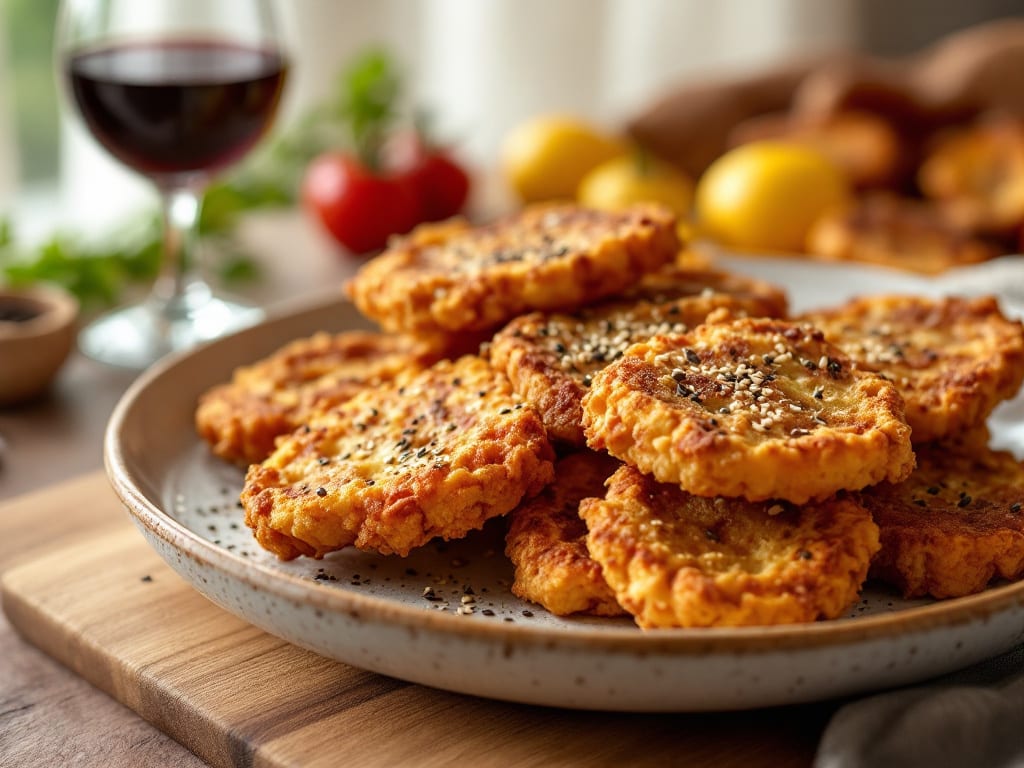
This African fried bread recipe delivers the perfect balance of crispy, golden edges and tender centers in just 20 minutes—a staple side dish that brings authentic African flavors to your table.
The secret lies in the dough’s precise fermentation and the celery topping, which adds a signature crunch and aromatic depth. I developed this version after years of perfecting the technique, ensuring every bite stays true to its cultural roots while being simple enough for home cooks.
The dough requires only a few ingredients—flour, yeast, sugar, and water—but the magic happens during the 30-minute rise, which develops that signature light, airy texture.
Once fried to a golden brown, the bread becomes impossibly crispy on the outside while remaining soft inside, making it ideal for soaking up stews or serving alongside grilled meats. The celery topping isn’t just decorative; it adds a subtle herbal note that elevates the dish from ordinary to extraordinary.
What you’ll end up with is a batch of crispy, celery-topped fried bread that’s ready in under 20 minutes of active time, with minimal cleanup. The aroma alone will draw everyone to the table, and the texture—crunchy, tender, and just slightly chewy—is impossible to resist.
This recipe is foolproof, whether you’re serving it at a family gathering or enjoying it as a quick weeknight side.
For extra flair, try adding a pinch of salt to the dough or a sprinkle of sesame seeds on top before frying. Serve warm with your favorite African stew, curry, or even as a breakfast staple with scrambled eggs and chili.
The possibilities are endless, but the technique remains the same—simple, crispy, and utterly delicious.
Ingredients for african fried bread
Just nine ingredients transform into crispy, golden fried bread with that signature celery crunch.
| Ingredient | Amount | Notes |
|---|---|---|
| All-Purpose Flour 🌾 | 3 cups | Sifted for light texture |
| Active Dry Yeast 🍞 | 1 tsp | Ensure it's fresh (test in warm water) |
| Granulated Sugar 🍚 | 1 tbsp | Feeds yeast for fermentation |
| Salt 🧂 | 1 tsp | Fine sea salt preferred |
| Warm Water 💧 | 1 cup | 110°F (not boiling) |
| Vegetable Oil 🫒 | ¼ cup | For frying (or peanut oil) |
| Celery Stalks 🥬 | 1 whole | Finely chopped for topping |
| Sesame Seeds 🌰 | 1 tbsp | Optional for extra crunch |
| Garlic Powder 🧄 | ½ tsp | For aromatic depth (optional) |
The flour is your foundation—King Arthur or Gold Medal work best for that tender crumb. Yeast is non-negotiable here; grab a fresh packet from Trader Joe’s or your local bakery section if it’s been sitting on the shelf. Warm water should be lukewarm to the touch—110°F is ideal, but don’t stress if it’s a tad cooler. For the celery, look for fresh, crisp stalks with no brown spots. The finer you chop it, the better it’ll stick to the bread. Pro tip: Freeze chopped celery in ice cube trays for quick access later.
No sesame seeds? Crushed peanuts or poppy seeds work just as well. Running short on vegetable oil? Peanut or canola oil are great swaps—they both handle high heat beautifully. Want extra flavor? Add 1/4 tsp smoked paprika to the dough. For the celery topping, if you can’t find fresh, dried celery flakes (from the spice aisle) are a decent pinch substitute. And if your yeast isn’t active? Warm the water with 1 tsp sugar first to test it—it should foam within 5 minutes.
This dough keeps 24 hours in the fridge, covered with a damp towel. For extra crispiness, let it sit at room temp 10 minutes before frying. The fried bread stays crispy for 30 minutes if wrapped in a clean kitchen towel—perfect for serving family-style. Store leftovers in an airtight container for 2 days (reheat in a 350°F oven for 5 minutes). Freeze extras on a tray, then transfer to a bag for up to 3 months—just thaw and crisp in the oven.
Why You’ll Love This Recipe
- Pantry Staples Only: I swear by this recipe because it uses exactly what’s already in my kitchen—no obscure spices or hard-to-find ingredients. Just flour, yeast, sugar, salt, and water. That’s it. No last-minute grocery runs, no stress.
- Golden Crisp Magic: The moment those dough balls hit the hot oil, they transform into something ridiculously good—crispy outside, soft inside, with just enough caramelized sweetness from that pinch of sugar. Honestly, it’s the kind of texture that makes you reach for another one before you even finish chewing.
- Budget Breakfast Win: For under $2, this recipe feeds my whole family and then some. The dough’s forgiving, so I can double it without worry, and the oil frying method means no wasted ingredients. My wallet and my taste buds thank me every time.
Step-by-step instructions for African fried bread
Here’s how to make perfectly crispy, golden-brown bread with a fragrant celery topping.
Activate the Yeast and Mix the Dough
In a large bowl, combine the 1 cup warm water (about 110°F) with the 1 tbsp granulated sugar and 1 tsp active dry yeast. Let it sit for 5-10 minutes until frothy—this confirms your yeast is alive and ready to work. If it doesn’t bubble, your yeast may be old, and you’ll need to start over.
In a separate bowl, whisk together the 3 cups all-purpose flour and 1 tsp salt. I always sift the flour first to avoid lumps—this ensures a light, airy texture. Make a well in the center and pour in the yeast mixture along with the 0.25 cup vegetable oil and 0.5 tsp garlic powder. Mix with a wooden spoon until a shaggy dough forms.
Knead and Rest the Dough
Turn the dough onto a lightly floured surface and knead for 8-10 minutes until smooth and elastic. You’ll know it’s ready when it springs back slowly when poked. This step develops the gluten, which gives the bread its structure and helps it hold its shape when frying.
Place the dough in a lightly oiled bowl, cover with a damp towel, and let it rise in a warm place for 1 hour or until doubled in size. The kitchen counter works great—just avoid drafts. Poke the dough gently; if it springs back slowly, it’s ready. If it doesn’t, give it another 15-20 minutes—rushing this step leads to dense bread.
Shape and Fry the Bread
Punch down the risen dough and divide it into 4 equal pieces. Roll each piece into a smooth ball, then flatten slightly into a ½-inch thick round. Heat 1 inch of vegetable oil in a deep skillet over medium heat until it reaches 350°F—a candy thermometer works best, but a wooden chopstick should sizzle gently when dropped in.
Carefully slide one dough piece into the oil and fry for 2-3 minutes per side until golden brown and crispy. You’ll smell that wonderful yeasty aroma—this is your signal it’s ready. Transfer to a paper towel-lined plate to drain excess oil. Repeat with the remaining dough pieces, working in batches to avoid overcrowding the pan.
Top and Serve Warm
While the bread is still hot, finely chop the 1 whole celery stalk (remove any stringy bits) and mix with the 1 tbsp sesame seeds. Spoon this mixture over each piece of fried bread, pressing down gently so it sticks. The celery adds a fresh, slightly bitter contrast that balances the richness of the fried dough.
Serve immediately with your favorite dipping sauce—traditionally, a spicy tomato or peanut sauce pairs beautifully. The bread should be crispy on the outside with a soft, pillowy interior. If it starts to soften as it cools, reheat in a 350°F oven for 5 minutes to restore that perfect crunch.
Pro Tips For Making African Fried Bread
- TEST YEAST FIRST: Skip the guesswork—mix 1 teaspoon yeast, 1 teaspoon sugar, and ¼ cup warm water (110°F) in a small bowl. If it bubbles in 5-10 minutes, your yeast is alive and ready. No bubbles? Toss it and start fresh. I’ve wasted dough waiting for dead yeast to “maybe” activate—don’t make that mistake.
- KNEAD LESS, REST MORE: This dough doesn’t need your arm muscles—just mix until combined, then let it rise twice: first in the bowl (1-2 hours) until doubled, then after shaping (another 30-45 minutes). Over-kneading makes the bread dense. Trust the yeast to do the work while you sip tea.
- CUT SLITS DEEP: Use a sharp knife or pizza cutter to slash the risen dough balls almost all the way through—about ½ inch from the bottom. This ensures they puff perfectly when frying and prevents them from splitting open mid-cook. I learned this after watching my first batch turn into sad, lopsided blobs.
- FRIED IN BATCHES: Crowd the pan, and the oil temperature drops like a rock—your bread will soak up oil instead of crisping. Fry 2-3 pieces at a time in 350°F oil (use a thermometer) until golden brown (3-4 minutes per side). Yes, it takes patience, but the difference in texture is night and day.
Flavor customization for this dish
Sweet Spiced Twist
For a dessert-friendly version, add 1 tsp cinnamon and ½ tsp cardamom to the dough while mixing. After frying, drizzle with a light honey syrup made from 2 tbsp honey and 1 tsp lemon juice.
I love serving these as a sweet breakfast side with chai tea—it’s a hit at brunch gatherings. 🍯
Herb-Infused Variations
Swap celery for fresh herbs like cilantro or mint mixed with 1 tbsp chopped parsley for a Middle Eastern-inspired twist. Add ½ tsp ground cumin to the dough for extra depth.
This works beautifully with spiced lamb or grilled chicken. The herbs add a bright, fresh contrast to the crispy exterior.
Spicy Kick Option
For heat lovers, mix ½ tsp cayenne pepper or 1 tsp chili powder into the dough before shaping. After frying, top with a sprinkle of smoked paprika and crushed red pepper flakes.
Serve with a cooling yogurt dip to balance the spice. This version pairs perfectly with hearty stews or spicy curries. 🌶️
Savory Nut Topping
Skip the celery and mix 2 tbsp crushed peanuts with 1 tsp soy sauce for a Southeast Asian-inspired topping. Add ½ tsp five-spice powder to the dough for extra complexity.
This variation is fantastic with satay sauce or peanut butter dipping sauce. The nuts add a satisfying crunch that complements the fried texture.
Cheesy Delight
Stretch the dough slightly thinner before frying and press a small amount of shredded mozzarella into the center of each piece. Fold the edges over the cheese to create a pocket.
Fry until golden and top with extra cheese if desired. This cheesy version is a crowd-pleaser at parties—just be sure to use low-moisture cheese to avoid sogginess. 🧀
Coconut-Crusted Version
For a tropical twist, mix ¼ cup unsweetened shredded coconut with the sesame seeds for the topping. Add ½ tsp vanilla extract to the dough for extra aroma. Fry as usual, then press the coconut mixture onto the hot bread.
This version pairs wonderfully with coconut milk-based curries or mango chutney. The coconut adds a sweet, nutty flavor that’s irresistible. 🥥
Nutrition facts
Frequently asked questions
Can I make this African fried bread without yeast?
Yes, but the texture will differ significantly. For a yeast-free version, use 1 tsp baking powder and 1 tsp baking soda instead of yeast. The bread will be lighter but won’t have the same airy, pillowy quality. For a quick test, try 1/4 cup club soda in place of water—it creates bubbles that mimic yeast’s effect.
How do I keep the fried bread crispy longer?
Store the bread in an airtight container with a paper towel to absorb moisture. For extra crunch, reheat in a 350°F oven for 3-5 minutes before serving. Avoid plastic bags—they trap steam and make the bread soggy. The celery topping stays fresh for 24 hours if kept dry.
What’s the best oil for frying African fried bread?
Peanut or vegetable oil work best for high heat frying (up to 375°F). Avoid olive oil—it has a low smoke point and can make the bread greasy. For extra flavor, use 100% peanut oil, which adds a subtle nutty taste. Drain fried bread on a wire rack instead of paper towels to keep it crispier longer.
Can I use this dough for other recipes?
The same dough works for puff-puff (smaller balls) or mandazi (sweetened versions). For mandazi, add 1/4 cup sugar and 1/2 cup milk to the dough, then shape into small balls. Fry as usual and dust with cinnamon sugar. The dough also makes great breakfast pastries when baked instead of fried.
Why did my bread turn out dense instead of crispy?
Dense bread usually means the yeast didn’t activate properly or the dough wasn’t kneaded enough. Double-check your yeast by testing it in warm water with sugar—it should bubble within 5 minutes. Also, ensure you kneaded for 8-10 minutes to develop gluten. If the oil wasn’t hot enough (350°F), the bread will absorb too much oil and become greasy rather than crispy. Try frying in smaller batches to maintain consistent heat.

- Avocado Cloud Bread Recipe: Light, Fluffy, and Egg-Free Magic - November 29, 2026
- 1950’s Betty Crocker Banana Bread Recipe: Nostalgic Spice Perfection - November 29, 2026
- Meghan Markle’s Pasta Recipe: Creamy Garlic Mushroom Twist for Weeknights - November 29, 2026