
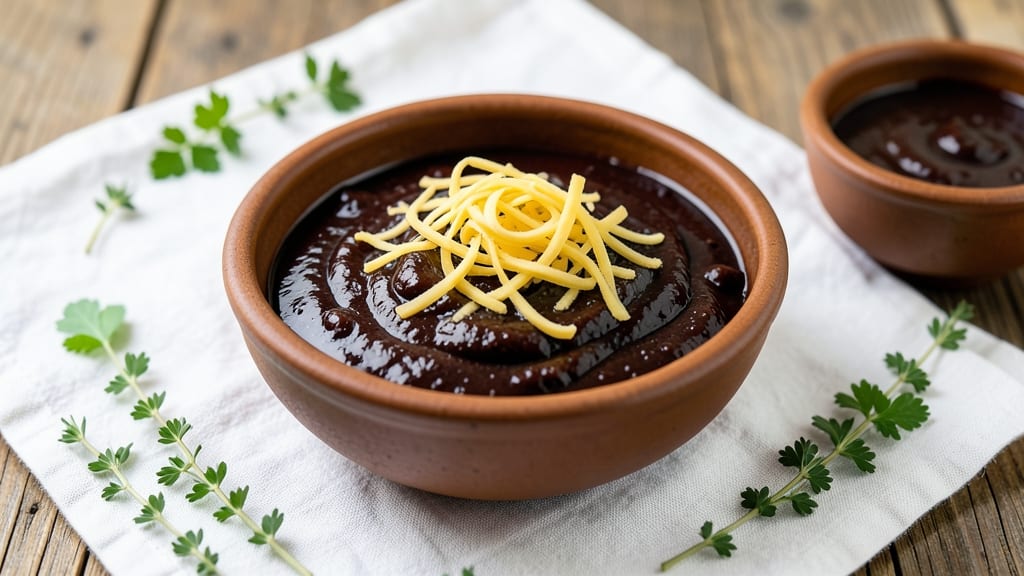
This Guinness sauce recipe transforms a simple stout into a velvety, umami-rich condiment that elevates steak, burgers, and even mashed potatoes to restaurant-quality levels.
The deep malty notes of Guinness stout blend seamlessly with cream and aromatics, creating a sauce that’s both bold and balanced—perfect for adding depth to hearty dishes.
I developed this recipe after years of experimenting with stout-based sauces, and it’s now a staple in my kitchen for its versatility and foolproof technique.
The beauty of this sauce lies in its simplicity: just five core ingredients—Guinness stout, heavy cream, shallots, butter, and a touch of Worcestershire—simmered together until thick and glossy. The key is patience; letting the sauce reduce slowly intensifies the flavors without burning the alcohol.
It’s a process that rewards attention, but the result is a sauce so rich and complex, it turns everyday meals into something special. Once mastered, you’ll find yourself reaching for this recipe time and again.
What makes this sauce truly remarkable is its adaptability. Use it as a drizzle over steak or burgers, a topping for creamy mashed potatoes, or even a glaze for roasted vegetables.
The texture is velvety yet sturdy enough to hold its own, while the flavor profile—smoky, slightly sweet, and deeply savory—adds a layer of sophistication to any dish. Best of all, it keeps well in the refrigerator for up to five days, making it an ideal make-ahead condiment for busy weeknights.
Whether you’re hosting a dinner party or simply craving a restaurant-worthy meal at home, this Guinness sauce delivers professional results with minimal effort. The instructions are straightforward, and the ingredients are easy to find, so there’s no excuse not to try it. Let’s get cooking—your taste buds will thank you.
Ingredients for guinness sauce
Five core ingredients transform stout into a velvety sauce with restaurant-quality depth.
| Ingredient | Amount | Notes |
|---|---|---|
| Guinness Stout 🍺 | 1 cup | Freshly chilled, not warmed |
| Heavy Cream 🥛 | 1 cup | Full-fat for optimal richness |
| Unsalted Butter 🧈 | 2 tbsp | Cold, cubed for even melting |
| Shallots 🧅 | 2 whole | Minced, not chopped |
| Worcestershire Sauce 🍶 | 1 tbsp | Lea & Perrins preferred |
| Diamond Crystal Kosher Salt 🧂 | ¼ tsp | Fine grain for delicate seasoning |
| Freshly Ground Black Pepper 🌶️ | ⅛ tsp | Cracked peppercorns preferred |
The Guinness stout is the foundation—opt for freshly chilled bottles from the cooler section of your grocery store, not the warm, flat cans. Trader Joe’s and Whole Foods often carry the best selection of cold stouts. For the shallots, organic varieties from the produce department have the most delicate flavor, though regular shallots work fine if you’re in a hurry. The heavy cream should be the highest-fat option available—full-fat, ultra-pasteurized holds up best during simmering. Unsalted butter prevents unwanted sodium buildup, and European-style butter like Plugrá or President adds subtle richness. When selecting Worcestershire, Lea & Perrins remains the gold standard, though Annie’s Organic is a solid alternative for those avoiding anchovies.
No Guinness stout on hand? Dark beer or porter can substitute at a 1:1 ratio, though the flavor will be less complex. Running low on heavy cream? Half-and-half with an extra tablespoon of butter maintains body, though texture will be slightly lighter. Substituting shallots with finely minced yellow onion works in a pinch, but the sauce will have a sharper bite. For a dairy-free version, full-fat coconut cream mimics richness, though it lacks the same velvety finish. The Worcestershire sauce is non-negotiable—its umami depth is irreplaceable, but if you’re avoiding it, a dash of soy sauce or fish sauce can provide a similar depth, though with different nuance. Always taste as you go; the sauce’s balance is delicate and requires adjustment based on your specific ingredients.
This sauce peaks after 5-7 days in the refrigerator when flavors fully meld, though it’s ready to use immediately. Store in an airtight container with a thin layer of plastic wrap pressed directly onto the surface to prevent skin formation. For longer storage, portion into ice cube trays, freeze, and transfer to a freezer bag—3 months of optimal flavor preservation. Reheat gently over low heat, adding a splash of cream if the sauce thickens too much during storage. The sauce’s versatility means it’s worth making extra; a double batch keeps perfectly for 10 days refrigerated, making it ideal for meal prep. Always let it cool completely before refrigerating to maintain its glossy texture.
Why You’ll Love This Recipe
- Here’s what sold me: that deep, malty Guinness base marries perfectly with the cream’s silkiness, while the Worcestershire ties it all together with a savory punch. It’s the kind of sauce that makes you pause mid-bite—like, “How did this get so good?”—and then immediately go back for more.
- I’ll be real: I often make double batches because this sauce actually improves after sitting overnight. The flavors meld even deeper, and it reheats like a dream—no graininess, no weird textures. Plus, it freezes beautifully, so I’m always covered for when I forget to thaw the chicken again.
Step-by-step instructions for crafting Guinness sauce
This velvety stout reduction delivers steakhouse depth with minimal effort—just seven ingredients and precise technique.
Melt Butter and Sauté Shallots
In a medium saucepan over medium-low heat, add the 2 tablespoons unsalted butter and let it melt completely, watching for golden bubbles that signal even distribution. Once fully melted, add the 2 whole shallots that you’ve minced to a fine texture—no larger than 1/8-inch pieces. This precision ensures they dissolve rather than char.
Cook the shallots for 4-5 minutes, stirring frequently, until they become translucent and their aroma fills the kitchen. The goal is to develop their sweetness without browning—this forms the aromatic base of your sauce. If you notice any pieces darkening, reduce the heat slightly to prevent bitterness. This step is foundational; rushed shallots will leave your sauce flat and one-dimensional.
Deglaze with Guinness Stout
Pour in the 1 cup freshly chilled Guinness Stout immediately after removing the pan from heat. The sudden temperature change helps dissolve any browned bits clinging to the pan—a technique called deglazing. Return the pan to medium heat and bring the mixture to a gentle simmer, stirring occasionally to prevent sticking.
Simmer for 5-6 minutes until the liquid reduces by about one-third, leaving a concentrated stout essence. You’ll notice the aroma deepen as alcohol evaporates, transforming into rich malt notes. This reduction is critical—it removes harsh alcohol flavors while intensifying the stout’s roasted character. If the sauce begins to splatter excessively, lower the heat slightly to maintain control.
Incorporate Worcestershire and Seasonings
Once the stout has reduced, stir in the 1 tablespoon Worcestershire Sauce, 0.25 teaspoon Diamond Crystal Kosher Salt, and 0.125 teaspoon freshly ground black pepper. The Worcestershire adds umami complexity that bridges the gap between the stout’s maltiness and the cream’s richness. Let the mixture simmer gently for 2 minutes to allow these flavors to meld—this is where the sauce begins to develop its signature depth.
Taste the mixture now. You should detect layers of malt, caramel, and a subtle tang from the Worcestershire. If it needs more salt, add it gradually—Guinness is already moderately salty. The pepper should be present but not overpowering; you’ll adjust this further after adding the cream. This moment is your flavor checkpoint—correct any imbalances now before proceeding.
Finish with Heavy Cream
Reduce the heat to low and slowly pour in the 1 cup heavy cream while whisking continuously. The cream should warm gradually to prevent curdling—a common pitfall when adding cold dairy to hot liquids. Whisking creates gentle heat circulation that ensures even temperature distribution throughout the sauce.
Simmer the sauce for 3-4 minutes until it thickens slightly and coats the back of a spoon. You’re looking for a velvety consistency that clings to proteins rather than pooling. If the sauce thickens too quickly, whisk in 1-2 tablespoons of the reserved stout reduction to restore balance. The final texture should be luxurious yet still coat the tongue evenly—this is the hallmark of a properly finished Guinness sauce.
Rest and Adjust
Remove the sauce from heat and let it rest for 5 minutes at room temperature. This resting period allows flavors to settle and the sauce to reach its optimal consistency. During this time, taste again—you may find the salt or pepper needs final adjustment. Remember, the cream’s fat content will slightly dilute the intensity, so err on the side of under-seasoning if you’re unsure.
The sauce is now ready to use. For immediate service, gently reheat over low heat while stirring constantly. For storage, transfer to an airtight container and refrigerate for up to 3 days, or freeze for 3 months. When reheating, do so over low heat and whisk vigorously to restore its silky texture. This sauce elevates steak, mashed potatoes, or even as a dipping sauce for crusty bread—its versatility makes it a steakhouse staple worth mastering.
Pro Tips For Making Guinness Sauce
- Sweat Shallots Slow: I learned this the hard way—rushing the shallots means they’ll burn before they soften, and burnt shallots taste bitter. Simmer them over medium-low heat for 8-10 minutes until they’re translucent and just starting to caramelize. No need to rush; patience here makes the sauce richer.
- Whisk the Cream Cold: Heavy cream loves to scald when heated too fast, and once it breaks, you’re stuck with a lumpy mess. Warm the Guinness and butter first, then whisk in the cold cream off the heat—let it heat gradually. Sounds weird, but it works: silky texture every time.
- Skip the Boil: Boiling Guinness sauce turns it thin and flat. Once you add the cream, keep the heat at a bare simmer—tiny bubbles, maybe 180°F (82°C)—and stir often. The sauce will thicken naturally without curdling or losing its depth. Your future self will thank you.
- Salt the Butter First: Unsalted butter is a blank slate, and guessing salt levels later leads to imbalance. Toss in a pinch of flaky salt (about ¼ tsp per 2 tbsp butter) while melting it—this ensures the sauce isn’t bland or overpowered by Worcestershire. Trust me, it’s the thing that matters most.
Creative variations of these flavors
Steakhouse-Style Upgrade
Transform your classic steak dinner by using this sauce as a glaze for grilled or pan-seared steaks. Brush 2-3 tablespoons of warm sauce onto 1-inch thick ribeye or New York strip during the last 2 minutes of cooking.
The alcohol in the Guinness caramelizes beautifully, creating a glossy, flavorful crust. For extra drama, finish with flaky sea salt and fresh thyme leaves right before serving. 🔥
Mashed Potato Luxury
Take creamy mashed potatoes to the next level by folding ¼ cup of sauce per 4 servings into the hot potatoes. The sauce’s richness cuts through the butterfat, adding depth without overpowering.
For a restaurant-worthy finish, top with crispy fried shallots and a sprinkle of crumbled blue cheese. This combo is a crowd-pleaser at holiday dinners or casual weeknight meals.
Burger Sauce Revolution
Skip the ketchup and mayo—this sauce turns burgers into a steakhouse experience. Mix 3 tablespoons of sauce per burger patty with a dollop of American cheese before assembling.
The stout’s maltiness pairs perfectly with beef, while the cream adds a velvety contrast to crispy buns. Add caramelized onions and pickled jalapeños for a smoky-sweet-spicy trifecta.
Roasted Vegetable Glaze
Roast brussels sprouts, carrots, or mushrooms until tender, then toss with 2 tablespoons of sauce per pound of veggies. The sauce’s umami richness complements earthy flavors, while the cream adds a luxurious finish.
For extra crunch, top with toasted pecans or walnuts. This works beautifully as a side dish or even a main course for vegetarian meals.
Crispy Potato Topping
Turn baked potatoes into a decadent dish by scooping out a well in the center and filling it with 2 tablespoons of warm sauce. Top with crumbled bacon, green onions, and a sprinkle of paprika.
The sauce’s creamy texture melts into the fluffy potato, creating a comforting, restaurant-style bite. Serve with a side of steamed broccoli for a complete meal.
Breakfast Twist
Yes, this sauce works for breakfast! Drizzle over fried eggs or biscuits and gravy for a savory, unexpected treat. The stout’s depth pairs surprisingly well with the richness of eggs, while the cream balances the heat of spicy breakfast sausages.
For a showstopper, top with crispy prosciutto and chopped chives**. 💫
Nutrition facts
Frequently asked questions
Can I substitute Guinness stout with another beer?
While you can use dark beer or porter in a pinch, the flavor won’t be as complex. Guinness stout provides the perfect balance of roasted maltiness and creamy sweetness that’s hard to replicate. If substituting, choose a full-bodied, slightly sweet dark ale like a Belgian dubbel or a robust porter for the closest match. The sauce will still be delicious, but you’ll lose some of that signature depth.
Why did my sauce curdle when adding the cream?
This happens when the cream gets too hot too quickly. Always add the cream slowly while whisking continuously over low heat. If it starts to curdle, immediately remove the pan from heat and whisk vigorously. For extra insurance, warm the cream slightly before adding it to the pan. The sauce should be at a gentle simmer, not a rolling boil.
How can I make this sauce thicker or thinner?
For a thicker sauce, simmer it uncovered for 2-3 additional minutes to reduce more liquid. If it gets too thick, whisk in 1-2 tablespoons of warm milk or cream to restore balance. For a thinner consistency, simply add a splash of warm liquid (milk, broth, or even more stout) while whisking. The ideal texture should coat the back of a spoon but still flow smoothly.
Can I make this sauce ahead of time?
This sauce actually tastes better after resting. Refrigerate it for up to 5 days in an airtight container. For longer storage, freeze it in ice cube trays for 3 months. When reheating, warm it gently over low heat while whisking constantly to restore its silky texture. The flavors will deepen and meld beautifully over time.
What’s the best way to reheat leftover sauce?
Gently reheat over low heat on the stovetop, stirring frequently to prevent scorching. If the sauce thickens too much, whisk in 1 tablespoon of warm milk or cream to restore its original consistency. For microwave reheating, use 30-second intervals at 50% power, stirring well between each interval. Always reheat just until warm—overheating can break down the sauce’s delicate texture.

- Rum Simple Syrup Recipe: Balanced Sweetness for Cocktails and Desserts - November 29, 2026
- Avocado Cloud Bread Recipe: Light, Fluffy, and Egg-Free Magic - November 29, 2026
- 1950’s Betty Crocker Banana Bread Recipe: Nostalgic Spice Perfection - November 29, 2026