
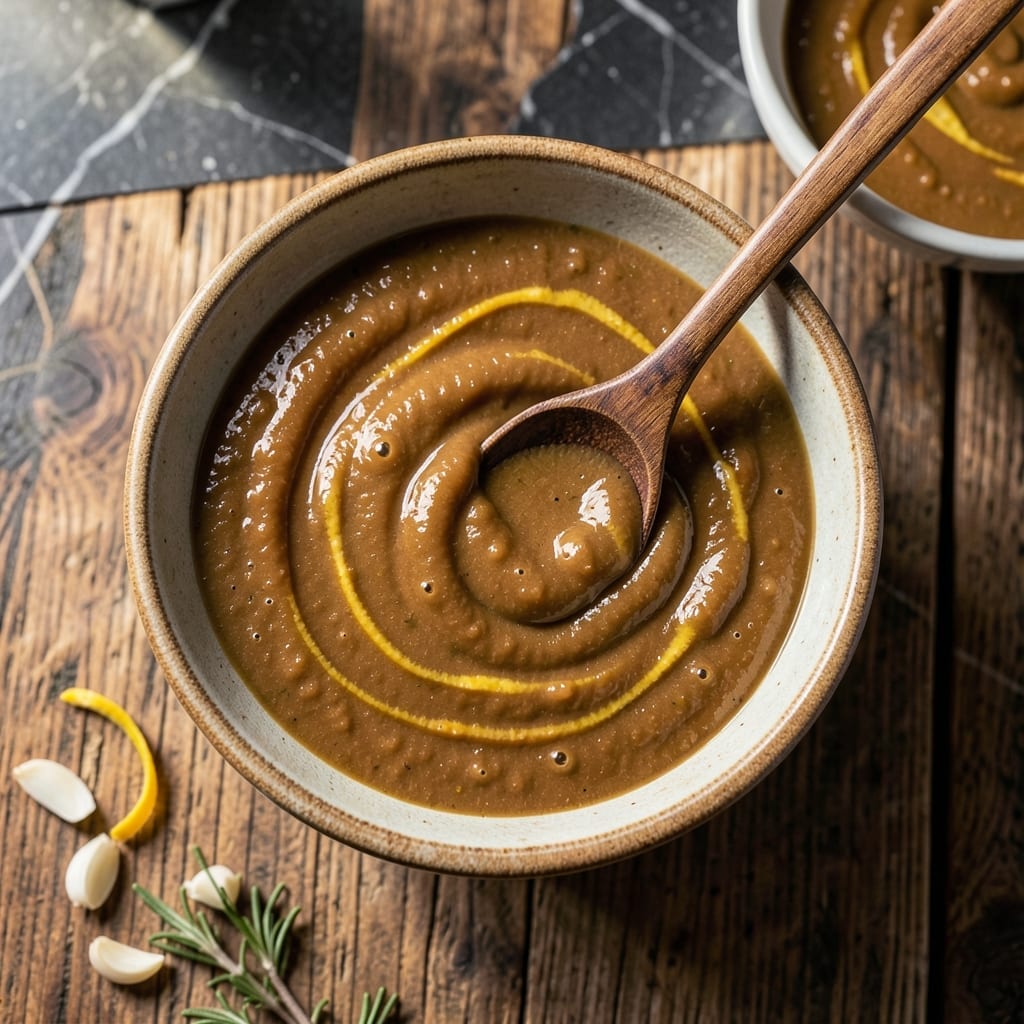
This Creole-inspired dipping sauce brings bold Louisiana flavor to fried alligator bites with minimal effort. The combination of tangy, spicy, and slightly sweet notes creates a perfect balance that enhances without overpowering.
What sets this sauce apart is its simplicity—just whisk together common pantry staples like mayonnaise, hot sauce, and a touch of Worcestershire. The result is a smooth, creamy condiment that clings beautifully to crispy fried pieces.
I developed this recipe after testing numerous variations, and this version consistently delivers the authentic taste you’d expect from a New Orleans kitchen. It’s ready in under 5 minutes with no cooking required.
Use it immediately or store in the fridge for up to a week. The flavors deepen with time, making it even better the next day.
Ingredients for Alligator Dipping Sauce
Whisk together these bold flavors for a smooth, tangy Creole sauce ready in minutes.
| Ingredient | Amount | Notes |
|---|---|---|
| Mayonnaise 🥫 | 1 cup | Full-fat for creaminess |
| Creole Mustard 🟡 | 2 tbsp | Or Dijon in a pinch |
| Louisiana Hot Sauce 🌶️ | 2 tbsp | Crystal or Tabasco brand |
| Worcestershire Sauce 🍶 | 1 tbsp | Anchovy-free if preferred |
| Honey 🍯 | 1 tbsp | Balances the heat |
| Garlic Cloves 🧄 | 2 cloves | Minced finely |
| Lemon Juice 🍋 | 1 tbsp | Freshly squeezed |
| Cajun Seasoning 🌶️ | 1 tsp | Store-bought or homemade |
| Smoked Paprika 🌶️ | ½ tsp | Adds depth of flavor |
The hot sauce is non-negotiable for that Louisiana kick. Crystal or Tabasco are the gold standards—found in any grocery store, but Cajun specialty shops have the good stuff. Creole mustard adds that coarsely ground, tangy bite you can’t get from regular yellow mustard. Zatarain’s makes a solid version if you’re not making it from scratch.
No Creole mustard? Dijon plus a pinch of horseradish gets you close. Swap honey for maple syrup if you want it vegan. Anchovy-free Worcestershire keeps it seafood-friendly. The garlic can be powdered at half the amount, but fresh really shines here. Skip the Cajun seasoning? Just add more paprika and a dash of cayenne.
This keeps 5-7 days in the fridge. The flavors meld beautifully overnight. Stir before using—things settle. Don’t freeze it (mayo doesn’t love that). Perfect for fried alligator, but honestly, try it on fries too.
Why You’ll Love This Recipe
- Five-Minute Mix: I just dump everything in a bowl—mayo, Creole mustard, hot sauce, Worcestershire, honey—and stir. No cooking, no fuss.
- Smoky Sweet Heat: The honey balances the Louisiana hot sauce perfectly, while the Creole mustard adds that tangy kick I crave.
- Tailgate to Tacos: I slather it on fried alligator bites, but honestly, it’s just as good with fries, chicken tenders, or even as a sandwich spread.
Step-by-Step Instructions for Alligator Dipping Sauce
This no-cook sauce comes together in minutes with bold flavors that build as it rests.
Step 1: Build the Creamy Base
In a medium bowl, combine the 1 cup Mayonnaise with the 2 tbsp Creole Mustard. I always use full-fat mayonnaise here—it gives the sauce that rich, velvety texture that clings perfectly to fried alligator bites. The Creole mustard adds a tangy depth with a hint of spice.
Whisk vigorously for about 30 seconds until the mixture is completely smooth and uniform in color. You should see no streaks of mustard—just a pale, creamy base that looks ready for flavor.
Step 2: Add the Heat and Umami Layers
Next, stir in the 2 tbsp Louisiana Hot Sauce and 1 tbsp Worcestershire Sauce. The hot sauce brings that signature Louisiana heat, while the Worcestershire adds a savory depth that balances the spice. I recommend Crystal or Tabasco for the hot sauce—both have the right vinegar tang and heat level.
At this stage, the mixture will look slightly orange and smell bold and tangy. Give it a taste—you should notice the heat starting to build, but it won’t be overwhelming yet. That’s where the next ingredients come in.
Step 3: Sweeten and Brighten the Sauce
Now, add the 1 tbsp Honey and 1 tbsp Lemon Juice. The honey mellows the heat and adds a subtle sweetness that rounds out the flavors, while the fresh lemon juice cuts through the richness and adds a bright, zesty note. Use freshly squeezed lemon juice here—bottled just doesn’t have the same punch.
Whisk again for another 20-30 seconds until everything is fully incorporated. The sauce should now have a glossy appearance and a more balanced aroma—less sharp, with a hint of sweetness underlying the tang.
Step 4: Finish with Aromatics and Spices
Mince the 2 cloves Garlic Cloves finely—almost to a paste—and add them to the bowl along with the 1 tsp Cajun Seasoning and 0.5 tsp Smoked Paprika. The garlic adds a pungent kick, while the Cajun seasoning and smoked paprika bring earthy, smoky notes that tie everything together.
Stir well to distribute the spices evenly. The sauce will thicken slightly as the spices hydrate. Let it sit for at least 10 minutes before serving to allow the flavors to meld. This resting time is crucial—the garlic will mellow, and the spices will infuse the sauce with their full depth.
Give it a final stir and taste. Adjust if needed, though I find the balance is usually perfect as is. Serve chilled or at room temperature with fried alligator for the ultimate dipping experience.
Pro Tips For Making Alligator Dipping Sauce
- Chill the Sauce: After mixing, refrigerate for at least 30 minutes—I learned the hard way that this lets the flavors meld and thickens it just right.
- Use Full-Fat Mayo: Skip the light stuff; full-fat mayonnaise gives the sauce that rich, creamy base it needs to cling to fried alligator.
- Balance the Heat: Start with half the hot sauce, taste, then add more—Louisiana hot sauce can overpower quickly, and you can’t take it out.
- Whisk, Don’t Stir: A quick whisk blends the honey and mustard smoothly, while stirring just leaves streaks and an uneven texture.
Essential Equipment for This Dish
Mixing Bowls
I always use a medium stainless steel mixing bowl for this sauce—it’s durable, easy to clean, and the smooth surface helps whisk everything together evenly. A 2-quart size gives plenty of room for vigorous whisking without spills. 💪
Whisk Selection
A balloon whisk is my go-to for emulsifying the mayonnaise and mustard. The rounded shape fits perfectly into the bowl’s curves. Look for one with a 10-12 inch handle for comfort. I keep a OXO Good Grips whisk in my kitchen at all times.
Measuring Tools
For accuracy with small quantities, I recommend stainless steel measuring spoons. The 1 tsp and ½ tsp sizes get heavy use here. I prefer the magnetic sets that stay organized. A 1 tbsp measure is perfect for the hot sauce and honey.
Garlic Tools
A microplane grater turns garlic cloves into a fine paste with minimal effort. This ensures even distribution in every bite. If you don’t have one, a chef’s knife and cutting board work too—just mince very finely. The difference in texture is noticeable.
Storage Containers
For leftovers, I transfer the sauce to a 16 oz glass mason jar with a tight-sealing lid. The glass won’t absorb odors, and you can see the sauce through the jar. A silicone spatula helps scrape every last bit from the mixing bowl.
Optional Upgrade
For restaurant-quality presentation, consider a small squeeze bottle for serving. The 12 oz size works perfectly for this volume. It makes drizzling over plates look professional and feels fun to use. 🔥
Nutrition Facts
Frequently Asked Questions
Can I make this sauce ahead of time?
The flavors actually improve after 24 hours in the fridge. Store in an airtight container for up to 1 week. Stir well before using as ingredients may separate.
What can I use instead of Creole mustard?
Dijon mustard mixed with ½ tsp horseradish makes a great substitute. In a pinch, regular yellow mustard works, but add extra Cajun seasoning for depth.
How do I adjust the heat level?
For milder sauce, reduce hot sauce to 1 tbsp. For extra kick, add ½ tsp cayenne or a dash more hot sauce. Taste as you go!
Can I use this with other dishes?
This versatile sauce pairs wonderfully with fried shrimp, chicken tenders, or even as a sandwich spread. Its bold flavor works best with rich, crispy foods.

- BBQ Sausage Recipe Oven: Smoky Depth Without the Grill - September 28, 2026
- BBQ Chicken Bowl Recipe Rice: Smoky Sweetness Over Fluffy Grains - September 28, 2026
- Beef Cutlet Recipe Ideas: Crispy Breaded Patties With Bold Seasonings - September 28, 2026