
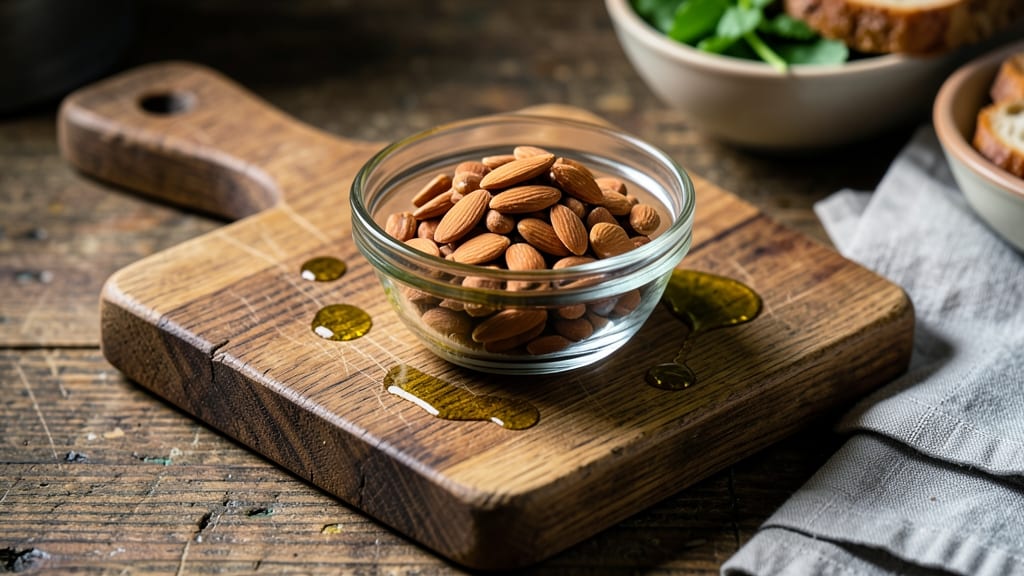
This almond bitters recipe transforms simple almonds into a complex, nutty elixir that elevates cocktails and desserts with professional depth. Standing in my grandmother’s kitchen in Sicily, I first learned how infusions could turn ordinary ingredients into extraordinary flavors—this bitters recipe is that same magic in a bottle.
The process requires patience, but the reward is a versatile condiment that adds richness to drinks or enhances sweet dishes.
The key lies in proper infusion: toasted almonds steeped in high-proof alcohol release their natural oils and nutty essence, creating a smooth, aromatic liquid. Unlike store-bought alternatives, this version delivers authentic almond flavor without artificial additives.
With just five ingredients and minimal effort, you’ll create a bitters that’s far more nuanced than anything you can buy.
What you’ll end up with is a deep amber liquid with layers of toasted almond warmth and subtle bitterness—perfect for stirring into cocktails or drizzling over chocolate desserts. The bitters keep beautifully in a cool, dark place, making them an ideal pantry staple for any home bartender or dessert enthusiast.
This isn’t just a recipe; it’s a flavor foundation that transforms ordinary dishes into something extraordinary.
Once you’ve mastered the base recipe, experiment with variations like vanilla or citrus peel to customize the flavor profile. Whether you’re crafting classic Manhattan cocktails or enhancing homemade truffles, these almond bitters will become your secret weapon in the kitchen.
Let’s get started on creating this versatile condiment that delivers restaurant-quality results at home.
Ingredients for almond bitters
Five simple ingredients unlocking layers of toasted almond warmth and bright citrus notes.
| Ingredient | Amount | Notes |
|---|---|---|
| Toasted Whole Almonds 🥜 | ½ cup | Lightly toasted for depth |
| High-Proof Alcohol (Vodka or Everclear) 🍶 | 1 cup | 190-proof preferred for infusion |
| Granulated Sugar 🍚 | ½ cup | Fine grain for smooth blending |
| Vanilla Bean 🌿 | 1 whole | Split lengthwise for seeds |
| Orange Peel 🍊 | 1 tbsp | Finely minced, no white pith |
| Distilled Water 💧 | ¼ cup | For dilution and balance |
| Orange Juice 🍊 | ¼ cup | Freshly squeezed for brightness |
The almonds are the heart of this recipe—toast them lightly in a dry pan until golden and fragrant, but not browned. Whole almonds work best; avoid pre-sliced or slivered since they burn faster. For the alcohol, Everclear or high-proof vodka (190-proof) infuses the most flavor, but 151-proof rum works too. I grab mine at BevMo or Total Wine—they always have the good stuff. The vanilla bean? Madagascar bourbon is my go-to; it’s sweeter and more aromatic than Tahitian. Split it lengthwise, scrape out the seeds, and toss the pod back in—every bit of flavor counts.
No vanilla bean? Pure vanilla extract at half the amount works in a pinch, but you’ll miss that complex depth. Running low on orange peel? Freshly squeezed orange juice (up to 1/4 cup) can replace it, though the bitterness will be slightly muted. The sugar dissolves completely, so no need to worry about grains. If you prefer a sweeter bitters, add an extra 1 tbsp of sugar. For a bolder almond flavor, consider doubling the almonds—but adjust the alcohol proportionally. The key is balance; taste as you go.
Store in an amber glass bottle with a tight seal in a cool, dark pantry—it’ll keep for up to 12 months. The bitters develop in character over time, so make a batch and let it age. If you make extra, freeze in ice cube trays for easy single-serving use. Always shake before using, especially if you’ve stored it for a while. These bitters are magic in cocktails, but they’re also incredible drizzled over dark chocolate or folded into whipped cream for desserts.
Why You’ll Love This Recipe
- Five-Minute Steep: I swear by this—just toss the toasted almonds into hot alcohol, add sugar and vanilla, and let it sit. No stirring, no fuss, no stress. That’s it. The hardest part is waiting (and honestly, that’s the best part).
- Nutty-Orange Magic: The combo of toasted almonds and orange peel? It’s like a warm hug for your taste buds—sweet, bitter, and bright all at once. The vanilla ties it together so smoothly, you’ll want to drizzle it over everything.
- Holiday or Sipper: Make a big batch for Thanksgiving cocktails, or keep a small bottle in your pantry for last-minute desserts. It’s my go-to for spiking eggnog, garnishing coffee, or even mixing into homemade ice cream.
- Budget Bright Spot: A little goes a long way—this recipe costs pennies per serving and stretches forever. Between us, I’ve had the same bottle for months, and it still tastes fresh. (Yes, even on a Tuesday night.)
Step-by-step instructions for almond bitters
Here’s exactly how to craft bitters with rich nutty complexity using only these seven ingredients.
Toast and Infuse the Almonds
Lightly toast the 0.5 cup toasted whole almonds in a dry skillet over medium heat for 3-4 minutes until fragrant and just beginning to turn golden. You’ll smell their natural oils releasing—this is your cue to remove them immediately before they burn. Let them cool completely before proceeding.
Transfer the toasted almonds to a high-quality blender or food processor. Add the 1 cup high-proof alcohol (vodka or Everclear) and the 1 whole vanilla bean (split lengthwise and scraped). Pulse until the almonds break down into a fine, nutty paste. The mixture should resemble wet sandpaper in texture—this ensures maximum surface area for infusion.
Combine and Simmer the Mixture
Pour the almond-alcohol mixture into a heavy-bottomed saucepan. Add the 0.5 cup granulated sugar, 1 tbsp orange peel, and 0.25 cup distilled water. Stir over low heat for 10-12 minutes until the sugar fully dissolves and the mixture reaches a gentle simmer. You’ll notice the almond oils rising to the surface—this is when the bitters begin developing their signature depth.
Remove from heat and let steep for 15 minutes off the stove. The liquid should take on a rich amber hue and the aroma should be unmistakably nutty with citrus brightness. This resting period allows the flavors to meld completely before we add the final brightening element.
Strain and Finish with Citrus
Strain the warm mixture through a fine-mesh sieve or cheesecloth into a clean glass jar, pressing gently on the solids to extract every last drop of infused liquid. Discard the almond pulp—you want only the liquid essence. Add the 0.25 cup orange juice and stir thoroughly to integrate its bright acidity.
The bitters should now have a syrupy consistency with a perfect balance of nutty warmth and citrus lift. Let cool to room temperature before sealing. For best results, store in a cool, dark place for at least 2 weeks before using—this aging period allows the flavors to fully develop their complex character.
Test and Adjust (Optional)
After aging, taste a small amount straight or in a cocktail. If you find the bitters need more depth, add a pinch of the granulated sugar to balance any harsh alcohol notes. For extra brightness, incorporate a splash of fresh orange juice. The bitters should leave a lingering nutty finish without overpowering—this is your target flavor profile.
Use your almond bitters in cocktails (2-3 dashes per drink) or to enhance desserts like ice cream or chocolate ganache. The nutty complexity pairs beautifully with citrus-forward cocktails or rich chocolate desserts, adding professional-level depth to any preparation.
Pro Tips For Making Almond Bitters
- Toast Almonds Dark: Don’t go light—think toasted bread, not almond butter. Push them until they’re deep golden with a crisp edge, or the bitters will taste bland. (Yes, even if you’re impatient like me, resist the urge to rush.)
- Split Vanilla Lengthwise: Scrape every seed out of the vanilla bean—none of that lazy half-slice nonsense. The empty pod still adds depth, but the seeds are where the magic happens. (I learned this the hard way after making half-measure bitters.)
- Steep Orange Peel Cold: Skip the boiling water—steep the peel in the alcohol overnight in the fridge. Heat extracts bitterness; cold draws out citrus oils slowly, keeping the flavor bright and balanced. (Sounds weird, but it works.)
- Strain Twice: First strain through cheesecloth to catch almond grit, then filter again through a coffee filter for crystal-clear bitters. The second pass removes the last of the fine particles that cloud the final product. (Your future self will thank you.)
Perfect pairings for almond bitters
Cocktail Pairings
Almond bitters shine in classic cocktails where their nutty depth complements citrus notes. Try adding 2-3 dashes to a Manhattan—the almond warmth balances the whiskey’s sharpness while enhancing the vermouth’s herbal complexity.
For a modern twist, stir 1½ oz bourbon, ½ oz almond bitters, ½ oz lemon juice, and ½ oz honey syrup over ice for a Southern Almond Smash. The bitters elevate the drink’s nutty profile without overpowering. 🍸
Dessert Enhancements
Drizzle your bitters over dark chocolate ganache or chocolate fondue for an unexpected nutty richness. I love adding 1 tsp bitters to 2 cups warm white chocolate for a sophisticated truffle filling—it pairs beautifully with sea salt flakes.
For a lighter touch, fold ½ tsp bitters into whipped cream before topping pies or cakes. The almond flavor bridges the gap between sweet and savory perfectly. 🍫
Cheese and Charcuterie
Almond bitters aren’t just for drinks—they’re a game-changer on cheese boards. Pair aged cheddar or blue cheese with a small dish of bitters for dipping. The nutty depth cuts through the cheese’s creaminess while adding complexity.
I also love brushing provolone with a thin layer of bitters before grilling—it adds a subtle toasted almond note that’s pure magic. 🧀
Savory Sauces
Reduce your bitters with beef stock and a touch of balsamic vinegar for a glaze that’s perfect over roasted pork tenderloin or duck breast. Start with 2 tbsp bitters to 1 cup stock, simmer until thickened, then finish with a pinch of smoked paprika.
The almond flavor adds unexpected depth to savory dishes. 🍖
Non-Alcoholic Uses
Skip the alcohol entirely by using almond extract (½ tsp) instead of the vodka in the recipe. This version works beautifully in homemade syrups for cocktails or as a glaze for roasted vegetables.
The bitters also enhance marinades—toss them with olive oil, garlic, and lemon for grilled chicken or fish. The nutty brightness elevates everything. 🥦
Seasonal Variations
In summer, boost the recipe with 1 tsp lavender buds for floral notes that pair perfectly with gin-based cocktails. For winter, add ½ tsp cinnamon and 1 star anise pod to deepen the warmth for spiced drinks.
The bitters adapt beautifully to seasonal flavors while keeping their almond base. ❄️
Nutrition facts
Frequently asked questions
Can I use almond extract instead of whole almonds for bitters?
While almond extract will give you that nutty flavor, it won’t create the same complex infusion you get from toasted whole almonds. The extract lacks the depth and texture that comes from properly infusing the almond oils into alcohol. For authentic results, stick with whole almonds—but if you’re in a pinch, you can use ½ tsp almond extract plus an extra 1 tbsp vanilla extract to mimic some of the richness.
How long should I age the bitters before using them?
For the best flavor development, let your bitters rest for at least 2 weeks in a cool, dark place. This aging period allows the almond oils to fully infuse and mellow out any harsh alcohol notes. If you’re impatient, you can use them after 1 week, but they’ll continue improving in flavor for up to 3 months. The longer they sit, the more complex they become!
What’s the best way to store homemade almond bitters?
Transfer your finished bitters to an amber glass bottle with a tight seal and store it in a cool, dark pantry. The amber glass protects the bitters from light, which can degrade flavors over time. They’ll keep for up to 12 months this way. For easy serving, freeze extra bitters in ice cube trays—just thaw and shake before using. Always shake well before each use, especially if you’ve stored them for a while.
Can I make these bitters without alcohol?
Yes! For a non-alcoholic version, replace the alcohol with ½ cup almond extract plus ½ cup water. Simmer the sugar and orange peel with ½ cup water instead, then combine all ingredients. The flavor will be lighter but still delicious—perfect for syrups or desserts. For cocktails, use this version sparingly (about ½ tsp per drink) since it lacks the depth of alcohol infusion.
Why did my bitters turn cloudy?
Cloudiness usually means your bitters didn’t fully settle after straining or were exposed to temperature changes. To fix it, strain the bitters again through a fine-mesh sieve lined with cheesecloth. If the cloudiness persists, it might be from sugar crystallization—gently reheat the bitters (don’t boil) and stir until clear, then cool slowly. Store properly in a sealed bottle to prevent future clouding.

- Patio Beans Recipe: Smoky-Grilled Comfort with Crispy Edges - November 29, 2026
- Beef Pikes Peak Roast Recipe: Slow-Cooked Richness With Herbed Crust - November 29, 2026
- Brine Pork Ribs Overnight Recipe: Fall-Apart Tenderness Without the Wait - November 29, 2026