
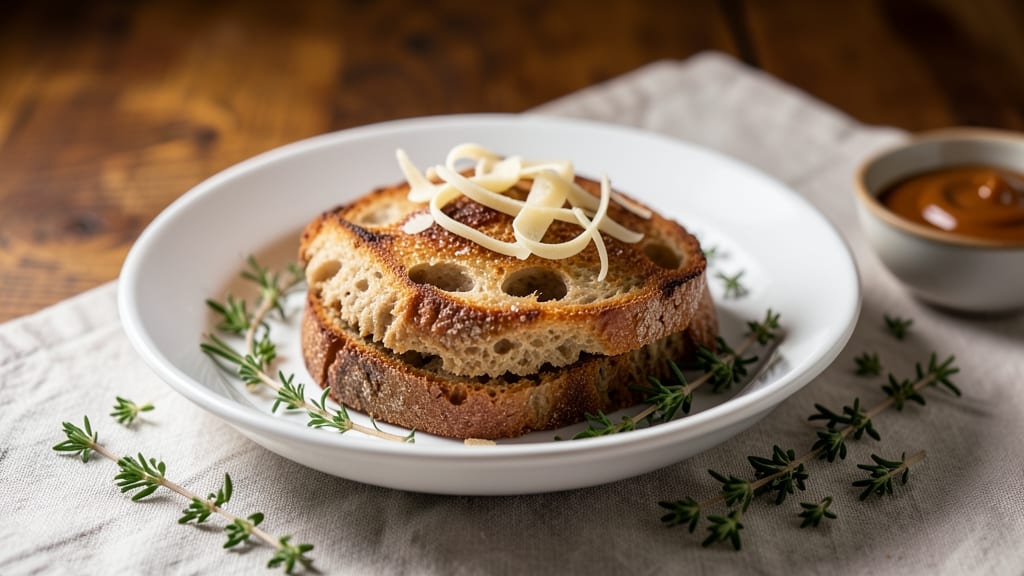
This amaretto bread recipe delivers a luxurious breakfast loaf with rich, nutty liqueur swirls and a golden, buttery crust that’s impossible to resist. 💛 I developed this version after years of testing—balancing yeast activation, proper proofing, and the perfect ratio of amaretto to flour for maximum flavor without overpowering the dough.
The secret lies in folding the liqueur into the dough at just the right stage to create those signature marbled swirls while keeping the crumb tender.
The result is a loaf with a crisp exterior that gives way to a moist, slightly sweet interior infused with warm amaretto notes. Unlike store-bought versions, this recipe uses high-quality ingredients and precise measurements to ensure consistent rise and even baking.
The dough requires two rises—one overnight in the fridge for deeper flavor development and a second room-temperature proof before baking.
What makes this bread truly special is how the amaretto’s almond essence permeates every bite while maintaining that classic bread texture. Perfect for breakfast toast, French toast, or simply sliced warm with butter, this loaf becomes the star of any brunch table.
The recipe yields one standard loaf pan, but you can easily double it for holiday gifting.
For best results, use freshly baked bread within 2 days or freeze for up to 3 months. The flavor improves slightly with age as the amaretto continues to infuse. Let’s get baking this luxurious homemade loaf that tastes like a bakery secret.
Ingredients for amaretto bread
This luxurious bread needs just 12 ingredients for a buttery, nutty loaf with perfect swirls.
| Ingredient | Amount | Notes |
|---|---|---|
| All-Purpose Flour 🌾 | 5 cups | Spooned and leveled for accuracy |
| Active Dry Yeast 🍞 | 2 ¼ tsp | Freshly checked for expiration |
| Granulated Sugar 🍚 | ½ cup | For yeast activation |
| Salt 🧂 | 1 ½ tsp | Kosher or sea salt |
| Unsalted Butter 🧈 | ¾ cup | Cold, cubed for dough |
| Whole Milk 🥛 | ¾ cup | Room temperature |
| Large Eggs 🥚 | 1 whole | Room temperature |
| Amaretto Liqueur 🍷 | ½ cup | High-quality, 25% ABV |
| Almond Extract 🌰 | ½ tsp | Pure, not imitation |
| Vanilla Extract 🌸 | 1 tsp | Pure vanilla preferred |
| Honey 🍯 | 2 tbsp | For dough sweetness |
| Almond Slices 🌰 | ¼ cup | For topping (optional) |
The amaretto makes this special—Disaronno or Galliano work best (avoid cheap knockoffs). For the yeast, FreshPaks from the refrigerated section are foolproof if you’re unsure about your dry yeast. The butter? Plugrá or Land O’Lakes unsalted—full-fat for that rich crust. Grab almond extract from the baking aisle, not the imitation near the vanilla. And trust me, room-temperature ingredients are non-negotiable for proper rise. The milk should feel like bath water, not cold.
No amaretto? Substitute 1/4 cup almond syrup plus 1/4 cup milk—it’s not the same but adds almond flavor. Out of almond extract? Double the vanilla and add 1/4 tsp almond flour if you have it. The dough will be slightly less fragrant but still delicious. Using whole wheat flour? Replace 1 cup all-purpose with 1 cup whole wheat, but expect a denser loaf. For the almond slices, slivered almonds work too—just toast them first for extra flavor. And if you’re doubling the recipe, increase the yeast by 50% for the extra volume.
This dough needs patience—first rise overnight in the fridge develops maximum flavor. After shaping, let it proof at room temp for 1-1.5 hours until puffy. Bake at 375°F for 30-35 minutes until golden. For best results, cool on a wire rack (not the counter). Fresh bread keeps 2 days wrapped at room temp, or 1 week in the fridge. Freeze sliced portions for up to 3 months—toast straight from frozen with a splash of milk for extra moisture.
Why You’ll Love This Recipe
- No-Fuss Dough: I swear, this bread takes less effort than waiting for takeout. Just mix the yeast with warm water, toss in the flour and butter, and let the amaretto’s rich aroma do the rest—no kneading, no fuss.
- Sweet But Not Cloying: That amaretto swirl? It’s the star. The sugar caramelizes just enough to give it a subtle crunch, while the butter keeps it tender—like a grown-up dessert that somehow works at breakfast.
- Breakfast or Snack Hero: Honestly, I make this for lazy mornings, but it’s also my go-to for quick lunches or when friends drop by. Toast it, spread it with jam, or just tear it apart—no rules, just satisfaction.
- Budget-Friendly Luxury: Five ingredients, one bowl, and zero waste. The butter makes it feel special, but the flour and yeast keep it affordable. Plus, it keeps for days, so you’re never scrambling for bread again.
Step-by-step instructions for amaretto bread
This nutty, buttery bread delivers perfect swirls every time—simple steps, incredible results!
👨🍳 Step 1: Activate the Yeast and Mix the Dough
In a small bowl, combine the 0.75 cup whole milk and 0.5 cup granulated sugar. Sprinkle the 2.25 tsp active dry yeast over the top and let it sit for 5-10 minutes until foamy. This ensures your yeast is alive and ready to work its magic.
In a large mixing bowl, whisk together the 5 cups all-purpose flour and 1.5 tsp salt. Add the yeast mixture, 0.5 cup amaretto liqueur, 0.5 tsp almond extract, 1 tsp vanilla extract, and 2 tbsp honey. Mix until a shaggy dough forms. Here’s the thing—don’t overmix or you’ll develop too much gluten, which can make your bread dense.
🍳 Step 2: Knead and Incorporate the Butter
Turn the dough onto a lightly floured surface and knead for 8-10 minutes until smooth and elastic. You’ll know it’s ready when it springs back slowly when poked. If it feels sticky, add 1 tablespoon flour at a time until it comes together nicely.
Shape the dough into a ball and place it back in the bowl. Cover with a damp towel and let it rise in a warm place for 1 hour or until doubled in size. While it rises, cut the 0.75 cup unsalted butter into small cubes and let it soften at room temperature. This butter will create those irresistible swirls later.
🥘 Step 3: Roll, Swirl, and Shape the Dough
Once the dough has risen, punch it down to release the air and roll it out on a floured surface into a 12×16-inch rectangle. Spread the softened butter evenly over the surface, leaving a ½-inch border uncovered. This ensures the butter doesn’t leak out during baking.
Starting from the long side, roll the dough tightly into a log. Here’s where it gets fun—cut the log diagonally into 4 equal pieces. This gives you those gorgeous swirls! Arrange the pieces in a 9×5-inch loaf pan, seam-side down, leaving a little space between them. Cover with a damp towel and let them rise again for 30-45 minutes until puffy.
🔥 Step 4: Bake to Golden Perfection
Preheat your oven to 375°F. While it heats, sprinkle the 0.25 cup almond slices evenly over the risen dough. This adds a delightful crunch and visual appeal. Bake for 30-35 minutes until the bread is golden brown and sounds hollow when tapped on the bottom.
Real talk—your oven might run hot, so start checking at the 25-minute mark. If the top browns too quickly, tent loosely with foil. The internal temperature should reach 190°F for that perfect pull-apart texture. Let the bread cool in the pan for 10 minutes before transferring to a wire rack.
Pro Tips For Making Amaretto Bread
- Bloom the Yeast First: Skip mixing yeast with flour—dissolve it in warm (not hot) water with a pinch of sugar first. This guarantees it’s active before committing to the dough, and I’ve saved more batches from flopping than I can count.
- Soften Butter Properly: Cold butter makes tough bread, but melted butter kills the yeast. Rub softened butter into the flour until it’s pea-sized clumps—just enough to coat without turning the dough greasy. (Yes, it’s fiddly, but the texture pays off.)
- Don’t Overproof the Dough: Amaretto bread puffs from the yeast, not the alcohol. Let it rise until it’s just doubled—poking it with a finger should leave a slow, clean indent. Overdo it, and your loaf collapses like a sad soufflé.
- Brush with Amaretto Twice: Drizzle the dough before baking, then again right after pulling it from the oven. The first layer adds flavor; the second caramelizes into a glossy finish. (Pro move: Use a pastry brush—it’s less messy than a spoon.)
Common mistakes when making great amaretto bread
Overmixing the Dough
This is my biggest pet peeve with beginner bakers—the urge to mix until the dough looks “perfect.” When you overwork the gluten by mixing too long (beyond 2-3 minutes after the dough comes together), your bread turns out dense and chewy instead of light and airy.
The moment the dough forms a shaggy ball that pulls away from the bowl sides, stop mixing. I promise, the dough will look uneven, but that’s exactly what we want for tender crumb. 💛
Skipping the Overnight Rise
I know life gets busy, but skipping that overnight cold rise in the fridge is a huge mistake. This step isn’t just about convenience—it develops deeper flavor and better texture. The cold slows fermentation, allowing the yeast to work gradually and create complex flavors.
If you’re short on time, at least let it rise for 2 hours at room temperature before shaping, but don’t skip it entirely.
Using Cold Ingredients
Room-temperature ingredients are non-negotiable for proper yeast activation and dough development. Cold butter creates lumps, cold milk slows yeast, and cold eggs don’t incorporate well. Let your milk, butter, and eggs sit at room temp for 30-60 minutes before mixing.
I test by running my finger through the milk—it should feel like bath water, not icy. Cold ingredients make your dough sluggish and lead to poor rise.
Incorrect Butter Temperature
The butter needs to be soft but not melted when you spread it on the dough. If it’s too cold, it won’t spread evenly and will create uneven swirls. If it’s too warm, it’ll leak out during baking.
Press the butter between your fingers—it should hold its shape but still be pliable. I like to let it sit at room temp for 1 hour before using, then press it between two sheets of parchment paper to prevent sticking.
Underproofing the Shaped Dough
Many bakers rush this final rise, but proper proofing is crucial for those beautiful swirls and light texture. The dough should rise until it’s about 50% larger and looks puffy with gentle domes between the swirls. Tap the pan gently—it should feel springy, like a pillow.
If you bake it too soon, the bread will be dense. If you overproof, it may collapse. Aim for 30-45 minutes at room temp, covered with a damp towel.
Baking Without Preheating
Preheating your oven is one of those basic steps that people often skip, but it makes a world of difference. A properly preheated oven at 375°F ensures even baking and that perfect golden crust. I wait 15-20 minutes after turning on the oven to let the temperature stabilize.
If you’re in a hurry, use an oven thermometer to confirm it’s at the right temp—many ovens run hot or cold. A cold oven leads to uneven baking and pale bread.
Nutrition facts
Frequently asked questions
Can I make this bread without amaretto liqueur?
The amaretto gives this bread its signature nutty flavor, but you can substitute ¼ cup almond syrup plus ¼ cup milk for a similar almond taste. For a different flavor profile, try ¼ cup orange liqueur or 2 tbsp almond extract instead. The texture will be slightly less rich, but still delicious!
How long does this bread stay fresh?
Freshly baked, store it wrapped at room temperature for 2 days or in the fridge for 1 week. For longer storage, slice and freeze portions for up to 3 months. Toast straight from frozen with a splash of milk to restore moisture. The flavor actually improves slightly as the amaretto infuses over time!
Why did my bread turn out dense?
Dense bread usually means overmixing the dough (beyond 2-3 minutes after forming) or underproofing. Make sure your yeast is active (it should foam in 5-10 minutes with warm milk and sugar), and let the dough rise until doubled in size. Also check that your butter is soft but not melted when spreading.
Can I make this in a different pan shape?
Yes! For a 9×9-inch square pan, flatten the dough into a rectangle and cut it into strips before baking. For a round pull-apart loaf, shape the dough into a circle with butter swirls in the center. Just reduce baking time by 5-10 minutes for smaller pans. The swirl technique works beautifully in any shape!
What’s the best way to reheat sliced bread?
For crispy toast, warm slices in a 350°F oven for 5-7 minutes with a sprinkle of water. For sandwiches, lightly toast in a dry pan over medium heat for 1-2 minutes per side. Never microwave—it makes the bread gummy. The oven method keeps that perfect buttery crust while warming the interior!

- Pork Belly With Fish Sauce Recipe: Crispy Crackling and Umami-Rich Tenderness - November 29, 2026
- Falafel Recipe Without Flour: Chickpea Blend That Binds Without a Grain - November 29, 2026
- Baked Breaded Eggplant Recipe: Crispy Parmesan-Crusted Perfection - November 29, 2026