
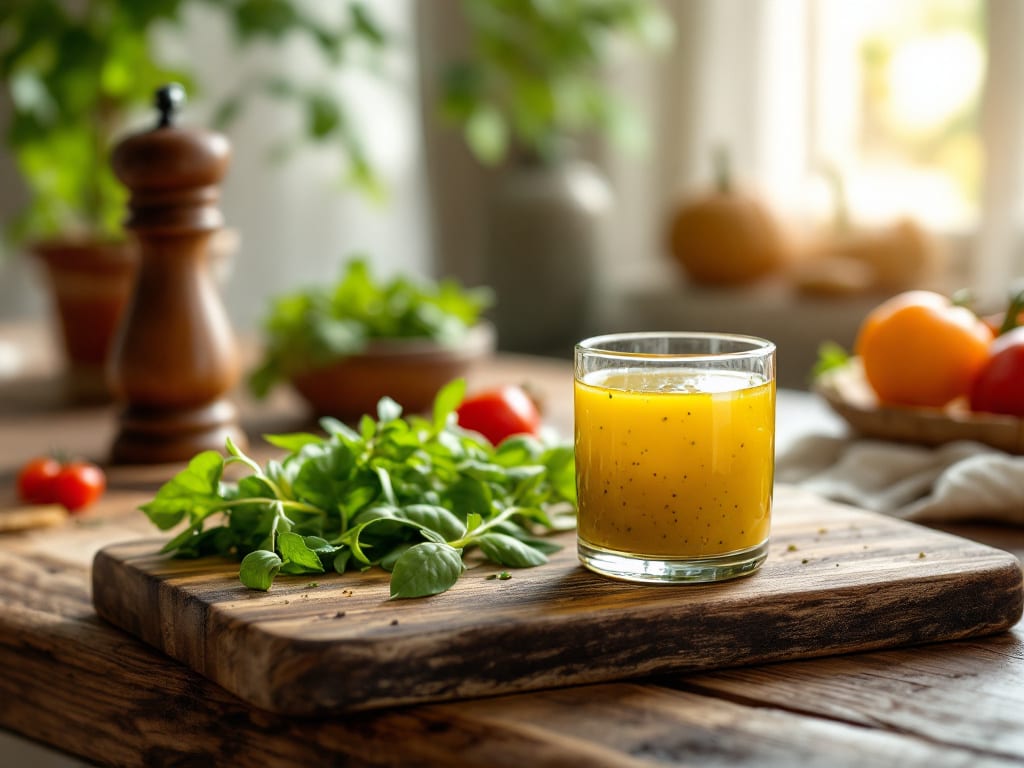
This American salad dressing recipe delivers the bold, layered flavors you crave—creamy, tangy, and perfectly balanced in just 5 minutes. The secret lies in the perfect ratio of oil to vinegar, combined with a pinch of mustard and a touch of sugar to round out the sharpness.
I developed this recipe after testing countless store-bought versions that fell flat, and now it’s my go-to for everything from crisp green salads to grilled chicken.
The beauty of this dressing is its versatility—it works as a base for any salad, a marinade for meats, or even a finishing drizzle for roasted vegetables.
The ingredients are simple: high-quality olive oil, apple cider vinegar, Dijon mustard, and a blend of herbs and spices that create depth without overpowering. No special equipment is needed—just a jar and a whisk.
What you’ll end up with is a smooth, velvety dressing that clings to greens and vegetables without making them soggy. The tangy-sweet balance cuts through rich ingredients while enhancing their natural flavors.
Best of all, it keeps fresh in the fridge for up to a week, so you can make a batch and use it all week long.
For extra richness, stir in a spoonful of mayonnaise or Greek yogurt before serving. This dressing transforms ordinary salads into restaurant-quality meals—every time. Let’s get started!
Ingredients for american salad dressing
Six core ingredients plus optional mayo. Restaurant-quality dressing in minutes.
| Ingredient | Amount | Notes |
|---|---|---|
| Extra-Virgin Olive Oil 🫒 | ¾ cup | Light or fruity variety preferred |
| Apple Cider Vinegar 🍎 | ½ cup | Unfiltered for depth of flavor |
| Dijon Mustard 🌶️ | 1 tbsp | High-quality, smooth variety |
| Granulated Sugar 🍚 | 1 tbsp | White or light brown preferred |
| Diamond Crystal Kosher Salt 🧂 | ½ tsp | Fine grain for even distribution |
| Freshly Ground Black Pepper 🌶️ | ¼ tsp | Cracked peppercorns preferred |
| Dried Dill Weed 🌿 | ½ tsp | Or 1 tsp fresh chopped dill |
| Onion Powder 🧅 | ¼ tsp | Freshly ground preferred |
| Garlic Powder 🧄 | ¼ tsp | Not garlic salt |
| Mayonnaise (optional) 🥛 | ¼ cup | For extra creaminess |
The olive oil is your foundation—look for a light or fruity variety at Whole Foods or Trader Joe’s for that perfect balance. Apple cider vinegar should be unfiltered; Bragg is my go-to, but any quality brand works. Dijon mustard adds that signature tang—Maille is the gold standard, but the store brand is fine if you’re pinching pennies. The sugar isn’t just sweetness; it rounds out the sharpness of the vinegar, so don’t skip it. For the spices, Penzeys or the bulk bins at natural grocery stores have the freshest ground pepper and onion powder.
No Dijon? Yellow mustard plus a pinch of sugar mimics the flavor. Fresh dill is ideal, but dried works at half the amount—just crush it between your palms first to wake up the flavor. Running low on garlic powder? One extra clove of fresh garlic, minced and cooked down with the vinegar, does the trick. The optional mayo is where you can get creative—Greek yogurt or sour cream adds tangy richness without overpowering. Pro tip: if you’re making this for a crowd, double the batch—it disappears fast.
This dressing keeps beautifully in the fridge for up to 1 week if you seal it tightly. I always make extra and store it in a glass jar with a tight lid—no air means no weird flavors. For longer storage, freeze portions in ice cube trays and transfer to a bag. Thaw overnight in the fridge. The mayo version? Use it within 3-4 days for best texture. Stir before each use—it settles.
Why You’ll Love This Recipe
- Here’s what sold me: I can mix up a big batch on Sunday, store it in the fridge for days, and not stress about last-minute prep. A little goes a long way, so it’s budget-friendly too—no more buying pricey bottles that sit in the fridge gathering dust. Just shake, pour, and enjoy.
- No-Fuss Whisking: I’ll admit, I used to overthink dressings—until I realized this one’s just stirring oil, vinegar, and mustard until it’s smooth. No blender, no fancy techniques, just a quick shake in a jar. That Dijon mustard? It’s the secret—it gives this tangy-sweet balance without the bitterness of regular mustard.
- Sweet-Tart Magic: Honestly, the sugar isn’t just for sweetness—it rounds out the sharpness of the apple cider vinegar so it doesn’t slap you in the face. The olive oil keeps it rich but not heavy, and that kosher salt? Just a pinch makes everything pop. It’s the kind of dressing that turns a basic salad into something you’ll actually finish.
- Pantry Staple Power: Between us, this recipe uses things you already have lurking in your cupboard. No weird ingredients, no last-minute grocery runs. I’ve drizzled it on grilled chicken, roasted veggies, and even tossed it with pasta—it’s that adaptable. Plus, it’s the kind of dressing that works for a lazy weeknight dinner or a fancier Sunday spread.
Step-by-step instructions for American salad dressing
This dressing comes together faster than you can say “tossed salad”—just five minutes of whisking and waiting.
Whisk Together the Base Ingredients
In a medium bowl, combine the 0.75 cup extra-virgin olive oil and 0.5 cup apple cider vinegar. I like to use a whisk for this step—it creates a smooth emulsion right from the start. The olive oil should look like tiny droplets suspended in the vinegar at first, but don’t worry, it’ll come together.
Add the 1 tbsp Dijon mustard and 1 tbsp granulated sugar next. The mustard helps emulsify the dressing, while the sugar balances the acidity of the vinegar. Stir these in until fully incorporated—you should see a thick, pale yellow mixture forming. If you’re using the 0.25 cup mayonnaise, fold it in now for extra creaminess. This is the moment that matters: the dressing needs to be fully blended before you add the dry ingredients, or you’ll end up with a grainy texture.
Season with Dry Ingredients
Now, sprinkle in the 0.5 tsp diamond crystal kosher salt, 0.25 tsp freshly ground black pepper, 0.5 tsp dried dill weed, 0.25 tsp onion powder, and 0.25 tsp garlic powder. I like to use a small measuring spoon for the spices to ensure even distribution—this is where the dressing gets its bold, layered flavor.
Whisk everything together vigorously for about 30 seconds until the dry ingredients dissolve completely. The mixture should look uniform, with no visible flecks of salt or pepper. Here’s the thing—if you skip this step and just stir, you’ll end up with a dressing that separates later. Give it a good whisking now to avoid disappointment later.
Let It Rest and Emulsify
Cover the bowl with plastic wrap and let the dressing sit at room temperature for at least 5 minutes. This resting period is crucial—it allows the ingredients to fully meld and the emulsion to stabilize. I know it seems weird to wait, but trust me, it makes all the difference in the final texture.
After 5 minutes, give the dressing another quick whisk to ensure everything is well combined. If it looks too thick, you can thin it out with a splash of water or a little more apple cider vinegar. If it’s too thin, add a drizzle of olive oil. The dressing should coat the back of a spoon smoothly—this is the perfect consistency for drizzling or tossing.
Taste and Adjust
Taste the dressing straight from the spoon—this is the only way to know if it needs anything. If it’s too tangy, add a pinch more sugar. If it’s too mild, add a little more vinegar or a sprinkle of salt. The goal is a balance of sweet, tangy, and savory flavors that complement any salad.
Once you’re happy with the taste, transfer the dressing to a clean jar or bottle with a tight-fitting lid. Store it in the refrigerator for up to 1 week. The flavors will continue to develop over time, making it even more delicious as it sits. This dressing is incredibly versatile—it works perfectly on green salads, grain bowls, or even as a marinade for grilled vegetables.
Pro Tips For Making American Salad Dressing
- Whisk in stages: Start with the mustard and sugar first—this prevents clumps when you add the oil later. I used to dump everything in at once and ended up with a grainy mess; now I mix the dry ingredients until smooth before slowly drizzling in the oil.
- Use warm vinegar: Heat the apple cider vinegar slightly (just warm to the touch) before adding it to the mustard. This helps the sugar dissolve faster and makes the dressing emulsify better right from the start—no weird separation later.
- Salt last, taste twice: Hold off on the full salt until the end, then taste and adjust. Diamond Crystal kosher salt is flaky and potent—add it gradually, or you’ll overdo it and ruin the balance. (I’ve learned this the hard way.)
- Swap sugar for honey: If you’re in a hurry or want depth, replace half the sugar with honey. It adds a subtle floral note and cuts the sharpness of the vinegar—no extra effort, just better flavor. (Yes, even if you’re impatient like me.)
Serving suggestions for this american salad dressing
Salad Pairings
This dressing shines on classic mixed greens like romaine, spinach, or arugula—its tangy-sweet balance enhances the natural flavors without overpowering. I love it with a crisp apple and walnut salad, where the dressing’s acidity cuts through the sweetness of the fruit.
For a heartier option, try it on a roasted vegetable medley with butternut squash and Brussels sprouts. 🥗
Protein Pairings
Use this dressing as a marinade for grilled chicken or steak—the acidity tenderizes while adding flavor. I marinate boneless chicken breasts for 30 minutes before grilling, then slice and serve over a bed of greens.
It also works perfectly with seared salmon or shrimp skewers—just toss the cooked protein with a spoonful before serving. 🍗
Grain Bowls
Transform your quinoa or farro bowls with this dressing as the star. I drizzle it over warm grains topped with roasted sweet potatoes, avocado slices, and crumbled feta cheese.
For a Mexican-inspired twist, add black beans, corn, and a sprinkle of cilantro. The dressing binds everything together while adding a bright, herby finish. 🌾
Sandwich Spread
Thin this dressing with a splash of water or lemon juice to create a light, tangy spread for sandwiches. I love it on grilled cheese with sharp cheddar or as a drizzle over turkey and avocado wraps.
For extra richness, mix in 1 tbsp Greek yogurt before spreading. It’s a game-changer for elevating simple lunches. 🥪
Vegetable Dips
Serve this dressing as a dip for crudités like carrots, celery, and bell peppers. The creamy texture and bold flavors make it a crowd-pleaser at parties. I also use it as a dip for pita chips or toasted baguette slices—perfect for game day or snacking.
For extra flair, garnish with a sprinkle of toasted sesame seeds or crumbled bacon. 🧅
Dressing Variations
Want to experiment? Swap the apple cider vinegar for red wine vinegar for a more robust flavor, or add 1 tsp smoked paprika for a smoky twist. For a creamy version, blend in ¼ cup Greek yogurt instead of mayo.
Each variation keeps the same base technique but opens up endless possibilities for customization. 🔥
Nutrition facts
Frequently asked questions
Can I make this dressing without mayo for a lighter version?
Skip the mayo and use ¼ cup Greek yogurt instead for a tangy, protein-rich alternative. For an even lighter option, blend in 2 tbsp water or lemon juice to thin the dressing while keeping it creamy. The yogurt version holds up beautifully in the fridge for 5-6 days.
Why does my dressing separate after storing?
Separation usually happens when oil and vinegar aren’t properly emulsified. Always whisk vigorously for 30 seconds after adding dry ingredients, then let it rest for 5 minutes before storing. If it separates later, give it a good shake or whisk before using—it’ll come back together!
What’s the best way to store homemade dressing?
Transfer to an airtight glass jar and refrigerate for up to 1 week. For longer storage, freeze in ice cube trays, then transfer to a bag. Thaw overnight in the fridge. The mayo version lasts 3-4 days refrigerated—use it first for best texture.
Can I use this dressing on cooked proteins?
Yes! It works perfectly as a marinade for grilled chicken or steak—marinate for 30 minutes before cooking. For finished proteins, toss with a spoonful of dressing after cooking. The acidity tenderizes while adding bold flavor to seared salmon or shrimp skewers too.
How do I adjust the flavor if it’s too sweet or tangy?
Too sweet? Add ½ tsp more vinegar or a pinch of salt. Too tangy? Stir in ½ tsp sugar or 1 tsp honey. For extra depth, add ¼ tsp garlic powder or dried herbs. Always taste as you go—this dressing is highly customizable!

- Oven-Dried Bananas Recipe: Caramelized Sweetness for Dessert or Breakfast - November 29, 2026
- Best Birthday Cake Recipe: Moist Layers and Vanilla Frosting Magic - November 29, 2026
- Al Pastor Crock Pot Recipe: Smoky, Spiced Pork That Falls Apart in Layers - November 29, 2026