
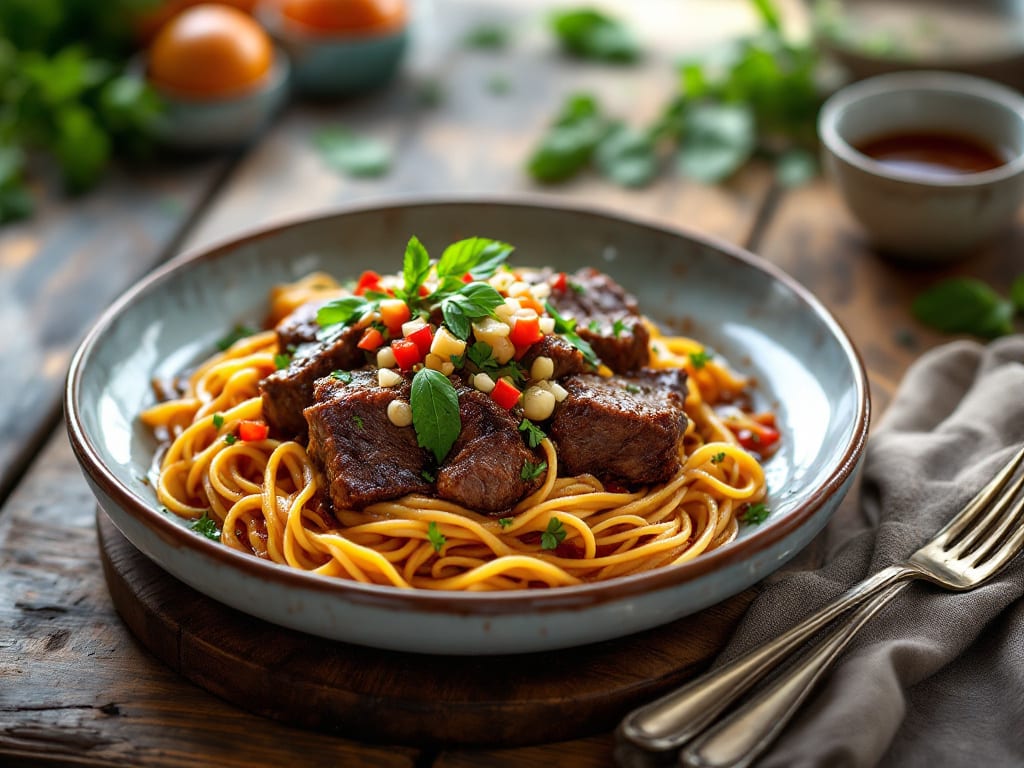
America’s Test Kitchen beef short rib ragu delivers the kind of deep, slow-simmered richness that transforms tough ribs into melt-in-your-mouth perfection. This isn’t just another ragu—it’s a proven technique that balances umami depth with tender meat and velvety sauce, all developed through meticulous testing.
The secret lies in the braising process, where ribs cook low and slow until falling apart, while aromatics and wine build complex flavors in the sauce.
What sets this recipe apart is the precision in technique: searing ribs for maximum flavor, deglazing with wine to capture every browned bit, and reducing the sauce until it coats the back of a spoon.
You’ll need a Dutch oven for even heat distribution and an immersion blender to achieve that signature silky texture without losing flavor. The result? A ragu so rich and satisfying, it turns weeknight dinners into restaurant-quality meals.
By the time you serve this, your kitchen will smell like a Tuscan trattoria, and every bite will deliver tender beef, caramelized edges, and a sauce so flavorful it clings to polenta or crusty bread like it belongs there.
The slow simmering develops layers of umami that store-bought sauces can’t match, making this the ultimate comfort dish for cold nights or special occasions.
Ready to master this technique? We’ll walk through every step—from searing ribs to balancing the sauce—so you can achieve restaurant-quality results at home. The key is patience and attention to detail, but the reward is a dish that feels like a labor of love.
Ingredients for america’s test kitchen beef short rib ragu
Pantry staples meet restaurant-quality technique for this rich, umami-packed beef short rib ragu.
| Ingredient | Amount | Notes |
|---|---|---|
| Beef Short Ribs 🥩 | 3 lb | Bone-in, cut into 2-inch pieces |
| All-Purpose Flour 🌾 | ½ cup | For dredging ribs |
| Dry Red Wine 🍷 | 1 cup | Bold Cabernet Sauvignon preferred |
| Beef Broth 💧 | 4 cups | Low-sodium preferred |
| Tomato Paste 🍅 | ½ cup | Smooth, not chunky |
| Carrots 🥕 | 1 ½ lb | Peeled, cut into chunks |
| Celery Stalks 🧅 | 3 whole | Trimmed, cut into 1-inch pieces |
| Yellow Onion 🧅 | 1 whole | Peeled, cut into wedges |
| Garlic Cloves 🧄 | 6 cloves | Peeled, smashed |
| Fresh Rosemary 🌿 | ¼ oz | Or 1 tbsp dried |
| Fresh Thyme 🌿 | ¼ oz | Or 1 tbsp dried |
| Bay Leaves 🍃 | 2 whole | Dried, standard size |
| Olive Oil 🫒 | ¼ cup | Extra-virgin preferred |
| Salt 🧂 | 1 ½ tsp | Diamond Crystal kosher |
| Black Peppercorns 🌶️ | 1 tsp | Freshly cracked |
The ribs are non-negotiable—bone-in, 2-inch pieces ensure maximum flavor and tenderness. Grab them from the butcher counter if possible; they’ll cut them precisely. Costco or Whole Foods usually carry pre-cut short ribs, but check for good marbling. The flour is just for dredging—don’t skip it, as it helps build a light crust that caramelizes beautifully during searing. For the wine, Cabernet Sauvignon adds the right depth, but Merlot or Zinfandel work too. Just avoid anything too sweet or fruity.
No red wine? Beef broth with 1 tbsp balsamic vinegar mimics the acidity and depth. Fresh herbs are ideal, but dried rosemary and thyme at one-third the amount work in a pinch. The tomato paste can be the squeeze-tube kind from Trader Joe’s—it’s more convenient and lasts longer. For the aromatics, celery, carrots, and onion should be roughly chopped; precision isn’t critical here. The garlic gets smashed, not minced, to release flavor without turning to paste. And yes, the bay leaves stay whole—they infuse beautifully without turning the sauce bitter.
This ragu tastes even better the next day, so make it ahead. It keeps for 5-6 days in the fridge, and freezes beautifully for up to 3 months. I portion mine into Dutch oven-sized containers so reheating is a breeze. The sauce thickens as it cools, so a splash of broth or water thins it out when reheating. Store the ribs and sauce separately if freezing—recombine when ready to serve. Trust me, the extra effort makes it worth it.
Why You’ll Love This Recipe
- Short Rib Magic: The red wine and tomato paste combo builds layers of depth—like a slow-cooked hug for your taste buds. That crispy flour crust on the ribs? Absolute perfection.
- Weeknight Hero: Honestly, it’s the kind of dish that feels fancy but doesn’t demand all day. Brown the ribs, toss in the wine and broth, and walk away—it’ll be ready when you are.
- Leftovers That Shine: Between us, this ragu only gets better after a day or two. Freeze half for lazy nights, or reheat it for a cozy dinner when you’re too tired to cook.
- Budget-Friendly Luxury: Short ribs are cheaper than you think, and a little flour and wine stretch into a meal that tastes like a splurge. (Yes, even on a Tuesday night.)
Step-by-step instructions for america’s test kitchen beef short rib ragu
Here’s the method that delivers restaurant-quality richness with tender meat and deep umami flavor.
Sear and Dredge the Beef Short Ribs
Pat the 3 lb beef short ribs completely dry with paper towels—this is crucial for that perfect crust. Season both sides generously with 1.5 tsp salt and 1 tsp freshly cracked black peppercorns, pressing the seasoning into the meat so it adheres well.
Heat 0.25 cup olive oil in a large Dutch oven over medium-high heat until shimmering. Working in batches to avoid crowding, sear the ribs for 3-4 minutes per side until they develop a deep golden brown crust. This caramelization forms the flavor foundation of your ragu.
Remove the seared ribs and set them aside. In the same Dutch oven, sprinkle the 0.5 cup all-purpose flour over the browned bits and stir vigorously for 30 seconds to cook out the raw flour taste. Return the ribs to the pot, turning to coat them evenly in this light flour crust. This creates a velvety texture when the ragu simmers.
Build the Flavor Base with Vegetables and Herbs
Add the peeled and chunked 1.5 lb carrots, trimmed 3 whole celery stalks cut into 1-inch pieces, and the peeled 1 whole yellow onion cut into wedges to the Dutch oven. Cook over medium heat for 8-10 minutes, stirring occasionally, until the vegetables begin to soften and release their natural sweetness.
Add the 6 peeled and smashed garlic cloves, 0.25 oz fresh rosemary, and 0.25 oz fresh thyme. Stir for 1 minute until the garlic becomes fragrant—this releases its full flavor potential. The rosemary and thyme should perfume the air with their earthy notes, creating that aromatic backbone for your ragu.
Pour in the 1 cup dry red wine, scraping up any browned bits from the bottom of the pot. Let it simmer for 3-4 minutes until reduced by half. This deglazing step captures all the concentrated flavors that would otherwise be lost. The wine should smell rich and slightly jammy at this stage.
Simmer the Ragu to Perfection
Add the 4 cups beef broth and 0.5 cup tomato paste, stirring to combine. Bring to a gentle simmer, then reduce heat to low. Add the 2 whole bay leaves and cover partially, leaving a small gap for steam to escape. This slow cook is where the magic happens—simmer for 2.5 to 3 hours until the beef short ribs are fork-tender.
Here’s the thing about timing: your ribs should be so tender they practically fall apart when pierced with a fork, but still hold their shape when served. The sauce should have thickened noticeably, coating the back of a spoon. If it reduces too quickly, add 1-2 tablespoons of water or broth to maintain the perfect consistency.
About 30 minutes before the ribs are fully tender, remove them from the pot and set aside. Skim any excess fat from the surface of the sauce, but leave about 1 tablespoon to keep the sauce rich. Return the ribs to the pot and simmer uncovered for the final 15 minutes to let the sauce reduce slightly and intensify in flavor.
Finish and Serve
Remove the beef short ribs from the ragu and transfer them to a serving platter. Discard the bay leaves and any herb stems that may have hardened during cooking. Taste the sauce and adjust seasoning if needed—you might need a pinch more salt to balance the flavors after all that simmering.
Slice the ribs between the bones into bite-sized pieces and return them to the ragu. Let everything sit together for 5 minutes before serving to allow the ribs to absorb the final flavor of the sauce. This dish tastes even better the next day as the flavors continue to meld, so consider making it ahead if your schedule allows.
Serve the beef short rib ragu over creamy mashed potatoes, al dente pappardelle, or crusty bread to soak up every last bit of that luxurious sauce. The combination of tender beef, rich vegetables, and deep umami flavors makes this a showstopper for any dinner table.
Pro Tips For Making America’S Test Kitchen Beef Short Rib Ragu
- Sear Ribs in Batches: I learned this the hard way—crowding the pan turns your beef into steamed ribs instead of crusty, caramelized perfection. Work in two batches over medium-high heat, giving each side 4-5 minutes until deep brown. Yes, it takes longer, but the flavor difference is night and day.
- Deglaze with Wine Immediately: That red wine isn’t just for flavor—it’s for scraping up every last bit of fond from the pan. As soon as you remove the ribs, pour in the wine hot (straight from the fridge works) and let it bubble for 2-3 minutes. Skip this, and you’re losing half the depth of flavor.
- Simmer, Don’t Boil: The broth should dance, not roar. After adding the tomato paste and broth, keep the heat at a gentle simmer—tiny bubbles, occasional swirls. I used to crank it up, and the sauce would turn gluey. Low and slow (about 2.5 hours) turns tough ribs into melt-in-your-mouth goodness.
- Strain the Sauce: Sounds weird, but it works: After simmering, strain the ragu through a fine-mesh sieve into a clean pot. This removes any stray fat or connective bits that can make the final sauce cloudy or gritty. Yes, you’ll lose a little volume, but the texture will be silky—no excuses.
Perfect pairings for america’s test kitchen beef short rib ragu
Creamy Polenta Base
This ragu shines when served over creamy polenta, which soaks up the rich sauce beautifully. I make mine with 4 cups water, 1 cup milk, 1 cup polenta, and 1 tsp salt, simmered for 20 minutes until thick and velvety.
For extra richness, stir in 2 tablespoons butter and ¼ cup grated Parmigiano-Reggiano at the end. The polenta’s mild sweetness balances the ragu’s deep umami. 🌟
Al Dente Pappardelle
For an authentic Italian touch, pair your ragu with pappardelle pasta—wide ribbons that hold the sauce like a glove. Cook 12 oz dried pappardelle in salted boiling water for 1 minute less than package instructions, then toss with 1 tablespoon olive oil to prevent sticking.
The broad surface area ensures every bite is coated in that luxurious sauce. I love adding a pinch of nutmeg to the pasta water for warmth.
Crusty Bread Sides
A freshly baked baguette or ciabatta turns this dish into a full meal. I recommend toasting slices until golden and crisp, then using them to scoop up every last drop of sauce.
For extra flair, rub the bread with garlic and olive oil before baking. The crusty texture contrasts perfectly with the tender ribs and velvety sauce.
Wine Pairings
A bold Chianti Classico or Barolo complements the ragu’s depth, with their tannins cutting through the richness. For something lighter, a Sangiovese from Tuscany offers bright acidity. If you prefer red blends, try a California Zinfandel—its jammy notes mirror the ragu’s caramelized flavors. 🍷
Beer Pairings
A dark lager like Schneider Weisse Aventinus adds malty sweetness that pairs well with the sauce’s umami. For craft beer lovers, a Belgian dubbel with its caramel and spice notes creates a delicious contrast. Avoid hoppy IPAs—they’ll overpower the dish’s delicate balance.
Fresh Garnishes
Brighten the dish with fresh parsley or basil just before serving—toss 2 tablespoons chopped herbs into the ragu or sprinkle over the top. A drizzle of extra-virgin olive oil and grated Pecorino Romano adds a final touch of brightness.
For a pop of color, add thinly sliced radishes or shaved fennel on the side.
Nutrition facts
Frequently asked questions
Can I substitute bone-in beef short ribs for boneless ones?
It’s not ideal, but you can use boneless beef short ribs if necessary. Bone-in ribs add depth of flavor and help tenderize the meat during braising. If using boneless, reduce the cooking time by about 20-30 minutes since they’ll cook faster. The sauce will still develop great flavor, but expect slightly less richness from the bones.
How do I know when the beef short ribs are fully tender?
Ribs are done when they’re fork-tender—pierce with a fork and check for resistance. They should feel soft enough to separate easily but still hold their shape. For extra assurance, try the “twist test”: use tongs to gently twist a piece of meat—if it bends without breaking, it’s ready. Total cooking time should be 2.5-3 hours from simmer start.
What if my ragu sauce is too thin or too thick?
If too thin, simmer uncovered for 10-15 minutes longer to reduce. For thicker sauce, blend about 1 cup of the ragu with an immersion blender, then stir back in. Never add cornstarch—it can make the sauce taste artificial. The sauce should coat the back of a spoon but still be smooth enough to drizzle.
Can I make this ahead of time?
This ragu tastes even better the next day as flavors meld. Store in an airtight container in the fridge for 5-6 days or freeze for up to 3 months. Reheat gently on the stove with a splash of broth to restore moisture. The ribs will be more tender after resting overnight, making them easier to slice.
What’s the best way to reheat leftovers?
Reheat in a skillet over medium-low heat with 1-2 tablespoons of water or broth to prevent drying. Stir frequently and cover partially. If using the microwave, heat in 30-second bursts, stirring between each, until warmed through. The sauce may thicken slightly—thin with broth if needed. Never boil, or the sauce will separate.

- Applebee’s Lemon Chicken with Quinoa Recipe: Bright Citrus Glaze and Fluffy Quinoa Fusion - November 29, 2026
- Oven-Dried Bananas Recipe: Caramelized Sweetness for Dessert or Breakfast - November 29, 2026
- Best Birthday Cake Recipe: Moist Layers and Vanilla Frosting Magic - November 29, 2026