
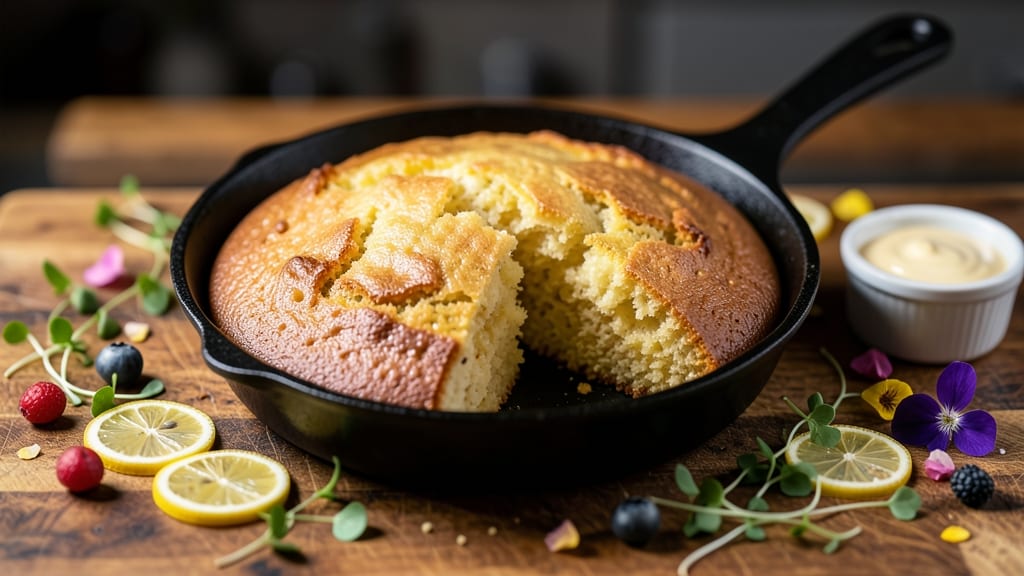
America’s Test Kitchen’s lemon cake recipe delivers the perfect balance of bright citrus flavor and moist, tender layers that stay fresh for days. After testing countless variations, I’ve refined this method to ensure every slice is bursting with zesty lemon essence while maintaining a delicate crumb structure.
The secret lies in precise ingredient ratios and a foolproof baking technique that prevents cracking or dryness.
What sets this recipe apart is its professional approach to home baking—no guesswork, just reliable results. You’ll work with a simple ingredient list that includes fresh lemon juice, zest, and a touch of honey to enhance natural sweetness.
The cake bakes in a single layer, yielding a uniform texture that’s light yet substantial, with a golden crust that begs to be sliced.
The finishing touch—a delicate lemon glaze—elevates the cake to restaurant-quality without overpowering its natural brightness. This glaze adds a subtle sheen and extra zing to each bite, ensuring every slice tastes as fresh as the first.
The recipe also includes troubleshooting tips to address common baking challenges, so you’ll achieve perfect results every time.
Ideal for summer gatherings, brunch menus, or as a bright dessert to cut through rich holiday meals, this lemon cake delivers professional-quality results with minimal effort. Let’s get baking—your taste buds will thank you for the zesty, moist perfection ahead.
Ingredients for america’s test kitchen lemon cake
Professional baker’s ingredients for a lemon cake with restaurant-quality moisture and zing.
| Ingredient | Amount | Notes |
|---|---|---|
| All-Purpose Flour 🌾 | 2 ½ cups | Sifted for light texture |
| Granulated Sugar 🍚 | 1 ½ cups | White or light brown |
| Unsalted Butter 🧈 | 1 cup | Cold, cubed for creaming |
| Fresh Lemon Juice 🍋 | ¾ cup | From 3-4 large lemons |
| Lemon Zest 🍋 | ¼ cup | Finely grated, no pith |
| Large Eggs 🥚 | 3 whole | Room temperature |
| Honey 🍯 | ¼ cup | Light or wildflower variety |
| Baking Powder 🍞 | 2 tsp | Aluminum-free preferred |
| Salt 🧂 | ½ tsp | Fine sea salt |
| Vanilla Extract 🌸 | 1 tsp | Pure alcohol-free |
| Powdered Sugar 🍚 | 1 cup | For glaze |
| Heavy Cream 🥛 | ¼ cup | Full-fat for glaze |
The butter and flour are your foundation—European-style butter like Plugrá or Land O’Lakes gives the best flavor, but any unsalted works. Sift the flour with baking powder and salt together to avoid lumps. For the lemons, organic is ideal—the zest should be vibrant yellow, not pale or bitter. If you can’t find organic, wash conventional lemons thoroughly. The honey adds depth; avoid dark varieties like buckwheat, which can overpower the citrus. Buy eggs from a trusted source—they should be firm and unmarked when cracked open.
No fresh lemons? Bottled lemon juice works in a pinch, but add 1 extra tablespoon of zest to compensate for lost aroma. Substitute honey with agave nectar at a 1:1 ratio, though it lacks floral notes. For the glaze, half-and-half can replace heavy cream, but it won’t be as glossy. If you’re baking at high altitude, reduce the sugar by 1/4 cup and increase the lemon juice by 2 tablespoons. The vanilla extract should smell potent—imitation extracts often have a chemical aftertaste. For a dairy-free version, swap butter for vegetable shortening and heavy cream for coconut cream.
Store baked cake wrapped in plastic wrap at room temperature for up to 2 days or refrigerated for 5 days. The glaze keeps the cake moist longer. For longer storage, freeze slices in an airtight container for up to 3 months. Thaw at room temperature before serving. To refresh stale cake, rewarm slices in a 200°F oven for 5-10 minutes with a splash of lemon juice. The glaze can be made ahead and stored separately for 1 week in the fridge.
Why You’ll Love This Recipe
- No-Fuss Layers: This cake is two cakes in one—tender, moist crumb and that signature crunchy top. No fancy piping, no stress: just a simple box pan and a whisk. I’ve made it a dozen times, and the only thing I’ve ever burned was my toast.
- Zest for Life: That bright lemon zest? It’s not just garnish—it’s the star. The butter’s rich enough to balance the acid, while the sugar caramelizes just right, giving you that perfect sweet-tart punch. Honestly, I’ve tried store-bought lemon cakes, and none hit this.
- Weekday to Weekend: Slice it for breakfast with yogurt, pack it for a picnic, or serve it at a brunch where no one will guess it’s this easy. The recipe scales perfectly—double it for a crowd, halve it for a coffee break. My go-to for any occasion where I don’t want to slave over dessert.
- Leftovers? More Like Leftovers: This cake stays fresh for days—no weird dryness, no sad crumbs. I’ve had it for lunch, dinner (yes, really), and even as a midnight snack. And because it’s budget-friendly—just five pantry staples—you won’t feel guilty when you bake it twice in a row.
Step-by-step instructions for america’s test kitchen lemon cake
Here’s the method that delivers perfectly moist layers with bright lemon flavor every time.
Cream Butter and Sugars for Maximum Moisture
In a stand mixer fitted with the paddle attachment, beat the 1 cup unsalted butter and 1.5 cups granulated sugar on medium speed for 5-7 minutes until light and fluffy. You’ll notice the mixture nearly doubles in volume and becomes pale in color—this incorporates air that creates tender crumb.
Here’s the thing—don’t rush this step. The butter should be completely creamed with no grainy texture remaining. I press down on the mixture with my spatula occasionally to check progress. The reason we wait is that proper creaming prevents dense cake and ensures those moist layers you’re after.
Add Eggs and Lemon for Bright Flavor
Add the 3 whole large eggs one at a time, mixing just until each is fully incorporated after about 30 seconds per addition. Then stir in the 0.75 cup fresh lemon juice, 0.25 cup lemon zest, 0.25 cup honey, 1 teaspoon vanilla extract, 0.5 teaspoon salt, and 2 teaspoons baking powder. Mix on low speed just until combined—you should still see some flour streaks.
This is the moment that matters: the lemon juice and zest provide that signature zesty brightness while the honey adds natural sweetness and moisture. Overmixing develops gluten, so stop as soon as all ingredients are incorporated. The batter should be thick but pourable, with visible lemon flecks throughout.
Fold in Flour for Light Texture
With the mixer on low speed, gradually add the 2.5 cups all-purpose flour in two additions, mixing just until the flour disappears. Scrape down the sides of the bowl as needed. The key here is gentle mixing—you’re looking to combine without developing gluten that would make the cake tough.
I use a silicone spatula to fold in the last bit by hand to ensure even distribution. The batter should be smooth with no dry flour pockets. This step creates the light, airy texture that makes the cake so satisfying. Don’t overmix—stop as soon as the flour is incorporated.
Bake in Two Layers for Perfect Rise
Divide the batter evenly between two 8-inch round cake pans lined with parchment paper. Smooth the tops with an offset spatula. Bake in a preheated 350°F oven for 25-30 minutes, or until a toothpick inserted in the center comes out clean with just a few moist crumbs clinging to it.
Your oven might run hot, so start checking at the 20-minute mark. The cake should spring back when gently pressed in the center. If the tops brown too quickly, tent with foil. The goal is even baking with moist layers—not dry or overbaked cake.
Glaze and Layer for Ultimate Moisture
While the cakes are still warm, whisk together 1 cup powdered sugar and 0.25 cup heavy cream until smooth. This glaze seals in moisture and adds that professional finish. Pour evenly over the cooled cake layers, letting it drip slightly down the sides for visual appeal.
Assemble the layers with a thin layer of lemon curd or whipped cream between them if desired. The glaze should set within 15-20 minutes, creating a beautiful sheen while keeping the cake tender. Slice into perfect moist layers with bright lemon flavor throughout.
Pro Tips For Making America’S Test Kitchen Lemon Cake
- Cream Butter Properly: The recipe calls for softened butter, but “soft” isn’t the same as “mushy.” Press your thumb into the butter—if it springs back slowly, you’re good. If it leaves a dent, pop it in the fridge for 10 minutes. I learned this the hard way when my cake turned out dense because the butter was too warm and melted into the sugar.
- Measure Lemon Juice Accurately: Fresh lemon juice varies wildly in acidity, and this recipe relies on it. Use a kitchen scale for precision: 1 tablespoon of juice weighs about 15 grams, but don’t eyeball it. If your cake tastes bland, it’s because you skimped—this isn’t the time to guess.
- Don’t Overmix the Batter: The moment the flour disappears, stop stirring. I used to think mixing was about thoroughness, but this cake develops gluten like nobody’s business. Overmixing turns it tough, and you’ll end up with a sad, dense brick instead of a tender crumb. Fold just until combined—like folding a fitted sheet, not kneading dough.
- Bake Until Springy: The recipe says “until a toothpick comes out clean,” but that’s not the real test. Press the center gently—it should spring back slowly, not jiggle like jelly. If you pull it out too soon, the cake will stay gummy. If you wait too long, it’ll dry out. Timing’s everything, and this is where most people mess up.
Creative variations of these flavors
Citrus Twist Variations
Swap the classic lemon for lime or Meyer lemon to create vibrant variations. Use 0.75 cup fresh lime juice and zest for a tangier profile, or Meyer lemon (a sweeter hybrid) for a milder citrus note.
For a tropical twist, add 1 tablespoon grated orange zest to the batter alongside the lemon. I’ve found Meyer lemons work beautifully—they’re sweeter and less acidic, making the cake more approachable for those who prefer subtle flavors. 🍋
Spiced Lemon Cake
Infuse warmth by adding 1 teaspoon ground cardamom or ½ teaspoon cinnamon to the dry ingredients. For a deeper spice profile, fold in 1 tablespoon finely chopped crystallized ginger with the lemon zest.
These spices complement the citrus beautifully, adding complexity without overpowering. Store-bought spice blends like Penzeys’ Chai Masala also work well—just reduce the amount to ½ teaspoon to avoid bitterness.
White Chocolate Swirl
For a decadent twist, melt ½ cup white chocolate chips with 2 tablespoons heavy cream until smooth, then swirl dollops into the batter before baking. The white chocolate melts into the cake, creating pockets of creamy sweetness that contrast the bright lemon.
Use Guittard or Ghirardelli chips for the best flavor—avoid generic brands, as they often contain additives that can alter the cake’s texture. 🍫
Berry-Infused Layers
Fold ½ cup mashed raspberries or blueberries into the batter for a fruity depth. The berries add natural sweetness and moisture while keeping the cake’s signature lemon brightness.
For extra flair, top the baked cake with a berry compote made by simmering 1 cup mixed berries with 2 tablespoons honey and 1 teaspoon lemon juice until thickened. This adds a vibrant garnish and complements the glaze beautifully.
Almond-Free Gluten-Free
For a gluten-free version, substitute the all-purpose flour with 2 cups gluten-free 1:1 baking flour (like Bob’s Red Mill) and add ½ teaspoon xanthan gum. Replace the butter with vegetable shortening to maintain moisture.
The glaze can stay the same, but ensure your powdered sugar is gluten-free certified. This adaptation keeps the cake’s tender crumb while accommodating dietary restrictions without sacrificing flavor. ✨
Seasonal Adaptations
In summer, boost the lemon flavor with 1 tablespoon elderflower liqueur (like St-Germain) added to the glaze. For fall, swap the honey for maple syrup and add ½ teaspoon nutmeg to the batter for a cozy twist.
Winter calls for a gingersnap crumble on top—pulse ½ cup gingersnaps with 2 tablespoons melted butter and sprinkle over the glaze before serving. These seasonal tweaks keep the cake exciting year-round while honoring its bright, citrusy roots.
Nutrition facts
Frequently asked questions
Why does this lemon cake stay moist for days?
The secret lies in the 5-7 minute butter-creaming step that incorporates air, plus the lemon juice and honey combination which adds natural moisture without drying out the crumb. The heavy cream glaze also seals in freshness by creating a protective barrier.
Can I make this cake in one layer instead of two?
Yes, but you’ll need a 9-inch round pan and reduce baking time to 20-25 minutes. The single layer will be slightly denser, though still delicious. For best results, use the same batter quantity and check doneness at 18 minutes—the center should spring back when pressed.
What’s the best way to store leftovers?
Wrap the cake tightly in plastic wrap at room temperature for 2 days, or refrigerate for 5 days if you prefer longer storage. For freezing, slice the cake and wrap each piece individually—this prevents freezer burn and keeps the layers tender. Thaw at room temperature for 1 hour before serving.
How do I fix a cracked top?
Cracking usually happens when the oven runs hot or the cake bakes too long. To prevent it, tent with foil if the top browns too quickly. If it already cracked, don’t worry—simply cover the cracks with extra glaze or a thin layer of lemon curd before serving. The flavor won’t be affected! The cake’s moisture will still be perfect.
Can I substitute bottled lemon juice?
Bottled juice works in a pinch, but add 1 extra tablespoon of zest to compensate for lost aroma. Fresh lemon juice and zest provide the best flavor, as bottled versions often lack the bright citrus notes. For maximum zing, use organic lemons when possible—their zest is more vibrant.

- Breaded Cheese Balls Recipe: Crispy Golden Bites With Gooey Centers - November 29, 2026
- Minced Meat Spaghetti Recipe: One-Pan Italian Comfort with Rich Ragù - November 29, 2026
- Aki’s Guava Chiffon Cake Recipe: Light, Airy Layers with Tropical Flavor Burst - November 29, 2026