
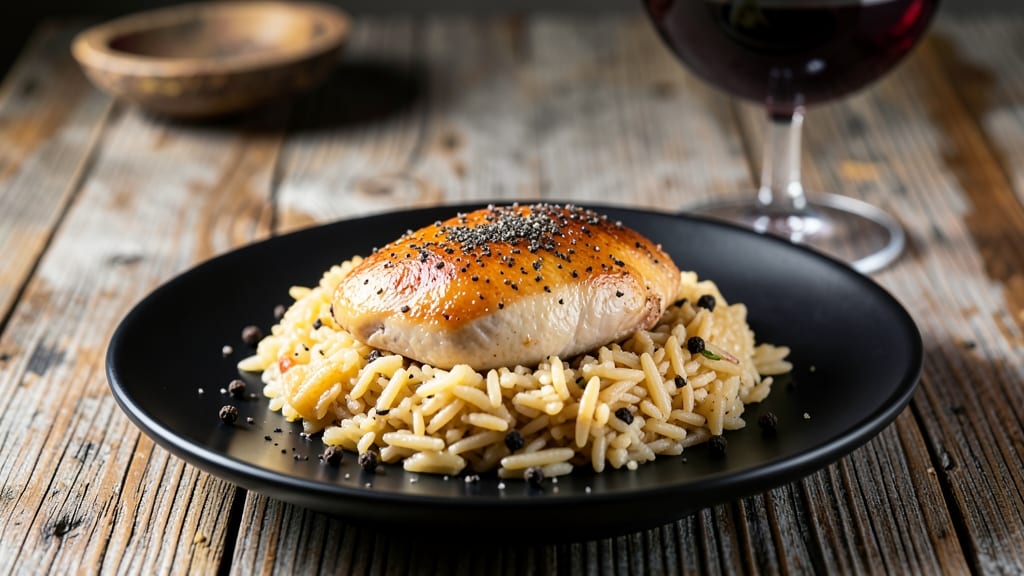
This chicken pelau recipe brings the rich, aromatic flavors of Caribbean comfort food to your kitchen with tender chicken and perfectly spiced rice. After testing countless variations, I’ve perfected a method that delivers restaurant-quality results using simple pantry staples and a one-pot approach.
The secret lies in slow-cooking the chicken and rice together, allowing flavors to meld into a cohesive, fragrant dish that’s both hearty and elegant.
The beauty of pelau is its versatility—whether you use coconut milk for creaminess or a simple broth for a lighter version, the technique remains the same.
I’ve included a foolproof method for achieving tender chicken and fragrant rice with minimal effort, making this dish perfect for weeknight dinners or special occasions. The pigeon peas add a touch of earthiness that balances the richness of the chicken and rice, creating a harmonious blend of flavors.
What you’ll end up with is a dish that’s tender, flavorful, and deeply satisfying—each bite offering a perfect balance of spices, textures, and aromas. The rice absorbs the rich broth while maintaining its distinct grains, and the chicken becomes so tender it practically falls apart.
This is the kind of meal that feels like a hug on a plate, bringing the warmth of Caribbean tradition to your home kitchen.
Serve this pelau with a side of fresh coleslaw or a simple green salad to cut through the richness, or enjoy it on its own as a complete meal. The leftovers reheat beautifully, making it an ideal dish for meal prep. Let’s get started on creating this Caribbean classic!
Ingredients for chicken pelau
Rich, aromatic Caribbean flavors in one pot. Simple ingredients transform into tender perfection.
| Ingredient | Amount | Notes |
|---|---|---|
| Boneless Chicken Thighs 🍗 | 2 ½ lb | Skin-on for extra flavor |
| Long-Grain White Rice 🍚 | 3 cups | Uncooked, jasmine preferred |
| Coconut Milk 🥥 | 2 cans | Full-fat for creaminess |
| Pigeon Peas 🌱 | 1 cup | Dried, soaked overnight |
| Yellow Onion 🧅 | 1 whole | Diced finely |
| Garlic Cloves 🧄 | 6 cloves | Minced, aromatic |
| Scotch Bonnet Pepper 🌶️ | 1 whole | Seeds removed, chopped |
| Allspice Berries 🌿 | 1 tbsp | Whole, lightly crushed |
| Thyme Leaves 🍃 | 1 tbsp | Fresh or dried |
| Salt 🧂 | 1 ½ tsp | Fine sea salt preferred |
| Black Pepper 🔥 | ½ tsp | Freshly ground |
| Vegetable Oil 🫒 | 2 tbsp | For browning chicken |
| Bay Leaves 🌿 | 2 whole | For depth of flavor |
The chicken thighs are your secret weapon here—skin-on keeps it juicy while adding richness. Costco or butcher shops often have them prepped, but if you’re buying whole, score the skin lightly for crispier results. Pigeon peas might sound unusual, but they’re the soul of pelau—soak them overnight to cut cooking time. For the Scotch bonnet, Trader Joe’s carries them frozen, but fresh from a Caribbean market is ideal. The allspice berries? Toast them lightly in the oil with the onion to wake up their flavors—1 minute max or they’ll burn.
No Scotch bonnet? Jalapeño plus extra cayenne gets you close, but the heat won’t be the same. Dried thyme works at half the amount of fresh, but I always grab fresh if I can—it’s worth the extra $2 for the punch. The coconut milk matters—full-fat only (skip the light versions). Want to stretch this further? Add 1 cup cooked lentils for extra protein. The rice? Jasmine or basmati is non-negotiable for that fragrant texture.
This dish tastes even better the next day as flavors meld. Store in an airtight container for 5 days in the fridge, or freeze portions for up to 3 months. I always double the recipe and freeze half—I reheat it straight from frozen in the pot with a splash of water. The bay leaves? Remove them before serving, but don’t skip them—they’re the backbone of that Caribbean aroma. Leftovers reheat beautifully, so meal prep is a breeze.
Why You’ll Love This Recipe
- One-Pot Magic: I don’t know about you, but I’m done with dishes piling up. This recipe? Just one pot, one stir, and boom—you’ve got dinner. The skin-on chicken thighs brown up in minutes, then we toss everything in together and let it do its thing. No scrubbing pans, no switching pots, just pure convenience.
- Coconut Clouds: Here’s what sold me—the way the full-fat coconut milk turns the rice into these creamy, velvety clouds. But it’s not just about the texture. That Scotch Bonnet pepper adds a little kick, the allspice berries bring warmth, and the thyme? It’s like a hug in every bite. The pigeon peas give it that earthy bite, balancing out the richness perfectly.
- Feed the Crowd: I made this for my family reunion last summer, and honestly, it disappeared faster than my aunt’s famous rum punch. It’s hearty enough to fill everyone up, but the coconut milk keeps it from being heavy. Plus, it’s so easy to double the batch—just add more rice and chicken. Leftovers? They’re even better the next day, especially if you reheat with a splash of water to keep it moist.
- Budget-Friendly Luxe: Skin-on chicken thighs are cheaper than you’d think, and those dried pigeon peas? A cup goes a long way. The coconut milk might seem pricey, but two cans stretch so far, and honestly, the way it transforms the rice makes it feel like a splurge. I’ve made this on a Tuesday night and at a holiday feast—it’s that versatile. And if you freeze portions? You’ve got a meal ready for days.
Step-by-step instructions for chicken pelau
Here’s how to create this aromatic Caribbean masterpiece with perfectly tender chicken and fluffy rice.
Prepare the Chicken and Aromatics
Pat the 2½ lb boneless chicken thighs dry with paper towels. Season generously with 1½ tsp salt and ½ tsp black pepper on both sides, then set aside. In a large pot, heat 2 tbsp vegetable oil over medium-high heat until shimmering. Add the chicken and cook for 5-6 minutes per side until golden brown and cooked through to an internal temperature of 165°F. Remove chicken and set aside.
In the same pot, add the finely diced 1 yellow onion and cook for 3-4 minutes until softened. Stir in the minced 6 garlic cloves and chopped 1 scotch bonnet pepper (seeds removed), cooking for 1 minute until fragrant. Add the lightly crushed 1 tbsp allspice berries and 1 tbsp thyme leaves, stirring constantly for 30 seconds to release their aromas. This aromatic base will infuse the entire dish with Caribbean flavor.
Cook the Pigeon Peas and Rice
Add the soaked 1 cup pigeon peas to the pot with the aromatics. Stir well and cook for 2 minutes to lightly toast them. Pour in the 3 cups long-grain white rice, stirring to coat each grain with the flavorful oil and spices. This step ensures every bite will be packed with authentic Caribbean taste.
Add the 2 cans coconut milk and 2 bay leaves, then stir gently to combine. The coconut milk should just cover the rice mixture. Bring to a gentle simmer over medium heat, then reduce heat to low. Cover the pot with a tight-fitting lid and cook for 20 minutes without stirring. This initial cooking period allows the rice to absorb the coconut milk and develop its signature creamy texture.
Combine and Simmer to Perfection
After 20 minutes, gently fold the cooked chicken thighs into the rice mixture using a wooden spoon. The chicken should be nestled among the rice grains, ensuring each serving gets its share of tender meat. Return the pot to low heat and continue simmering uncovered for 15-20 minutes, stirring occasionally, until the rice is tender and the liquid has been absorbed. You’ll know it’s ready when the bottom of the pot develops a light crust and the rice grains are separate and fluffy.
Taste and adjust seasoning if needed. The dish should be flavorful but balanced – the coconut milk should be creamy, the pigeon peas tender, and the chicken juicy. If the rice seems dry before it’s fully cooked, add ¼ cup water and continue simmering. The key to perfect pelau is patience – let the flavors meld together during this final cooking stage.
Rest and Serve
Once the rice is fully cooked and tender, remove from heat and let the pelau rest covered for 10 minutes. This resting period allows the juices to redistribute throughout the dish, ensuring each bite is moist and flavorful. The chicken will continue to absorb some of the coconut milk, becoming even more tender in the process.
Before serving, gently fluff the rice with a fork and remove the 2 bay leaves. Serve immediately while still warm, as the flavors of this Caribbean classic are best enjoyed fresh from the pot. The dish should have a beautiful golden color from the caramelized aromatics, with tender chicken pieces nestled among the fluffy rice and pigeon peas. Each bite should deliver a perfect balance of creamy coconut, savory chicken, and earthy pigeon peas.
Pro Tips For Making Chicken Pelau
- Brown the Chicken Properly: That 5-6 minutes per side at medium-high heat isn’t just for looks—it builds flavor. Skin gets crisp, juices seal in, and the chicken won’t dry out later. Skip this, and you’ll end up with bland, rubbery meat that soaks up coconut milk like a sponge instead of staying juicy.
- Toast the Pigeon Peas: Those 2 minutes of stirring after adding the soaked pigeon peas? Don’t rush it. The toasted edges add depth—like a nutty crunch—that raw peas can’t match. I used to skip this, and the dish always tasted flat until I learned better.
- Stir the Rice Once: After adding the rice, give it one thorough stir to coat the grains in the oil and spices. Then stop. Stirring later disrupts the even cooking, and you’ll end up with uneven texture—some grains mushy, others still crunchy. Trust the process.
- Crust Before Fluffing: That light crust at the bottom of the pot isn’t a mistake—it’s the sign the rice is done. If it’s not forming, you’re not cooking long enough. Let it develop, then fluff gently. The crust keeps the rice from sticking and ensures every grain is separate.
Troubleshooting perfect results
Rice Too Dry?
If your pelau ends up with dry rice, it’s usually because the coconut milk evaporated too quickly. I’ve found that reducing heat too soon can cause this.
Instead of lowering the heat immediately after the initial 20-minute cover cook, keep it on low for another 5 minutes uncovered to allow excess liquid to evaporate gently. If the rice still looks dry, add ¼ cup water or coconut milk during the final 15-20 minutes of simmering.
This keeps the grains tender and prevents a gritty texture.
Chicken Too Dry
Skin-on chicken thighs should stay juicy, but if yours turned out dry, you likely overcooked it. The internal temperature should reach 165°F but not exceed 170°F.
I recommend using a meat thermometer to check—pull it out when it hits 165°F and let it rest for 5 minutes before adding it to the rice. This rest time ensures juices redistribute, keeping the meat tender.
If you missed this step, try adding a splash of broth or coconut milk when folding the chicken into the rice.
Flavor Too Mild
If your pelau lacks depth, it might be from underusing the aromatic base. I always toast the allspice berries and thyme in the oil with the onion for 30 seconds before adding the rice.
If you skipped this step, add an extra ½ tsp ground allspice or a pinch of cayenne to punch up the heat and complexity. A splash of soy sauce or fish sauce can also add umami richness if you want to go beyond the original recipe.
Rice Not Fluffy
Pelau should have distinct, separate grains—not mushy. If your rice turned out clumpy, you might have stirred too much during cooking. After adding the rice, cover the pot and cook undisturbed for the full 20 minutes. Only stir when adding the chicken or checking for doneness.
If the rice still sticks, it might need more liquid—add ¼ cup water during the final simmering stage. A wooden spoon or spatula helps gently fluff the rice without breaking it apart.
Pigeon Peas Undercooked
Soaking the pigeon peas overnight is key, but if they’re still tough, they need more time. After adding them to the pot, cook them for 5-7 minutes before adding the rice. This ensures they’re tender by the time the rice finishes cooking.
If you forgot to soak them, increase the cooking time by 10 minutes during the initial simmer. I’ve also found that adding ½ tsp baking soda to the soaking water can soften them faster, though it’s optional.
Liquid Overflows
If coconut milk spills over during cooking, it’s usually because the pot is too full or the heat is too high. Use a pot with a tight-fitting lid and ensure the coconut milk just covers the rice—no more than ½ inch above the rice level.
If it overflows, reduce the heat to lowest setting and let it simmer gently. I’ve also found that using a pot with slightly higher sides, like a Dutch oven, helps contain the liquid better. If it does spill, just wipe it up and keep cooking—it won’t ruin the dish!
Nutrition facts
Frequently asked questions
Why does this recipe use skin-on chicken thighs?
Skin-on chicken thighs add incredible flavor and keep the meat juicy throughout cooking. The skin crisps up beautifully while cooking, creating a delicious contrast to the tender meat inside. Plus, it naturally infuses the rice with extra richness—something you won’t get with boneless cuts.
Can I substitute pigeon peas if I can’t find them?
Yes! If pigeon peas are unavailable, try black-eyed peas or kidney beans (drained and rinsed). They’ll add a similar earthy texture, though the flavor will differ slightly. For a lighter option, skip them entirely and just use extra rice. The dish will still be delicious—just adjust the cooking time if using dried beans.
How do I adjust the spice level if Scotch bonnet isn’t available?
For heat without Scotch bonnet, use 1 jalapeño + ½ tsp cayenne pepper (seeds removed for less heat). If you want extra depth, add ½ tsp smoked paprika for a subtle smokiness. Always taste as you go—you can always add more spice, but you can’t remove it! The key is to build flavors gradually.
What’s the best way to reheat pelau?
Reheat gently on the stovetop over low-medium heat, covered with a lid, adding 1-2 tablespoons water if needed. Microwaving works too, but stir every 2 minutes to prevent dry spots. The best method? Transfer to a baking dish, cover with foil, and heat in a 350°F oven for 20 minutes—it keeps everything moist and flavorful.
Why does the recipe call for soaking pigeon peas overnight?
Soaking pigeon peas overnight softens them and reduces cooking time significantly. Without soaking, they’ll remain tough and chewy. If you forget, soak them for at least 4 hours or cook them separately for 10 extra minutes before adding to the rice. The longer soak also helps remove any bitterness and ensures they blend perfectly with the coconut milk.

- Chicken Pelau Recipe: Caribbean-Style Rice with Tender Chicken and Pigeon Peas - November 29, 2026
- Best Cream of Broccoli Soup Recipe with Heavy Cream: Velvety Richness in One Pot - November 29, 2026
- Authentic Thai Green Mango Salad Recipe: Zesty, Tangy, and Refreshing Balance - November 29, 2026