
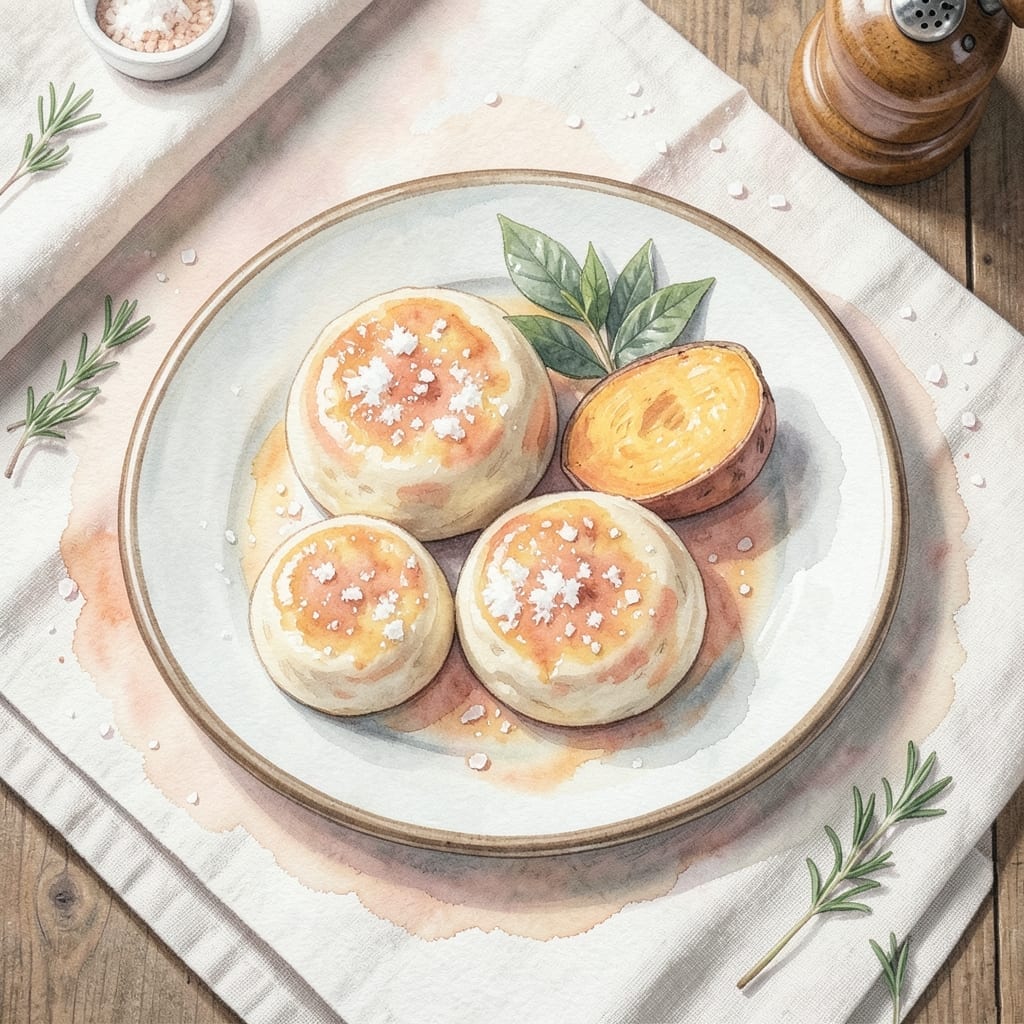
This traditional Southeast Asian treat gets a vibrant twist with sweet potato, creating a naturally colorful and subtly sweet filling. The combination of earthy sweet potato and the signature mochi-like dough makes every bite satisfyingly chewy and aromatic.
The dough requires just a few simple ingredients, with glutinous rice flour providing that characteristic soft, elastic texture. The sweet potato filling is easy to prepare, needing only mashed sweet potato, sugar, and a touch of coconut for richness.
Shaping these little red tortoise cakes takes practice, but the process becomes intuitive with each fold. The final steaming step transforms them into translucent, glossy delights that are as beautiful as they are delicious.
Perfect for festivals or as a homemade gift, these treats offer a delightful balance of texture and flavor that honors tradition while adding a modern, colorful touch.
Ingredients for Ang Ku Kueh Recipe with Sweet Potato
A few traditional ingredients plus sweet potato create these vibrant, chewy Southeast Asian treats.
| Ingredient | Amount | Notes |
|---|---|---|
| Glutinous Rice Flour 🌾 | 2 cups | Also called sweet rice flour |
| Water 💧 | ¾ cup | Warm, for dough activation |
| Granulated Sugar 🍚 | ¼ cup | Divided for dough and filling |
| Sweet Potato 🍠 | 1 lb | Peeled, cubed, and steamed |
| Coconut Milk 🥥 | 2 tbsp | Full-fat for richness |
| Pandan Leaves 🌿 | 2 pieces | Optional, for aromatic flavor |
| Red Food Coloring 🎨 | ½ tsp | Optional, for traditional color |
| Cornstarch 🌽 | 2 tbsp | For dusting work surface |
| Banana Leaf 🌿 | 4 pieces | For steaming, optional |
| Vegetable Oil 🫒 | 1 tbsp | For greasing molds |
| Salt 🧂 | ¼ tsp | For balancing sweetness |
| Mung Bean Starch 🌾 | 1 tbsp | Optional, for extra chewiness |
The glutinous rice flour is non-negotiable—look for brands like Bob’s Red Mill or Mochiko at Asian markets or well-stocked grocery stores. Sweet potatoes should be orange-fleshed (Beauregard or Garnet varieties) for the best color and natural sweetness. Fresh pandan leaves add authentic aroma, but frozen works too (thaw before using). Avoid pre-shredded coconut; it lacks the richness of full-fat coconut milk.
No glutinous rice flour? Mochiko flour is the same thing, just branded differently. Skip the pandan if unavailable—vanilla extract at one-fourth the amount adds a subtle depth. For a quicker filling, canned sweet potato puree works (drain well). The red food coloring is purely for tradition; omit or use natural beet juice for a dye-free version.
Store glutinous rice flour in an airtight container for up to 6 months. The filled ang ku kueh freeze beautifully for 3 months—steam straight from frozen, adding a minute or two. Always keep banana leaves wrapped tightly in plastic in the freezer if not using immediately.
Why You’ll Love This Recipe
- One Bowl Wonder: I just mix the glutinous rice flour, sweet potato, and coconut milk in a single bowl—no fancy equipment needed.
- Festival Ready: Between us, these fly off the plate at family gatherings and last for days in the fridge.
- Budget Friendly: A bag of glutinous rice flour and a couple sweet potatoes make dozens—I’ll be real, it’s my go-to for feeding a crowd without breaking the bank.
Step-by-Step Instructions for Ang Ku Kueh with Sweet Potato
Master the technique for this traditional treat with precise steps and professional results.
Step 1: Prepare the Sweet Potato Filling
Peel and cube the 1 lb Sweet Potato, then steam until completely tender when pierced with a fork, about 15-20 minutes. Transfer to a bowl and mash while hot—this prevents lumps from forming as it cools.
Add 0.25 cup Granulated Sugar, 2 tbsp Coconut Milk, and 0.25 tsp Salt to the mashed sweet potato. Mix thoroughly until the filling becomes smooth and slightly glossy. Divide into 4 equal portions and shape into small balls. Set aside to cool completely before wrapping.
Step 2: Create the Glutinous Rice Dough
In a large bowl, combine 2 cups Glutinous Rice Flour, 1 tbsp Mung Bean Starch, and 0.5 tsp Red Food Coloring if using. Gradually add 0.75 cup Water while stirring with a wooden spoon until a shaggy dough forms.
Knead the dough on a surface lightly dusted with 2 tbsp Cornstarch for 8-10 minutes until smooth and elastic. The dough should be soft but not sticky. If it sticks, dust with more cornstarch. Cover with a damp towel and rest for 15 minutes to relax the gluten.
Step 3: Shape and Assemble the Kueh
Divide the dough into 4 equal pieces and roll each into a ball. Flatten a dough ball in your palm, then place a portion of sweet potato filling in the center. Gently stretch the dough to cover the filling completely, pinching the edges to seal.
Roll the filled dough between your palms to create a smooth, round shape. Repeat with the remaining dough and filling. For traditional presentation, you can shape them into ovals or leave them round. Keep unused dough covered to prevent drying.
Step 4: Steam to Perfection
Line a steamer with 4 pieces Banana Leaf or parchment paper with small holes poked in it. Arrange the shaped kueh on the leaves, leaving 1 inch between each. Bring water to a boil in the steamer, then reduce to medium heat.
Steam for 12-15 minutes until the dough becomes translucent and slightly glossy. The kueh should spring back lightly when pressed. If using pandan leaves, place them in the steaming water for added aroma. Remove from steamer and brush lightly with 1 tbsp Vegetable Oil to prevent sticking.
Pro Tips For Making Ang Ku Kueh Recipe With Sweet Potato
- Steam Evenly: Use a damp cloth to line the steamer—this prevents the ang ku kueh from sticking and ensures they cook uniformly without drying out.
- Roast Sweet Potatoes: Roast the sweet potatoes at 200°C for 25-30 minutes instead of boiling—this intensifies their natural sweetness and reduces excess moisture in the filling.
- Avoid Over-Kneading: I learned this the hard way—mix the glutinous rice flour and water just until combined, or the dough becomes tough and chewy instead of soft and pliable.
- Use Warm Coconut Milk: Mix the coconut milk into the dough warm—it blends smoother and prevents the dough from cracking when shaping.
Serving Suggestions for This ang ku kueh recipe with sweet potato
Traditional Presentation
Serve these little treasures on banana leaves for an authentic touch—the natural aroma enhances the sweet potato’s earthy notes. Arrange them on a bamboo platter lined with fresh pandan leaves for a fragrant, festive display. I love using my grandmother’s vintage wooden steamers for serving. 🌿
Tea Pairing
Complement the sweetness with jasmine tea or chrysanthemum tea, both traditional choices that cleanse the palate. The floral notes of jasmine create a beautiful contrast to the earthy filling. I brew mine with 1 tsp loose leaves per cup at 195°F.
Dipping Sauces
Offer a small bowl of coconut cream mixed with 1 tsp palm sugar for dipping. The extra richness complements the mochi-like texture beautifully. Some prefer a light drizzle of pandan-infused syrup for added fragrance.
Festive Arrangement
For special occasions, create a tiered display using small wooden molds. Dust the tops with 1 tsp cornstarch to prevent sticking and maintain their glossy appearance. I often add edible gold leaf for weddings or Lunar New Year celebrations.
Temperature Note
These are best enjoyed warm, straight from the steamer. If serving later, reheat by steaming for 3-4 minutes to restore their soft texture. The filling will firm up slightly as it cools, making them easier to handle for little ones. 💛
Garnish Ideas
Sprinkle with toasted sesame seeds or crushed peanuts for added texture. A light dusting of matcha powder provides a subtle bitter contrast that enhances the sweet potato’s natural sweetness without overpowering it.
Nutrition Facts
Frequently Asked Questions
Can I use regular potatoes instead of sweet potatoes?
No, sweet potatoes are essential for the authentic flavor and natural sweetness. Regular potatoes lack the moisture and sugar content needed for the traditional filling. Stick with orange-fleshed varieties like Beauregard for best results.
Why does my dough crack when shaping?
Cracking usually means the dough is too dry. Knead in 1 tsp more warm water at a time until smooth. Also, rest the dough for 15 minutes before shaping to improve elasticity.
How do I store leftover ang ku kueh?
Keep them in an airtight container at room temperature for 1-2 days. For longer storage, freeze for up to 3 months and steam straight from frozen to refresh.
What can I use if I don’t have banana leaves?
Parchment paper with small holes poked in works well. Alternatively, lightly grease your steamer tray with vegetable oil to prevent sticking. The leaves add aroma but aren’t mandatory.

- BBQ Sausage Recipe Oven: Smoky Depth Without the Grill - September 28, 2026
- BBQ Chicken Bowl Recipe Rice: Smoky Sweetness Over Fluffy Grains - September 28, 2026
- Beef Cutlet Recipe Ideas: Crispy Breaded Patties With Bold Seasonings - September 28, 2026