
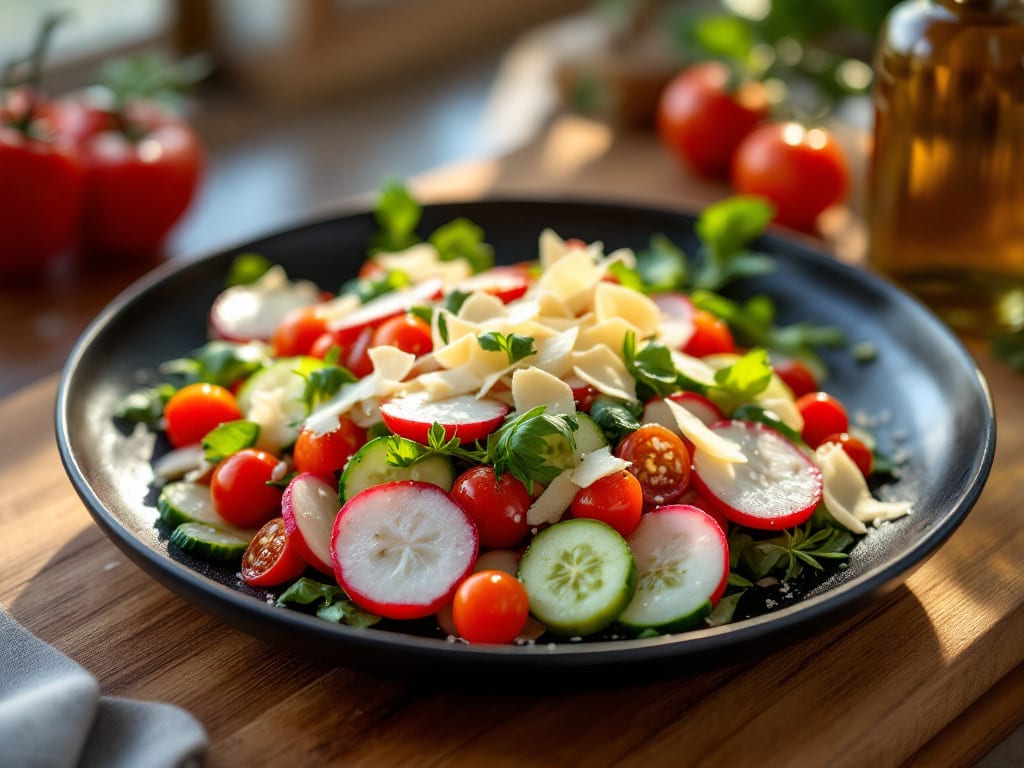
This apple cider and Dijon mustard vinaigrette transforms Chick-fil-A-style salads and sandwiches into something truly special—where sweet apple cider meets bold Dijon for a tangy-sweet balance that’s impossible to resist. The secret lies in emulsifying the dressing properly, ensuring every drizzle delivers that perfect harmony of flavors.
I developed this recipe after years of tweaking store-bought dressings that never quite hit the mark, and it’s now my go-to for adding depth to any dish.
The beauty of this vinaigrette is its versatility—it works equally well as a sandwich spread, salad dressing, or even a dipping sauce for crispy chicken.
The apple cider adds a subtle sweetness that cuts through the sharpness of the Dijon mustard, while the vinegar and olive oil create a smooth, velvety texture. It’s a professional-quality dressing that takes just minutes to make, with ingredients you likely already have on hand.
What you’ll end up with is a dressing that’s bright, balanced, and bursting with flavor—each component playing its part without overpowering the others. The emulsification technique ensures it stays creamy and cohesive, even after sitting in your fridge for days.
This isn’t just another vinaigrette; it’s the kind of dressing that elevates simple ingredients into something truly memorable.
Use it on your next Chick-fil-A-inspired salad, drizzle it over grilled chicken, or even slather it on a sandwich for that restaurant-quality touch. The best part? It keeps well in the refrigerator for up to a week, so you can make a big batch and enjoy it all week long.
Let’s get started on making this dressing that’ll have everyone asking for your recipe.
Ingredients for apple cider and dijon mustard vinaigrette chick fil a
Sweet and tangy vinaigrette that brings Chick-fil-A magic home—just 10 ingredients.
| Ingredient | Amount | Notes |
|---|---|---|
| Apple Cider 🍎 | ½ cup | Unfiltered, preferably spiced |
| Dijon Mustard 🍯 | 2 tbsp | High-quality, smooth variety |
| Extra-Virgin Olive Oil 🫒 | ¾ cup | Light, fruity flavor preferred |
| White Wine Vinegar 🍷 | 2 tbsp | Dry, crisp vinegar |
| Granulated Sugar 🍬 | 1 tbsp | Adjust to taste |
| Fresh Lemon Juice 🍋 | 1 tbsp | Freshly squeezed |
| Salt 🧂 | ½ tsp | Fine sea salt |
| Black Pepper 🌶️ | ¼ tsp | Freshly ground |
| Garlic Powder 🧄 | ½ tsp | Freshly ground preferred |
| Dried Thyme 🌿 | ¼ tsp | Or 1 tsp fresh thyme |
The apple cider is the star here, so pick a high-quality, unfiltered variety—the kind with actual spices floating in it. Trader Joe’s and Whole Foods usually carry great options. Dijon mustard makes all the difference; Maille or Amora are my go-tos, but any smooth Dijon works. For the olive oil, look for a light, fruity variety—something you’d actually drizzle on bread. The vinegar should be dry and crisp; Bragg or Heinz work perfectly. Fresh lemon juice is non-negotiable—bottled won’t cut it here.
No apple cider? Substitute with 2 tbsp apple juice plus 1 tsp honey—it won’t be identical, but close. Short on Dijon? Whole-grain mustard thinned with water works in a pinch, but it’ll be less smooth. Out of white wine vinegar? Apple cider vinegar or red wine vinegar both work, but add an extra 1/2 tsp sugar to balance. The sugar is there to round out flavors—skip it if you’re using sweetened apple cider. Fresh thyme? Use half the amount if dried. For extra depth, add a pinch of onion powder.
This dressing keeps beautifully—up to a week in the fridge if stored in an airtight jar. Shake well before each use. For extra stability, add 1 tsp xanthan gum if you’re making a big batch. I like to make two jars—one for salads and one for sandwiches. The flavors actually improve after a day or two, so make it the night before if you can. If it separates, just whisk it back together—it’ll emulsify again.
Why You’ll Love This Recipe
- Five-Ingredient Magic: I swear by this combo—just whisk apple cider, Dijon, olive oil, vinegar, and a pinch of sugar. No measuring cups, no fuss, and honestly? It’s the kind of dressing I’ll reach for when I’ve got nothing else.
- Fall in Love with Taste: That tangy Dijon meets the warm, spiced sweetness of apple cider—it’s like autumn in a jar. Drizzle it on salads, roasted veggies, or even grilled chicken, and suddenly everything tastes like a cozy Sunday brunch.
- Weeknight Superstar: Between us, this is my go-to when I’m prepping meals for the week. A little goes a long way, so I make a big batch and stash it in the fridge. (Yes, even on a Tuesday night.)
- Budget-Friendly Upgrade: You’re using pantry staples here—no specialty ingredients, no markups. A splash of apple cider and a spoonful of Dijon turn basic greens or a simple sandwich into something that feels intentional.
Step-by-step instructions for apple cider Dijon vinaigrette
This tangy-sweet dressing comes together in minutes with simple techniques that guarantee perfect balance.
Whisk Together the Acidic Base
In a medium bowl, combine the 0.5 cup apple cider with the 2 tablespoons Dijon mustard and 2 tablespoons white wine vinegar. Use a whisk to blend these ingredients thoroughly for about 30 seconds until the Dijon mustard is completely dissolved and the mixture is smooth. The apple cider adds a subtle sweetness that balances the sharpness of the vinegar, while the Dijon mustard provides depth and creaminess.
Here’s the thing—don’t rush this step. You want the mustard to fully incorporate so it doesn’t create lumps in your finished dressing. If you notice any streaks of mustard remaining, keep whisking for another 10 seconds. This is your foundation, so take your time to get it right.
Add Sweetness and Aromatics
Next, stir in the 1 tablespoon granulated sugar, 1 tablespoon fresh lemon juice, 0.5 teaspoon salt, 0.25 teaspoon black pepper, 0.5 teaspoon garlic powder, and 0.25 teaspoon dried thyme using a wooden spoon. The sugar will help balance the acidity, while the lemon juice adds brightness and freshness. The garlic powder and thyme contribute subtle earthy notes that complement the apple cider beautifully.
Taste the mixture now—it should be noticeably tangy with a touch of sweetness. If you find it too sharp, add a pinch more sugar. If it’s not acidic enough, you can add another ½ teaspoon of white wine vinegar. This is where you fine-tune the flavor profile before adding the oil, so pay attention to these details.
Slowly Incorporate the Olive Oil
With the whisk in hand, begin adding the 0.75 cup extra-virgin olive oil very slowly while continuing to whisk vigorously. Start with just 1 tablespoon at a time, allowing each addition to fully emulsify before adding more. This gradual approach prevents the dressing from separating. You’ll know you’re doing it right when the mixture starts to thicken and become creamy.
I like to pour the oil in a thin stream while whisking continuously—this creates tiny oil droplets that disperse evenly throughout the mixture. If you add the oil too quickly, you might end up with a split dressing where the oil and vinegar separate. Patience here ensures a silky, well-balanced vinaigrette every time.
Final Adjustments and Taste Test
Once all the olive oil is incorporated, give the dressing one final whisk to ensure everything is fully combined. The texture should be smooth and slightly thick, like heavy cream. If it’s too thick for your liking, you can thin it out with 1-2 teaspoons of water or additional apple cider. If it’s too thin, whisk in another ½ teaspoon of Dijon mustard to help thicken it.
Taste again and make any final adjustments. This dressing should have a perfect balance of tangy, sweet, and savory flavors with a hint of garlic and thyme. If it needs more acidity, add another ½ teaspoon of white wine vinegar. If it needs more depth, add a pinch more garlic powder or thyme. The goal is a harmonious blend that works beautifully on salads, sandwiches, or as a marinade.
Pro Tips For Making Apple Cider And Dijon Mustard Vinaigrette Chick Fil A
- STIR LIKE YOU MEAN IT: Whisk the Dijon and sugar into the apple cider first—actually whisk it until it’s smooth and slightly thickened (about 30 seconds). I used to just mix it with a fork, and the vinaigrette always ended up grainy. This step guarantees no clumps when you add the oil later.
- USE COLD APPLE CIDER: Pull your apple cider straight from the fridge—cold ingredients emulsify better and keep the vinaigrette from separating later. I learned this the hard way after making a batch in summer heat and watching it split within hours. No one wants to shake their dressing mid-salad.
- SALT THE MUSTARD: Add a pinch of salt (about ¼ teaspoon) to the Dijon before mixing it into the cider. The mustard’s sharpness mellows out, and the salt actually helps balance the sweetness of the apple cider. Skipping this makes the dressing taste one-note—trust me, it’s worth the extra second.
- MEASURE THE OIL LAST: Pour the olive oil in slowly while whisking constantly—about 1 tablespoon at a time—until the dressing thickens but still drizzles easily. Dumping it all in at once guarantees a greasy mess. This is the thing that matters most for texture, so don’t rush it.
Storing and reheating this recipe
Refrigerator Storage
Store your vinaigrette in an airtight glass jar—I prefer Ball canning jars for their tight seals—and keep it refrigerated for up to 7 days. The glass preserves flavors better than plastic, and the wide mouth makes it easy to shake before use.
Always leave ½-inch headspace to prevent oxidation. I like to label mine with the date so I can track freshness. The apple cider flavors actually deepen slightly after 24 hours, making it even more delicious the next day. ❄️
Freezing for Long-Term Use
This vinaigrette isn’t ideal for freezing due to its oil content, but you can freeze it for up to 1 month if needed. Portion into ice cube trays and transfer cubes to a freezer bag—this makes it easy to thaw just what you need.
When ready to use, thaw in the fridge overnight and shake vigorously to re-emulsify. The texture may separate slightly, but whisking will restore its creamy consistency. For best results, I recommend using it fresh from the fridge. ❄️
Reheating and Re-Emulsifying
If your dressing separates after storage, don’t worry—it’s easily fixable! Simply shake the jar vigorously for 30 seconds, then give it a good whisk. The emulsifiers in the Dijon mustard will bring everything back together. For a quicker fix, add 1 teaspoon of warm water and whisk again.
If the flavor seems muted after reheating, add a splash of fresh lemon juice or a pinch of salt to brighten it up. This trick works every time. 🔄
Portioning for Convenience
Divide the dressing into smaller 4-ounce jars for easy grab-and-go use. I keep one in my fridge for salads and another for sandwiches—this way, I can customize the amount without dealing with a large container. The smaller jars also make it perfect for meal prep.
Store them upright in the fridge door for quick access. A little goes a long way, so portioning saves waste and keeps the dressing fresh. 💡
Reviving Flavor After Storage
After a few days in the fridge, the dressing might lose some of its zing. To revive it, whisk in ½ teaspoon of fresh lemon juice and a pinch of salt. The acidity will perk up the flavors, and the salt enhances the overall balance.
If the apple cider notes seem muted, add ½ teaspoon of apple cider vinegar to sharpen the taste. A quick taste test will tell you exactly what it needs. 💪
Using Leftovers Creatively
If your vinaigrette isn’t quite perfect after storage, don’t toss it! Use it as a marinade for grilled chicken or a dipping sauce for fries. The slightly separated texture works great for these purposes.
You can also blend it into a smoothie for a tangy twist or use it as a glaze for roasted vegetables. Leftovers are never wasted with this versatile dressing. 🌟
Nutrition facts
Frequently asked questions
Can I use this vinaigrette on Chick-fil-A sandwiches?
This dressing works perfectly as a sandwich spread—just brush it lightly on the bread before assembling. The apple cider sweetness pairs beautifully with the savory chicken, while the Dijon mustard adds depth. For extra flair, drizzle it over the sandwich after cooking.
Why did my dressing separate after making it?
Separation usually happens when oil isn’t emulsified properly. Slowly whisk in the olive oil one tablespoon at a time, or try adding 1 teaspoon of xanthan gum next time to stabilize it. Once separated, just shake vigorously and whisk again—it’ll come back together!
What can I substitute if I don’t have apple cider?
Use 2 tbsp apple juice + 1 tsp honey for a similar sweetness level. For extra tang, add ½ tsp apple cider vinegar. The flavor won’t be identical, but it’ll still work well in salads or as a marinade.
How much dressing should I make for a salad?
Start with 2-3 tablespoons per salad—this recipe makes about 1½ cups total. The dressing is concentrated, so a little goes a long way. Store leftovers in small jars for easy portioning next time.
Can I make this spicier or sweeter?
Yes! For heat, add ¼ tsp cayenne pepper or ½ tsp hot sauce. For extra sweetness, increase sugar to 2 tbsp or use 1 tbsp maple syrup. Adjust to taste—this dressing is very forgiving!

- 1950’s Betty Crocker Banana Bread Recipe: Nostalgic Spice Perfection - November 29, 2026
- Meghan Markle’s Pasta Recipe: Creamy Garlic Mushroom Twist for Weeknights - November 29, 2026
- Applebee’s Lemon Chicken with Quinoa Recipe: Bright Citrus Glaze and Fluffy Quinoa Fusion - November 29, 2026