
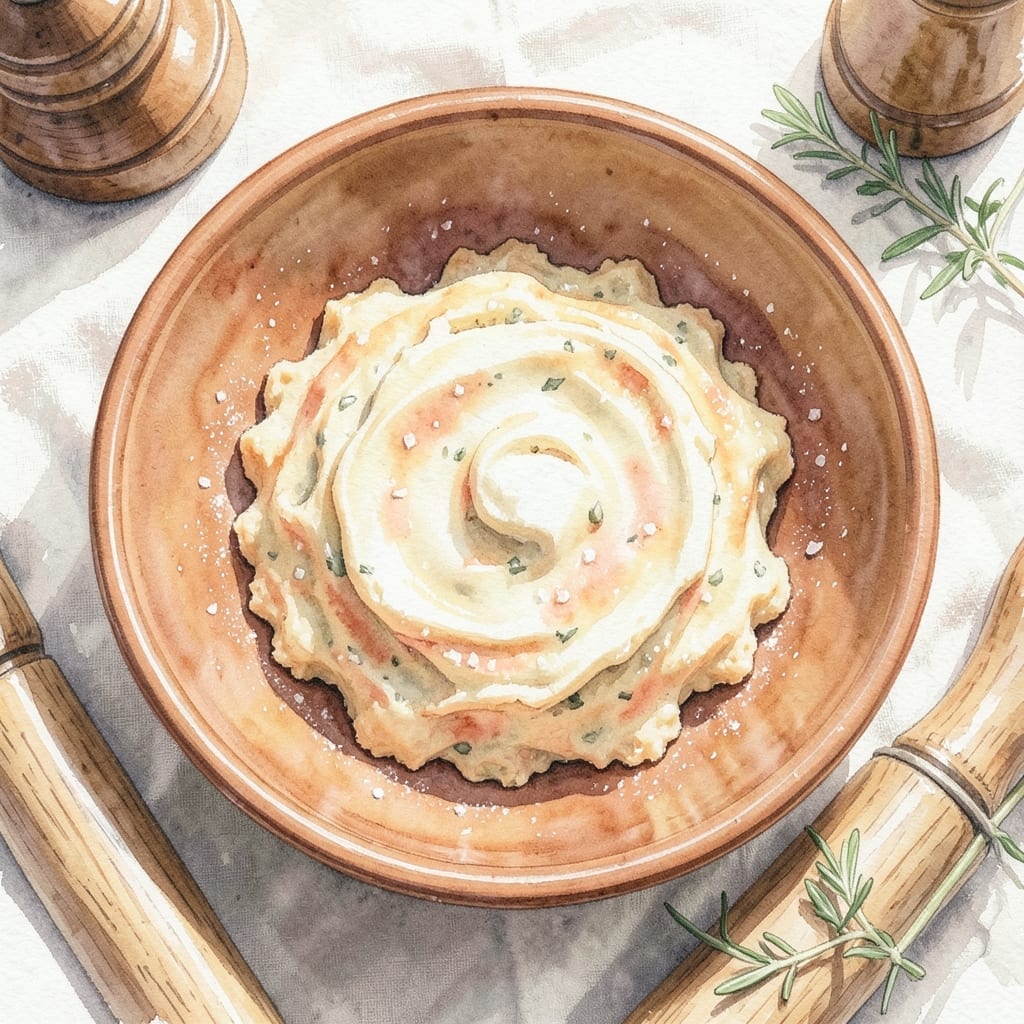
This crust redefines what pie pastry can be. The vodka trick creates flaky layers that shatter at the touch, while maintaining perfect structure.
I developed this method after years of struggling with tough, dense crusts. The alcohol in vodka inhibits gluten formation, resulting in a tender texture impossible to achieve with water alone.
What emerges from the oven is a golden, crisp base that holds its shape but melts in your mouth. The layers separate beautifully, creating that coveted flaky texture professional bakers strive for.
The process takes 15 minutes of active prep plus resting time. Your pies will never be the same.
Ingredients for Apple Pie Crust Recipe with Vodka
Six simple ingredients unlock that shatteringly flaky, golden crust you’ve been chasing.
| Ingredient | Amount | Notes |
|---|---|---|
| All-Purpose Flour 🌾 | 2 ½ cups | Spoon and level, plus extra for dusting |
| Unsalted Butter 🧈 | 1 cup | Cold, cut into small cubes |
| Ice Water 💧 | ¼ cup | Plus more as needed |
| Vodka 🥃 | ¼ cup | 80-proof, chilled |
| Salt 🧂 | 1 tsp | Fine sea salt preferred |
| Granulated Sugar 🍚 | 1 tbsp | Optional for sweetness |
| Apple Cider Vinegar 🍏 | 1 tsp | For added tenderness |
The butter is non-negotiable—cold, unsalted, and cut into cubes. I use Plugrá or Kerrygold for the best flavor and structure. The flour? Standard all-purpose, but weigh it if you can (about 315g for the 2.5 cups). King Arthur is my go-to brand. The vodka doesn’t need to be top-shelf—any 80-proof works, but keep it chilled so it doesn’t start melting the butter.
No vodka? White wine or rum can sub in a pinch (same amount). Skip the alcohol entirely? Use all ice water, but expect slightly less flakiness. The vinegar is subtle but helps tenderize—white vinegar works if you don’t have cider. And yes, the sugar is optional, but it adds a hint of caramelized flavor to the crust.
The dough keeps in the fridge for 2 days or freezes beautifully for 3 months (wrap it tight). Let it rest at least 30 minutes before rolling—this relaxes the gluten and prevents shrinking. Don’t skip the chilling step.
Why You’ll Love This Recipe
- No-Fuss Mixing: I just pulse the flour, cold butter, salt, ice water, and vodka in the food processor—no hand cramping from cutting in butter.
- Buttery, Flaky Magic: The vodka keeps the gluten relaxed while the butter creates layers so crisp they shatter.
- Holiday or Tuesday: This crust works for Thanksgiving pies or a random weeknight galette when I’m craving apple.
- Freezer Bestie: I roll out extra dough, wrap it tight, and freeze it—ready for spontaneous pie nights later.
Step-by-Step Instructions for Apple Pie Crust with Vodka
Here’s my tested method for achieving those perfect flaky layers with a crisp golden finish.
Step 1: Combine Dry Ingredients
In a large bowl, whisk together the 2.5 cups All-Purpose Flour, 1 tsp Salt, and 1 tbsp Granulated Sugar until evenly distributed. The sugar adds a subtle sweetness that complements apple fillings beautifully, but you can omit it for savory applications.
I always spoon and level my flour to avoid compacting it, which would make the crust dense. Make a well in the center of the dry ingredients—this will hold your cold liquids and help distribute them evenly without overworking the dough.
Step 2: Cut in Cold Butter
Add the 1 cup Unsalted Butter cubes to the flour mixture. Using a pastry cutter or your fingers, work the butter into the flour until the mixture resembles coarse crumbs with some pea-sized butter pieces remaining. These visible butter bits are crucial—they create steam during baking that separates the dough into flaky layers.
Keep everything cold. If your kitchen is warm, briefly chill the bowl between steps. The butter should stay firm until it hits the oven. This temperature control prevents the butter from melting prematurely, which would result in a tough crust instead of a flaky one.
Step 3: Add Liquids and Form Dough
Create a well in the center and add the 0.25 cup Ice Water, 0.25 cup Vodka, and 1 tsp Apple Cider Vinegar. The vodka evaporates more quickly than water during baking, creating extra flakiness, while the vinegar tenderizes the gluten slightly.
Using a fork, gently toss the liquids with the flour mixture until it just starts to come together. Then, with your hands, quickly press the dough into a shaggy mass. Don’t knead or overwork it—just bring it together. The dough should feel slightly tacky but not sticky. If it’s too dry, add ice water 1 tablespoon at a time.
Step 4: Chill and Rest the Dough
Divide the dough into two equal portions and shape each into a disk about 1 inch thick. Wrap each tightly in plastic wrap and refrigerate for at least 1 hour, or up to 2 days. This resting period allows the gluten to relax and the butter to firm up, making the dough easier to roll out.
For best results, let the dough rest overnight. This extended chill time hydrates the flour completely and develops more flavor. When you’re ready to use it, let it sit at room temperature for 10-15 minutes to soften slightly before rolling—this prevents cracking.
Step 5: Roll and Blind Bake (If Needed)
On a lightly floured surface, roll one disk of dough to a 12-inch circle about ⅛ inch thick. For a pre-baked crust, transfer to a pie dish, crimp the edges, and freeze for 20 minutes before baking. This prevents shrinkage.
Bake at 375°F for 15-20 minutes with pie weights until the edges are light golden brown. For a filled pie, roll out the dough, fill with your apple mixture, top with the second crust, and bake as directed in your filling recipe. The vodka in the crust will give you noticeably flakier layers with a crisp texture that holds up to juicy fillings.
Pro Tips For Making Apple Pie Crust Recipe With Vodka
- Chill the Butter: Cut your unsalted butter into ½-inch cubes and freeze for 15 minutes before mixing—this keeps the fat firm, so it doesn’t melt into the flour too early and you get that flaky texture.
- Use Ice-Cold Liquid: Combine your ice water and vodka in a measuring cup with ice cubes for 5 minutes before adding to the flour mixture. The colder the liquid, the less it toughens the gluten.
- Skip Overmixing: Stop mixing as soon as the dough comes together, even if it looks shaggy. Overworking it develops gluten, and that means a tough crust instead of a tender one.
- Rest Before Rolling: Wrap the dough and refrigerate for at least 1 hour, preferably 2. I learned this the hard way—rushing this step leads to shrinking and cracking when you roll it out.
Common Mistakes When Making This Recipe
Overworking the Dough
The moment you start kneading this dough, you’re developing gluten, which is the enemy of flakiness. I see this mistake constantly—people treat pie dough like bread dough. Press it together just until it holds, then stop. Those visible butter flecks? They’re your flaky layers waiting to happen. 💪
Warm Ingredients
Your butter and liquids must stay ice cold throughout the process. If your kitchen is warm, chill your mixing bowl for 10 minutes first. I learned this the hard way when my first few attempts resulted in dense, greasy crusts instead of the shatteringly crisp version we want.
Inconsistent Measurements
Scooping flour directly from the bag packs it down, leading to tough crust. Always spoon and level your flour. For absolute precision, weigh it: 315g for the 2.5 cups. I switched to weighing years ago and noticed immediate improvement in consistency.
Skipping the Rest
Rushing the chilling step means your butter will melt before it can create those steam pockets. Give it at least 1 hour in the fridge—overnight is even better. This also relaxes the gluten, preventing shrinkage when you roll it out.
Incorrect Rolling
Rolling too thin (less than ⅛ inch) or unevenly causes some areas to overbake while others stay raw. Use a ruler to check thickness. I roll from the center outward, rotating the dough 45 degrees after each pass to maintain even thickness.
Wrong Oven Temp
Baking at too low a temperature won’t properly set the crust before the butter melts. Stick to 375°F for blind baking. For filled pies, follow your recipe’s temperature but preheat thoroughly—my oven needs 20 minutes to reach true temperature. 🔥
Nutrition Facts
Frequently Asked Questions
Why use vodka instead of water?
The alcohol in vodka evaporates faster than water during baking, creating extra steam and flakier layers. It also inhibits gluten formation, resulting in a more tender crust.
Can I substitute another alcohol?
Yes, use white wine or rum in the same amount. Skip the alcohol entirely if needed, but expect slightly less flakiness with all ice water.
How long should the dough rest?
Refrigerate for at least 1 hour, or up to 2 days. Overnight resting yields the best texture and flavor development.
Can I freeze the dough?
Wrap disks tightly and freeze for up to 3 months. Thaw overnight in the fridge before rolling.

- BBQ Sausage Recipe Oven: Smoky Depth Without the Grill - September 28, 2026
- BBQ Chicken Bowl Recipe Rice: Smoky Sweetness Over Fluffy Grains - September 28, 2026
- Beef Cutlet Recipe Ideas: Crispy Breaded Patties With Bold Seasonings - September 28, 2026