
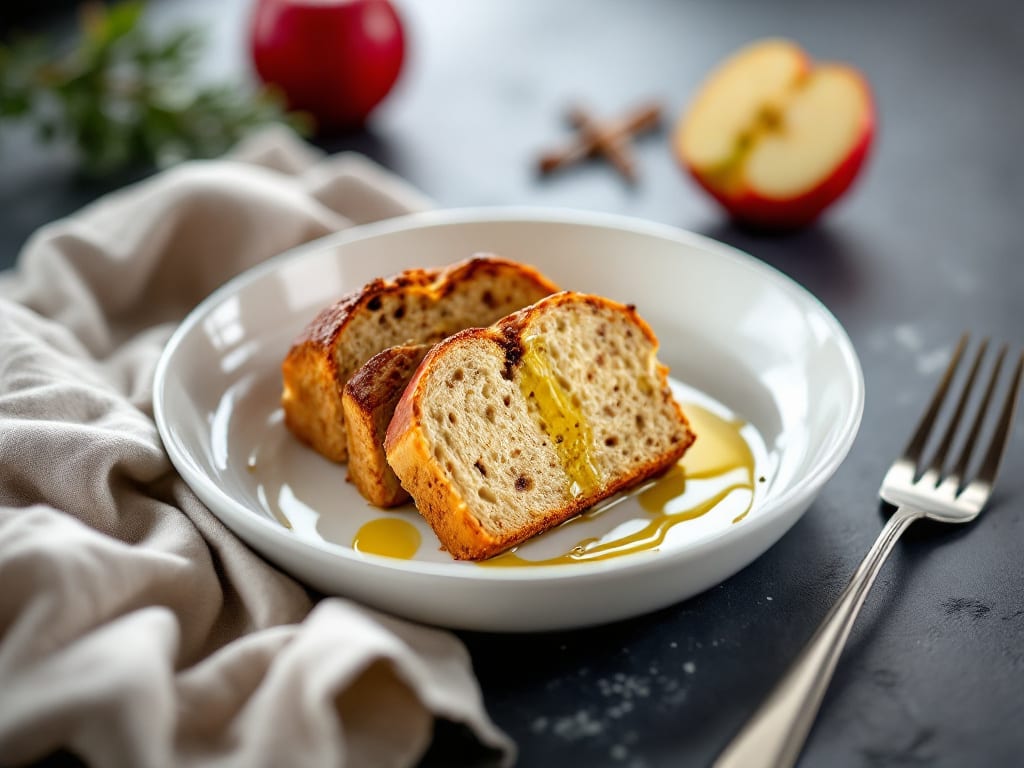
Transforming your bread machine into a spice-infused apple loaf is the perfect way to start your morning with a warm, aromatic loaf that smells like autumn. This recipe balances tender crumb, buttery richness, and bursts of cinnamon-spiced apple throughout—no yeast headaches or kneading required.
The secret lies in a simple dough setting that lets the bread machine handle all the hard work while you focus on the flavorful swirls.
What makes this recipe stand out is its foolproof approach: just mix, pour, and let the machine do the rest. The dough rises beautifully in the bread pan, creating a soft, slightly dense texture that holds up to thick slices.
I’ve tested this with both tart apples (like Granny Smith) and sweeter varieties (like Honeycrisp), and both work perfectly—just adjust the sugar slightly if using sweeter apples. The cinnamon swirls add a professional touch without complicating the process.
By the time it’s done, you’ll have a loaf with a golden crust, fragrant with cinnamon and apple, and a moist interior studded with tender fruit. The best part? It’s ready in under two hours—no waiting for yeast to proof or worrying about oven temperatures.
This bread is ideal for breakfast toast, sandwiches, or even as a dessert with a dusting of powdered sugar. Here’s how to make it:
The beauty of this recipe is its versatility. Add chopped walnuts for crunch, raisins for sweetness, or even a sprinkle of cardamom for depth. For extra moisture, brush the crust with melted butter after baking.
Whether you’re a bread machine beginner or a seasoned baker, this recipe delivers restaurant-quality results with minimal effort. Let’s get started!
Ingredients for apple spice bread machine
Just 13 ingredients transform your bread machine into a cinnamon-spiced apple loaf.
| Ingredient | Amount | Notes |
|---|---|---|
| All-Purpose Flour 🌾 | 3 ½ cups | Sifted for even texture |
| Granulated Sugar 🍚 | ½ cup | Adjust for sweeter apples |
| Brown Sugar 🍚 | ¼ cup | Packed for moisture |
| Unsalted Butter 🧈 | ½ cup | Cold, cubed for easier mixing |
| Large Eggs 🥚 | 1 whole | Room temperature preferred |
| Active Dry Yeast 🍞 | ¼ tsp | Ensure freshness date |
| Warm Water 💧 | ¾ cup | 110°F for yeast activation |
| Apples 🍎 | 1 ½ cups | Peeled, finely diced (Granny Smith or Honeycrisp) |
| Ground Cinnamon 🍃 | 2 tbsp | Freshly ground preferred |
| Salt 🧂 | ½ tsp | Kosher or sea salt |
| Vanilla Extract 🍯 | 1 tsp | Pure extract for flavor |
| Milk 🥛 | ¼ cup | Warm for better mixing |
| Powdered Sugar 🍚 | ¼ cup | For dusting after baking |
The apples are the star here—Granny Smith for tartness or Honeycrisp for sweetness, both work beautifully. Local farmers markets often have the freshest varieties, but the grocery store works too if you grab them firm and ripe. The cinnamon should be freshly ground—pre-ground loses flavor fast. For the yeast, Bob’s Red Mill or Saf-Instant brands stay fresh longer. If your apples are extra sweet, reduce the granulated sugar to 0.375 cup to balance the flavor. The butter needs to be cold when measuring—soft butter can make the dough too sticky for the bread machine.
No Granny Smith? Fuji or Gala apples hold up well when diced small. Running short on cinnamon? Cardamom or pumpkin pie spice adds depth, though the flavor shifts slightly. The milk can be any kind—whole, 2%, or even almond milk—but warm it first so it mixes smoothly. For extra richness, swap half the milk for melted butter. The yeast is non-negotiable here—never use baking powder as a substitute. If your bread machine has a dough setting, use it; otherwise, the basic bread setting works fine with a few extra minutes.
This dough keeps in the fridge for 3 days if wrapped tightly in plastic. For best results, bake within 24 hours of mixing. Brush the crust with melted butter right after baking for extra moisture, then dust with powdered sugar while still warm. The loaf reheats beautifully—wrap in foil and warm in a 300°F oven for 10 minutes. Slice thick for toast or sandwiches—it’s perfect with peanut butter or jam. Leftovers freeze well for up to 3 months if wrapped tightly.
Why You’ll Love This Recipe
- Warm Spice Hug: That mix of brown sugar and cinnamon? It’s like autumn in every bite—especially when the butter gets all melty. Honestly, the first slice out of the machine smells like a bakery, and it tastes even better.
- Breakfast or Snack Boss: I swear by this for morning toast or afternoon pick-me-ups. The texture holds up perfectly, whether you’re slathering it with jam, butter, or even peanut butter (yes, I’ve tried it). It’s the kind of bread that makes you feel like you’ve won.
- Budget-Friendly Staple: Five ingredients, zero waste—this bread stretches my grocery dollars without sacrificing flavor. A batch lasts my family five days, and the leftovers? Perfect for French toast or bread pudding when I’m too tired to bake.
Step-by-step instructions for apple spice bread machine recipe
This method transforms simple ingredients into a moist, fragrant loaf with perfect apple swirls.
Prepare the Apple Filling
In a medium bowl, combine the 1.5 cups apples with 2 tablespoons ground cinnamon and 0.25 cup brown sugar. Mix until the apples are evenly coated and the cinnamon begins to release its warm aroma. This step is where the magic happens—the cinnamon will soften slightly as it blends with the apple juices, creating a fragrant paste that will infuse your bread with deep spice flavor.
Set this mixture aside while you prepare the dough. The apples should be finely diced, so they distribute evenly through the swirls without making them too chunky. If you’re using particularly juicy apples, let the mixture sit for 5 minutes to allow excess moisture to evaporate slightly before using it in the dough.
Mix the Dough Ingredients
In the bread machine pan, combine 3.5 cups all-purpose flour, 0.5 cup granulated sugar, 0.5 teaspoon salt, and 0.25 teaspoon active dry yeast. Stir gently with a wooden spoon to distribute the dry ingredients evenly. This creates a base where all the flavors will come together.
In a separate bowl, melt the 0.5 cup unsalted butter until it’s just liquid but not hot. Add the 1 whole large egg, 1 teaspoon vanilla extract, and 0.25 cup warm milk. Whisk until smooth and slightly thickened—this mixture should coat the back of a spoon. The warm milk helps activate the yeast while adding richness to the dough.
Combine and Shape the Dough
Pour the melted butter mixture into the dry ingredients in the bread machine pan. Stir with a wooden spoon until the mixture just comes together—you’ll see small clumps forming, but don’t overmix. This prevents developing too much gluten, which could make the bread dense.
Add the apple-cinnamon mixture to the center of the dough. Using a spatula, gently fold the dough over the filling until it’s mostly incorporated, leaving a few visible swirls. The bread machine will mix it further, but starting with some visible streaks ensures those beautiful cinnamon-apple swirls in the finished loaf.
Set the Bread Machine
Place the bread machine pan into your machine and select the “Basic White Bread” setting. The machine will automatically mix, knead, and bake the bread. For best results, use the 2-pound setting if your machine has one—this ensures the dough isn’t overworked.
Let the machine complete its full cycle, which typically takes about 3 to 3.5 hours. You’ll know it’s done when the bread has risen beautifully in the pan and has a golden-brown crust with those tempting cinnamon swirls peeking through. The aroma of warm apples and cinnamon will fill your kitchen—trust me, it’s worth the wait.
Cool and Serve
Remove the bread from the pan and place it on a wire rack to cool for 10 to 15 minutes. This resting period allows the bread to firm up slightly, making it easier to slice without falling apart. The interior will still be warm and fragrant, with pockets of gooey apple filling throughout.
Once cooled, dust the top with 0.25 cup powdered sugar for a light, sweet finish. Slice while still slightly warm for the best texture—each bite should deliver tender bread, bursts of cinnamon-spiced apples, and a buttery richness that makes this bread perfect for breakfast or dessert. Store leftovers in an airtight container for up to 3 days or freeze for longer storage.
Pro Tips For Making Apple Spice Bread Machine
- Chill the Dough: DESCRIPTION: After mixing, let the dough sit in the bowl for 10–15 minutes before starting the machine cycle. I learned this the hard way—skipping it leads to dense bread, especially with all that butter and sugar. The flour absorbs moisture, and the dough relaxes just enough to rise properly.
- Use Cold Butter: DESCRIPTION: Cut the unsalted butter into small cubes and keep it in the fridge until the last minute. Cold butter creates flaky layers in the bread, and if you melt it first, you’ll end up with a cakey texture instead of that perfect tender crumb. Trust me, your bread will thank you.
- Don’t Overfill the Pan: DESCRIPTION: Fill the bread pan only halfway up the sides—about ⅔ full. I used to pack it tight, thinking more dough meant more bread, but it just overflows and makes a mess. A slightly underfilled pan gives room for the dough to rise properly without spilling.
- Add Apples Last: DESCRIPTION: Toss the diced apples in a little flour and cinnamon before folding them into the dough right before the machine starts kneading. If you mix them in too early, they’ll get overworked and turn to mush. Save the texture by adding them at the very end.
Troubleshooting this dish
Dense or Gummy Texture
The most common issue is overmixing or underproofing, which creates a dense, gummy loaf. I’ve found that using the 2-pound setting on your bread machine prevents overkneading, which is often the culprit.
If your dough feels sticky but not quite ready, let it rest in the pan for 10 minutes before continuing—this helps the gluten relax. Also, ensure your yeast is fresh and the water is exactly 110°F—cooler water slows activation, leading to underproofed bread.
Flat or Underbaked Loaf
A flat, underbaked loaf usually means the yeast didn’t activate properly or the oven wasn’t hot enough. Double-check your yeast expiration date—old yeast loses potency. If your bread machine has a “Quick Bread” setting, avoid it; stick to the “Basic White Bread” setting for proper rise.
For extra insurance, place a thermometer probe in the bread pan during baking—it should reach 190-200°F internally for a fully baked loaf.
Dry or Crumbly Crust
Overbaking or insufficient moisture causes a dry crust. To prevent this, brush the loaf with melted butter immediately after baking while it’s still warm. For extra moisture, replace ¼ cup of the milk with ¼ cup melted butter in the dough.
If your kitchen is dry, cover the bread with a damp towel while cooling to trap steam and soften the crust. A humidifier nearby can also help maintain moisture during baking.
Uneven Swirls or Filling Sinking
If the apple-cinnamon filling sinks to the bottom or swirls aren’t visible, the dough wasn’t mixed enough or the filling was too heavy.
Gently fold the filling into the dough in two stages: first, mix half the filling in, let the machine knead for 2 minutes, then add the rest. For extra stability, chill the dough for 30 minutes before baking—this helps the filling stay in place.
If your apples are very juicy, pat them dry with a paper towel before mixing with cinnamon.
Bread Sticks to Pan
This happens when the dough isn’t properly greased or the pan isn’t clean. Lightly grease your bread machine pan with nonstick spray before adding ingredients, focusing on the corners where dough often clings. If your machine has a nonstick pan, avoid overgreasing—just a light coating prevents sticking.
For stubborn cases, dust the pan with flour after adding the dough, then shake gently to distribute evenly before starting the cycle.
Sour or Yeasty Taste
A sour or overly yeasty flavor means the yeast overfermented. This often happens if the dough rises too long in the machine or if the kitchen is too warm. To fix this, reduce the baking time by 15-20 minutes and check the internal temperature—it should reach 190-200°F without overproofing.
Store your bread machine in a cool, dry place (below 75°F) to prevent yeast from activating too quickly. If the taste is still off, try reducing the yeast to ¼ teaspoon for future batches.
Nutrition facts
Frequently asked questions
Can I substitute apples in this recipe?
Yes! While Granny Smith or Honeycrisp apples work best, you can use Fuji, Gala, or even pear for a similar texture. Just reduce the sugar by 1-2 tablespoons if using sweeter varieties. For a tropical twist, try pineapple—it adds moisture but changes the flavor profile significantly.
Why does my bread turn out dense instead of soft?
Overmixing or underproofed yeast usually causes density. Use the 2-pound setting on your machine to prevent overkneading. Also, ensure your yeast is fresh and the water is 110°F—cooler temps slow activation. Let the dough rest for 10 minutes if it feels sticky but not ready.
How do I make the cinnamon swirls more visible?
Fold the apple-cinnamon filling into the dough in two stages: mix half, let the machine knead for 2 minutes, then add the rest. Chill the dough for 30 minutes before baking to help the filling stay in place. Pat juicy apples dry first to prevent sinking.
Can I bake this without a bread machine?
Mix the dough as directed, let it rise for 1-2 hours in a greased bowl, then shape into a loaf. Bake at 350°F for 45-50 minutes until golden. For extra moisture, brush with melted butter after baking. The texture will be slightly denser but still delicious.
How long does this bread keep fresh?
Store in an airtight container at room temperature for 3 days or freeze for up to 3 months. Reheat slices in a 300°F oven for 10 minutes wrapped in foil to restore freshness. The crust stays crispy even after reheating!

- Rum Simple Syrup Recipe: Balanced Sweetness for Cocktails and Desserts - November 29, 2026
- Avocado Cloud Bread Recipe: Light, Fluffy, and Egg-Free Magic - November 29, 2026
- 1950’s Betty Crocker Banana Bread Recipe: Nostalgic Spice Perfection - November 29, 2026