
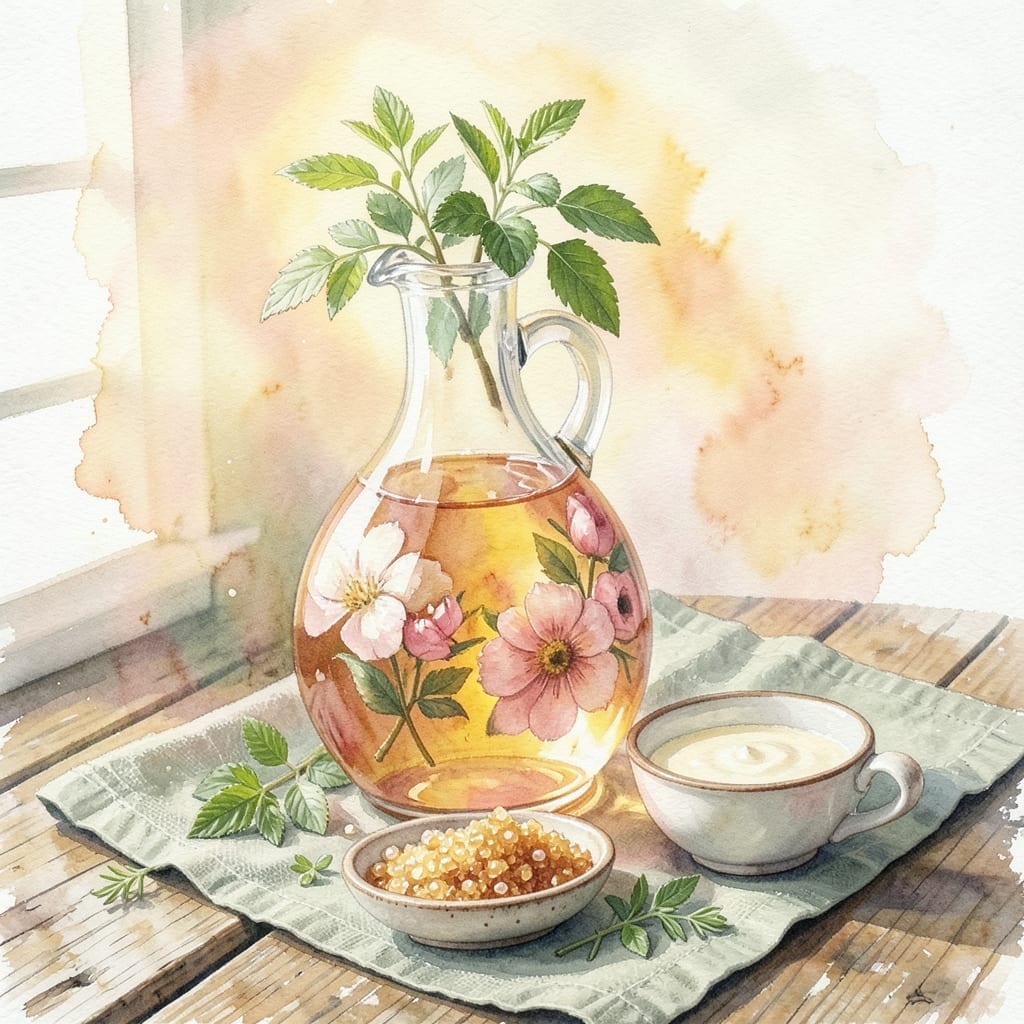
Crafting wine from concentrate is a rewarding process that transforms simple ingredients into a homemade beverage with depth and character. This method delivers consistent results without the unpredictability of fresh fruit.
The key lies in selecting quality concentrate and controlling fermentation conditions. With patience and precision, you’ll produce a clean, flavorful wine that rivals commercial varieties. The process requires minimal equipment and space.
What emerges after several weeks is a clear, golden wine with balanced sweetness and subtle apple notes. The fermentation develops complex aromas that fresh juice alone cannot achieve.
Perfect for beginners, this approach eliminates guesswork while maintaining artisanal quality. The satisfaction of uncorking your own creation is unmatched.
Ingredients for Apple Wine Recipe from Concentrate
Minimal ingredients with maximum impact for crafting your own wine at home.
| Ingredient | Amount | Notes |
|---|---|---|
| Apple Juice Concentrate 🍏 | 64 oz | Thawed, unsweetened preferred |
| Granulated Sugar 🍚 | 2 cups | Dissolved completely in warm water |
| Water 💧 | 3 cups | Filtered, room temperature |
| Wine Yeast 🍷 | 1 package | Lalvin EC-1118 or similar |
| Yeast Nutrient 🧂 | 1 tsp | Optional but recommended |
| Acid Blend 🍋 | 1 tsp | Balances sweetness and acidity |
| Pectic Enzyme 🧪 | ½ tsp | Clarifies wine, optional |
| Campden Tablets 💊 | 1 piece | Prevents contamination, crushed |
| Raisins 🍇 | ¼ cup | Optional, adds body and flavor |
| Dried Elderflowers 🌼 | 1 tbsp | Optional, enhances aroma |
| Honey 🍯 | ¼ cup | Optional, for back-sweetening |
The concentrate is critical—opt for unsweetened, 100% apple juice concentrate from reputable brands like Tree Top or Kern’s to avoid artificial additives that can inhibit fermentation. Avoid frozen concentrates with added preservatives, as these can interfere with yeast activity. For best results, thaw the concentrate completely before use to ensure even mixing with sugar and water.
Substitutions are limited but possible. Pear or white grape concentrate can replace apple in a 1:1 ratio for a different fruit profile. If avoiding refined sugar, honey or agave can substitute at a 1:1 ratio, though this may alter the final flavor. The yeast nutrient is optional but highly recommended for a cleaner fermentation. Pectic enzyme improves clarity but isn’t mandatory for flavor.
Store unopened concentrate in the freezer for up to 12 months. Once thawed, use within 1 week or refrigerate immediately. Finished wine keeps for 1-2 years in a cool, dark place, improving with age. Always sanitize all equipment to prevent contamination during fermentation.
Why You’ll Love This Recipe
- No-Fuss Fermenting: I just stir together concentrate, sugar, and water—no peeling, coring, or pressing apples for hours.
- Sweet & Crisp: The concentrate gives it that pure apple flavor, and the yeast turns it into something bright and slightly fizzy.
- Party Starter: I bring this to potlucks and it disappears faster than the store-bought stuff.
- Pennywise Pour: A can of concentrate and a bag of sugar make gallons of wine for the price of one bottle.
Step-by-Step Instructions for Apple Wine From Concentrate
Follow this precise fermentation process for consistent, high-quality results every time.
Step 1: Sanitize Equipment and Prepare the Must
Begin by thoroughly sanitizing all equipment with a no-rinse sanitizer. In a large fermentation vessel, combine the 64 oz Apple Juice Concentrate with the 3 cups Water. Stir until the concentrate is fully dissolved, creating your base must.
The campden tablets must be crushed and added to the must 24 hours before pitching yeast—this critical step prevents wild yeast and bacteria contamination that could ruin your batch. Cover the vessel with a clean cloth and let it sit undisturbed.
Step 2: Add Nutrients and Balance Chemistry
After the 24-hour waiting period, stir in the 2 cups Granulated Sugar until completely dissolved. This provides the primary fermentable sugar for your yeast. Next, add the 1 tsp Acid Blend to balance the sweetness and enhance the final flavor profile.
Now incorporate the 1 tsp Yeast Nutrient and 0.5 tsp Pectic Enzyme. The nutrient ensures healthy yeast activity, while the enzyme helps break down pectin for better clarity in your finished wine. For additional complexity, add the 0.25 cup Raisins and 1 tbsp Dried Elderflowers at this stage.
Step 3: Pitch the Yeast and Begin Fermentation
Sprinkle the 1 package Wine Yeast over the surface of the must. I recommend using Lalvin EC-1118 for its reliability with fruit wines. Cover the vessel with a fermentation lock or airlock to allow gases to escape while preventing contamination.
Store the vessel in a dark location with a consistent temperature between 68-75°F. You should observe active fermentation—visible bubbling in the airlock—within 12-24 hours. This vigorous activity typically lasts for 5-7 days as the yeast converts sugars to alcohol.
Step 4: Monitor and Rack the Wine
After 7 days, transfer the wine to a clean, sanitized secondary fermentation vessel using a siphon, leaving the sediment behind. This racking process clarifies the wine and prevents off-flavors from developing. Top up the vessel to minimize air exposure.
Reattach the airlock and return to your fermentation location. The fermentation will slow significantly but continue for another 4-6 weeks. You’ll know it’s complete when the airlock shows less than one bubble per minute and the wine appears clear.
Step 5: Sweeten and Bottle the Finished Wine
Once fermentation is complete, taste your wine. For a sweeter profile, dissolve the 0.25 cup Honey in a small amount of the wine and stir it back into the batch. This back-sweetening step is optional but recommended for those who prefer a dessert-style wine.
Wait an additional 2-3 days to ensure fermentation has truly stopped, then rack again if needed for clarity. Bottle in sanitized wine bottles, cork, and store in a cool, dark place. Your wine will continue to improve with age, reaching optimal flavor after 3-6 months.
Pro Tips For Making Apple Wine Recipe From Concentrate
- Warm the Concentrate: Heat the apple juice concentrate to room temperature before mixing with water—I learned this the hard way after my yeast refused to activate in cold liquid.
- Use Filtered Water: Chlorine in tap water can kill your yeast, so always use filtered or boiled-and-cooled water for the best fermentation.
- Skip the Metal: Stir with a wooden or plastic spoon, not metal, to avoid reacting with the acid in the apple juice concentrate.
- Seal Tightly: Cover your fermentation vessel with an airlock or a balloon with a tiny hole—sounds weird, but it works to let gas escape while keeping contaminants out.
Best Sauces and Condiments for This Recipe
Sweet Pairings
Drizzle honey or maple syrup over the rim of your glass for a sweet contrast that enhances the wine’s fruitiness. I love using local wildflower honey from farmers markets—it adds a floral depth that complements the apple perfectly. 💛
Cheese Accompaniments
Pair your wine with a sharp cheddar or aged Gouda to balance its sweetness. The salty, nutty notes of these cheeses create a beautiful contrast. A 1-ounce slice per serving is the perfect ratio for tasting.
Spiced Enhancements
Add a pinch of ground cinnamon or star anise to the glass for warmth and complexity. These spices echo the natural apple flavors and add a cozy dimension, especially when serving during cooler months.
Fruit Garnishes
Float thin slices of green apple or pear in the glass for visual appeal and subtle flavor infusion. The fruit releases its essence slowly, enhancing the wine’s aromatic profile. Use 1-2 slices per glass for best results.
Herbal Infusions
Drop in a fresh rosemary sprig or thyme stalk while serving for an herbal note. These herbs add earthiness that grounds the wine’s sweetness. Remove after 5 minutes to avoid bitterness.
Dessert Match
Serve with apple pie or tarte tatin for a classic pairing that amplifies the wine’s apple character. The caramelized fruit in these desserts mirrors the wine’s depth, creating a harmonious finish.
Nutrition Facts
Frequently Asked Questions
Can I use frozen concentrate directly?
Always thaw the concentrate completely first. Using it frozen prevents even mixing with sugar and water, which can lead to uneven fermentation and off-flavors.
How long does fermentation take?
Active fermentation lasts 5-7 days, but the full process takes 6-8 weeks total. You’ll know it’s done when bubbling slows to less than one per minute in the airlock.
Why add campden tablets?
They kill wild yeast and bacteria that could spoil your batch. Crush and add them 24 hours before pitching yeast to ensure a clean fermentation environment.
Can I skip the yeast nutrient?
It’s optional but highly recommended. The nutrient helps yeast thrive, leading to a more complete fermentation and better flavor. Without it, the process may stall or produce off-notes.

- BBQ Sausage Recipe Oven: Smoky Depth Without the Grill - September 28, 2026
- BBQ Chicken Bowl Recipe Rice: Smoky Sweetness Over Fluffy Grains - September 28, 2026
- Beef Cutlet Recipe Ideas: Crispy Breaded Patties With Bold Seasonings - September 28, 2026