
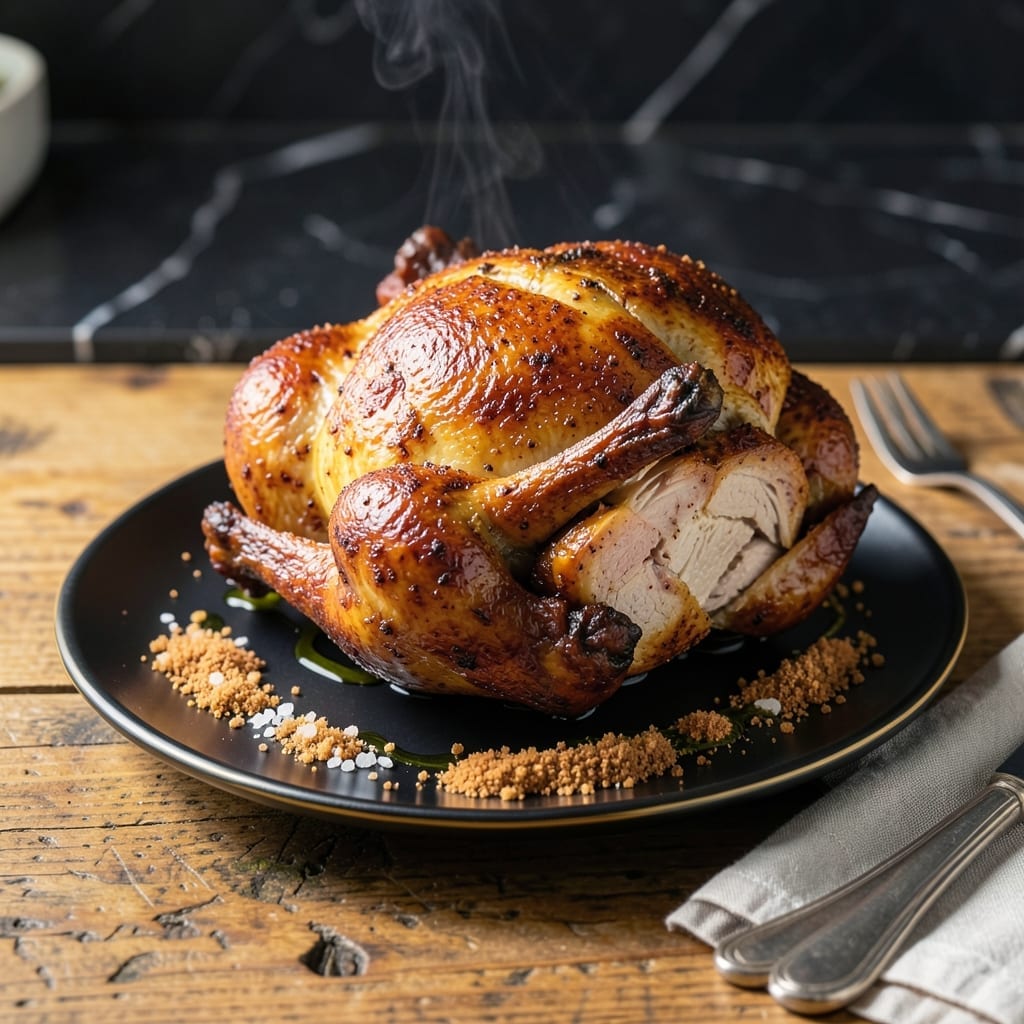
This aromatic dry rub transforms ordinary chicken into a flavor-packed masterpiece with minimal effort. The blend of warm spices and umami-rich ingredients creates a restaurant-quality crust that enhances every bite.
With just a few pantry staples, you can make a big batch of this versatile seasoning mix. It stores beautifully for months, so you’ll always have the perfect flavor boost on hand.
Use it on grilled, baked, or air-fried chicken for a consistent, bold taste that’s anything but boring. The rub adheres well, ensuring maximum flavor in every serving.
Perfect for meal prep, weeknight dinners, or impressing guests at your next cookout. The possibilities are endless with this simple yet impactful blend.
Ingredients for Asian Dry Rub Recipe for Chicken
Nine spices for a bold, aromatic crust on chicken.
| Ingredient | Amount | Notes |
|---|---|---|
| Brown Sugar 🍚 | ¼ cup | Light or dark variety |
| Kosher Salt 🧂 | 2 tbsp | Diamond Crystal preferred |
| Garlic Powder 🧄 | 1 tbsp | Not garlic salt |
| Onion Powder 🧅 | 1 tbsp | Fresh ground preferred |
| Ground Ginger 🌿 | 1 tbsp | Freshly ground for intensity |
| Smoked Paprika 🌶️ | 1 tbsp | Adds depth and color |
| Ground Cumin 🌿 | 1 tsp | Toasted for warmth |
| Ground Coriander 🌿 | 1 tsp | Brightens the blend |
| Black Pepper 🌶️ | 1 tsp | Freshly ground preferred |
| Cayenne Pepper 🔥 | ¼ tsp | Adjust for heat preference |
The brown sugar balances the heat—light or dark works, but dark has more molasses depth. Smoked paprika is non-negotiable for that grill-friendly crust. I grab mine from Penzeys or the bulk section at Whole Foods, where the turnover is high and the spices stay fresh. If your spice jar has been sitting since last summer, it’s time for an upgrade (the aroma fades faster than you think).
No smoked paprika? Regular paprika plus a pinch of liquid smoke gets you close. Short on brown sugar? Coconut sugar or turbinado works in a pinch. The ginger can be fresh if you’re grating it—use 1 tbsp fresh for 1 tsp ground. Want more umami? Add 1 tsp msg or 1 tbsp nutritional yeast (yes, really). The cayenne is flexible—skip it for kids or double it for heat seekers.
Glass jar, airtight lid, dark cabinet. Keeps for 6-12 months if your spices were fresh to start. I make a triple batch—one for the pantry, two to gift. The flavors meld after 24 hours, so don’t judge it fresh out of the blender.
Why You’ll Love This Recipe
- 5-Minute Mix: Just stir the brown sugar, salt, and spices in a bowl—no marinating, no waiting.
- Sweet-Savory Magic: The brown sugar caramelizes while the ginger and garlic give it that warm, punchy depth.
- Grill or Oven: I use it on thighs for meal prep or wings for game day—works every time.
- Leftovers? Better: Honestly, the flavor deepens overnight, so tomorrow’s lunch tastes even more addictive.
Step-by-Step Instructions for Asian Dry Rub for Chicken
This simple mixing method ensures even distribution and maximum flavor impact on your chicken.
Step 1: Measure All Dry Ingredients Precisely
Start by gathering all your spices. Measure out ¼ cup brown sugar, 2 tbsp kosher salt, 1 tbsp garlic powder, 1 tbsp onion powder, and 1 tbsp ground ginger. I use a set of dry measuring spoons for accuracy—this prevents any ingredient from overpowering the blend.
Next, add 1 tbsp smoked paprika, 1 tsp ground cumin, 1 tsp ground coriander, 1 tsp black pepper, and ¼ tsp cayenne pepper. The smoked paprika adds that signature depth, while the coriander brightens the overall profile. This is where the magic starts to happen.
Step 2: Combine Spices in a Large Bowl
Transfer all the measured ingredients into a large mixing bowl. I prefer a wide, shallow bowl—it gives you more surface area to work with and makes stirring easier. The brown sugar will be slightly clumpy, so break up any large pieces with your fingers before mixing.
Here’s the thing—this isn’t just about combining spices. You’re building layers of flavor. The sweetness from the brown sugar will caramelize beautifully on the chicken, while the salt enhances all the other spices. The ginger and garlic powder create that warm, aromatic base that defines this blend.
Step 3: Whisk Until Fully Integrated
Using a wire whisk, stir the mixture vigorously for 1-2 minutes until all ingredients are evenly distributed. You’ll notice the blend takes on a uniform, reddish-brown color—that’s your visual cue that everything is properly combined.
Pay special attention to the corners of the bowl where spices tend to gather. I like to tilt the bowl slightly and whisk in a circular motion to catch any stragglers. The texture should be fine and consistent, with no visible clumps of individual spices.
This thorough mixing ensures that every bite of your chicken will have the perfect balance of sweet, smoky, and spicy flavors.
Step 4: Store in an Airtight Container
Transfer the completed dry rub to an airtight container. I use a clean, dry mason jar with a tight-fitting lid. The blend will keep at room temperature for up to 3 months, though I doubt it’ll last that long once you taste how good it is on chicken.
Before sealing, give it one final stir to make sure the spices haven’t separated during the transfer. Label the container with the date and contents—trust me, you’ll want to remember what this amazing blend is when you reach for it later.
Step 5: Apply Generously to Chicken Before Cooking
When ready to use, pat your chicken pieces dry with paper towels. This helps the rub adhere better and promotes even browning. Coat all sides of the chicken with the dry rub, pressing gently to ensure it sticks. For best results, let the seasoned chicken rest for 15-30 minutes before cooking.
The rub will form a beautiful crust as it cooks, sealing in juices while creating that irresistible Asian-inspired flavor profile. You’ll smell the aromatics as soon as the chicken hits the heat—that’s when you know you’ve done it right.
Pro Tips For Making Asian Dry Rub Recipe For Chicken
- Pat the Chicken Dry: I learned this the hard way—excess moisture prevents the rub from sticking and caramelizing. Use paper towels to dry the chicken thoroughly before applying the brown sugar and spice mix.
- Bloom the Spices: Toast the garlic powder, onion powder, and ground ginger in a dry pan for 30 seconds before mixing. Sounds weird, but it wakes up the flavors and makes the rub taste fresher.
- Skip the Over-Salting: Kosher salt is potent, and brown sugar adds sweetness that balances it. Start with 1 teaspoon salt per pound of chicken, then adjust—you can always add more later.
- Rest Before Cooking: After rubbing, let the chicken sit for at least 20 minutes (or up to overnight). This gives the brown sugar time to start breaking down and the flavors to sink in.
Essential Equipment for asian dry rub recipe for chicken
Mixing Essentials
Start with a wide, shallow mixing bowl—I use a stainless steel 3-quart from OXO. The wide base gives you room to whisk without spilling. Avoid deep bowls; they make it harder to reach the corners where spices cling.
Precision Tools
A set of dry measuring spoons is non-negotiable for accurate ratios. I swear by Cuisinox stainless steel—they nest together and last forever. A wire whisk (like RSVP Endurance) breaks up clumps better than a spoon.
Storage Solutions
An airtight container preserves freshness. I love Ball mason jars with plastic screw-on lids for easy access. For large batches, a 16-ounce glass jar with a silicon gasket keeps spices potent for months. 💡
Application Gear
For even coating, use a small fine-mesh sieve to dust the rub over chicken. A pastry brush helps press the blend into meat. I also keep a digital kitchen scale handy for scaling up recipes.
Cleanup Helpers
A damp microfiber cloth wipes spice residue from counters instantly. For stubborn bits, a bench scraper lifts dried spices without scratching. Always clean tools immediately—dried ginger and sugar are tough to remove later. ✨
Pro Tip
Label containers with masking tape and a permanent marker. Include the date—spices lose potency after 6 months. I use chalkboard labels for a rustic touch that’s easy to update.
Nutrition Facts
Frequently Asked Questions
Can I use this on other meats besides chicken?
This versatile blend works beautifully on pork chops, ribs, or even salmon. The sweet-spicy profile complements many proteins. Just adjust cooking times based on the meat’s thickness.
How much rub should I use per pound of chicken?
Use about 1-2 tablespoons per pound for a bold flavor. For a lighter touch, start with 1 teaspoon and adjust to taste. Press it into the meat for maximum adhesion and flavor.
What if I don’t have smoked paprika?
Substitute with regular paprika plus ¼ tsp liquid smoke. Alternatively, add ½ tsp chipotle powder for a smoky kick. The depth will be slightly different but still delicious.
How do I fix a rub that’s too salty?
Balance it by adding more brown sugar or a pinch of cinnamon. Alternatively, mix in extra ginger or garlic powder to dilute the saltiness. Always taste as you adjust.

- BBQ Sausage Recipe Oven: Smoky Depth Without the Grill - September 28, 2026
- BBQ Chicken Bowl Recipe Rice: Smoky Sweetness Over Fluffy Grains - September 28, 2026
- Beef Cutlet Recipe Ideas: Crispy Breaded Patties With Bold Seasonings - September 28, 2026