
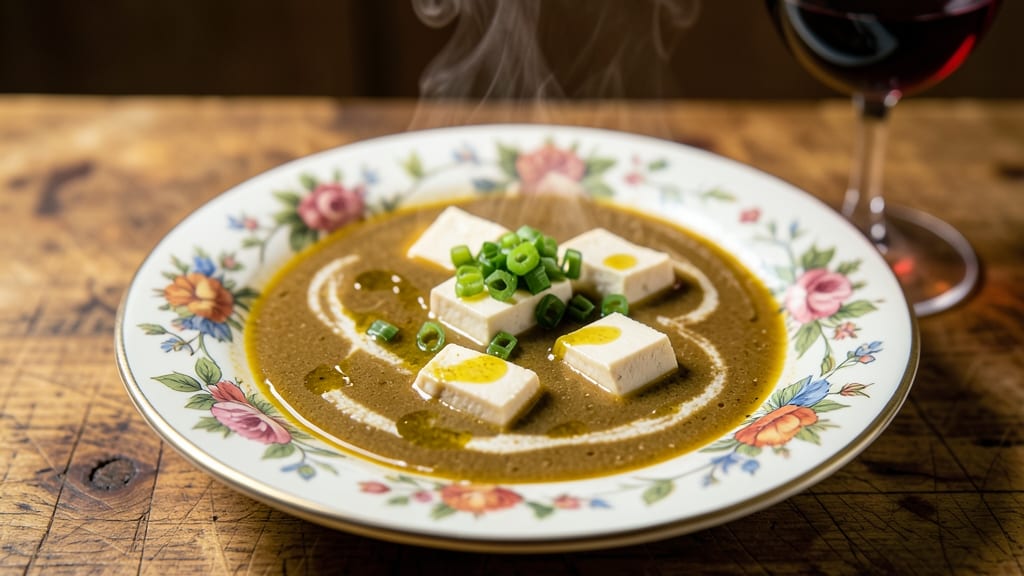
This Asian miso soup recipe delivers the perfect balance of umami depth and comforting warmth in every bowl. The secret lies in properly dissolving miso paste into hot—not boiling—broth, which preserves its complex flavors while creating a silky texture that’s both nourishing and satisfying.
I developed this version after years of testing, ensuring the tofu stays silky, the mushrooms absorb the broth’s richness, and the greens add a fresh contrast without overpowering the dish.
The beauty of this recipe is its simplicity—just a few pantry staples and 15 minutes of active time transform basic ingredients into a restaurant-quality bowl.
The broth builds layers of flavor through a simple dashi base, while the miso paste provides that signature fermented depth that’s both savory and slightly sweet.
What makes it truly special is how adaptable it is: add seaweed for extra umami, a soft-boiled egg for protein, or keep it vegetarian with just tofu and greens.
By the end, you’ll have a steaming bowl of soup with a velvety broth, tender silky tofu, and vibrant greens that brighten every spoonful. The aroma alone—warm, earthy, and slightly tangy—will have your kitchen feeling like a cozy Tokyo izakaya.
This is the kind of dish that’s perfect for chilly evenings, quick lunches, or as a comforting starter before a meal.
Whether you’re making it for one or a crowd, the method scales effortlessly. The key is patience in dissolving the miso and letting the flavors meld, which takes just 10 minutes of simmering.
Serve immediately for the best texture, or store leftovers in the fridge for up to 3 days—the flavors only deepen over time. Let’s make this soup!
Ingredients for asian miso soup
Pantry staples meet umami magic. Just 13 ingredients create restaurant-quality bowls.
| Ingredient | Amount | Notes |
|---|---|---|
| White Miso Paste 🍜 | ½ cup | High-quality fermented paste |
| Silken Tofu 🥬 | 14 oz | Firm or extra-firm cut |
| Shiitake Mushrooms 🍄 | 8 whole | Fresh or rehydrated slices |
| Dried Wakame Seaweed 🌊 | 1 tbsp | Rehydrated in broth |
| Green Onions 🌿 | 2 whole | Thinly sliced for garnish |
| Fresh Spinach 🍃 | 2 cups | Packed, for garnish |
| Bonito Flakes 🐟 | 1 tbsp | For dashi base |
| Rice Vinegar 🍶 | 1 ½ tbsp | For brightness and tang |
| Dashi Stock 🍲 | 4 cups | Homemade or quality jarred |
| Sesame Oil 🫒 | 1 tbsp | For aroma and richness |
| Salt 🧂 | ½ tsp | Diamond Crystal kosher |
| Garlic Cloves 🧄 | 2 cloves | Minced, aromatic base |
| Fresh Ginger 🌿 | 1 tbsp | Shredded, zesty kick |
The miso paste is your umami powerhouse—look for red or white at Japanese markets or the international aisle. Kikunoi or Rikunoi brands are my go-to for that perfect balance of fermented depth. The silken tofu? Firm or extra-firm slices work best—cube them before adding to the broth for maximum absorption. Shiitake mushrooms add earthy richness, but rehydrate dried ones in the dashi stock for 10 minutes to bring back their umami punch. For the seaweed, Wakame is non-negotiable—it’s the secret to that oceanic brightness in every spoonful.
No bonito flakes? Dried shiitake mushrooms make a solid dashi substitute—simmer them with kombu for 20 minutes. Short on fresh spinach? Baby bok choy or kale work beautifully, though they’ll need slightly less cooking time. Want to skip the rice vinegar? A splash of lemon juice adds brightness, but the vinegar’s subtle sweetness is irreplaceable. The garlic and ginger? Fresh is essential—pre-minced loses its punch. And if you’re vegetarian but want extra protein, soft-boiled eggs or edamame slide right into this bowl.
This soup tastes even better the next day—flavors meld beautifully in the fridge for up to 3 days. Store in airtight containers, and reheat gently on the stove with a splash of water to restore the silky texture. The tofu? Add it back in during reheating—it separates easily but comes together perfectly. For freezer storage, portion into meal-prep containers and freeze for 2 months. Just thaw overnight in the fridge before reheating. The broth keeps its depth, and the tofu stays silky—trust the process!
Why You’ll Love This Recipe
- Here’s what sold me: that first sip where the deep, fermented richness of the white miso paste meets the crispy edges of the shiitake mushrooms and that silken tofu’s melt-in-your-mouth texture. The rice vinegar cuts through the richness just enough to keep it from being too heavy, while the sesame oil and ginger add a zesty warmth. It’s not just flavor—it’s layers. The garlic gets sautéed in oil first, so it’s aromatic, not raw, and the spinach at the end keeps it from tasting like a brothy stew. Chef’s kiss.
- I’ll be real: this soup tastes even better the next day. The flavors meld into something deeper, and the tofu absorbs more of that umami broth. I make it on Sunday, and by Wednesday, my husband is already asking for seconds. Freeze portions too—it’s my secret weapon for those days I’m too tired to cook. Just reheat gently, and the silken tofu stays intact. No sad, mushy leftovers here.
Step-by-step instructions for Asian miso soup
Here’s how to craft a velvety miso broth that balances umami depth with delicate greens and silken tofu.
Prepare the Dashi and Miso Base
In a medium saucepan, combine the 4 cups dashi stock with the 1 tbsp bonito flakes and 1 tbsp dried wakame seaweed. Bring to a gentle simmer over medium heat—you’ll see delicate bubbles forming at the surface but not a rolling boil. Let it simmer uncovered for 5 minutes to infuse the broth with those signature oceanic, nutty notes.
Real talk: Don’t rush this step. The wakame needs time to rehydrate fully, and the bonito should dissolve completely. Strain through a fine-mesh sieve into a clean pot, pressing gently on the wakame to extract every last drop of flavor. This ensures your broth is crystal clear with maximum umami punch.
Reduce heat to low and whisk in the ½ cup white miso paste until fully dissolved. The miso should melt smoothly into the broth without any graininess. Here’s the thing—if you add it too hot, you’ll kill the beneficial enzymes in the miso and create a bitter aftertaste. Keep the temperature below 160°F at all times during this process.
Build the Aromatic Foundation
In a small skillet, heat 1 tbsp sesame oil over medium-low heat until shimmering. Add the 2 minced garlic cloves and 1 tbsp shredded fresh ginger, cooking for 1-2 minutes until fragrant but not browned—you want aromatic depth, not bitterness. Immediately transfer this aromatic oil to your miso broth and stir vigorously.
This is the moment that matters: The sesame oil carries those pungent garlic and ginger notes directly into the broth, creating layers of complexity. Don’t skip this step (I learned the hard way)—adding raw garlic and ginger directly would make your soup taste medicinal rather than balanced.
Return the broth to a gentle simmer and add the 1½ tbsp rice vinegar. This bright acidity cuts through the richness of the miso, creating that perfect umami-tang contrast. Let the entire mixture simmer together for 3 minutes while you prepare your remaining ingredients.
Incorporate Tofu and Mushrooms
While the broth simmers, slice the 14 oz silken tofu into ½-inch cubes and set aside. Clean and slice the 8 shiitake mushrooms into thin strips—discard the tough stems. The tofu should maintain its delicate texture, so handle it gently to avoid breaking it into smaller pieces than intended.
Add the mushrooms to the simmering broth and cook for 4 minutes until they’ve softened slightly but still maintain their structure. Then gently fold in the silken tofu cubes using a silicone spatula. You’re aiming for a delicate suspension—don’t stir vigorously or you’ll break the tofu into a mush.
I press down gently on the tofu cubes during the first minute of cooking to help them absorb some of the broth’s flavor without falling apart. This ensures each bite delivers that signature silky texture while still being infused with the rich umami broth.
Finish with Greens and Seasoning
Just before serving, add the 2 cups fresh spinach and ½ tsp salt to the broth. Stir gently for 1 minute until the spinach wilts completely but remains vibrant green. The spinach should be just tender enough to eat—any longer and it becomes a mushy afterthought.
Divide the soup among 4 bowls, then garnish each serving with 2 thinly sliced green onions and an additional drizzle of sesame oil. The green onions add a fresh, crisp contrast to the warm broth, while the sesame oil enhances the aroma with each spoonful.
Serve immediately while the tofu is still silky and the broth maintains its perfect temperature. Each bowl should deliver that perfect balance: rich umami from the miso, delicate texture from the tofu, earthy depth from the mushrooms, and bright finishing touches from the vinegar and greens.
Pro Tips For Making Asian Miso Soup
- Whisk Miso Slowly: After burning my tongue on a too-hot miso addition, I learned to whisk the ½ cup white miso paste into the broth after reducing heat to low—never above 160°F. A wooden spoon or silicone whisk dissolves it smoothly, but if you see graininess, strain it immediately. The broth should look like liquid silk, not a paste fight.
- Press Tofu First: The silken tofu cubes won’t absorb flavor if they’re floating like lifeboats. When you add them to the broth, use a spatula to press each cube gently against the pot’s side for 10 seconds—just enough to let the broth seep in without turning them to mush. This keeps them silky while still packing umami.
- Strain Wakame Hard: That 1 tbsp dried wakame looks done after 5 minutes, but you’re missing half the flavor if you don’t wring it out. After straining, press the wakame against the sieve with a spoon like you’re squeezing a wet towel—you’ll get a surprising burst of oceanic richness. (Yes, it’s weird. Yes, it works.)
- Bloom Garlic in Oil: Raw garlic in miso soup tastes like a medicine cabinet exploded. Heat the 1 tbsp sesame oil until it shimmers, then add the 2 minced garlic cloves and 1 tbsp shredded ginger for just 1–2 minutes—until the kitchen smells like a Japanese izakaya, not a hospital. Transfer that fragrant oil immediately to the broth, or you’ll regret it.
Creative variations of these flavors
Vegetarian Protein Boost
For a heartier vegetarian version, swap the silken tofu for extra-firm tofu pressed for 15 minutes to remove excess water. Cut into ½-inch cubes and pan-fry in 1 tbsp neutral oil until golden before adding to the broth.
This adds 15 grams of protein per serving while keeping that signature chewy texture. 💪
Seafood Fusion
Transform this into a seafood miso by adding 6 oz shrimp or 4 oz white fish fillets like cod or halibut. Poach the seafood in the broth for just 2-3 minutes until opaque, then remove and set aside.
Reheat the seafood gently in the broth before serving to maintain tenderness. The seafood absorbs the miso’s umami beautifully—just avoid overcooking! 🐟
Spicy Miso Kick
Add 1 tsp gochujang (Korean chili paste) or ½ tsp red pepper flakes when dissolving the miso paste for a slightly spicy twist. For extra heat, stir in 1 tsp chili crisp or 1 tsp sriracha at the end.
Balance the heat with an extra ½ tsp sugar to keep the flavors harmonious. This variation is perfect for those who love a warm, spicy bowl. 🌶️
Winter Root Addition
For a cozy winter version, add ½ cup diced daikon radish and ½ cup sliced shiitake mushrooms when building the broth. The daikon adds a slight sweetness that complements the miso’s depth, while the mushrooms deepen the umami.
Simmer these together for 5 minutes before adding the tofu and greens. 🥕
Creamy Coconut Twist
Replace the dashi stock with 4 cups coconut milk (full-fat for richness) and add 1 tsp coconut aminos for a tropical miso fusion. Use red miso paste for a deeper color and slightly sweeter profile.
Garnish with toasted coconut flakes and lime wedges for a refreshing contrast. This version works beautifully as a lighter, dairy-free option. 🥥
Instant Pot Hack
For a 30-minute version, combine all ingredients except greens in an Instant Pot. Set to High Pressure for 5 minutes, then quick-release. Stir in the spinach and salt at the end.
The pressure cooker infuses flavors faster while keeping the tofu silky. Perfect for busy weeknights when you need quick, restaurant-quality results. ⏰
Nutrition facts
Frequently asked questions
Why should I keep the miso broth below 160°F
when adding the miso paste?
Adding miso paste to hotter broth destroys its beneficial enzymes and creates a bitter aftertaste. The 160°F limit preserves the paste’s fermented complexity and ensures a smooth, velvety texture. Always whisk gently until fully dissolved—this prevents graininess while maintaining the paste’s delicate flavors.
Can I use dried shiitake mushrooms instead of fresh ones?
Rehydrate ½ cup dried shiitake slices in the dashi stock for 10 minutes before straining. This mimics the umami depth of fresh mushrooms while adding a chewy texture. Just be sure to rinse them thoroughly to remove any grit.
What if my silken tofu breaks apart when cooking?
Handle the tofu gently—use a silicone spatula to fold cubes in slowly. Press down lightly on the cubes for the first 1 minute of cooking to help them absorb broth without crumbling. If it still breaks, try extra-firm tofu pressed for 15 minutes beforehand.
How do I adjust the soup if I don’t have dashi stock?
Combine 4 cups water with 1 tbsp kombu (dried kelp) and 1 tbsp bonito flakes, simmer for 5 minutes, then strain. For a vegetarian version, use 4 cups vegetable broth with 1 tbsp soy sauce and ½ tsp sugar for depth. The flavor won’t be identical, but it’ll still deliver umami!
Why does the soup taste better the next day?
The flavors meld more deeply during refrigeration, allowing the miso’s fermented notes to soften and the broth to develop a richer complexity. The 3-day fridge lifespan also lets the ingredients absorb each other’s flavors fully—just reheat gently with a splash of water to restore silky texture.

- Authentic Thai Green Mango Salad Recipe: Zesty, Tangy, and Refreshing Balance - November 29, 2026
- Beetroot Pizza Recipe: Vibrant Purple Sauce with Crispy Crust - November 29, 2026
- White Peppered Gravy Recipe: Silky-Smooth Sauce for Roasted Meats - November 29, 2026