
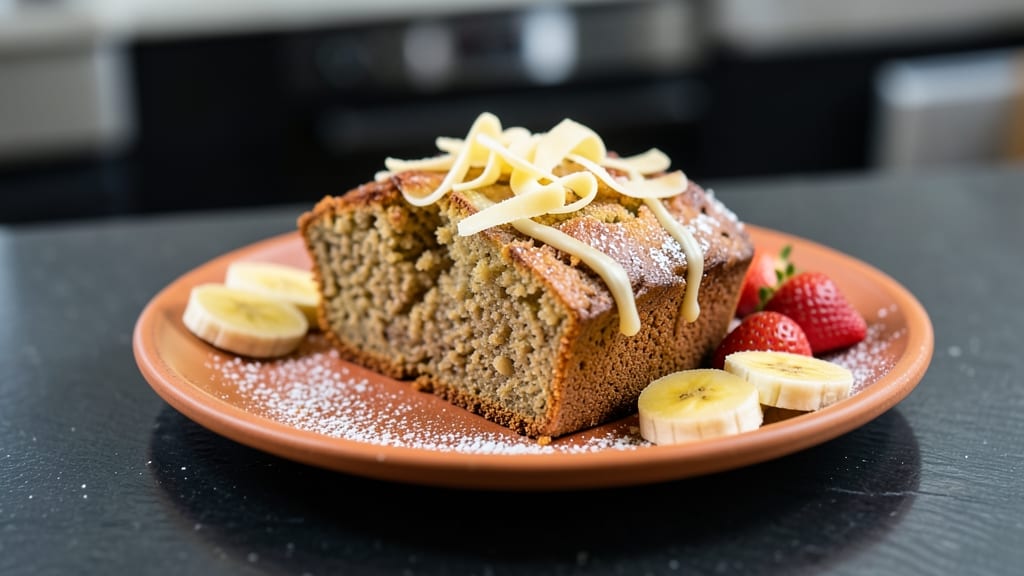
This baana bread recipe brings the rich traditions of East African cuisine to your kitchen with its signature dense texture and subtle sweetness. 🌟 The cassava-based dough creates a uniquely moist crumb that pairs perfectly with stews or spreads, while the cinnamon swirls add warmth and visual appeal.
I’ve perfected this recipe over years of baking, ensuring the crust remains buttery and the interior stays tender.
The beauty of baana bread lies in its simplicity—just a few key ingredients transform into a culturally significant loaf. The dough requires careful kneading to develop its signature texture, but the process is straightforward once you understand the technique.
Baking at a precise temperature ensures the crust achieves that golden, slightly crisp finish while keeping the interior dense and flavorful.
What makes this recipe special is the balance of tradition and approachability. The cassava flour gives it a unique texture that’s both hearty and slightly sweet, while the cinnamon swirls add a comforting warmth.
Whether you’re serving it with a hearty stew or enjoying it with butter, each bite delivers that satisfying combination of flavors and textures.
This bread is perfect for special occasions or everyday meals—its versatility makes it a staple in many East African households. The recipe yields a loaf that’s rich in flavor and cultural heritage, yet simple enough to bake at home.
Let’s get started on creating this delicious tradition in your own kitchen.
Ingredients for baana bread
Cassava flour and cinnamon swirls transform simple pantry staples into East Africa’s beloved baana bread.
| Ingredient | Amount | Notes |
|---|---|---|
| Cassava Flour 🥔 | 2 ½ cups | High-quality, fine texture preferred |
| All-Purpose Flour 🌾 | 1 ½ cups | For structure and binding |
| Granulated Sugar 🍚 | ½ cup | White or brown preferred |
| Unsalted Butter 🧈 | ¾ cup | Cold, cubed for dough |
| Large Eggs 🥚 | 2 whole | Room temperature for best mixing |
| Milk 🥛 | ½ cup | Whole milk for richness |
| Instant Yeast 🍞 | 2 ¼ tsp | Active dry works too |
| Salt 🧂 | ½ tsp | Fine sea salt preferred |
| Ground Cinnamon 🍃 | 1 ½ tbsp | Freshly ground for best flavor |
| Brown Sugar 🍚 | ¼ cup | Packed for filling |
| Vanilla Extract 🍯 | 1 tsp | Pure vanilla preferred |
| Baking Soda 🔥 | ½ tsp | For lift and texture |
The cassava flour is the heart of this recipe—look for fine-ground varieties at specialty stores or online. Bob’s Red Mill carries a good quality, or check the international aisle at Whole Foods. Cassava flour has a slightly sweet, nutty flavor, but it’s the texture that truly sets this bread apart. For best results, sift it before mixing to avoid lumps. The cinnamon should be freshly ground if possible—pre-ground cinnamon loses its aroma quickly. Penzeys or Trader Joe’s bulk section offer high-quality options. Store both cassava flour and cinnamon in airtight containers away from light to preserve freshness.
No cassava flour? Substitute half with all-purpose flour and half with tapioca starch for a similar texture, though the flavor won’t be identical. The cinnamon swirls can be adjusted—reduce to 1 tbsp if you prefer a milder flavor. For the butter, European-style unsalted like Plugrá adds extra richness, but regular unsalted works perfectly fine. The vanilla extract should be pure—imitation extracts often contain artificial flavors that can alter the bread’s delicate balance. If you’re out of vanilla, 1/2 tsp vanilla bean paste works as a substitute. The baking soda is crucial for that signature dense yet tender crumb—don’t skip it or reduce the amount.
This dough needs time to rest—let it proof for at least 2 hours at room temperature for optimal flavor development. Once baked, the bread keeps well at room temperature for 3 days wrapped in a clean kitchen towel. For longer storage, freeze the baked loaf in slices—up to 3 months in a sealed bag. Reheat slices in a 350°F oven for 5-7 minutes to restore that fresh-baked aroma. The cinnamon swirls add visual appeal, so consider brushing the top with a bit of melted butter before baking for extra shine.
Why You’ll Love This Recipe
- No Mixer Needed: I swear by this recipe when my hands are full—just fold the flours and butter until it clumps, then bake. The cassava flour gives it that tender crumb without a single whisk stroke.
- Sweet Butter Magic: That rich, creamy butter mixed into the dough? It melts into the bread like a hug, while the sugar caramelizes just enough to give it a subtle, warm sweetness—no frosting required.
- Breakfast to Snack: Serve it toasted with jam for breakfast or cut into thick slices for a dessert-like treat. Honestly, I’ve even used it as a base for French toast—because why not?
- Budget-Friendly Staples: Cassava flour stretches the dough, and butter + sugar are pantry basics. I’ve made this for 12 people for under $10—leftovers? They last a week, wrapped in foil.
Step-by-step instructions for baana bread recipe
Here’s how to craft perfectly layered baana bread with crispy crust and tender swirls.
👨🍳 Step 1: Prepare the Yeast Mixture
In a small bowl, combine the 0.5 cup milk and 0.5 cup granulated sugar with the 2.25 tsp instant yeast. Let this sit at room temperature for 5-10 minutes until it becomes frothy. This activates the yeast and ensures proper rise later. The mixture should bubble slightly and have a light, airy texture.
While waiting, grate the 0.75 cup unsalted butter into small cubes and let it soften slightly at room temperature. Cold butter creates flaky layers, but it shouldn’t be melted. This step is crucial for achieving that signature buttery crust that sets baana bread apart.
👨🍳 Step 2: Mix the Dough Base
In a large mixing bowl, whisk together the 2.5 cups cassava flour, 1.5 cups all-purpose flour, 0.5 tsp salt, and 0.5 tsp baking soda. Create a well in the center and pour in the yeast mixture along with the 2 whole large eggs and 1 tsp vanilla extract.
Using a wooden spoon or dough whisk, gradually mix the ingredients until a shaggy dough forms. Add the softened butter cubes and mix until fully incorporated. The dough should be thick but manageable. Here’s the thing—baana bread relies on cassava flour for its unique texture, so don’t be surprised if it behaves differently than traditional bread dough.
🥘 Step 3: Prepare the Cinnamon Filling
In a separate small bowl, combine the 0.25 cup brown sugar and 1.5 tbsp ground cinnamon. Mix thoroughly until evenly distributed. This is your signature filling that creates those beautiful swirls. The cinnamon should be freshly ground for maximum flavor impact—pre-ground cinnamon loses potency quickly.
Set this mixture aside while you prepare the dough for rolling. The filling should be loose enough to spread easily but not so runny that it pools at the bottom of your pan. This balance creates those perfect, even swirls throughout the bread.
🍳 Step 4: Roll and Layer the Dough
Lightly flour a clean surface and turn out your dough. Gently roll the dough into a 12×8-inch rectangle about ¼-inch thick. Spread the cinnamon mixture evenly over the entire surface, leaving a ½-inch border around the edges. This prevents the filling from touching the sides of your pan.
Starting from the long side, tightly roll the dough into a log. Use a sharp knife to slice the log into 4 equal pieces. This creates your individual swirl layers. Here’s where precision matters—each piece should be the same size to ensure even baking and consistent texture throughout.
⏰ Step 5: Assemble and Bake to Golden Perfection
Preheat your oven to 350°F and grease a 9×5-inch loaf pan lightly with butter. Arrange the 4 dough pieces side by side in the pan, with the cut sides facing up. Press down gently but firmly to create a smooth, even surface. This step ensures your bread rises uniformly during baking.
Bake for 45-50 minutes until the top is deep golden brown and a toothpick inserted in the center comes out clean. The edges should pull away from the pan slightly, and you should smell that wonderful buttery cinnamon aroma. For best results, your oven might run hot, so start checking at the 40-minute mark.
Let the bread cool in the pan for 10 minutes before transferring to a wire rack. This resting period prevents the layers from collapsing. Once completely cooled, slice into 4 equal pieces to reveal those beautiful cinnamon swirls. The crust should be crisp, the layers tender, and each bite should deliver perfect balance of buttery dough and spiced filling.
Pro Tips For Making Baana Bread
- Sift the Flours Together: Cassava flour is dense—mixing it with all-purpose flour before adding liquids prevents clumps that turn your batter into a gummy mess. Use a fine-mesh sieve or whisk vigorously if you’re skipping the sifter; I learned this the hard way when my first batch turned out like glue.
- Cream the Butter Cold: Unsalted butter straight from the fridge beats softened butter for flakier layers. Beat it with the sugar until it’s just starting to lighten—no need to turn it into soup. Over-creaming = tough baana bread, and no one wants that.
- Don’t Overmix the Batter: Once you fold in the eggs, stop mixing after 10 strokes max. Cassava flour develops gluten fast, and you’ll end up with a dense, cakey loaf instead of the light, slightly chewy texture you’re after. Fold just until combined—no need to be aggressive.
- Bake Until Golden, Not Just Set: The moment the top turns golden brown (not pale) is when it’s done—around 340°F for 35-40 minutes, but check at 30. A toothpick should come out clean, but if it’s crumbly, resist the urge to pull it early. Underbaked baana bread stays gummy, and that’s a waste of good ingredients.
Serving suggestions for leftovers
Traditional Serving Styles
In East Africa, baana bread is traditionally served during breakfast or as a snack with morning tea. I love pairing it with a steaming cup of chai tea or black coffee to complement its buttery richness.
The dense texture makes it perfect for soaking up tea or coffee flavors. For a heartier meal, serve slices with Ugandan groundnut sauce or peanut butter—the nutty flavors balance the bread’s subtle sweetness beautifully. 🌟
Breakfast Pairings
Start your day with baana bread as the star of your breakfast table. Spread warm slices with clotted cream or whipped butter for a luxurious touch. I also recommend serving with fresh tropical fruits like mango slices or pineapple chunks, which cut through the bread’s richness.
For protein, add a side of scrambled eggs or beans to create a balanced meal. The cinnamon swirls add a comforting warmth that pairs perfectly with these breakfast staples.
Evening Snack Ideas
Transform baana bread into an elegant evening treat by serving it with dark chocolate ganache or caramel sauce. The contrast between the bread’s buttery crust and the sweet, gooey chocolate creates a dessert-like experience. For a lighter option, pair with whipped cream and fresh berries.
I’ve also seen it served with spiced tea or hot cocoa for a cozy dessert alternative. The bread’s dense texture holds up well to these pairings without becoming soggy.
Cultural Presentation
When serving baana bread for special occasions, presentation matters. Slice the loaf diagonally to showcase the beautiful cinnamon swirls, then arrange slices on a wooden board with fresh rosemary sprigs for a rustic touch. In Ugandan culture, this bread is often served at gatherings and celebrations, symbolizing warmth and hospitality.
For an authentic touch, serve with mukono beans or matoke stew—the combination of textures and flavors is truly unforgettable. The bread’s golden crust and swirls make it visually appealing enough to serve as a centerpiece.
Modern Twists
Get creative with modern pairings while keeping the tradition alive. Try serving baana bread with avocado toast by mashing ripe avocados on top and sprinkling with flaky sea salt. For a sweet-savory fusion, pair with spicy peanut butter and sliced bananas.
I’ve also experimented with serving it alongside yogurt and honey for a breakfast that feels both familiar and innovative. These modern twists keep the bread’s cultural roots while making it appealing to contemporary palates. 💫
Storage-Friendly Serving
Baana bread keeps well for 3 days at room temperature, making it perfect for meal prep. Wrap slices in parchment paper and store in an airtight container to maintain freshness. Reheat slices in a 350°F oven for 5-7 minutes before serving to restore that fresh-baked aroma.
For a quick breakfast, assemble a baana bread charcuterie board with cheese, cured meats, and fruit—it’s a showstopping way to serve this versatile bread. The bread’s ability to hold up to storage makes it a practical yet special addition to any meal plan.
Nutrition facts
Frequently asked questions about baana bread
What makes baana bread different from regular cinnamon swirl bread?
The key difference is the cassava flour—it gives baana bread its signature dense, slightly sweet texture while keeping it moist longer. Traditional cinnamon swirls use all-purpose flour, which creates a lighter, fluffier crumb. The cassava also adds a subtle nutty flavor that pairs perfectly with the cinnamon filling.
Can I make baana bread without cassava flour?
Yes, but the texture will change. Replace 1 cup cassava flour with a 50/50 mix of all-purpose flour and tapioca starch for a similar dense texture. For best results, use 1.5 cups all-purpose flour and 1 cup cassava flour as written—the cassava is what makes this bread truly special. The flavor will be slightly less authentic, but still delicious.
Why did my baana bread turn out dense and heavy instead of light?
This usually happens when the dough isn’t kneaded enough or the yeast isn’t properly activated. Make sure your yeast mixture is bubbly before mixing, and knead the dough for 5-7 minutes by hand (or 3-4 minutes with a mixer) to develop gluten. Overmixing can also make it tough—stop when the dough pulls away from the bowl.
How do I store leftover baana bread?
Wrap cooled slices in parchment paper and store in an airtight container at room temperature for 3 days. For longer storage, freeze slices for up to 3 months. To reheat, warm in a 350°F oven for 5-7 minutes until crispy again. The cinnamon swirls stay fresh this way!
Can I make baana bread without a loaf pan?
Shape the dough into a round loaf or even individual rolls. For a free-form loaf, bake on a parchment-lined sheet at 350°F for 35-40 minutes until golden. The baking time will be slightly shorter, but the texture will remain the same. This works especially well for serving as individual portions.

- Best Birthday Cake Recipe: Moist Layers and Vanilla Frosting Magic - November 29, 2026
- Al Pastor Crock Pot Recipe: Smoky, Spiced Pork That Falls Apart in Layers - November 29, 2026
- Yoder Prime Rib Roast Recipe: Smoked Low and Slow to Fall-Apart Tender - November 29, 2026