
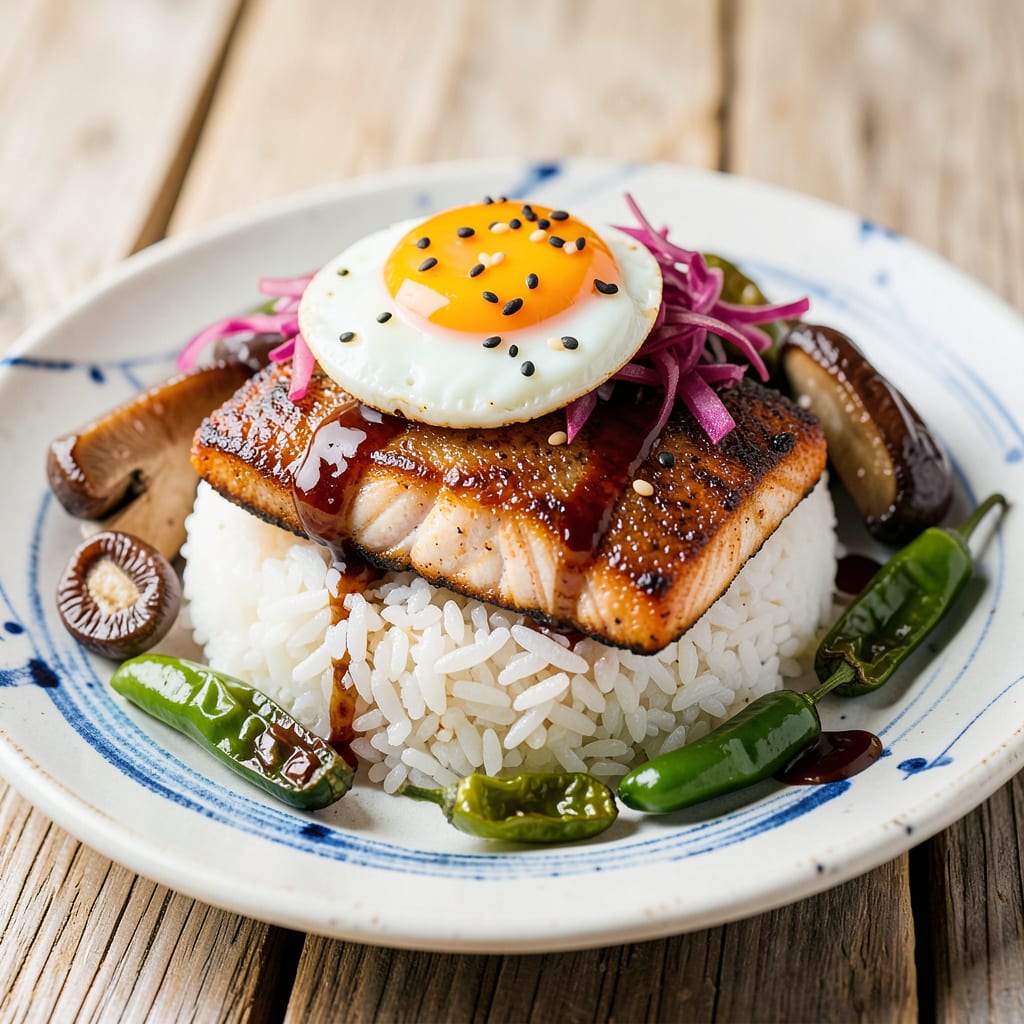
Bachan’s recipe is a versatile Japanese sauce blending soy sauce, vinegar, sugar, garlic, and ginger for a balanced sweet-savory flavor. It works as a marinade, glaze, or dipping sauce for meats, veggies, and rice bowls.
This sauce captures the essence of traditional Japanese seasoning with a modern twist. The combination of fermented soy and tangy vinegar creates a complex base, while the aromatic garlic and ginger add layers of warmth. 🔥 I love how it bridges cultures—perfect for both classic teriyaki dishes and contemporary fusion meals. Its adaptability makes it a kitchen staple, whether you’re grilling, stir-frying, or simply looking to elevate a bowl of steamed rice.
What sets this apart is its ability to caramelize beautifully when cooked, forming a glossy finish on proteins. The sugar content isn’t just for sweetness—it helps create that signature sticky texture that clings perfectly to food. ✨ I’ve found it particularly effective with chicken thighs or tofu, where the sauce penetrates deeply during marinating. The balance of flavors means you rarely need additional seasoning when using it.
💡 In This Article
- The Core Ingredients Behind Bachan’s Signature Flavor
- 5 Easy Ways to Use Bachan’s Recipe in Everyday Cooking
The Core Ingredients Behind Bachan’s Signature Flavor
The magic starts with the soy sauce base, which provides the foundational umami depth. Traditional Japanese soy sauce (like koikuchi shoyu) contains about 16-18% protein from fermented soybeans, creating that rich, savory backbone.
The fermentation process (typically 6-12 months) breaks down proteins into amino acids, which our taste buds perceive as that satisfying “meaty” flavor even in vegetarian dishes. 🔥
Rice vinegar cuts through the soy’s intensity with its clean, bright acidity. Unlike Western vinegars, Japanese rice vinegar has a milder 4-5% acetic acid content and subtle sweetness from fermented rice. This creates a perfect counterbalance—the vinegar’s tang enhances the umami while preventing the sauce from tasting flat.
The traditional ratio is about 2 parts soy to 1 part vinegar, which achieves that signature harmony.
Garlic and ginger transform the sauce from simple to complex. Fresh garlic contains allicin, a compound that mellows when cooked but retains its aromatic punch. Ginger adds gingerol, which provides warmth without overpowering. Together they create a layered aroma profile that blooms when heated.
The key is using them in precise amounts—typically 1-2 cloves garlic and 1 tablespoon fresh ginger per cup of sauce. ✨
The sugar serves multiple purposes beyond sweetness. It helps balance the saltiness from soy sauce (which contains about 16% sodium) and promotes caramelization when cooked. Traditional recipes use mirin (sweet rice wine) for this role, but granulated sugar works similarly.
When exposed to heat, the sugar undergoes the Maillard reaction, creating those beautiful golden-brown tones and sticky texture that make the sauce so addictive.
Modern adaptations often tweak these ratios for different applications. For marinades, some reduce the vinegar to 1:3 ratio with soy to prevent over-tenderizing proteins. Glazes might increase sugar to 1:1 ratio with soy for extra caramelization.
The beauty lies in how these simple ingredients interact—fermented soy provides depth, vinegar adds brightness, aromatics contribute complexity, and sugar ties it all together with that irresistible sticky-sweet finish. 💫
What most people don’t realize is how the sauce evolves with cooking time. When used as a marinade, the enzymes in garlic and ginger begin breaking down protein fibers within 30-60 minutes. As a glaze, the sugar concentration increases as water evaporates, creating that perfect sticky consistency at about 320°F.
This versatility explains why it works equally well on delicate fish and hearty vegetables. 🌟

- BBQ Sausage Recipe Oven: Smoky Depth Without the Grill - September 28, 2026
- BBQ Chicken Bowl Recipe Rice: Smoky Sweetness Over Fluffy Grains - September 28, 2026
- Beef Cutlet Recipe Ideas: Crispy Breaded Patties With Bold Seasonings - September 28, 2026