
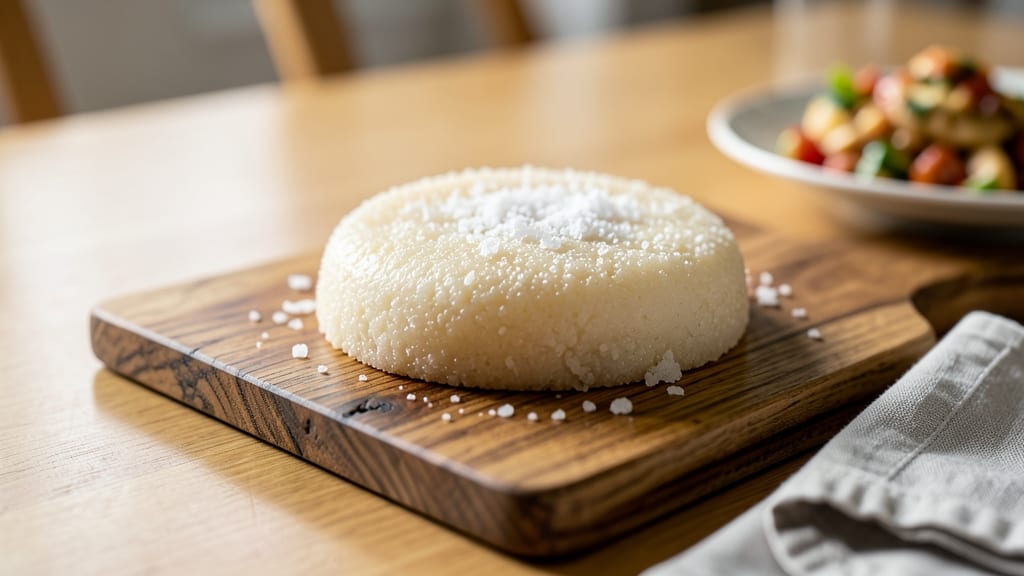
This baked tapioca recipe transforms humble tapioca pearls into a silky, coconut-infused dessert that rivals traditional custard—without dairy or eggs. The secret lies in soaking the pearls properly and blending them with coconut milk until perfectly smooth, then baking until set with just a hint of golden crust.
I developed this version after realizing how many vegan desserts still relied on gelatin or dairy substitutes, and this one delivers that same creamy texture without compromise.
What makes this recipe special is its versatility—you can keep it classic with vanilla and cinnamon, or elevate it with caramelized coconut or a dash of cardamom for warmth.
The baking process creates a delicate texture that’s neither too firm nor too wobbly, and the coconut milk adds natural sweetness that pairs beautifully with fruit toppings or a sprinkle of toasted coconut flakes. It’s the kind of dessert that feels indulgent yet stays light enough for any occasion.
The result is a silky coconut dream with warm vanilla notes that melt in your mouth, served in individual ramekins for elegant presentation. Unlike traditional tapioca pudding, this version holds its shape when baked, making it perfect for gatherings or meal prep—just assemble the night before and bake when ready.
The aroma alone will have everyone asking for seconds.
For those curious about savory variations, this same technique works beautifully with mushrooms, spinach, and a touch of nutritional yeast for a protein-rich side dish. The key is adjusting the liquid ratios and baking time slightly—just as simple, just as satisfying. Let’s get baking!
Ingredients for baked tapioca
Six servings of creamy coconut tapioca that rivals custard without dairy or eggs.
| Ingredient | Amount | Notes |
|---|---|---|
| Small Tapioca Pearls 🍡 | 1 cup | Rinsed thoroughly before soaking |
| Full-Fat Coconut Milk 🥥 | 2 cups | Canned, full-fat for creaminess |
| Pure Maple Syrup 🍯 | ½ cup | Grade B for robust flavor |
| Pure Vanilla Extract 🌿 | 1 tbsp | High-quality, Madagascar bourbon |
| Ground Cinnamon 🌶️ | 1 tsp | Freshly ground for warmth |
| Ground Cardamom 🌱 | ½ tsp | Optional for exotic warmth |
| Unsweetened Shredded Coconut 🥥 | ½ cup | Toasted for enhanced flavor |
| Fresh Coconut Flakes 🥥 | ¼ cup | For garnish, toasted lightly |
| Fresh Pineapple Chunks 🍍 | 1 cup | Diced small for texture |
| Fresh Lime Juice 🍋 | 1 tbsp | Brightens the coconut flavor |
| Sea Salt 🧂 | ¼ tsp | Fine grain for balancing sweetness |
| Cornstarch 🌾 | 1 tbsp | For thickening the mixture |
| Water 💧 | ½ cup | For soaking tapioca pearls |
The tapioca pearls are the foundation—Bob’s Red Mill or Trader Joe’s brands soak up liquid perfectly without clumping. Grade B maple syrup adds depth that regular syrup can’t match, and I always grab the Madagascar bourbon vanilla from the specialty section. For the coconut milk, Aroy-D or Thai Kitchen brands give the richest texture. Toasting the shredded coconut in a dry pan for 3-4 minutes (until golden) enhances its flavor dramatically—don’t skip this step. The cardamom is optional but transforms this into something truly special when used.
No Grade B maple syrup? Agave nectar or coconut sugar works in a pinch, though the flavor won’t be identical. Short on fresh pineapple? Mango chunks or passion fruit puree add tropical brightness. The lime juice can be substituted with lemon juice at half the amount, but lime’s unique acidity is ideal. For a nutty twist, swap half the coconut milk for cashew cream. If you’re making this ahead, prepare the mixture up to 24 hours in advance and refrigerate—just bake straight from the fridge for even texture.
This dessert keeps beautifully—4 days refrigerated or 3 months frozen in airtight containers. For freezing, portion into ramekins before baking, then wrap tightly with plastic wrap and foil. To serve, let it sit at room temperature for 10 minutes after baking—it’s firmer straight from the fridge. The toasted coconut flakes should be added fresh after baking for maximum crunch. Portion into individual ramekins before baking for elegant presentation, and always bake in a water bath for that silky texture.
Why You’ll Love This Recipe
- No-Fuss Baking: I swear, this takes less effort than boiling water. Just mix the tapioca pearls with coconut milk, a splash of maple syrup, and a pinch of cinnamon—then bake. No stirring every five minutes, no watching like a hawk. The pearls puff up perfectly on their own.
- Caramel-Kissed Magic: That first bite? Warm, chewy tapioca with a sticky-sweet maple glaze that’s dangerously good. The vanilla and cinnamon turn it into something that tastes like dessert, even though it’s basically just soaked pearls. Honestly, I’ve made it three times this week already.
- Breakfast or Dessert: Serve it cold in jars with coconut milk for a grab-and-go breakfast—my kids call it “pudding” and fight over it. Or warm it up with a sprinkle of cinnamon for a cozy after-dinner treat. Same recipe, two totally different vibes.
- Budget-Friendly Leftovers: A single batch costs pennies and stretches for days. I keep the extra in the fridge, reheating slices in the toaster or microwave—no one ever complains. Plus, the coconut milk’s richness makes it feel indulgent, even when I’m pinching pennies.
Step-by-step instructions for baked tapioca pudding
Here’s the method for creating a velvety coconut tapioca dessert with tropical brightness.
Soak the Tapioca Pearls Properly
Rinse the 1 cup small tapioca pearls thoroughly under cold water in a fine-mesh strainer, shaking gently to remove excess starch. This prevents the pudding from becoming gummy later. Transfer the pearls to a medium saucepan and add the 0.5 cup water. Bring to a boil over medium-high heat, then immediately reduce heat to low and let simmer for 10 minutes without stirring.
The pearls will begin to swell and become translucent. Here’s the thing—don’t peek or stir during this time. The gentle simmer allows them to absorb water evenly, creating that signature silky texture. After 10 minutes, remove from heat and let them sit covered for 5 minutes to complete the soaking process.
Prepare the Coconut Milk Mixture
In a separate large bowl, whisk together the 2 cups full-fat coconut milk, 0.5 cup pure maple syrup, 1 tbsp pure vanilla extract, 1 tsp ground cinnamon, 0.5 tsp ground cardamom, and 0.25 tsp sea salt. The cardamom adds subtle warmth that complements the coconut beautifully. Mix until the maple syrup is completely dissolved and the spices are evenly distributed throughout the liquid.
In a small bowl, combine the 1 tbsp cornstarch with 2 tablespoons of the coconut milk mixture to create a slurry. This prevents clumping when added to the hot mixture. Gradually whisk the cornstarch slurry back into the main mixture until smooth. The reason we wait until now is that cold cornstarch thickens better when added to warm liquids, ensuring that perfect creamy consistency.
Combine and Add Tropical Elements
Gently fold the soaked tapioca pearls into the coconut milk mixture using a rubber spatula. Work slowly to avoid breaking the pearls, which would make the pudding grainy. Add the 1 cup fresh pineapple chunks and 0.5 cup unsweetened shredded coconut, reserving a small handful of shredded coconut for garnish later. The pineapple adds a pleasant tartness that balances the sweet coconut flavor.
Stir in the 1 tbsp fresh lime juice and mix just until combined. This brightens the entire dessert and prevents the coconut flavor from becoming overwhelming. Taste the mixture at this stage—it should be sweet but not cloying, with a subtle citrus note. If needed, adjust sweetness with a touch more maple syrup, but the original amount should be perfect.
Bake to Silky Perfection
Pour the mixture into a 9-inch square baking dish or similar size, spreading it evenly. Cover tightly with aluminum foil and bake at 350°F for 45 minutes. The foil prevents the top from forming a skin while allowing the pudding to set evenly. After 45 minutes, remove the foil and bake for an additional 15 minutes until the top is set and slightly golden.
You’ll know it’s ready when the center is just barely firm to the touch—like a thick custard. If you press gently with your finger, it should hold its shape but still feel slightly wobbly. This indicates perfect doneness. Let the pudding cool completely at room temperature before serving, as it will continue to thicken as it cools.
Garnish and Serve
Once cooled, sprinkle the reserved 0.25 cup fresh coconut flakes evenly over the top and toast them lightly in a dry skillet over medium heat for 2-3 minutes until golden brown. This adds a delightful crunch contrast to the silky pudding. Serve the baked tapioca pudding chilled, with the toasted coconut flakes scattered on top for that final touch of texture.
The finished dessert should have a creamy, almost custard-like texture with visible tapioca pearls throughout. Each bite should deliver the rich coconut flavor balanced by the bright pineapple and subtle spice notes. The toasted coconut flakes add a satisfying crunch that elevates the entire experience.
Pro Tips For Making Baked Tapioca
- Soak Pearls Properly: Dump the tapioca pearls in a bowl, cover with twice their volume in hot water, and let them sit for at least 20 minutes—no stirring. I learned this the hard way when I rushed it and ended up with gummy, uneven pearls that refused to soften properly in the oven.
- Stir Coconut Milk: Full-fat coconut milk separates like a diva when left alone. Before measuring, shake the can hard or stir vigorously with a fork—this ensures a creamy, lump-free base that won’t make your baked tapioca taste like curdled pudding.
- Don’t Overmix the Syrup: Once you fold in the maple syrup and vanilla, mix just until combined—overworking it turns the batter into glue. Your future self will thank you when the tapioca stays soft and pillowy instead of dense and sad.
- Bake Low and Slow: Set your oven to 325°F (163°C) and bake for 40-45 minutes, not the higher temp you might instinctively reach for. I used to crank it up, and the top would burn while the center stayed doughy—this temp guarantees even cooking every time.
Creative variations of this dish
Tropical Fruit Fusion
Swap the pineapple for 1 cup diced mango or ½ cup passion fruit pulp to create a vibrant tropical twist. The mango adds a creamy sweetness that pairs beautifully with coconut, while passion fruit brings a tangy complexity.
For extra brightness, add 1 tbsp lime zest along with the juice—this enhances the fruit flavors without overpowering the tapioca base. 🌴
Spiced Chai Version
Transform this into a cozy chai-inspired dessert by swapping the cardamom for 1 tsp ground cinnamon, ½ tsp ground ginger, and ¼ tsp ground cloves. Add 1 tsp espresso powder to deepen the flavor profile and balance the sweetness.
Top with a sprinkle of toasted coconut flakes and a pinch of sea salt for a sophisticated finish. This version feels like a warm hug in dessert form.
Savory Mushroom Twist
For a savory baked tapioca, replace the coconut milk with 2 cups vegetable broth and the maple syrup with 1 tbsp soy sauce or nutritional yeast for umami depth. Stir in 1 cup sautéed mushrooms, ½ cup spinach, and 1 tsp garlic powder.
Bake at 375°F for 30 minutes until set, then top with toasted sesame seeds and a drizzle of chili oil for a restaurant-worthy side dish. 🍄
Caramelized Coconut Crunch
Take this dessert to the next level by caramelizing the coconut. After baking, drizzle the warm pudding with 2 tbsp coconut sugar mixed with 1 tbsp water, then torch with a kitchen blowtorch or broil for 1-2 minutes until golden and bubbly.
Let it set for 5 minutes before serving—this creates a stunning caramelized crust that adds texture and depth. The contrast of creamy pudding with crunchy caramel is pure magic.
Chocolate-Dipped Ramekins
For an elegant presentation, bake the pudding in individual 4-ounce ramekins instead of a square dish. After baking, let them cool slightly, then dip the top edge into melted dark chocolate (at least 70% cocoa) for a decorative border.
Add a sprinkle of crushed hazelnuts or flaky sea salt before the chocolate sets. This turns a simple dessert into a showstopper for dinner parties or special occasions. 🍫
Seasonal Citrus Burst
Brighten up this recipe with seasonal citrus flavors. In summer, use orange zest and juice instead of lime, and add ½ cup diced blood orange segments. In winter, swap for grapefruit segments and a pinch of black pepper to add warmth.
The citrus cuts through the richness of the coconut, making each bite feel fresh and vibrant. This variation is perfect for those who love a zesty kick in their desserts. 🍊
Nutrition facts
Frequently asked questions
Why does my baked tapioca turn out too firm or rubbery?
Over-soaking the tapioca pearls is the most common cause. Stick to the 10-minute simmer followed by 5 minutes off heat—this ensures they absorb liquid properly without becoming gummy. Also, avoid overbaking; the center should feel just slightly wobbly when done. If it’s too firm, try reducing the baking time by 5 minutes next time.
Can I make this recipe without a water bath?
Yes, but you may need to adjust the baking time slightly. Without foil, the edges can dry out faster. Cover the dish with aluminum foil for the first 45 minutes, then remove it for the final 15 minutes to get that golden crust. If your oven runs hot, reduce the temperature to 325°F for more even cooking.
How do I store baked tapioca for later?
Store in an airtight container in the fridge for up to 4 days or freeze for 3 months. For freezing, portion into ramekins before baking, then wrap tightly with plastic and foil. Thaw overnight in the fridge—never at room temperature. The texture remains creamy when reheated gently in the microwave for 20-30 seconds.
What’s the best way to reheat baked tapioca?
For the best texture, reheat individual portions in the microwave for 20-30 seconds on 50% power. If using a conventional oven, cover with foil and warm at 300°F for 10-15 minutes. Avoid high heat—it can make the tapioca pearls dry out. A quick spin in the microwave preserves that silky consistency.
Can I substitute regular tapioca starch for pearls?
No, they’re not interchangeable. Tapioca pearls create that signature chewy texture, while starch would make the dessert too smooth and sticky. If you’re short on pearls, try blending them into a paste first, but the result won’t be the same. For a starch-based alternative, consider arrowroot or cornstarch—but you’ll lose the tapioca’s unique mouthfeel.

- Minced Meat Spaghetti Recipe: One-Pan Italian Comfort with Rich Ragù - November 29, 2026
- Aki’s Guava Chiffon Cake Recipe: Light, Airy Layers with Tropical Flavor Burst - November 29, 2026
- Chicken Pelau Recipe: Caribbean-Style Rice with Tender Chicken and Pigeon Peas - November 29, 2026