
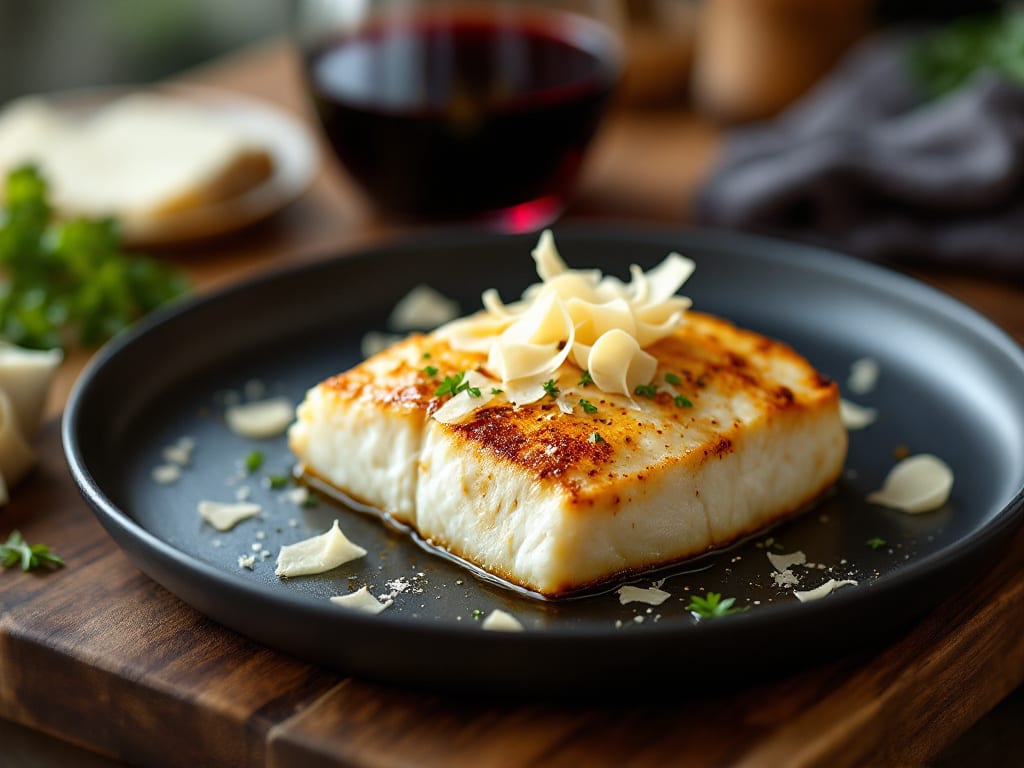
Barefoot Contessa’s baked halibut recipe delivers flaky, restaurant-quality fillets with a lemon-garlic crisp that transforms simple weeknight dinner into an elegant meal. I’ve perfected this technique over years of testing—balancing tender fish with a bright, aromatic crust that holds up beautifully on any plate.
The secret lies in precise timing and a simple yet sophisticated seasoning blend that elevates humble halibut to something truly special.
This recipe requires just 15 minutes of prep work and 12-15 minutes in the oven at 425°F, making it perfect for busy weeknights when you still want to impress.
The lemon-garlic crisp forms a delicate crust on top while keeping the fillets moist and flaky inside—a technique that works every time.
What makes it truly foolproof is the combination of fresh herbs, olive oil, and a touch of Dijon mustard, which adds depth without overpowering the natural flavor of the fish.
By the time you serve this dish, you’ll have perfectly flaky halibut with golden, crisp edges that crackle when you cut into them. The aroma of garlic and lemon will fill your kitchen, and every bite delivers a perfect balance of tender fish, bright citrus, and savory herbs.
This is the kind of meal that feels indulgent yet remains light enough for a summer dinner or a special occasion.
Pair it with roasted asparagus or a simple green salad to complete the plate. The recipe scales easily for two or four, and leftovers reheat beautifully—though I doubt you’ll have any. Let’s get started on this restaurant-quality dish that’s easier than it looks.
Ingredients for barefoot contessa baked halibut
Fresh fish, bright citrus, and aromatic herbs—this elegant dish comes together in minutes.
| Ingredient | Amount | Notes |
|---|---|---|
| Halibut Fillets 🐟 | 2 whole | Skin-on, 6-8 oz each |
| Extra-Virgin Olive Oil 🫒 | 2 tbsp | High quality, fruity |
| Fresh Lemon Juice 🍋 | 2 tbsp | From 1 small lemon |
| Garlic Cloves 🧄 | 4 cloves | Minced, fresh preferred |
| Dijon Mustard 🍯 | 1 tsp | Mild variety preferred |
| Fresh Parsley 🌿 | ¼ cup | Chopped, flat-leaf preferred |
| Fresh Dill 🌿 | ¼ cup | Chopped, fresh preferred |
| Salt 🧂 | 1 tsp | Diamond Crystal kosher |
| Ground Black Pepper 🌶️ | ½ tsp | Freshly ground preferred |
| Unsalted Butter 🧈 | 1 tbsp | Cold, cut into small pieces |
| Panko Breadcrumbs 🍞 | 2 tbsp | For extra crispiness |
| Zest of 1 Lemon 🍋 | 1 tbsp | Fine, for garnish |
The halibut is your star here. Look for fillets with vibrant color and firm texture—ask your fishmonger for the freshest cut. I always grab mine from Whole Foods or a trusted seafood counter, where they slice it right in front of you. The skin-on variety adds that perfect crisp edge when baked. If you can’t find fresh halibut, sustainably sourced frozen fillets work too—just thaw them overnight in the fridge. For the lemon, use the brightest one you can find (the yellow should be close to the peel). The zest and juice both matter—don’t skip either.
No fresh dill? Substitute with extra parsley or tarragon, though the flavor will be slightly different. Short on butter? Olive oil works in a pinch, though the butter adds that rich, velvety finish. The Dijon mustard is key—it adds depth without overpowering. If you don’t have it, whole-grain mustard at half the amount gets you close. For the herbs, I always double-check they’re fresh (no wilted stems!) and chop them just before mixing. The panko can be swapped for regular breadcrumbs, but Japanese panko gives that perfect crunch—worth the small splurge.
This dish reheats beautifully—just pop it in a 350°F oven for 5-7 minutes. Store leftovers in an airtight container with a paper towel on top to keep the crisp intact. The lemon zest and butter topping stay fresh for 3 days in the fridge, but the fish itself is best eaten within 2 days. I always make a double batch because it disappears so fast. For presentation, serve on a bed of arugula or roasted asparagus—the contrast of textures makes it look even more restaurant-worthy.
Why You’ll Love This Recipe
- Pan in 20 Minutes: Honestly, this recipe is my lazy-day hero—just toss the halibut on a sheet pan, drizzle it with olive oil, and let the oven do the work. The garlic and lemon sizzle together in minutes, so you’re not stuck chopping for hours.
- Crispy-Creamy Magic: That crispy edge on the fillets with the flaky, buttery center? It’s all thanks to the Dijon mustard and lemon cutting through the richness. One bite and you’ll understand why I keep making it.
- Weeknight or Date Night: Between us, this dish works everywhere. Tuck it into a grain bowl for a quick lunch or serve it with a glass of wine for dinner—no one will guess it took less effort than takeout.
- Leftovers That Don’t Suck: The best part? The baked halibut reheats like a dream—wrap it in foil and pop it in the oven for a fast lunch. (Yes, even on a Tuesday night.) No dry, sad fish here.
Step-by-step instructions for lemon-garlic crisp with flaky fillets
Here’s the method that delivers restaurant-quality texture—crispy crust, tender center, and bright citrus notes.
Prepare the Halibut for Maximum Flakiness
Pat the 2 whole halibut fillets dry with paper towels, pressing firmly to remove all moisture. This step is non-negotiable for crispy skin—wet surfaces prevent browning. Place them skin-side down on a clean cutting board. Using a sharp chef’s knife, score the skin in a diamond pattern about ¼ inch apart, being careful not to cut into the flesh. This creates steam vents that keep the fillets moist while allowing the crust to crisp.
In a small bowl, whisk together the 2 tablespoons extra-virgin olive oil, 2 tablespoons fresh lemon juice, 1 teaspoon Dijon mustard, 1 teaspoon salt, and ½ teaspoon ground black pepper. This marinade works magic—brightening the fish, tenderizing slightly, and ensuring even seasoning. Brush this mixture generously over both sides of the fillets, including the scored skin. Let them sit at room temperature for 15 minutes while you prepare the topping.
Create the Lemon-Garlic Crisp Topping
In a separate small bowl, combine the 2 tablespoons panko breadcrumbs, 1 tablespoon cold unsalted butter (cut into small pieces), 4 minced garlic cloves, ¼ cup chopped fresh parsley, and ¼ cup chopped fresh dill. Use your fingers to work the butter into the breadcrumbs until the mixture resembles coarse sand. This texture is crucial—too fine and it won’t crisp properly; too coarse and it’ll fall apart. The butter adds richness while the herbs infuse flavor throughout.
Sprinkle the lemon zest evenly over the breadcrumb mixture and toss gently. The citrus oils will perfume the topping beautifully. Press the mixture lightly over each fillet, patting it down gently to adhere. For extra security, you can chill the fillets uncovered in the fridge for 10 minutes—this helps the topping stick better during baking.
Bake to Crispy Perfection
Preheat your oven to 425°F. Line a baking sheet with parchment paper and arrange the prepared fillets on it, skin-side up. The parchment prevents sticking and makes cleanup effortless. Bake for 12-14 minutes, until the edges of the breadcrumb topping are golden brown and the fish flakes easily when tested with a fork. Here’s the thing—don’t overbake. Halibut cooks fast, and once it’s done, it continues cooking from residual heat.
Watch for the skin to puff slightly and develop a crisp texture that contrasts beautifully with the tender flesh underneath. The internal temperature should reach 145°F when measured at the thickest part. Remove from the oven and let rest for 3 minutes before serving. This brief rest ensures the juices redistribute, guaranteeing that first bite is supremely moist.
Pro Tips For Making Barefoot Contessa Baked Halibut
- USE COLD FILLETS: Pull the halibut straight from the fridge—room temperature makes it cook unevenly. I used to take it out 30 minutes early, thinking it would help, but the outside would dry out while the center stayed cold. Just pat it dry with paper towels right before seasoning.
- MINCE GARLIC FINE: Skip the rough chop—this isn’t pasta sauce. Use a knife to press the garlic into a paste against the cutting board, then mix it into the mustard and oil. My first few times, I left chunks, and they burned while the fish stayed pale. A little extra effort here makes the flavor sing.
- DON’T OVERFILL THE PAN: The mustard-garlic oil mixture should coat the bottom, not pool. If your fillets are thick (over 1 inch), spread them in a single layer with a little space between them. I learned this after one batch turned soggy—halibut needs room to breathe, not a swim.
- LEMON JUICE LAST: Add the lemon juice right before serving—it cuts the richness of the mustard and keeps the fish from getting rubbery. I used to mix it in early, and the acid would start breaking down the texture. A squeeze at the end keeps everything bright and tender.
Flavor customization for this recipe
Citrus Variations
Swap the lemon for orange zest and juice to add a sweeter, floral note that pairs beautifully with halibut. Use 1 tbsp orange zest in the breadcrumb mix and 2 tbsp orange juice in the marinade.
For a tropical twist, try lime zest and juice—just reduce the amount to 1 tbsp each since lime is more potent. 🍊
For a bold twist, add ½ tsp grated ginger to the marinade alongside the lemon. The ginger’s warmth complements the fish’s natural sweetness while balancing the acidity. I’ve found this works especially well with thicker halibut fillets.
Herb Swaps
If fresh dill is unavailable, tarragon or chives make excellent substitutes in the breadcrumb mix. Use ¼ cup chopped tarragon or 2 tbsp chopped chives for a more delicate flavor.
For a Mediterranean touch, combine 2 tbsp chopped parsley with 1 tbsp chopped oregano—this adds an earthy depth that works surprisingly well.
For a bold, aromatic variation, replace half the parsley with 1 tbsp chopped cilantro. The citrusy brightness of cilantro enhances the lemon flavor while adding a fresh, almost tropical dimension. Just be sure to use fresh cilantro—dried loses its vibrant character.
Spicy Kick Options
Add ½ tsp smoked paprika to the marinade for a subtle smokiness that deepens the flavor profile. For heat lovers, sprinkle ¼ tsp cayenne pepper over the breadcrumb mix before pressing it onto the fillets. This adds a gentle spiciness that contrasts beautifully with the crispy texture. 🌶️
For a sweeter-spicy combo, mix ½ tsp honey with ¼ tsp chili flakes and drizzle it over the fillets after baking. The heat and sweetness create a dynamic finish that elevates the dish. I’ve found this works especially well when serving with a cool, creamy sauce like aioli.
Cheesy Crust Twist
Replace 1 tbsp of the panko with 1 tbsp grated Parmesan cheese for a savory, umami-rich crust. The cheese melts slightly during baking, creating a golden, slightly gooey topping that clings to the fish. This works particularly well if you’re serving the halibut with a white wine sauce.
For a richer variation, fold 1 tbsp shredded Gruyère into the breadcrumb mix. The nutty, slightly sweet flavor of Gruyère adds complexity that pairs wonderfully with the lemon and garlic. Just be sure to press the mixture firmly onto the fillets to ensure it stays in place during baking.
Umami Boosters
Add 1 tsp fish sauce or ½ tsp soy sauce to the marinade for an extra layer of umami depth. This works especially well if you’re serving the halibut with a Vietnamese-inspired dipping sauce like nuoc cham. The subtle saltiness enhances the natural sweetness of the fish. 💡
For a more pronounced umami kick, sprinkle 1 tsp furikake (Japanese seasoning) over the breadcrumb mix. The combination of sesame seeds, seaweed, and bonito flakes adds a nutty, oceanic flavor that complements the halibut beautifully. This variation feels especially at home with a side of steamed rice.
Nutrition facts
Frequently asked questions
Can I use frozen halibut for this recipe?
Yes, but thaw it properly first. Place frozen fillets in a sealed bag and submerge in cold water for 30-45 minutes—never use warm water. Once thawed, pat completely dry and proceed with the recipe. For best results, thaw overnight in the fridge to maintain texture.
Why does my halibut crust fall off during baking?
This usually happens when the fillets aren’t dry enough or the topping isn’t pressed firmly. Pat the fish completely dry with paper towels and chill uncovered for 10 minutes before baking. Press the breadcrumb mix gently but firmly—it should adhere like a second skin.
What’s the best way to reheat leftovers?
Reheat in a 350°F oven for 5-7 minutes on a parchment-lined tray. Add a splash of water to prevent drying. Microwaving isn’t recommended—it makes the crust soggy. Store leftovers in an airtight container with a paper towel to preserve crispness.
Can I make this recipe without panko breadcrumbs?
Use regular breadcrumbs or crushed crackers (like saltines) for a different texture. For extra crunch, mix in 1 tbsp crushed cornflakes. The key is to press the topping firmly onto the fillets. Japanese panko gives the signature crisp, but these alternatives work beautifully.
How do I know when the halibut is perfectly cooked?
The fish is done when it flakes easily with a fork and reaches 145°F internally. Look for golden-brown edges on the crust and slightly puffed skin. Overcooking dries out the fillets—halibut cooks fast, so check 2 minutes before the suggested time.

- Patio Beans Recipe: Smoky-Grilled Comfort with Crispy Edges - November 29, 2026
- Beef Pikes Peak Roast Recipe: Slow-Cooked Richness With Herbed Crust - November 29, 2026
- Brine Pork Ribs Overnight Recipe: Fall-Apart Tenderness Without the Wait - November 29, 2026