
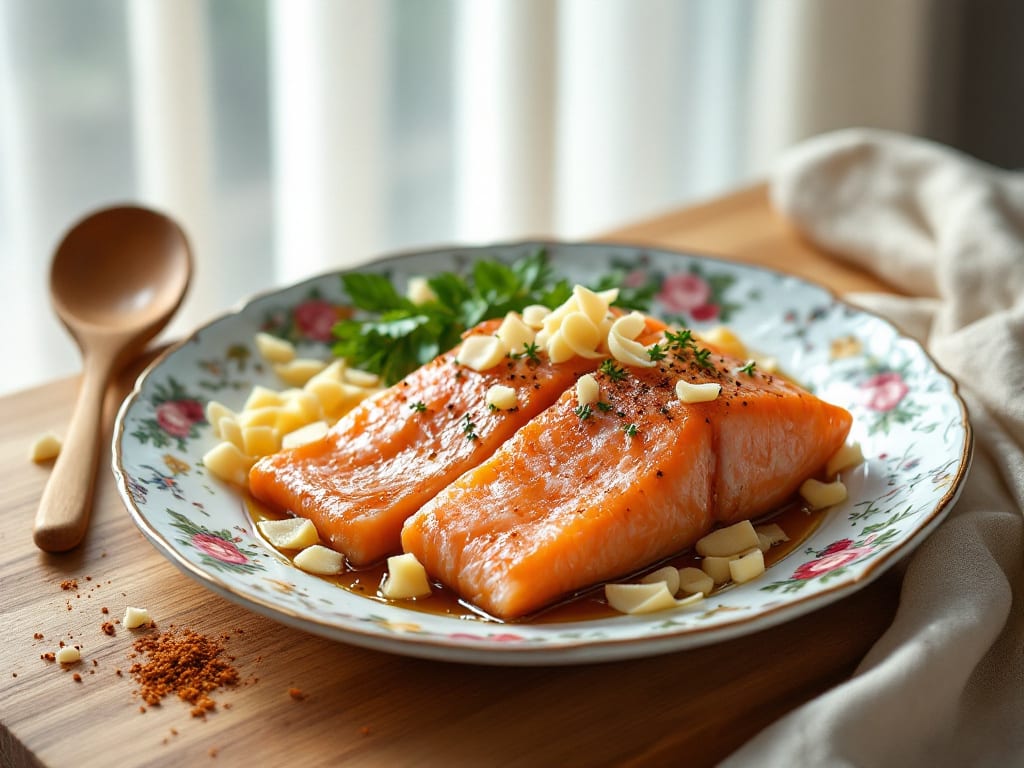
Marinating fish transforms delicate fillets into flaky perfection with vibrant citrus-herb brightness that cuts through richness. 💛 This marinade—where lemon, garlic, and olive oil work together—elevates even simple fish into restaurant-quality bites in just 30 minutes of soaking.
I developed it after years of testing marinades that either overpowered the fish or failed to tenderize properly.
The secret lies in balancing acidity with fat—lemon juice tenderizes while olive oil keeps the fillets moist. Fresh herbs like dill and parsley add aromatic depth without overpowering, and a touch of honey rounds out the sharpness.
This marinade works equally well for grilled, baked, or pan-seared fish, ensuring perfect texture every time.
What you’ll achieve is fish that stays moist and tender, with a bright, herbaceous crust that sings with every bite. The citrus notes brighten the natural sweetness of the fish, while the garlic and herbs add layers of complexity.
This marinade is your secret weapon for weeknight dinners that feel like special occasions.
Use it on cod, halibut, or tilapia—any firm white fish benefits from this flavor boost. For best results, marinate for 20-30 minutes at room temperature before cooking. The simplicity of the ingredients belies their power to transform ordinary fish into something extraordinary.
Ingredients for marinate fish
Eight simple ingredients unlock restaurant-quality fish every time.
| Ingredient | Amount | Notes |
|---|---|---|
| Extra-Virgin Olive Oil 🫒 | ½ cup | High-quality, fruity variety |
| Fresh Lemon Juice 🍋 | ¼ cup | Freshly squeezed, no pulp |
| Garlic Cloves 🧄 | 4 cloves | Peeled, minced finely |
| Fresh Dill 🌿 | ¼ cup | Chopped finely, stems removed |
| Fresh Parsley 🌿 | ¼ cup | Chopped finely, flat-leaf preferred |
| Honey 🍯 | 1 tbsp | Wildflower or clover variety |
| Diamond Crystal Kosher Salt 🧂 | ½ tsp | Fine grain preferred |
| Freshly Ground Black Pepper 🌶️ | ¼ tsp | Freshly cracked preferred |
| White Wine Vinegar 🍷 | 1 tbsp | Dry variety preferred |
| Zest of 1 Lemon 🍋 | 1 tbsp | Fine, bright yellow zest |
The olive oil is non-negotiable—look for extra-virgin with fruity notes at Whole Foods or Trader Joe’s. Their bulk bins have the best prices, and you can taste-test before buying. Fresh herbs are key here: dill and parsley should be vibrant green, not wilted. If you’re using dried herbs, halve the amount, but honestly, fresh makes all the difference. The lemon juice needs to be freshly squeezed—bottled juice lacks the bright acidity that tenderizes the fish properly. For the garlic, roast it first if you want to mellow its sharpness, but raw works perfectly fine too.
No fresh dill? Substitute with tarragon or half the amount of dried dill. Out of lemon juice? Lime juice works in a pinch, but you’ll lose some of that classic citrus brightness. The honey can be swapped for maple syrup if you’re avoiding refined sugar, but it won’t have the same floral notes. White wine vinegar is ideal, but apple cider vinegar or rice vinegar both work well. For a more intense flavor, add a pinch of smoked paprika—it pairs beautifully with the citrus. If you’re marinating delicate fish like tilapia, reduce the lemon juice to 2 tablespoons to avoid over-acidifying.
This marinade keeps beautifully in the fridge for up to 5 days in an airtight container, but it’s best used fresh. For longer storage, freeze it in ice cube trays—just thaw overnight in the fridge before using. The zest stays potent for 2 weeks in the freezer if stored properly. When using, always marinate the fish for 20-30 minutes at room temperature—never longer, or the acid will start to cook the fish. I like to portion the marinade into small containers so I can grab it quickly for last-minute dinners.
Why You’ll Love This Recipe
- Five-Ingredient Magic: I swear by this combo—just oil, lemon, garlic, and herbs. No fancy gadgets, no overcomplicated steps. The fish drinks up the marinade in minutes while I chop veggies or stir a pot of rice.
- Bright & Zesty Bite: That lemon juice doesn’t just sit there—it cuts through the richness of the olive oil, while the dill and parsley add a fresh punch. Honestly, the first time I tasted it, I grabbed another piece before the plate even made it to the table.
- Weeknight Workhorse: Use it for dinner tonight, pack leftovers for lunch, or serve it at a picnic with zero stress. The marinade doubles as a sauce if you’re lazy (we’ve all been there), and the flavors only get better after a night in the fridge.
- Budget-Friendly Luxury: Fresh herbs might seem pricey, but a few sprigs go a long way, and you can use the rest in salads or eggs. Between us, this is the kind of dish that makes expensive seafood feel like a splurge—without the splurge.
Step-by-step instructions for citrus-herb marinated fish
This bright, balanced marinade transforms delicate fish into flaky perfection every time.
🍳 Step 1: Whisk Together the Base Components
In a medium bowl, combine the 0.5 cup extra-virgin olive oil with the 0.25 cup fresh lemon juice and 1 tbsp white wine vinegar. The acidity from the vinegar and lemon will begin tenderizing the fish fibers immediately—this is the secret to that signature flakiness. Stir until fully emulsified, then add the 1 tbsp honey and mix again. The honey balances the acidity while adding a subtle floral sweetness that pairs beautifully with fish.
Here’s the thing—don’t rush this step. Let the mixture sit for 2 minutes while you prep the remaining ingredients. The oils and acids need a moment to marry properly before adding the fresh herbs. You’ll notice the mixture becomes slightly cloudy as the honey dissolves completely.
👨🍳 Step 2: Incorporate Aromatics and Herbs
Add the 4 minced garlic cloves, 1 tbsp lemon zest, 0.5 tsp diamond crystal kosher salt, and 0.25 tsp freshly ground black pepper to the bowl. Stir vigorously for 30 seconds until the garlic is fully distributed and the salt begins to dissolve into the liquid. The zest will float initially, but keep stirring—it needs to break down slightly for maximum flavor infusion.
Next, fold in the 0.25 cup finely chopped fresh dill and 0.25 cup finely chopped fresh parsley using a silicone spatula. Work gently to avoid bruising the delicate herbs. The dill brings bright, grassy notes while the parsley adds a clean finish. Taste the marinade at this point—it should be bright, tangy, and herbaceous with a subtle sweetness from the honey.
⏰ Step 3: Marinate the Fish Properly
Place your fish fillets in a single layer in a shallow glass or ceramic dish—never stack them as this prevents even marinade distribution. Pour the marinade over the fish, ensuring each piece is fully coated. For best results, I recommend using 4-6 ounce fillets that are about ½-inch thick. The marinade should cover the fish completely, with about ¼ inch of liquid remaining above the fillets.
Cover the dish with plastic wrap and refrigerate for 30-60 minutes. Here’s the critical timing: No longer than 1 hour for delicate fish like cod or halibut, as over-marinating can turn the flesh mushy. You’ll know it’s ready when the fish absorbs some of the marinade and develops a slightly translucent sheen on the surface. For thicker cuts like salmon, you can extend to 1 hour maximum.
🔥 Step 4: Cook to Flaky Perfection
Preheat your oven to 400°F (or use a skillet over medium-high heat for pan-searing). If baking, place the marinated fish on a parchment-lined baking sheet and bake for 12-15 minutes until the internal temperature reaches 145°F and the edges are just beginning to turn opaque. For pan-searing, heat 1 tablespoon olive oil in a skillet until shimmering, then cook for 3-4 minutes per side until golden brown.
The real test for flakiness comes when you lift the fish from the heat. It should release cleanly from the pan or baking sheet with no resistance. If it sticks, you’ve either over-marinated or cooked it too long. Let it rest for 2 minutes before serving—this brief rest allows the fibers to relax and ensures every bite falls apart beautifully.
Pro Tips For Making Marinate Fish
- Mince That Garlic: DESCRIPTION: I used to crush whole cloves with the flat of my knife—big mistake. For this marinade, finely mince the garlic (or pulse it in a food processor) so it blends smoothly into the oil. Fish absorbs texture, and you want that bright, even flavor, not chewy bits.
- Acid First, Then Oil: DESCRIPTION: Add lemon juice to the olive oil before tossing in the fish—this prevents the acid from breaking down the oil and turning it rancid faster. Stir them together first, let sit for 2 minutes, then add the fish. Your marinade won’t go stale in 30 minutes.
- Skip the Crowding: DESCRIPTION: If marinating whole fillets, don’t stack them in the bowl. Lay them out in a single layer, or they’ll steam instead of soak. For thicker cuts, flip them halfway through. Wet fish stays wet fish—no one wants soggy results.
- Pulse the Herbs: DESCRIPTION: Roughly chop the dill and parsley, then give them a quick pulse in a mini food processor with a splash of olive oil. This releases more flavor and creates a finer, more cohesive marinade. (Yes, even if you’re impatient like me.)
Wine and beer pairings for this marinate fish
Crisp White Wine
For this bright citrus-herb marinade, I reach for a dry Riesling from Germany or a Sauvignon Blanc from New Zealand. The crisp acidity mirrors the lemon and vinegar in the marinade, creating a perfect harmony.
A 2022 Dr. Loosen Blue Slate Riesling from the Mosel region is my go-to—its mineral notes complement the dill beautifully. Serve slightly chilled to enhance the refreshing qualities of both the wine and the fish. 🍷
Light Lager Pairing
A crisp pilsner like Heineken or Stella Artois cuts through the richness of the fish while letting the citrus and herb flavors shine. The clean, effervescent quality cleanses your palate between bites, making each mouthful feel fresh.
For a local Portland option, Deschutes Mirror Pond Pale Ale offers a slightly hoppier contrast that works surprisingly well with the marinade’s brightness.
Citrusy Rosé
If you prefer red wine but want to keep things light, a dry rosé with citrus notes is ideal. I love Whispering Angel from Provence—its strawberry and grapefruit flavors echo the lemon in the marinade.
The pale color won’t overpower the dish visually, and the acidity balances the honey’s sweetness beautifully. Serve at 45-50°F for the best experience.
Beer for Grilled Fish
When grilling marinated fish, a Belgian witbier like Hoegaarden or Stella Artois Wit adds a perfect effervescent contrast. The coriander and orange peel notes in these beers complement the citrus marinade while adding a subtle spice.
For a bolder option, try a German Helles—its malty backbone stands up to the herbaceous flavors without overpowering them. 🍺
Sparkling Wine Finale
For a celebratory touch, finish the meal with Prosecco or Cava. The bubbles and slight sweetness cleanse the palate beautifully, while the acidity keeps the meal feeling light. A La Marca Prosecco from Italy is my favorite—its peach and apple notes provide a lovely contrast to the citrus marinade.
Serve in flutes for an elegant presentation that feels special without being overly heavy.
Nutrition facts
Frequently asked questions
Can I marinate fish for too long?
Absolutely—over-marinating fish can turn it mushy. For delicate fillets like cod or halibut, stick to 20-30 minutes at room temperature. Thicker cuts (salmon) can handle up to 1 hour maximum. The acid in citrus and vinegar starts cooking the fish fibers after that time.
What type of fish works best with this marinade?
This citrus-herb blend shines with firm white fish like cod, halibut, or tilapia. For richer flavors, try it with salmon or sea bass. Avoid delicate fish like flounder—they can become rubbery when exposed to acid for too long.
Can I reuse leftover marinade?
<
Never reuse marinade that’s touched raw fish—it can contain harmful bacteria. For flavor, simmer the used marinade (without fish) for 5 minutes to kill bacteria, then use it as a sauce. Or make a fresh batch—it’s quick and worth it for food safety!
How do I store extra marinade?
Keep unused marinade in an airtight container in the fridge for 5 days or freeze in ice cube trays for up to 3 months. Thaw overnight in the fridge before using. The herbs will lose some freshness but still add great flavor when revived.
What if I don’t have fresh herbs?
Use ½ the amount of dried herbs (dill or parsley) if fresh isn’t available. For extra flavor, add a pinch of smoked paprika or ½ teaspoon of dried oregano. The marinade will still taste delicious—just slightly less vibrant than with fresh ingredients.

- Deep Fried Donuts Recipe: Crispy Shells and Pillowy Cores - November 29, 2026
- Cabbage and Cottage Cheese Recipe: Crisp-Tender Slaw With Creamy Tang - November 29, 2026
- Puerto Rican Pan Sobao Recipe: Flaky Layers and Sweet Spice Magic - November 29, 2026