
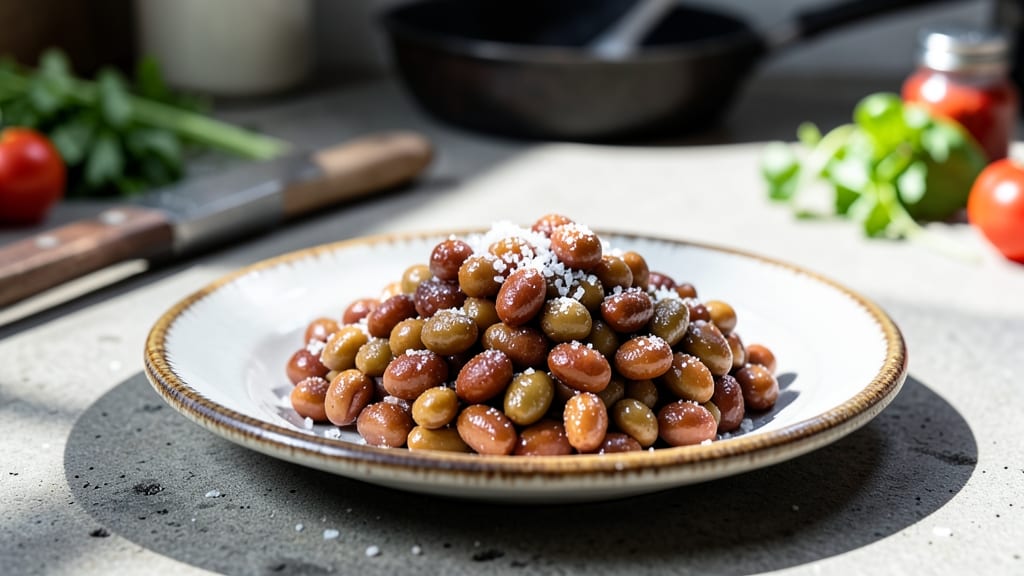
This biker beans recipe delivers the ultimate slow-cooked comfort dish—rich, smoky, and packed with tender pork and hearty beans that practically melt in your mouth. The secret lies in hours of gentle simmering, where flavors meld into a deep, caramelized perfection that tastes like a roadside diner classic.
I perfected this version after years of experimenting, balancing sweet, smoky, and spicy notes to create a dish that’s equal parts satisfying and restaurant-worthy.
The beauty of biker beans is their versatility—they’re hearty enough to stand alone but pair beautifully with cornbread or a crisp coleslaw. The slow-cooking process transforms tough pork into fork-tender chunks while letting the beans absorb all that smoky, sweet sauce.
No shortcuts here—just time, patience, and a cast-iron skillet or Dutch oven to deliver that signature depth of flavor.
What you’ll end up with is a pot of beans so flavorful, they’ll disappear faster than you can say “road trip.” The pork stays juicy, the beans break down just enough for that creamy texture, and the sauce clings to every bite with a perfect balance of heat and sweetness.
This isn’t just a side dish—it’s a meal that feels like a hug in a bowl.
Ready to make a pot that’ll have everyone asking for seconds? The process is straightforward, but the results are anything but basic. Let’s get cooking—your taste buds will thank you.
Ingredients for biker beans
Pantry staples meet smoky diner magic—just a handful of simple ingredients for a pot that tastes like home.
| Ingredient | Amount | Notes |
|---|---|---|
| Pork Shoulder 🥩 | 3 lb | Boneless, cut into 1-inch cubes |
| Navy Beans 🌾 | 2 cups | Dried, soaked overnight |
| Onion 🧅 | 1 whole | Yellow, diced |
| Garlic Cloves 🧄 | 4 cloves | Minced |
| Tomato Paste 🍅 | ½ cup | Smooth, not chunky |
| Chili Powder 🌶️ | 2 tbsp | Smoked or mild variety |
| Ground Cumin 🌿 | 1 tbsp | Toasted for depth |
| Brown Sugar 🍯 | ¼ cup | Light or dark |
| Apple Cider Vinegar 🍏 | ¼ cup | For tangy balance |
| Beef Broth 💧 | 2 cups | Low-sodium preferred |
| Bay Leaves 🍃 | 2 whole | Fresh if possible |
| Black Peppercorns 🌶️ | 1 tsp | Freshly cracked |
| Smoked Paprika 🌶️ | 1 tbsp | For smoky depth |
| Salt 🧂 | 1 ½ tsp | Kosher or sea salt |
| Olive Oil 🫒 | 2 tbsp | For searing pork |
The pork shoulder is non-negotiable here—it needs that fat for moisture and flavor. Costco or Walmart usually have it pre-cut for convenience, but if you’re buying a whole roast, ask the butcher to cube it. Look for good marbling (those little white streaks of fat) so it stays juicy during the long cook. I always grab a 3-pound bone-in shoulder for extra flavor, but boneless works too. The beans? Navy beans hold up best—they get tender but still hold their shape. Soak them overnight in plenty of water (at least 8 cups), then drain. No time? Quick-soak them in boiling water for 2 hours.
No smoked paprika? Regular paprika plus a pinch of liquid smoke gets you close. The apple cider vinegar might sound odd, but it cuts through the richness and adds that classic tang. Substitute red wine vinegar if you don’t have it—just use half the amount. For the chili powder, Penzeys or McCormick brands have consistent quality, but any good grocery store variety works. The tomato paste can be the squeeze tube kind from Trader Joe’s—it’s perfect for this. And if you’re short on broth, water plus bouillon cubes works in a pinch, but the flavor won’t be as deep.
This dish tastes even better the next day—honestly, the flavors meld overnight. Store leftovers in the fridge for up to 5 days or freeze for 3 months. I like to portion mine into containers so I can grab a meal for work or a quick lunch. The beans thicken as they cool, so add a splash of broth if it’s too thick when reheating. And don’t skip the bay leaves—they add subtle earthiness that disappears but makes everything taste better. (Trust me, I’ve tried without them.)
Why You’ll Love This Recipe
- One-Pot Magic: I love that this recipe turns one Dutch oven into my whole kitchen—no extra pans, no cleanup chaos. Just sear the pork in batches, toss in the spices, and let it all cook together. The soaked navy beans soak up all that smoky, spicy goodness without needing separate pots. Honestly, it’s the kind of dish where you can prep everything ahead and just toss it in the oven later.
- Smoky-Sweet Payoff: That blend of tomato paste, smoked paprika, and a splash of apple cider vinegar? Chef’s kiss. The pork gets that perfect crispy edge while the beans soak up the deep, caramelized flavors from the sear. And the brown sugar? It balances everything without tasting sweet—just like a well-aged whiskey. You’ll crave this after just one bite.
- Feeds a Crowd (or Your Cravings): This is the kind of recipe that makes me feel like I’m feeding a whole biker gang—or at least my husband and I for three nights in a row. The pork shoulder stretches far, and the beans? They get even better the next day. Freeze half for a lazy weeknight, and you’ve got a meal that’s always ready. My daughter even picks out the pork cubes to eat first. (Yes, even on a Tuesday night.)
- Budget-Friendly Powerhouse: Pork shoulder is one of the most affordable cuts, and dried navy beans? Cheaper than canned. The spices add a little punch, but you’ll use them up fast. I’ve made this for under $10 total, and it’s the kind of dish that makes you feel like you’re splurging—without the splurge. Leftovers? Store them for up to five days, or freeze for months. Zero waste, maximum flavor.
Step-by-step instructions for biker beans recipe
Here’s the method—simple but packed with smoky, spicy depth that makes these beans unforgettable.
Sear the Pork Shoulder for Rich Flavor
Heat a large Dutch oven over medium-high heat and add the 2 tablespoons olive oil. Once shimmering, add the 3 lb pork shoulder cut into 1-inch cubes, working in batches to avoid crowding. Sear each piece for 3-4 minutes per side until deeply browned and crispy on the edges. This step builds the foundation of flavor—don’t rush it.
As you sear, you’ll notice the pork releases its juices into the pot. These juices will later meld with the beans and spices, creating layers of complexity. Once all pork is browned, transfer it to a plate and set aside. You’ll add it back later when the beans are tender.
Build the Spiced Base with Onion and Garlic
In the same Dutch oven, reduce heat to medium and add the 1 diced onion. Cook for 5-6 minutes, stirring occasionally, until softened and golden. Here’s where it gets aromatic—add the 4 minced garlic cloves and cook for 30 seconds until fragrant. You’ll smell the garlic release its sweetness, which balances the heat in the final dish.
Next, stir in the ½ cup tomato paste, 2 tablespoons chili powder, 1 tablespoon ground cumin, 1 tablespoon smoked paprika, and 1½ teaspoons salt. Cook for 1-2 minutes, stirring constantly, until the spices bloom and the mixture darkens slightly. This creates a flavorful crust at the bottom of the pot that will dissolve into the beans later.
Simmer the Beans with Smoky Depth
Add the 2 cups soaked navy beans, 2 cups beef broth, ¼ cup brown sugar, ¼ cup apple cider vinegar, 2 bay leaves, and 1 teaspoon cracked black peppercorns to the Dutch oven. Stir well to combine, then bring to a boil over high heat. Once boiling, reduce heat to low, cover, and let it simmer for 1 hour, stirring occasionally.
After 1 hour, check the beans for tenderness. They should be soft but not mushy—if they’re still firm, add ½ cup more beef broth and simmer for another 30 minutes. The beans should absorb the liquid but still hold their shape. Here’s the thing—don’t skip the vinegar. It cuts through the richness of the pork and spices, balancing the dish perfectly.
Finish with Pork and Rest for Flavor
Return the seared pork shoulder to the Dutch oven and stir gently to combine. Increase heat to medium and let it simmer uncovered for 30-45 minutes, stirring occasionally, until the pork is fork-tender and the sauce has thickened slightly. The pork should pull apart easily, and the beans should be fully infused with smoky, spicy flavor.
Remove the 2 bay leaves before serving. Let the biker beans rest for 10 minutes before serving—this allows the flavors to meld even more. The result is a hearty, smoky, and slightly sweet dish with tender pork and richly seasoned beans. Serve with crusty bread or over rice to soak up every last bit of flavor.
Pro Tips For Making Biker Beans
- CRISP THE ONIONS FIRST: I learned this the hard way—when onions caramelize before the pork hits the pot, they add a depth that raw onions can’t match. Sauté them in a dry pan until deep golden, then set aside before adding anything else.
- SIMMER THE PORK LOW: After burning three batches, I finally figured out the pork shoulder needs patience. Once the beans and aromatics join, drop the heat to a bare simmer—any higher, and you’ll dry out the meat or turn the beans mushy.
- SOAK BEANS HALF-DAY: Dry beans taste better when they’ve soaked, but I skip this when I’m lazy. If you’re short on time, at least cover them in boiling water for 10 minutes first—it cuts cooking time by 30 minutes and keeps them from splitting.
- SALSA OR KETCHUP LATER: Tomato paste is the backbone, but adding a splash of salsa or ketchup at the end brightens the whole dish. I used to mix it in early, and the acid would fight the richness—wait until the last 15 minutes for balance.
Pro cooking tips for biker beans
Temperature Control
This recipe thrives on precise temperature management. After searing the pork, reduce heat to medium when cooking onions and garlic—any higher, and they’ll burn before releasing their sweetness. Once the beans start simmering, maintain low heat with the lid on to prevent evaporation and ensure even cooking.
If your stove runs hot, use the back burner or adjust heat every 5 minutes to keep it consistent. 🌡️
Layering Flavors
Don’t skip the spice blooming step! After adding tomato paste and spices, cook them for 1-2 minutes to deepen their aroma. This creates a flavorful crust that dissolves into the beans, giving your dish that restaurant-quality depth.
I toast my ground cumin in a dry pan for 30 seconds before adding it to the pot for an extra layer of complexity.
Patience Pays Off
The 1-hour simmer is non-negotiable for tender beans and juicy pork. If you’re short on time, add an extra ½ cup beef broth when checking tenderness—this helps soften the beans without making them mushy.
I’ve learned the hard way that rushing this step results in tough pork and dry beans. Honestly, the wait is worth it for that melt-in-your-mouth texture.
Resting is Key
After simmering with the pork, let the beans rest uncovered for 30-45 minutes to thicken the sauce. This step reduces excess liquid and lets the pork absorb all those smoky flavors.
I always cover the pot with foil if I’m stepping away—it traps heat and keeps everything warm. Trust me, skipping this makes the beans taste flat.
Equipment Matters
A heavy-bottomed Dutch oven is your best friend here—it distributes heat evenly and prevents hot spots that could burn the bottom. If you don’t own one, a cast-iron skillet works too, but monitor the heat closely.
I also recommend using a wooden spoon for stirring—it won’t scratch the pot like metal utensils. 💫
Nutrition facts
Frequently asked questions
Why do you soak the navy beans overnight?
Soaking dried navy beans overnight softens them significantly, reducing cooking time by up to 50% and preventing the common issue of undercooked beans. This step also removes excess starch, resulting in a creamier texture in the final dish. Skipping it can leave beans tough or even cause them to burst during cooking—trust me, it’s worth the patience!
Can I use canned beans instead of dried?
Yes, but with adjustments! Use 2 cans (15 oz each) of drained navy beans and add 1 cup extra beef broth to balance the liquid. However, dried beans develop deeper flavor through the slow simmering process—canned beans will taste good but lack that rich, developed taste. For best results, stick with soaked dried beans if possible.
What if my pork isn’t fork-tender after 45 minutes?
Don’t worry—just extend the simmering time by another 15-20 minutes while stirring occasionally. The pork should pull apart easily when ready. If it’s still tough, add ½ cup more beef broth and let it cook longer. The key is patience: pork shoulder needs 2-3 hours total cooking time (including searing) to become truly tender.
Can I make this recipe in a slow cooker?
Transfer all ingredients to your slow cooker after searing the pork, then cook on low for 8 hours or high for 5-6 hours. The pork will be even more tender, and the beans will absorb all those flavors beautifully. Just stir occasionally to prevent sticking, and you’ll get a similar (if not better) result!

- Baked Breaded Eggplant Recipe: Crispy Parmesan-Crusted Perfection - November 29, 2026
- Deep Fried Donuts Recipe: Crispy Shells and Pillowy Cores - November 29, 2026
- Cabbage and Cottage Cheese Recipe: Crisp-Tender Slaw With Creamy Tang - November 29, 2026