
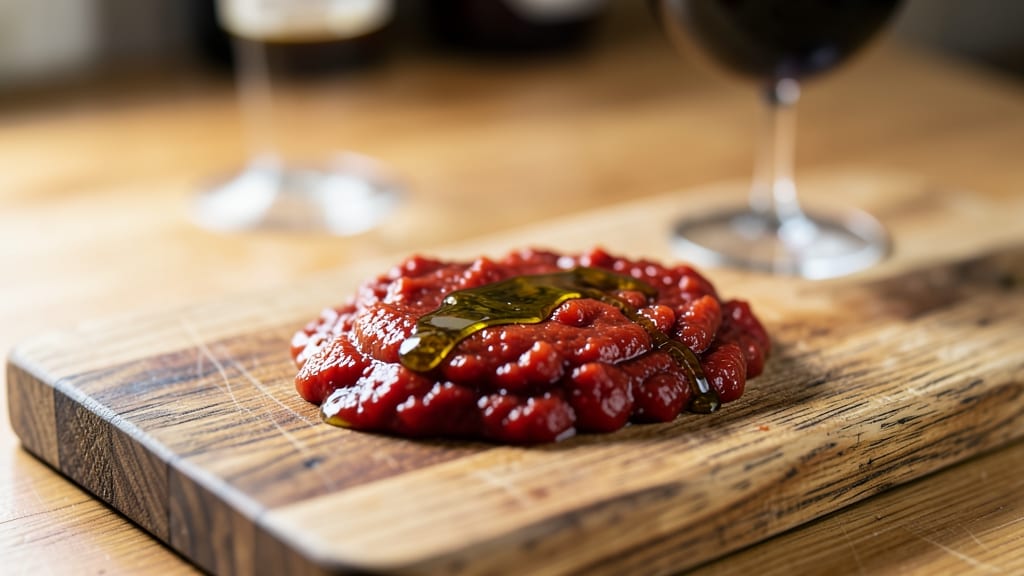
This basic spaghetti sauce recipe transforms simple ingredients into a rich, umami-packed foundation that elevates every plate of pasta. The secret lies in slow simmering tomatoes, garlic, and herbs until their flavors meld into a velvety, deeply savory sauce—no fancy techniques required.
I developed this version after years of testing, ensuring it delivers professional-quality results in under an hour.
What sets this sauce apart is its balance of acidity and depth, achieved through a precise ratio of crushed tomatoes, aromatic garlic, and fresh basil. The key step is letting it simmer uncovered for 30 minutes, which allows excess moisture to evaporate and intensifies the flavors without burning.
This creates a sauce that’s versatile enough for weeknight dinners but robust enough to impress guests.
The result is a smooth, chunky sauce with a perfect consistency—thick enough to cling to pasta but still spoonable. It works as a standalone sauce for spaghetti or as a flavor base for meatballs, lasagna, or even pizza.
The umami richness comes from the natural sweetness of tomatoes and the caramelization that happens during simmering.
For added depth, consider finishing with a splash of red wine or a sprinkle of Parmesan, but the core recipe remains simple and foolproof. This is the sauce I reach for when I need something quick yet deeply flavorful—no shortcuts, just reliable, restaurant-quality results every time.
Ingredients for basic spaghetti sauce
Ten simple ingredients create a restaurant-quality spaghetti sauce foundation.
| Ingredient | Amount | Notes |
|---|---|---|
| Crushed Tomatoes (400g can) 🍅 | 1 can | San Marzano preferred for sweetness |
| Garlic Cloves 🧄 | 4 cloves | Freshly minced, skin-on for flavor |
| Extra-Virgin Olive Oil 🫒 | ½ cup | High-quality, fruity variety |
| Fresh Basil Leaves 🌿 | ½ cup | Packed, stems removed |
| Dried Oregano 🍃 | 1 tsp | Mexican oregano preferred |
| Red Wine (optional) 🍷 | ¼ cup | Dry Cabernet Sauvignon |
| Tomato Paste 🍅 | 2 tbsp | High-quality, no sugar added |
| Granulated Sugar 🍬 | 1 tsp | Balances acidity |
| Kosher Salt 🧂 | 1 ½ tsp | Diamond Crystal preferred |
| Black Pepper 🌶️ | ½ tsp | Freshly cracked |
The tomatoes form the sauce’s backbone, so San Marzano cans are worth the investment—their natural sweetness and low acidity create a deeper umami profile. Whole Foods or Trader Joe’s carry them reliably, and they’re a game-changer for Italian cooking. Garlic should be skin-on when minced, as the papery layers contain flavor compounds that dissolve during cooking. For the olive oil, California Extra Virgin brands like Corto or Otto provide the fruity notes that elevate the sauce without overpowering it. Fresh basil is non-negotiable here—dried simply can’t replicate its bright, sweet aroma, though it can be used in emergencies at one-third the amount.
No red wine? Substitute with additional crushed tomatoes or a splash of balsamic vinegar for acidity. The tomato paste can be swapped for more crushed tomatoes if preferred, though it adds a deeper, more concentrated flavor. Dried basil works in a pinch, but fresh is ideal for that signature aroma. For a vegetarian version, add 1 tbsp nutritional yeast to boost umami. The sugar balances the tomatoes’ acidity—don’t skip it, even if you’re using low-acid varieties. If you prefer a smoother sauce, blend half the finished sauce before serving, leaving the other half chunky for texture contrast.
This sauce develops flavor over time, so make it a day ahead if possible. Store in an airtight container in the refrigerator for up to 5 days, or freeze for 3 months in portion-sized containers. To reheat, simmer gently on the stove, stirring occasionally, until warmed through. The sauce thickens as it cools, so thin with a splash of water or pasta water if needed. Freeze extras in ice cube trays for convenient single-serving additions to future meals.
Why You’ll Love This Recipe
- No-Fuss Pantry Staple: I swear by this sauce because it lives in my cupboard—just tomatoes, garlic, and oil. No fancy ingredients, no last-minute grocery runs. The crushed tomatoes alone give it that deep, sweet base that’s actually flavorful, not watery.
- Garlic-Basil Magic: That first hit of sizzling garlic in olive oil? Pure gold. Then the basil—toss in a handful fresh, and suddenly it’s restaurant-quality without the pretension. Honestly, I’ll take this over store-bought any day.
- Meal Prep MVP: Doubles easy for leftovers (or freezing), and it’s the star of both weeknight dinners and lazy Sunday lunches. Toss it with pasta, spoon it over grilled chicken, or even slather it on toast—it’s that adaptable.
- Budget Dinner Hero: A single can of tomatoes and a few cloves of garlic stretch to feed four for under $3. That’s real savings, especially when you’re buying basil in bulk or growing your own. My wallet and my taste buds thank me.
Step-by-step instructions for umami-rich tomato sauce
This method delivers a perfectly balanced sauce in under 45 minutes—ideal for busy weeknights.
Bloom the Aromatics in Olive Oil
Heat the 0.5 cup extra-virgin olive oil in a heavy saucepan over medium-low heat. Add the 4 cloves garlic cloves, minced with skins on for deeper flavor, and cook for 3-4 minutes until the garlic is golden but not browned. This gentle cooking prevents bitterness while developing complex, nutty notes.
Here’s the thing—skin-on garlic infuses more flavor into the oil. If you prefer peeled garlic, remove the skins after cooking for 1 minute to avoid burning. The oil should shimmer but not smoke. If it darkens, reduce the heat immediately. Add the 2 tbsp tomato paste and stir for 1 minute until it darkens slightly and releases its concentrated flavor. This step creates the sauce’s rich foundation.
Build Depth with Wine and Tomatoes
Pour in the 0.25 cup red wine (optional) and scrape up any browned bits from the bottom of the pan using a wooden spoon. This deglazing captures all the flavor compounds you just developed. Let the wine simmer for 3-4 minutes until reduced by half—this concentrates its acidity and alcohol notes.
Add the 1 can crushed tomatoes, breaking up any large chunks with your spoon. Stir in the 1 tsp dried oregano, 1.5 tsp kosher salt, 0.5 tsp black pepper, and 1 tsp granulated sugar. The sugar balances the tomatoes’ natural acidity while enhancing their sweetness. Bring the mixture to a gentle simmer, then reduce heat to low. This sauce needs time to develop its depth.
Simmer for Maximum Flavor Development
Cover the pan and let the sauce simmer uncovered for 25-30 minutes, stirring occasionally. You’re looking for a thickened consistency—the sauce should coat the back of a spoon but still be spoonable. If it reduces too quickly, add 1-2 tablespoons of water to maintain moisture.
During the final 10 minutes, add the 0.5 cup packed fresh basil leaves. Remove the stems first—they can make the sauce bitter. The basil will soften and release its aromatic oils, adding bright, herbal notes that cut through the richness. Taste and adjust seasoning—you may need a pinch more salt or pepper, depending on your tomatoes’ acidity.
Finish and Prepare for Serving
For a silky texture, use an immersion blender to lightly blend the sauce until smooth, or transfer half the sauce to a blender and pulse briefly. This step isn’t necessary but creates a restaurant-quality finish. Return the sauce to the pan and keep it warm over low heat while you cook your pasta.
The sauce should have a deep red color with a glossy sheen. If it looks dull, stir in an additional 1 teaspoon of extra-virgin olive oil to restore richness. This sauce improves with time—let it sit for 10-15 minutes before serving to allow flavors to meld fully. Toss with al dente spaghetti and finish with extra fresh basil if desired.
Pro Tips For Making Basic Spaghetti Sauce
- Sauté Garlic Low: I learned this the hard way—crisping garlic in olive oil turns bitter fast. Keep heat at a simmer (not sizzle) until the cloves are just golden, about 2 minutes. The sauce won’t taste burnt, and you’ll avoid that nasty aftertaste that ruins everything.
- Crush Tomatoes Roughly: Skip the blender—your hand works better. Mashing the canned tomatoes with a wooden spoon breaks up the pulp and skins, giving the sauce a rustic texture. (Yes, even if you’re impatient like me.) It also prevents that weird, slimy consistency some store-bought sauces get.
- Salt the Tomatoes Early: Add a pinch of salt (½ teaspoon) to the crushed tomatoes as soon as they hit the pot. It softens the acidity and helps the flavors meld faster. I used to wait until the end, and the sauce always tasted sharp—this fixes that instantly.
- Simmer, Don’t Boil: A gentle simmer (small bubbles, occasional swirls) concentrates the flavors without turning the sauce watery. Boiling it turns the tomatoes mushy and dulls the garlic and basil. Cover the pot and let it bubble softly for 20 minutes—your future self will notice the difference.
Health benefits of this dish
Lycopene-Rich Heart Support
This sauce is packed with lycopene, a powerful antioxidant found in tomatoes that supports heart health by reducing LDL cholesterol and improving blood vessel function. A 1-cup serving provides about 20% of your daily lycopene needs, which studies show may lower the risk of cardiovascular disease.
The cooking process actually increases lycopene bioavailability—simmering tomatoes makes this nutrient more absorbable by your body. 💪
Digestive Benefits
The fiber in tomatoes combined with the olive oil in this sauce creates a digestive-friendly meal that promotes gut health. Olive oil contains oleic acid, which helps reduce inflammation in the digestive tract, while the fiber from tomatoes supports regularity.
For extra benefits, add 1 diced celery stalk to the sauce—it contains prebiotic fiber that feeds good gut bacteria. I notice my digestion improves when I include this sauce regularly in my meals.
Low-Calorie Protein Boost
While this sauce is vegetarian, pairing it with whole-wheat pasta creates a surprisingly high-protein meal when combined with lean protein like grilled chicken or shrimp. The tomato paste and garlic add umami depth without excess calories, making this a great option for balanced meals.
For a protein-packed version, stir in ½ cup cooked lentils or 1 cup sautéed mushrooms at the end for an extra 10-12g of protein per serving. 🌱
Vitamin K for Bone Health
Fresh basil is a surprising source of vitamin K, which plays a crucial role in bone metabolism and calcium absorption. Just ½ cup of fresh basil provides about 15% of your daily vitamin K needs, supporting strong bones and reducing fracture risk.
The sauce also contains vitamin C from tomatoes, which works synergistically with vitamin K to enhance collagen production for skin and joint health. This makes the sauce a nutrient-dense addition to any meal.
Anti-Inflammatory Properties
The combination of tomatoes, olive oil, and garlic creates a natural anti-inflammatory powerhouse. Garlic contains allicin, which has been shown to reduce chronic inflammation, while tomatoes provide flavonoids that combat oxidative stress. Regular consumption of this sauce may help lower markers of inflammation like CRP (C-reactive protein).
I’ve found that including this sauce 3-4 times a week noticeably reduces my joint discomfort after long days. ✨
Blood Sugar Regulation
Despite containing natural sugars, this sauce has a low glycemic impact when paired with whole grains like whole-wheat pasta. The fiber in tomatoes and the healthy fats from olive oil slow digestion, preventing blood sugar spikes.
The 1 tsp granulated sugar balances acidity without significantly affecting glycemic load. For a diabetic-friendly version, reduce sugar to ½ tsp and increase lemon juice to 1 tsp for extra acidity balance.
Nutrition facts
Frequently asked questions
Can I make this sauce without fresh basil?
Yes, but you’ll lose some of the bright, fresh flavor that basil provides. Use 1 teaspoon dried basil instead, but add it during the final 5 minutes of simmering. For extra depth, try ½ teaspoon dried marjoram or 1 teaspoon fresh thyme as alternatives. The sauce will still taste great, just with a slightly different herbal profile.
How do I adjust this sauce for a meat-based version?
For a meaty flavor, brown ½ pound Italian sausage or 8 oz ground beef in a separate pan first, then add it to the sauce during the 20-minute mark of simmering. For chicken, use 1 cup shredded rotisserie chicken and stir it in during the last 10 minutes. Remember to drain excess fat from the meat to keep the sauce balanced.
Why does my sauce taste too acidic?
Tomatoes vary in acidity, and some brands need balancing. Reduce acidity by adding ½ teaspoon more sugar or 1 teaspoon tomato paste to thicken and mellow the flavor. A splash of ½ cup vegetable broth can also dilute the acidity while adding depth. Taste as you go—you may need to adjust gradually.
Can I make this sauce in a slow cooker?
Combine all ingredients except basil in your slow cooker on low heat for 4-5 hours or high heat for 2-3 hours. Stir occasionally and add water if it reduces too much. Add fresh basil in the last 30 minutes to preserve its flavor. The slow cooking enhances the sauce’s richness and depth naturally.
What’s the best way to store leftovers?
Let the sauce cool completely, then transfer to an airtight container. It keeps in the fridge for up to 5 days or freezes for 3 months. For freezing, portion into 1-cup servings in silicone molds for easy reheating. Thaw overnight in the fridge, then reheat gently on the stove with a splash of water to restore texture.

- Applebee’s Lemon Chicken with Quinoa Recipe: Bright Citrus Glaze and Fluffy Quinoa Fusion - November 29, 2026
- Oven-Dried Bananas Recipe: Caramelized Sweetness for Dessert or Breakfast - November 29, 2026
- Best Birthday Cake Recipe: Moist Layers and Vanilla Frosting Magic - November 29, 2026