
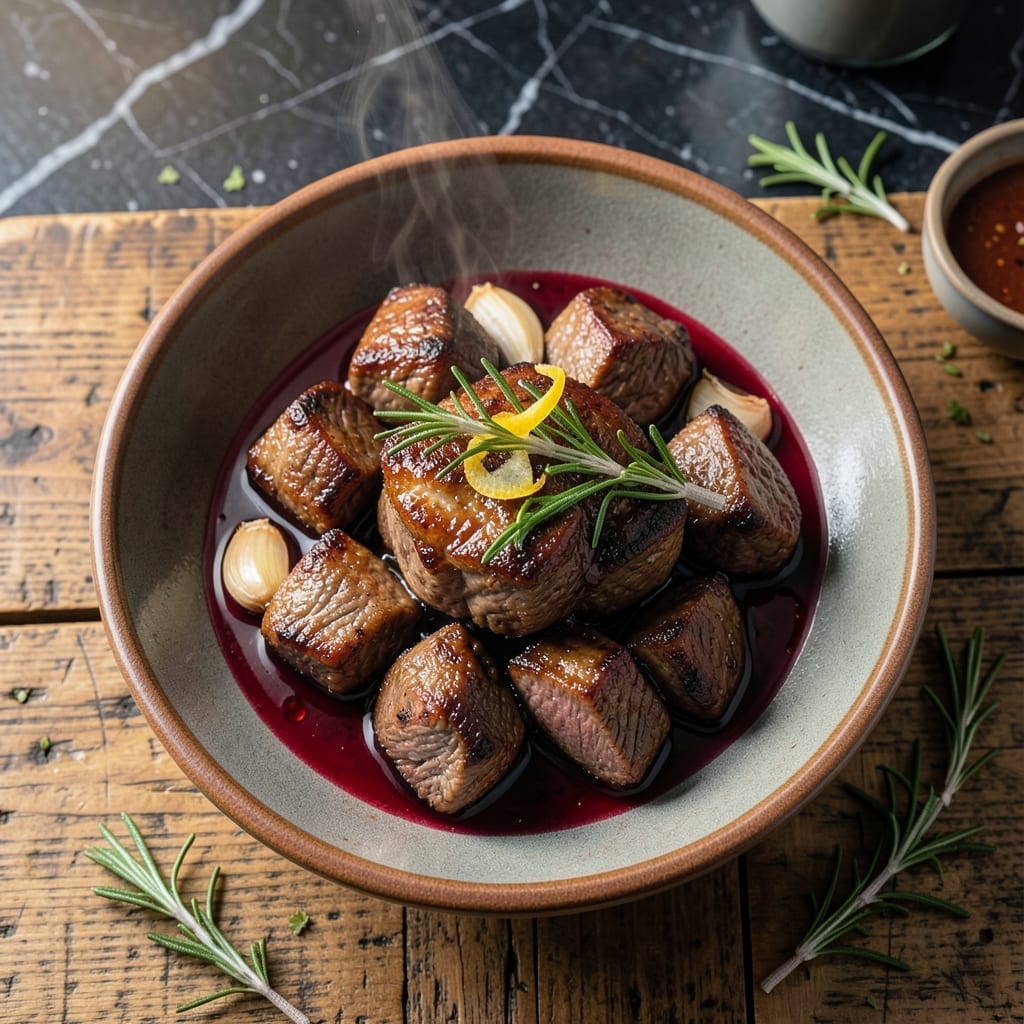
I was skeptical about beef heart until I tried slow-roasting it in the oven. The transformation is incredible—tough cuts turn into melt-in-your-mouth tenderness with just a little patience.
This method works because the low heat breaks down the muscle fibers gradually. A simple marinade of garlic, rosemary, and red wine adds depth without overpowering the natural flavor.
What comes out of the oven is something special: rich, beefy, and so tender it falls apart. The meat soaks up all the aromatic flavors from the marinade.
It’s a game-changer for anyone willing to give this often-overlooked cut a chance. Perfect for a hearty dinner that feels fancy but costs pennies.
Ingredients for Beef Heart Recipe Oven
Simple ingredients transform this humble cut into a showstopper dinner.
| Ingredient | Amount | Notes |
|---|---|---|
| Beef Heart 🫀 | 2 lb | Trimmed of fat and membranes |
| Red Wine 🍷 | 1 cup | Dry variety like Cabernet |
| Olive Oil 🫒 | ¼ cup | Extra-virgin preferred |
| Garlic Cloves 🧄 | 6 cloves | Minced for marinade |
| Fresh Rosemary 🌿 | 2 tbsp | Chopped, stems removed |
| Kosher Salt 🧂 | 2 tsp | Divided for marinade and seasoning |
| Black Pepper 🌶️ | 1 tsp | Freshly ground preferred |
| Beef Broth 🥩 | 1 cup | Low-sodium for control |
| Yellow Onion 🧅 | 1 whole | Sliced for braising liquid |
| Carrots 🥕 | 2 whole | Peeled and chopped |
| Bay Leaves 🍃 | 2 pieces | For braising liquid |
| All-Purpose Flour 🌾 | ¼ cup | For optional light coating |
| Dijon Mustard 🟡 | 1 tbsp | For marinade depth |
The beef heart is the star here (and often the hardest to find). Local butchers or Latin markets usually stock it—call ahead. Look for pieces that are deep red with minimal fat. If you’re buying whole, ask them to trim it for you (saves time). I grab mine from Whole Foods when they have it in stock. The red wine matters—dry and bold stands up to the rich flavor.
No red wine? Beef broth with a splash of balsamic vinegar works in a pinch. Fresh rosemary is ideal but dried at half the amount is fine too. Swap the Dijon for whole-grain mustard if that’s what you have. The carrots and onions add sweetness to balance the dish—parsnips or celery can go in too (whatever’s in your crisper).
Marinated beef heart keeps in the fridge for 24 hours before cooking. Leftovers taste even better the next day—store in the fridge for up to 4 days or freeze for 3 months. Reheat gently to keep it tender.
Why You’ll Love This Recipe
- Hands-Off Cooking: I just toss the beef heart with olive oil, garlic, and rosemary, then let the oven do the work.
- Rich, Deep Flavor: The red wine soaks into the meat, giving it this bold, savory taste that’s hard to beat.
- Weeknight Hero: It’s my go-to for busy evenings—minimal effort, maximum payoff.
- Budget-Friendly Feast: Beef heart is so affordable, and this recipe makes it taste like a fancy Sunday dinner.
Step-by-Step Instructions for Beef Heart Oven Roast
Here’s the method that transforms this lean cut into something extraordinarily tender and flavorful.
Step 1: Marinate the Beef Heart for Maximum Flavor
Trim the 2 lb Beef Heart of any fat or membranes, then cut it into 2-inch chunks. In a large bowl, whisk together the 0.25 cup Olive Oil, 1 cup Red Wine, 6 cloves Garlic Cloves, 2 tbsp Fresh Rosemary, 1 tbsp Dijon Mustard, 1 tsp Black Pepper, and 1 tsp Kosher Salt.
Add the beef heart pieces and toss to coat evenly. Cover and refrigerate for at least 2 hours (overnight is ideal). This marinade breaks down the muscle fibers and infuses rich, aromatic flavors deep into the meat.
Step 2: Prepare the Braising Liquid and Vegetables
Preheat your oven to 300°F. Remove the beef heart from the marinade, reserving the liquid. Lightly dredge the pieces in the 0.25 cup All-Purpose Flour if you want a slightly thicker sauce later.
In a Dutch oven or heavy pot, arrange the 1 whole Yellow Onion (sliced), 2 whole Carrots (peeled and chopped), and 2 pieces Bay Leaves in the bottom. Pour in the reserved marinade and add the 1 cup Beef Broth.
Step 3: Slow-Roast Until Fork-Tender
Place the floured beef heart pieces on top of the vegetables in the Dutch oven. Cover with a tight-fitting lid and transfer to the oven. Roast for 2.5 to 3 hours, checking occasionally to ensure the liquid doesn’t evaporate completely.
You’ll know it’s done when the beef heart is fork-tender and easily pulls apart with a gentle tug. The meat should be a deep, rich brown, and the braising liquid will have reduced slightly, concentrating all those delicious flavors.
Step 4: Rest and Serve
Carefully remove the Dutch oven from the oven and let the beef heart rest in the braising liquid for 10 minutes. This allows the juices to redistribute, ensuring each bite is moist and flavorful.
Serve the beef heart with the vegetables and a generous spoonful of the braising liquid. The sauce should be rich and slightly thickened, perfect for soaking into mashed potatoes or crusty bread.
Pro Tips For Making Beef Heart Recipe Oven
- Trim the Fat: Beef heart has a lot of connective tissue—cut away the white fat and membranes before cooking, or you’ll end up with chewy bits instead of tender meat. I learned this the hard way after my first attempt felt like chewing on a shoe sole. —
- Sear It Hard: Get your oven-safe pan screaming hot and sear the beef heart until it’s dark brown, almost black in spots. This builds the deep flavor that red wine and rosemary can then cling to. —
- Don’t Overcook: Beef heart turns tough fast—pull it from the oven at 130–135°F internal temp, then let it rest 10 minutes. It’ll finish cooking off the heat and stay juicy. —
- Deglaze With Wine: After searing, pour in the red wine while the pan’s still hot to scrape up all those browned bits. That’s where the rich, meaty sauce comes from—skip this and you’re wasting flavor.
Storing and Reheating This Dish
Refrigerator Storage
Let this dish cool for no more than 2 hours before transferring to airtight containers. I use glass containers to avoid absorbing odors. Store in the fridge at 40°F or below for up to 4 days. The flavors deepen overnight as the meat soaks up the braising liquid. ❄️
Freezer Storage
For longer storage, freeze in quart-sized freezer bags for up to 3 months. Squeeze out excess air to prevent freezer burn. Portion into meal-sized amounts for easy thawing. Label with the date—I always forget how long things have been in there!
Stovetop Reheating
This is my preferred method for maintaining tenderness. Gently reheat in a covered pot over medium-low heat for 10-15 minutes. Add ¼ cup beef broth or water if it looks dry. Stir occasionally to distribute the juices. 🔥
Microwave Reheating
For quick lunches, microwave individual portions covered with a damp paper towel. Use 50% power for 2-3 minutes, then stir and continue in 1-minute intervals until heated through to 165°F. This prevents the meat from drying out.
Oven Reheating
Preheat oven to 300°F and place the dish in an oven-safe container covered with foil. Heat for 20-30 minutes, checking occasionally. This method works best for larger portions and keeps the texture just as tender as when first cooked.
Nutrition Facts
Frequently Asked Questions
Do I need to remove all the fat from the beef heart first?
Yes, trim off all visible fat and membranes before cooking. This helps the marinade penetrate evenly and prevents chewy bits in the final dish.
Can I use a different cut of meat with this method?
Beef cheeks or chuck work well with the same slow-roasting technique. Just adjust cooking time for thicker pieces.
What if my beef heart turns out tough?
It likely needed more time. Return it to the oven at 300°F with extra liquid for another 30-60 minutes, checking periodically.
Is it safe to eat beef heart medium-rare?
For safety, cook until fork-tender (internal temp of 165°F). The slow braising ensures it reaches this without drying out.

- Blue Zone Recipe Ideas: Longevity-Boosting Meals for Vibrant Living - September 28, 2026
- Beefaroni Recipe With Tomato Soup: One-Pot Nostalgic Comfort - September 28, 2026
- Bread Recipe KitchenAid Mixer: Foolproof Loaf With Perfect Rise - September 28, 2026