
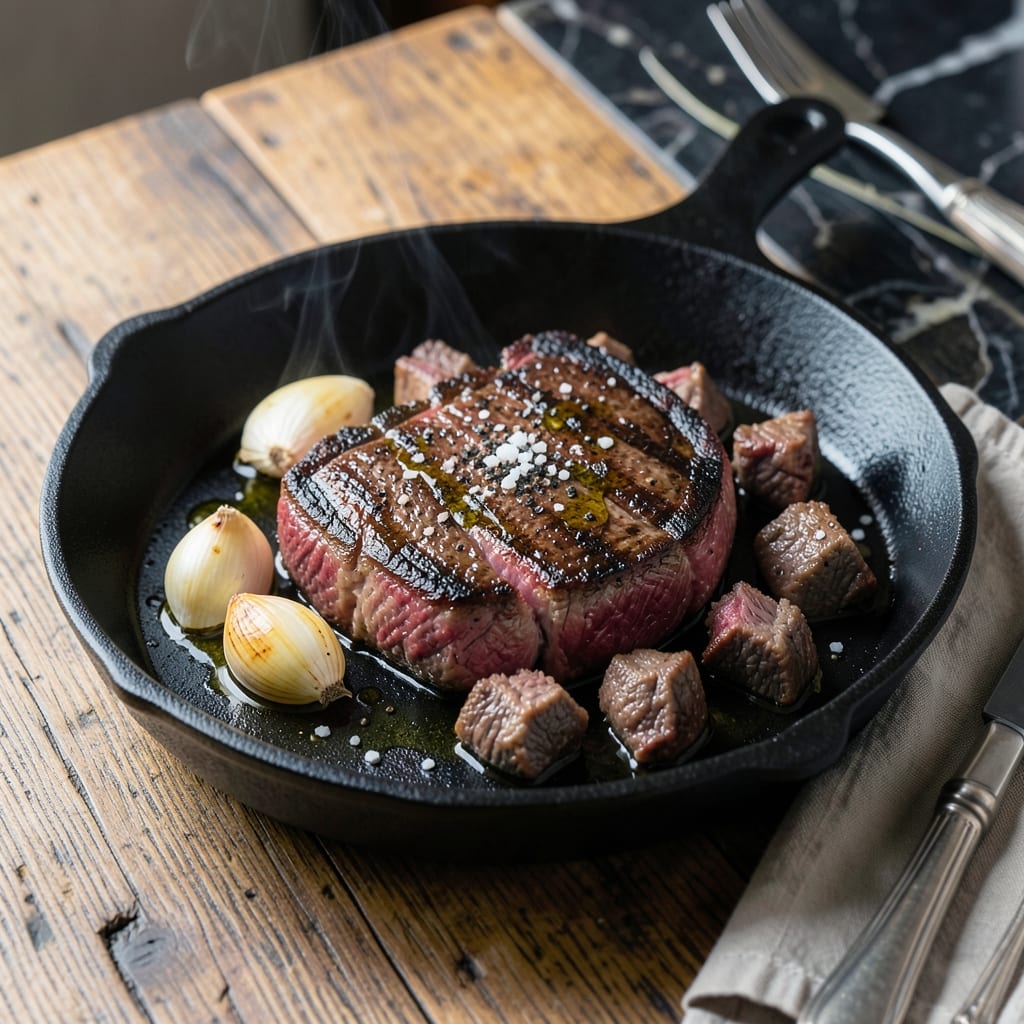
From slow-cooked braises to quick sears, beef offers endless possibilities for home cooks. This collection showcases how different cuts transform under various techniques, ensuring perfect results every time.
Each method highlights the unique qualities of specific beef cuts, whether it’s the tenderness of ribeye or the rich flavor of chuck. Simple ingredients and precise steps make these recipes accessible to all skill levels.
You’ll find options for every occasion, from elegant dinners to hearty family meals. The key lies in matching the cut to the cooking style for optimal flavor and texture.
Ready to elevate your beef dishes? These ideas will inspire you to explore new techniques and flavors in your kitchen.
Ingredients for Beef Recipe Ideas
Pantry staples meet premium cuts. Nothing here you can’t find at a good butcher or grocery.
| Ingredient | Amount | Notes |
|---|---|---|
| Ribeye Steak 🥩 | 1 ½ lb | Bone-in for extra flavor |
| Chuck Roast 🥩 | 2 lb | Well-marbled for braising |
| Olive Oil 🫒 | ½ cup | Divided for searing and finishing |
| Kosher Salt 🧂 | 1 tbsp | Diamond Crystal preferred |
| Freshly Ground Black Pepper 🌶️ | 1 tsp | Coarse grind for texture |
| Garlic Cloves 🧄 | 6 cloves | Smashed for maximum flavor |
| Red Wine 🍷 | 1 cup | Bold and dry variety |
| Beef Stock 🥣 | 2 cups | Low-sodium for control |
| Fresh Rosemary Sprigs 🌿 | 2 whole | Woody stems removed |
| Fresh Thyme 🍃 | ¼ cup | Leaves only, chopped |
| Unsalted Butter 🧈 | 2 tbsp | For finishing sauces |
| Yellow Onion 🧅 | 1 whole | Large, finely diced |
| Carrots 🥕 | 2 whole | Peeled and sliced thick |
| Celery Stalks 🌿 | 2 whole | Trimmed and chopped |
The beef is everything here. Ribeye from a local butcher (ask for dry-aged if they have it) gives you that melt-in-your-mouth texture—Costco’s prime cuts are a solid backup. For the chuck, look for heavy marbling; that fat equals flavor when you’re braising. Most Whole Foods locations carry both, and the staff usually knows their stuff. Don’t skip the bone-in ribeye if it’s available (that’s where the extra depth comes from).
No red wine? Beef broth with a splash of balsamic vinegar mimics the acidity. Fresh herbs are ideal, but dried at one-third the amount works in a pinch (just add them earlier so they rehydrate). The chuck can be swapped for short ribs if you’re feeling fancy. Out of rosemary? Fresh sage adds a nice earthy note. And if you’re avoiding dairy, olive oil can replace the butter for finishing.
Ribeye’s best cooked fresh—use within 3 days of purchase. Chuck roast freezes beautifully for up to 6 months. The braising liquid? Strain and save it—it’s liquid gold for sauces or soups later. Prep the veggies a day ahead (they’ll keep in the fridge) to cut down on cooking time.
Why You’ll Love This Recipe
- I’ll be real: this works for Sunday supper with the in-laws or a solo dinner when I’m craving something hearty. Both cuts shine in their own way.
- 5-Ingredient Simplicity: Honestly, it’s just beef, oil, salt, and pepper—no grocery list stress, no prep marathon, and zero complicated steps. Throw it together when you’re already halfway through your second coffee.
- Crisp and Juicy: That ribeye sear in olive oil with a coarse salt crust? It’s the kind of bite that makes you close your eyes. The chuck roast falls apart like a promise kept.
- Feeds a Crowd: I’ll be real: this works for Sunday supper with the in-laws or a solo dinner when I’m craving something hearty. Both cuts shine in their own way.
Step-by-Step Instructions for Beef Recipe Ideas
Here’s the method. Straightforward, tested, works every time.
Step 1: Sear the Ribeye to Perfection
Heat a heavy skillet over high heat until very hot. Add 0.5 cup olive oil and swirl to coat the pan. Pat the 1.5 lb ribeye steak completely dry and season generously with 1 tbsp kosher salt and 1 tsp freshly ground black pepper on all sides.
Carefully place the ribeye in the pan. Sear undisturbed for 3-4 minutes per side until a deep brown crust forms. Add 2 tbsp unsalted butter, 2 whole fresh rosemary sprigs, and 6 cloves garlic cloves (smashed) to the pan during the last minute of cooking, basting the steak with the melted butter continuously.
Remove the steak when it reaches 125-130°F for medium-rare. Transfer to a cutting board and tent loosely with foil to rest for 10 minutes before slicing against the grain.
Step 2: Brown the Chuck Roast for Braising
In the same skillet used for the ribeye, heat 2 tbsp olive oil over medium-high heat. Pat the 2 lb chuck roast dry and season all over with 1 tbsp kosher salt and 1 tsp freshly ground black pepper.
Sear the chuck roast on all sides for 4-5 minutes per side until deeply browned. Remove and set aside. In the same pan, add 1 whole yellow onion (finely diced), 2 whole carrots (peeled and sliced thick), and 2 whole celery stalks (trimmed and chopped). Cook for 5 minutes until the vegetables begin to soften.
Step 3: Deglaze and Braise the Chuck Roast
Add 1 cup red wine to the skillet, scraping up all the browned bits from the bottom. Bring to a simmer and cook for 2-3 minutes until the liquid reduces by half. Stir in 2 cups beef stock and 0.25 cup fresh thyme (leaves only, chopped).
Return the chuck roast to the pan, along with any accumulated juices. The liquid should come about halfway up the roast. Cover and transfer to a 325°F oven. Braise for 2.5-3 hours, turning the roast halfway through, until the meat is fork-tender and easily shreds.
Step 4: Rest and Serve
Remove the chuck roast from the oven and transfer to a serving platter. Skim any excess fat from the surface of the braising liquid and discard the 2 whole fresh rosemary sprigs if used. Slice or shred the chuck roast and arrange on the platter.
Spoon the braising liquid over the meat and garnish with additional fresh thyme if desired. The sauce should be rich and deeply flavored, coating the meat beautifully. Serve immediately with the braised vegetables for a hearty, comforting dish.
Pro Tips For Making Beef Recipe Ideas
- Dry the Steak: Pat the ribeye dry with paper towels before seasoning—moisture is the enemy of a good sear, and I learned this the hard way after too many steamy, gray steaks.
- Rest the Roast: Let the chuck roast sit at room temperature for 30 minutes before cooking, or it’ll seize up and cook unevenly—my grandmother swore by this, and she was right.
- Skip the Cold Pan: Heat the olive oil in the pan until it shimmers before adding the beef, or it’ll stick and stew instead of searing. Sounds obvious, but I wasted a lot of good ribeyes figuring this out.
- Salt Aggressively: Use more kosher salt than you think—especially on a thick cut like chuck roast. I used to under-season and wonder why my beef tasted bland.
Health Benefits of This beef recipe ideas
Protein Powerhouse
Beef is packed with high-quality protein, delivering all nine essential amino acids your body needs. A 6-ounce serving provides about 46 grams of protein, supporting muscle growth and repair. This makes it ideal for active lifestyles or anyone looking to maintain lean muscle mass. 💪
Iron Richness
The heme iron in beef is more easily absorbed by your body than plant-based iron. A 3-ounce serving provides about 15% of your daily iron needs, which is crucial for oxygen transport and energy levels. I always feel more energized after including beef in my meals.
Vitamin B Boost
Beef is a natural source of several B vitamins, including B12, B6, and niacin. These nutrients play vital roles in metabolism, nervous system function, and red blood cell production. A single serving can cover a significant portion of your daily requirements.
Zinc for Immunity
A 3-ounce portion of beef provides nearly 50% of your daily zinc needs, a mineral essential for immune function and wound healing. This is especially valuable during cold and flu season when your body needs extra support. 💛
Healthy Fats
While beef contains saturated fat, it also provides monounsaturated fats similar to those in olive oil. Grass-fed beef tends to have a better fat profile, with more omega-3 fatty acids. I always choose well-marbled cuts for the best flavor and nutrient balance.
Nutrient Density
Beef offers an impressive array of nutrients in relatively few calories. Along with protein and iron, it provides selenium, phosphorus, and vitamin D. This makes it a smart choice for those looking to maximize nutritional intake from their meals.
Nutrition Facts
Frequently Asked Questions
What’s the best way to cook a tough cut like chuck?
Slow braising at 325°F for 2.5-3 hours works wonders. The low heat and moisture break down collagen, turning tough meat into tender perfection.
Can I use a different wine for deglazing?
Yes! A bold dry white wine works, or swap in beef broth with 1 tsp balsamic vinegar for acidity. Avoid sweet wines—they’ll overpower the dish.
How do I know when my ribeye is done?
Use a meat thermometer: 125-130°F for medium-rare. The steak will continue cooking as it rests for 10 minutes. Press test works too—firm but springy means it’s ready.
Can I make these recipes ahead of time?
The chuck roast actually improves overnight as flavors meld. Reheat gently in its braising liquid. Ribeye is best served fresh but can be reheated in a low oven for 10-15 minutes.

- Pav Bhaji Recipe Food Lab: Mumbai Street Food Magic at Home - October 6, 2026
- Peach Jelly Recipe Without Pectin: Naturally Set Sweet Spread - October 6, 2026
- Pasta Salad Recipe With Zesty Italian Dressing: Bright Herb-Kissed Medley for Picnics - October 6, 2026