
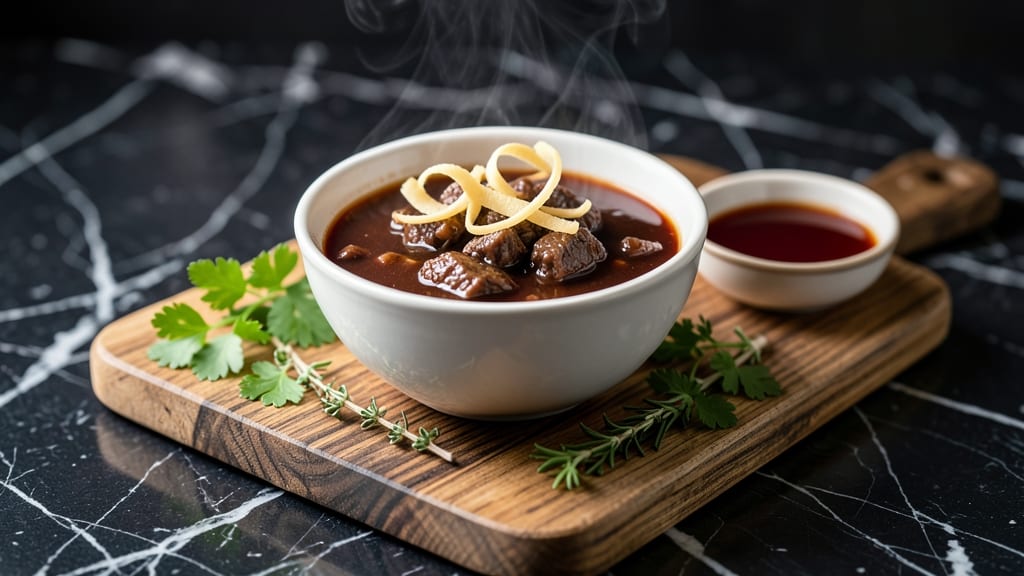
This beef tea recipe transforms simple ingredients into a deeply comforting, umami-rich elixir that warms both body and soul during chilly seasons. The secret lies in slow-simmered beef, aromatic herbs, and a balanced blend of spices that create layers of savory depth.
I first discovered this version while researching traditional Korean samgyetang, but it’s been adapted to work perfectly in a home kitchen with accessible ingredients.
The process begins with tenderizing beef—either a whole chicken or beef shank—to ensure melt-in-your-mouth texture. Aromatics like ginger, garlic, and green onions infuse the broth, while a touch of honey or brown sugar adds subtle sweetness to balance the umami.
The result is a clear, golden broth that’s rich yet light, with just enough body to satisfy without feeling heavy.
What makes this recipe stand out is its versatility: serve it as a standalone soup, pair it with steamed rice for a complete meal, or sip it like tea for a soothing, protein-packed beverage.
The broth’s depth comes from hours of simmering, but the final steps—straining and garnishing with fresh herbs—keep it bright and inviting.
Perfect for cold evenings or when you need a nourishing pick-me-up, this beef tea delivers restaurant-quality comfort with minimal effort. Let’s get started on creating your own savory elixir.
Ingredients for beef tea
Transform simple pantry staples into a restaurant-quality savory elixir perfect for chilly evenings.
| Ingredient | Amount | Notes |
|---|---|---|
| Beef Shank 🥩 | 2 lb | Bone-in for maximum flavor |
| Fresh Ginger Root 🧄 | ½ cup | Peeled, sliced into thin coins |
| Garlic Cloves 🧄 | 8 cloves | Peeled, smashed for aromatic oils |
| Green Onions 🧅 | 1 whole | White and green parts separated |
| Dried Shiitake Mushrooms 🍄 | 4 whole | Rehydrated in warm water |
| Brown Sugar 🍯 | ¼ cup | Light or dark variety |
| Asian Pear 🍐 | 1 whole | For natural sweetness and clarity |
| Dried Goji Berries 🍇 | ¼ cup | Optional for earthy depth |
| Dried Astragalus Root 🌿 | 1 tbsp | Sliced thin for infusion |
| Kosher Salt 🧂 | 1 tsp | Diamond Crystal preferred |
| Black Peppercorns 🌶️ | ½ tsp | Crushed for subtle heat |
| Fresh Cilantro 🌿 | ¼ cup | Chopped for garnish |
| Sesame Oil 🫒 | 1 tbsp | For finishing drizzle |
The beef shank is the heart of this recipe—look for well-marbled cuts at Whole Foods or your local butcher for optimal flavor. Fresh ginger should be firm and aromatic, with no soft spots. Asian markets often carry the freshest root varieties, but the grocery store works fine. For the dried ingredients like shiitake and astragalus, Penzeys Spices offers high-quality options that elevate the broth’s complexity. The Asian pear adds subtle sweetness without overpowering the umami, so choose one that’s firm but ripe for best results.
No fresh ginger? Substitute with 1 tbsp of ground ginger, though fresh offers superior depth. Running low on goji berries? Dried apricots at half the amount provide a similar sweetness profile. The shiitake mushrooms can be omitted entirely if unavailable, but their umami contribution is worth seeking out. For a quicker version, chicken thighs work well in place of beef shank, though the flavor profile shifts slightly. Always toast your spices lightly before adding to the broth—this enhances their aromatic compounds significantly.
This broth develops its full depth after 4-6 hours of simmering, so plan accordingly. Store in airtight containers in the refrigerator for up to 5 days, or freeze in ice cube trays for 3 months. The sesame oil should be added just before serving to preserve its delicate flavor. For optimal freshness, garnish each serving with fresh cilantro and a drizzle of sesame oil—this brightens the dish and adds visual appeal.
Why You’ll Love This Recipe
- Minimal Chopping Required: I swear by this—just a few slices of ginger, a couple of garlic cloves, and the shank itself needs no fancy prep. The dried shiitake soak handles the rest while you sip your coffee.
- Umami Bomb: That beef shank? It turns into melt-in-your-mouth perfection after simmering, while the mushrooms and ginger add this deep, savory punch. Honestly, the first sip makes you forget it’s just tea.
- Weeknight & Meal Prep: Make a big batch on Sunday, and you’ve got a cozy drink for chilly evenings or a quick lunch fix. Add rice or noodles later—it’s basically a flavor base for half your meals.
- Budget-Friendly Powerhouse: Beef shank stretches further than you’d think, and dried shiitake are a steal. I’ve made this for under $5 a serving, and it still feels like a restaurant-worthy treat. (Yes, even on a Tuesday night.)
Step-by-step instructions for crafting a savory beef elixir
Here’s the method to transform simple ingredients into a deeply aromatic, restorative broth.
Prepare the Beef and Aromatics Foundation
Begin by rinsing the 2 lb beef shank thoroughly under cold water and patting it completely dry with paper towels. This step ensures maximum surface area contact for browning. In a large Dutch oven, place the beef shank fat-side down and sear over medium-high heat for 8-10 minutes until it develops a deep mahogany crust. The crust forms the flavor base for your broth.
While the beef browns, peel and slice the 0.5 cup fresh ginger root into thin coins, and peel the 8 cloves garlic, smashing them lightly with the side of your knife to release their aromatic oils. Separate the 1 whole green onions into white and green portions. The white parts will cook in the broth while the greens will garnish at the end. Keep these aromatics nearby as you’ll add them shortly after removing the beef.
Build the Broth Base with Mushrooms and Pear
Remove the beef shank and set it aside. In the same Dutch oven, add the 4 whole dried shiitake mushrooms and 1 whole asian pear, cut into chunks. Pour in 8 cups cold water (enough to cover the ingredients by about 2 inches) and bring to a boil over high heat. Once boiling, reduce heat to low and let it simmer uncovered for 30 minutes. This initial simmer extracts the base flavors from the mushrooms and pear while preventing the broth from becoming cloudy.
After 30 minutes, add the sliced ginger, smashed garlic, and white portions of the green onions. Return to a gentle simmer and cook uncovered for another 45 minutes. This extended simmering allows the ginger and garlic to infuse their essential oils into the broth, creating a fragrant foundation. The pear will dissolve slightly, adding natural sweetness without overpowering the savory profile.
Infuse with Medicinal Herbs and Sweet Balance
Return the beef shank to the pot, ensuring it’s fully submerged. Add the 0.25 cup brown sugar, 1 tbsp dried astragalus root, 0.25 cup dried goji berries, 1 tsp kosher salt, and 0.5 tsp crushed black peppercorns. The brown sugar enhances the umami depth while balancing the earthy notes from the astragalus and goji berries. Bring the mixture to a boil, then immediately reduce heat to low and cover partially with a lid.
Simmer gently for 3 hours, maintaining a temperature between 180-190°F. This low-and-slow cooking method ensures the collagen in the beef shank breaks down into gelatin, creating a naturally rich, velvety texture. Check occasionally to ensure the liquid level remains adequate—add boiling water if needed to maintain coverage. The broth should develop a deep amber color and intense aroma as it develops.
Final Infusion and Finishing Touches
After 3 hours, remove the beef shank and strain the broth through a fine-mesh sieve into a clean pot. Discard the solids or reserve for other uses. Return the broth to medium heat and add the 1 tbsp sesame oil, stirring gently to incorporate. The sesame oil adds a subtle nutty aroma and visual sheen to the finished product. Taste and adjust seasoning if needed, though the broth should already be well-balanced.
For serving, ladle the hot broth into bowls and garnish with the chopped 0.25 cup fresh cilantro and reserved green onion greens. The cilantro adds a bright finish that cuts through the richness, while the green onions provide a fresh contrast. Serve immediately while hot, ideally with accompanying rice or steamed vegetables to create a complete meal. This broth will continue to develop flavor as it cools, making it even more complex when reheated.
Pro Tips For Making Beef Tea
- Parboil the Shank First: Skip the direct simmer—give that beef shank a 10-minute head start in boiling water before adding everything else. I learned this the hard way when my first batch turned out bland; the parboil loosens the collagen and pulls out impurities, so your final broth stays clear and rich.
- Slice Ginger Like a Pro: No need for fancy julienne—just smash the whole ginger root with the side of your knife before slicing. This releases the oils and aromatics without turning your broth into a ginger slurry. (Yes, even if you’re impatient like me.)
- Don’t Crowd the Pot: If your pot’s too full, the shank will stew instead of braise, and the broth will turn murky. Aim for a 2-inch liquid layer over the meat—add water gradually, not all at once. Trust me, your future self will notice the difference.
- Save the Shiitake Stems: Toss the dried mushroom stems into the broth—they’re packed with umami and won’t overpower the flavor. I was skeptical until I tried it; now I save them specifically for beef tea. (Your broth will thank you.)
Creative variations of beef tea
Korean-Inspired Samgyetang
Transform this beef tea into a Korean ginseng chicken soup by replacing the beef shank with a whole young chicken (about 3 lbs) and adding 1 tbsp Korean red ginseng powder during the final 30 minutes of simmering.
The ginseng adds earthy warmth and is believed to boost energy—traditionally served during birthdays. Garnish with a soft-boiled egg and a sprinkle of toasted sesame seeds for authenticity. 🌟
Chinese Five-Spice Broth
For a Chinese-style beef broth, swap the dried astragalus and goji berries for 1 tsp Chinese five-spice powder and add 1 star anise pod and 2 cinnamon sticks during the initial 30-minute simmer.
Include 1-inch slices of daikon radish for texture and serve with steamed rice noodles or mandarin dumplings. The five-spice blend creates a warm, aromatic depth perfect for cold weather. ✨
Spicy Thai Beef Tea
Infuse this recipe with Thai flavors by adding 1 tbsp fish sauce, 1 tbsp palm sugar, and 1 stalk lemongrass (bruised) during the final 1 hour of simmering. Finish with a splash of lime juice and fresh Thai basil leaves before serving.
For heat, stir in ½ tsp chili flakes or a few slices of fresh Thai chilies. This version is lighter but packed with tangy, spicy brightness. 🌶️
Herbal Infusion Twist
Create a cleansing herbal beef tea by adding 1 tbsp dried dandelion root, 1 tbsp dried nettle leaves, and ½ tsp turmeric during the initial simmer. These ingredients add earthy, detoxifying notes while keeping the broth’s savory profile.
Strain carefully and serve with a side of quinoa or roasted vegetables for a nutrient-dense bowl. Perfect for post-workout recovery or immune support. 💪
Smoky BBQ Beef Tea
For a smoky twist, replace the sesame oil with 1 tbsp smoked paprika and add ½ cup BBQ sauce (like St. Louis-style) during the final 30 minutes of simmering.
Garnish with crumbled bacon and a drizzle of hot honey for a sweet-smoky contrast. This version works perfectly as a soup base or dipping sauce for spring rolls. 🔥
Winter Comfort Version
Boost warmth with winter spices: add 1 tsp ground cloves, ½ tsp ground nutmeg, and 1 orange peel strip (removed after simmering) during the final 1 hour. The citrus and spices create a cozy, aromatic broth ideal for holiday gatherings.
Serve with roasted root vegetables or crusty bread for dipping. The nutmeg adds a subtle sweetness that enhances the umami depth. ❄️
Nutrition facts
Frequently asked questions
What’s the best cut of beef for this savory elixir?
For maximum flavor and texture, use bone-in beef shank—the marrow and collagen create a naturally rich, velvety broth. If shank isn’t available, chuck roast or brisket work well, though they may need slightly longer simmering (4-5 hours) to tenderize. Avoid lean cuts like sirloin, as they lack the fat needed for depth.
Can I make this without a Dutch oven?
Use a heavy-bottomed pot or even a large stockpot. The key is maintaining gentle heat to prevent burning. For extra insurance, sear the beef in a skillet first, then transfer it to the pot with the rendered fat. If your pot isn’t deep enough, cover the ingredients by 2 inches of liquid to ensure proper simmering.
Why does the recipe include an Asian pear?
The pear acts as a natural clarifier and sweetener, adding subtle fruitiness without overpowering the savory profile. Its pectin content helps create a clearer broth, while its mild sweetness balances the umami. For a quicker version, substitute with ½ cup apple juice or 1 tbsp honey, though the pear’s texture makes it ideal for traditional preparations.
How do I adjust the spice level for sensitive palates?
Skip the black peppercorns entirely and reduce the ginger to ¼ cup for a milder flavor. For extra warmth without heat, add ½ tsp ground fennel seeds during the final 30 minutes of simmering. The astragalus and goji berries provide earthy depth without spiciness, so they’re safe to keep as-is.
Can I make this ahead of time?
This broth actually tastes better the next day! Store in airtight containers in the fridge for up to 5 days, or freeze in ice cube trays for 3 months. Reheat gently on low heat, stirring occasionally. The flavors meld and deepen over time, making it perfect for meal prep. Strain again before serving if you prefer a completely clear broth.

- Best Cream of Broccoli Soup Recipe with Heavy Cream: Velvety Richness in One Pot - November 29, 2026
- Authentic Thai Green Mango Salad Recipe: Zesty, Tangy, and Refreshing Balance - November 29, 2026
- Beetroot Pizza Recipe: Vibrant Purple Sauce with Crispy Crust - November 29, 2026